The Impact of Ultraprocessed Foods on Your Health

Ultraprocessed foods, or UPFs, are food products such as frozen pizza, ready-to-eat meals, instant noodles, and many store-bought breads that contain a long list of ingredients, chemical additives, and little to no “whole” foods.

Understanding ultraprocessed foods is tricky, as even experts don’t fully agree on what they specifically are and whether they are good or bad. However, a 2024 study led by researchers at Harvard T.H. Chan School of Public Health also found that a high intake of ultraprocessed foods may increase the risk of early death. Participants who ate the most ultraprocessed foods of any kind had a 4% higher risk of death from any cause and an 8% higher risk of death from neurodegenerative diseases. And according to the Yale School of Public Health, high ultraprocessed food intake has been linked to a 25%-58% higher risk of health issues related to the heart and metabolism, and a 21%-66% higher risk of mortality.

People who eat more ultraprocessed foods may tend to eat more calories overall. Data from the Centers for Disease Control and Prevention (CDC) shows that 53% of the calories that adults consumed daily, on average, came from ultraprocessed foods between 2021 and 2023. For children 18 years old and younger, it is 61.9%. Scientists are studying whether ultraprocessed foods high in saturated fat, added sugars, and sodium may mimic addictive substances in some people, and if they do, how they may do so.

Some ultraprocessed foods may contribute to poorer health outcomes. Examples of this include:

  • They may displace or replace healthier foods
  • They could lead to eating too many calories
  • They may result in eating too much saturated fat, added sugars, or sodium
  • They may influence how the brain responds to these foods
  • The changed textures may trigger the brain to stay hungry even after eating
  • They can potentially disrupt blood sugar
  • They can potentially disrupt your gut health
  • They could cause exposure to toxins

The recommendation to limit the intake of ultraprocessed foods reinforces the long-standing nutrition guidance to limit unhealthy fats, added sugars, and sodium. A diet composed mainly of ultraprocessed foods also exposes people to unhealthy additives and increases the risk of chronic inflammatory diseases.

The best way to identify ultraprocessed foods is to read the packaging of the product to see if its list of ingredients contains either food substances never or rarely used in kitchens, such as high-fructose corn syrup, hydrogenated or interesterified oils, and hydrolyzed proteins. Or it may contain classes of additives designed to make the final product palatable or more appealing, such as flavors, flavor enhancers, colors, emulsifiers, emulsifying salts, sweeteners, thickeners, and anti-foaming, bulking, carbonating, foaming, gelling, and glazing agents.

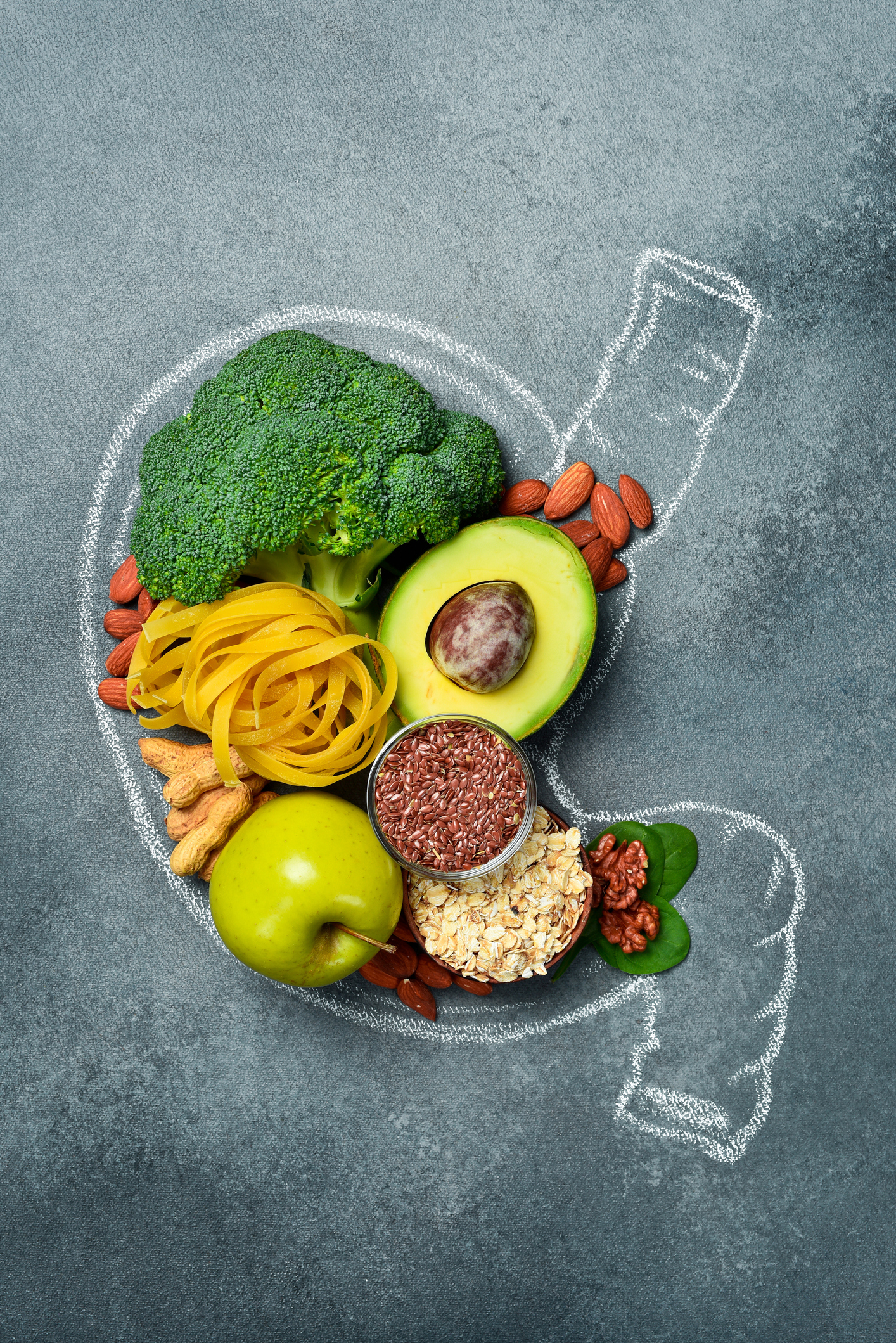
It is important to note that an overall healthy diet pattern should focus on eating healthier options such as vegetables, fruits, whole grains, beans, nuts, seeds, healthy non-tropical oils, and lean proteins.

The Yale School of Public Health offers four ways to reduce ultraprocessed foods in your diet. They include:

  1. Planning and preparing meals at home in advance that use less processed and ultraprocessed foods
  2. Drinking water and unsweetened beverages such as coffee and tea instead of soda and other sweetened drinks
  3. Eating fresh fruits and vegetables, if they are available to you. If they are not available, choose minimally processed frozen or canned options with no added salt or sugar
  4. Adding an unprocessed fruit or vegetable to your meal if an ultraprocessed food is your only option and you are short on time. And to choose an ultraprocessed food option with less sodium, saturated fat, and added sugar

If you would like to learn more about Flushing Hospital Medical Center’s nutritional services, you can visit the Ambulatory Care Center. To schedule an appointment, please call (718) 670-5486.

All content of this newsletter is intended for general information purposes only and is not intended or implied to be a substitute for professional medical advice, diagnosis or treatment. Please consult a medical professional before adopting any of the suggestions on this page. You must never disregard professional medical advice or delay seeking medical treatment based upon any content of this newsletter. PROMPTLY CONSULT YOUR PHYSICIAN OR CALL 911 IF YOU BELIEVE YOU HAVE A MEDICAL EMERGENCY.
Healthy Aging Month

September is Healthy Aging Month, a month observed to encourage people to focus on their health and take steps to help them face the challenges that come with aging.

As we age, we become aware of changes in our mental and physical health, as well as shifts in our social needs. You can take charge of your well-being by taking steps to age with a healthy mind and body. Flushing Hospital Medical Center would like to offer these tips to help boost your health as you age:

  • Get moving
    • It is important to consult your doctor before exercising. Start slow, know your limitations, and modify activities if needed
    • Aim for at least 150 minutes of moderate-intensity physical activity each week
  • Maintain a healthy diet
  • Eat proper portion sizes
  • Avoid excess processed foods
  • Stay hydrated
  • Stay socially active
    • Stay in touch with friends and family
    • Try doing something new that interests you
  • Balance your body and mind
    • Keep a positive attitude
    • Keep your mind active by reading or doing puzzles
    • Keep your body active with yoga and stretches
  • Be proactive
    • Receive regular checkups, physicals, and medical tests when needed
    • Take vitamins, supplements, and medications as prescribed or needed

Healthy Aging Month is a time to celebrate life and the positive aspects of growing older. Healthy living is healthy aging. Developing and maintaining healthy aging practices throughout your life contributes to greater resilience and opportunities to thrive as we age. Making small changes in your daily life can help you live longer and better.

If you have questions about any medical issues that may arise as you age, you can schedule an appointment with a doctor at Flushing Hospital’s Ambulatory Care Center by calling (718) 670-5486.

All content of this newsletter is intended for general information purposes only and is not intended or implied to be a substitute for professional medical advice, diagnosis or treatment. Please consult a medical professional before adopting any of the suggestions on this page. You must never disregard professional medical advice or delay seeking medical treatment based upon any content of this newsletter. PROMPTLY CONSULT YOUR PHYSICIAN OR CALL 911 IF YOU BELIEVE YOU HAVE A MEDICAL EMERGENCY.

The Health Benefits of Pumpkin

It is the fall season and pumpkins are everywhere. Pumpkins are highly nutritious, containing proteins, carbohydrates, carotenoids, vitamins, and minerals. Here are some health benefits of pumpkin:

  • Highly nutritious and particularly rich in vitamin A
  • High antioxidant content may reduce your risk of chronic diseases
  • Packs vitamins that may boost immunity
  • High in nutrients that protect your eyesight
  • Nutrient density and low-calorie count may promote weight loss
  • Antioxidant content may lower your risk of cancer
  • Potassium, vitamin C, and fiber may benefit heart health
  • Contains compounds that promote healthy skin
  • High in vitamins and minerals that improve gut health

Pumpkin is a nutritious fruit to eat all year round, so don’t just save it for fall. Pumpkin is a healthy food ingredient that is versatile enough to be used in sweet and savory dishes and can improve recipes with its taste. You will benefit from its vitamins and minerals.


All content of this newsletter is intended for general information purposes only and is not intended or implied to be a substitute for professional medical advice, diagnosis or treatment. Please consult a medical professional before adopting any of the suggestions on this page. You must never disregard professional medical advice or delay seeking medical treatment based upon any content of this newsletter. PROMPTLY CONSULT YOUR PHYSICIAN OR CALL 911 IF YOU BELIEVE YOU HAVE A MEDICAL EMERGENCY.

Healthy Aging Month

September is recognized as healthy aging month. The observation was created to encourage people to focus on their health and take steps to help them face the challenges that come with aging.

As we age, we become aware of changes in our mental and physical health, and changes in our social needs. You can take charge of your well-being by taking steps to age with a healthy mind and body. Flushing Hospital Medical Center would like to offer these tips to help boost your health as you age:

  • Get moving
    • It is important to consult your doctor before exercising. Start slow, know your limitations, and modify activities if needed
    • Aim for at least 150 minutes of moderate-intensity physical activities each week
  • Maintain a healthy diet
  • Eat proper portion sizes
  • Avoid excess processed foods
  • Stay hydrated
  • Stay socially active
    • Stay in touch with friends and family
    • Try doing something new that interests you
  • Balance your body and mind
    • Keep a positive attitude
    • Keep your mind active by reading or doing puzzles
    • Keep your body active with yoga and stretches
  • Be proactive
    • Receive regular checkups, physicals, and medical tests when needed
    • Take vitamins, supplements, and medications as prescribed or needed

Healthy aging month is a time to celebrate life and the positive aspects of growing older. Healthy living is healthy aging. Developing and maintaining healthy aging practices throughout your life contributes to greater resilience and opportunities to thrive as we age. Making small changes in your daily life can help you live longer and better.

If you have questions about any medical issues that may arise as you age, you can schedule an appointment with a doctor at Flushing Hospital’s Ambulatory Care Center by calling (718) 670-5486.

All content of this newsletter is intended for general information purposes only and is not intended or implied to be a substitute for professional medical advice, diagnosis or treatment. Please consult a medical professional before adopting any of the suggestions on this page. You must never disregard professional medical advice or delay seeking medical treatment based upon any content of this newsletter. PROMPTLY CONSULT YOUR PHYSICIAN OR CALL 911 IF YOU BELIEVE YOU HAVE A MEDICAL EMERGENCY.

Stress Awareness Month

In 1992, the month of April was designated as Stress Awareness Month.  During this time, health professionals join together to increase the public’s awareness about what causes stress and what can help cure the growing stress epidemic.

Flushing Hospital Medical Center is participating by reaching out to our social media community and sharing some helpful techniques that can assist you in managing your daily stress, such as:

  • Meditation – is helpful to the brain’s neural pathways, making you more resilient to stress
  • Breathing Deeply – triggers our parasympathetic nervous system, neutralizes stress and elicits a calming feeling
  • Exercise – all forms of exercise can ease depression and anxiety by helping the brain releasing feel-good chemicals giving your body a chance to practice dealing with stress
  • Eating Healthy – choosing a diet rich in vegetables, fruits, and fiber may reduce the chance that stress can boost the body’s natural defense system

Prolonged, excessive periods of stress is unhealthy for any individual. A change of mindset can bring about a healthier lifestyle.  That positive change can help you manage stress and bring far-reaching improvement to your health and well being.

For more information and to find out ways you can make a difference visit – http://stressawarenessmonth.com/

All content of this newsletter is intended for general information purposes only and is not intended or implied to be a substitute for professional medical advice, diagnosis or treatment. Please consult a medical professional before adopting any of the suggestions on this page. You must never disregard professional medical advice or delay seeking medical treatment based upon any content of this newsletter. PROMPTLY CONSULT YOUR PHYSICIAN OR CALL 911 IF YOU BELIEVE YOU HAVE A MEDICAL EMERGENCY.
Healthy Fall Activities

With temperatures dropping and crisp air abounding; the fall season is a great time to begin a fitness regime.

Some tips for how to start your fall fitness routine are:

Change it up – The fall season is a great season to spend time with family and friends while taking part in physical activities such as walking through apple and pumpkin patches, corn mazes or trails.

Appreciate fall foliage – The fall season brings with it lots of colored leaves.  Local parks usually have trails to walk, run or ride a bike on.

Go to a farmer’s market – Fall brings lots of root vegetables into season.  Take a bike ride and stop at local farmer’s markets to pick up some healthy, tasty fruits and veggies.

Rake the lawn – In the fall season, even chores can be a really good workout. Activities such as raking the leaves can provide great cardio exercise.

As you can see, fall offers several opportunities to stay active and create good habits that will last with you throughout the upcoming holiday season and winter months.

All content of this newsletter is intended for general information purposes only and is not intended or implied to be a substitute for professional medical advice, diagnosis or treatment. Please consult a medical professional before adopting any of the suggestions on this page. You must never disregard professional medical advice or delay seeking medical treatment based upon any content of this newsletter. PROMPTLY CONSULT YOUR PHYSICIAN OR CALL 911 IF YOU BELIEVE YOU HAVE A MEDICAL EMERGENCY.
Resolve to Eat Right

With the holidays drawing to a close, it will soon be the time for resolutions.  Why not make eating right a part of your resolution.

Eating right doesn’t have to be complicated.  You can begin with a simple shift to lean meats, fruits, vegetables, and complex carbohydrates into your nutritional regimen while lessening your intake of processed foods, white flour and sugar.

For more information on eating right, contact the Flushing Hospital Medical Center’s  Ambulatory Care Center at  718-670-5486 to speak with a nutritionist.

All content of this newsletter is intended for general information purposes only and is not intended or implied to be a substitute for professional medical advice, diagnosis or treatment. Please consult a medical professional before adopting any of the suggestions on this page. You must never disregard professional medical advice or delay seeking medical treatment based upon any content of this newsletter. PROMPTLY CONSULT YOUR PHYSICIAN OR CALL 911 IF YOU BELIEVE YOU HAVE A MEDICAL EMERGENCY.

Healthy Eating On-The-Go

Juggling home and work is a struggle and maintaining healthy eating habits while we are on-the-go can add to its level of difficulty.  Or should it?

Here are some tips that may make your hectic lifestyle somewhat simpler by planning meals on-the-go:

Plan your menu – Planning meals well in advance will help make sure your meals are healthier and well-balanced.

Avoid fast food baked goods for breakfast – Instead of choosing a wholesome “looking” muffin, reach for a yogurt smoothie.  It will provide you with vitamin C and potassium, high fiber and keep you full from breakfast to lunch.

Prepare Coffee or Tea at home – While waiting in line at your local coffee shop, you may be more apt to choose an unhealthy breakfast choice.  Skip the impulse purchase and brew your coffee or tea at home.

Eat lunch – When you’re busy, it’s easy to lose track of time and skip lunch.  No matter how heavy your workload, make time to leave the office and eat your brown bagged lunch.  Starving through lunch will only lead to overeating later.

Dine-out – You are bound to grab a meal outside of home due to family activities and busy schedules.  That doesn’t mean you have to leave your healthy choices behind.  Eat moderately and divide your plate into two servings.  Ask for a bag to take your leftovers home.  Only eat until you are satisfied, not stuffed.

Eating on the run is never ideal, but it will inevitably happen to most of us.  You need to prioritize time to eat healthy and although a home cooked meal isn’t always possible, that doesn’t mean you can’t make good choices on the go.

All content of this newsletter is intended for general information purposes only and is not intended or implied to be a substitute for professional medical advice, diagnosis or treatment. Please consult a medical professional before adopting any of the suggestions on this page. You must never disregard professional medical advice or delay seeking medical treatment based upon any content of this newsletter. PROMPTLY CONSULT YOUR PHYSICIAN OR CALL 911 IF YOU BELIEVE YOU HAVE A MEDICAL EMERGENCY.

Take a Break

Studies have shown that taking regular breaks during the work day can improve productivity and mental acuity, reduce fatigue, relieve joint or muscle pain, and increase overall alertness.

Chronic stress from over working can put a strain on your body and put you at risk for poor health. Taking a break can give your body the chance to turn off the stress so that you can recuperate and repair.

Research has shown that people on a break feel healthier, have less physical complaints and could have a reduction in cholesterol levels on their return.

Some other benefits of taking a break or vacation are:

  • Vitamin D – The Sun is rich in Vitamin D which is essential for maintaining healthy bones and keeping the immune systems and nervous system functioning normally.
  • Relaxing – Taking time to relax on a break from working has powerful benefits for adults. It can be as important as sleep.

Break time shrinks stress – Time away from work helps shrink stress and anxiety while boosting mental and physical health.

Keep in mind that regularly scheduled breaks should be approved by your supervisor.


All content of this newsletter is intended for general information purposes only and is not intended or implied to be a substitute for professional medical advice, diagnosis or treatment. Please consult a medical professional before adopting any of the suggestions on this page. You must never disregard professional medical advice or delay seeking medical treatment based upon any content of this newsletter. PROMPTLY CONSULT YOUR PHYSICIAN OR CALL 911 IF YOU BELIEVE YOU HAVE A MEDICAL EMERGENCY.

Healthy Whole Wheat Pumpkin Beer Bread

whole-wheat-pumpkin-bread

October conjures up images of falling leaves, Halloween and fall cuisine. Try this healthy, light whole wheat pumpkin beer bread courtesy of SheKnows.

Yields: 8 slices

Ingredients:

  • 1 cup whole wheat flour
  • 2 cups all-purpose flour
  • 3 teaspoons baking powder
  • 1/2 teaspoon sea salt
  • 2-3 teaspoons pumpkin pie spice
  • 2 tablespoons brown sugar
  • 2 tablespoons white sugar
  • 12 ounces beer (I used Sam Adams Oktoberfest)
  • 1 cup canned pumpkin
  • 2 tablespoons melted margarine (*optional)
  • Cooking spray

Directions:

  1. Preheat oven to 375 degrees F. Grease a loaf pan with cooking spray.
  2. Combine flours, baking powder, salt, pumpkin pie spice and sugars. Gradually add the beer and canned pumpkin. Mix until fully combined. Add additional pumpkin pie spice for flavor.
  3. Pour mixture into the loaf pan and then pour melted margarine over it.
  4. Bake for 50-60 minutes until loaf is fully cooked (a toothpick comes out clean when inserted).

All content of this newsletter is intended for general information purposes only and is not intended or implied to be a substitute for professional medical advice, diagnosis or treatment. Please consult a medical professional before adopting any of the suggestions on this page. You must never disregard professional medical advice or delay seeking medical treatment based upon any content of this newsletter. PROMPTLY CONSULT YOUR PHYSICIAN OR CALL 911 IF YOU BELIEVE YOU HAVE A MEDICAL EMERGENCY.