
Can Noroviruses Lead to Digestive Disorders?

Norovirus is the leading cause of illness from contaminated food in the U.S., and approximately 685 million cases are reported globally each year. Of that estimate, over 200 million cases affect children.  

Norovirus is a group of viruses that cause severe vomiting and diarrhea. It is very common and highly contagious.  

Most norovirus outbreaks occur between November and April in countries above the equator and between April and September in countries below the equator. 

A virus in the Caliciviridae family causes norovirus. When the virus enters your body, it causes your stomach and intestines to swell or become inflamed. This is called acute gastroenteritis, which typically presents with norovirus-like symptoms. Symptoms of norovirus include: 

  • Nausea 
  • Watery or loose diarrhea 
  • Vomiting 
  • Stomach pain 
  • Headache 
  • Fever 
  • Body aches 

Symptoms usually appear 12 to 48 hours after exposure to the virus and last one to three days. However, symptoms of the infection may last longer in the elderly, young children, and those who are immunocompromised.  

These groups are especially at risk of longer norovirus infections, as the virus can still be present in their stool, which causes chronic norovirus diarrhea and other severe complications.  

Norovirus infection, like other gastrointestinal pathogens, can cause a range of sequelae, a condition that is the consequence of a previous disease or injury, and complications. According to a study published in the National Library of Medicine, there has been some evidence linking norovirus infections to sequelae, including post-infectious irritable bowel syndrome (IBS) and inflammatory bowel disease (IBD). The study analyzed an outbreak of severe gastroenteritis attributed to foodborne human norovirus (HNoV), which showed that the prevalence of IBS was significantly higher in subjects who had experienced acute gastroenteritis than in control subjects.  

Another study that followed individuals from a massive outbreak of viral gastroenteritis also suggests that HNoV gastroenteritis can lead to the development of post-infectious IBS in a substantial proportion of patients.  

In addition to the two previous studies, another study presented that the risk of dyspepsia, constipation, and gastroesophageal reflux disease (GERD) was higher among those who had acute gastroenteritis during a confirmed norovirus outbreak. This study suggests that dysmotility, a condition in which the muscles and/or nerves of the digestive system do not work as they should, may result in subsequent infections. It is important to note that these findings have not been confirmed.  

The norovirus is extremely difficult to kill as it can’t easily be washed away and can survive temperatures up to 145°F. The Centers for Disease Control and Prevention (CDC) recommends washing hands vigorously with soap, cleaning any infected areas with diluted bleach, and washing infected clothes with hot water and detergent. The CDC also recommends wearing gloves and throwing them out after cleaning, which adds to your protection. 

There are also many precautions you can take to reduce the risk of getting norovirus, including: 

  • Washing fruits and vegetables before eating them 
  • Cooking your food thoroughly (especially seafood or shellfish) or to an appropriate temperature 
  • Avoiding contact with people who are infected with norovirus 

Please note that using hand sanitizer doesn’t kill norovirus particles as effectively as washing your hands with soap and water. If you are infected with norovirus, you shouldn’t prepare food or care for others, as you can spread the infection. 

If you experience vomiting, diarrhea, or other symptoms of norovirus, schedule an appointment with a doctor at Flushing Hospital Medical Center’s Ambulatory Care Center as soon as possible by calling (718) 670-5486. 

All content of this newsletter is intended for general information purposes only and is not intended or implied to be a substitute for professional medical advice, diagnosis or treatment. Please consult a medical professional before adopting any of the suggestions on this page. You must never disregard professional medical advice or delay seeking medical treatment based upon any content of this newsletter. PROMPTLY CONSULT YOUR PHYSICIAN OR CALL 911 IF YOU BELIEVE YOU HAVE A MEDICAL EMERGENCY.
New Norovirus Variant

Norovirus cases are rising as a new variant of the virus is spreading across the U.S., with 153 outbreaks being reported between August and November so far. This is compared to 235 outbreaks reported during this same period last year. This is due to a mutated variant of the virus called GII.17.

Norovirus is a group of viruses that cause severe vomiting and diarrhea. It is very common and highly contagious. Norovirus outbreaks occur most often between November and April in countries above the equator and between April and September in countries below the equator.

There are several symptoms of norovirus, including:

· Nausea

· Stomach pain

· Headache

· Fever

· Body aches

Symptoms usually appear 12 to 48 hours after exposure to the virus and last one to three days. Norovirus symptoms are generally the same in both adults and children. Adults may experience more diarrhea than children, and children may vomit more than adults.

A virus in the Caliciviridae family causes norovirus. When the virus enters your body, it causes your stomach and intestines to swell or become inflamed. This is called gastroenteritis, which leads to norovirus symptoms.

There are many ways to contract the norovirus infection, including:

· Through close contact with someone who has the virus

· Touching contaminated surfaces and then touching your mouth or nose

· Eating or drinking contaminated foods or beverages

Norovirus is the biggest cause of illness from contaminated food in the U.S. The virus typically spreads when someone who has the virus touches food before serving it to someone else. Sometimes, certain foods such as oysters and other seafood are naturally contaminated with norovirus.

A healthcare provider can diagnose norovirus after learning about your symptoms. Testing isn’t usually necessary; however, testing may be done if you have an underlying medical condition that affects the performance of your immune system and your ability to fight infections. A healthcare provider may ask for a stool sample that they will test to confirm your diagnosis.

There isn’t a cure for the norovirus. Treatment for the infection focuses on relieving symptoms, which will go away in one to three days. You can manage the symptoms of norovirus by:

· Drinking plenty of fluids, especially those rich in electrolytes

· Getting a lot of rest

· Eating soft, bland foods

The norovirus is extremely difficult to kill as it can’t easily be washed away and can survive temperatures up to 145°F. The Centers for Disease Control and Prevention (CDC) recommends washing hands vigorously with soap, cleaning any infected areas with diluted bleach, and washing infected clothes with hot water and detergent. The CDC also recommends wearing gloves and throwing them out after cleaning, which adds to your protection.

There are also many precautions you can take to reduce the risk of getting norovirus, including:

· Washing fruits and vegetables before eating them

· Cooking your food thoroughly (especially seafood or shellfish) or to an appropriate temperature

· Avoiding contact with people who are infected with norovirus

Please note that using hand sanitizer doesn’t kill norovirus particles as effectively as washing your hands with soap and water. If you are infected with norovirus, you shouldn’t prepare food or care for others, as you can spread the infection.

If you experience vomiting, diarrhea, or other symptoms of norovirus, schedule an appointment with a doctor at Flushing Hospital Medical Center’s Ambulatory Care Center as soon as possible by calling (718) 670-5486.

All content of this newsletter is intended for general information purposes only and is not intended or implied to be a substitute for professional medical advice, diagnosis or treatment. Please consult a medical professional before adopting any of the suggestions on this page. You must never disregard professional medical advice or delay seeking medical treatment based upon any content of this newsletter. PROMPTLY CONSULT YOUR PHYSICIAN OR CALL 911 IF YOU BELIEVE YOU HAVE A MEDICAL EMERGENCY.
Staying Safe from the Quad-emic of the flu, RSV, COVID-19, and the Norovirus

Winter is usually a prime season for flu and RSV cases to rise. However, in recent years, COVID-19 and norovirus infections have been added to the list of winter illnesses creating a “quad-emic”. A quad-emic means these four viral illnesses are spreading simultaneously.

It is important to know when you, a loved one, or a child are showing signs and symptoms of any of the four illnesses to seek immediate care. These contagious viruses can cause health complications and hospitalization, especially for those in high-risk populations if they are left untreated. High-risk people include:

  • Children
  • Elderly people
  • Pregnant women
  • Those with preexisting health conditions such as asthma and heart conditions

Influenza is a highly contagious viral respiratory tract infection that can cause severe illness and life-threatening complications (including pneumonia). Flu cases typically rise in the winter. A flu vaccine reduces the risk of infection, but it is still possible to get the flu if stronger strains form or if you are considered high-risk.

COVID-19 is a respiratory tract infection caused by the SARS-CoV-2 virus. It is highly contagious and symptoms vary from person to person. Even if you are vaccinated or have immunity from a past infection, you may still be at risk as new variants form.

Respiratory syncytial virus or RSV, is a common respiratory virus that infects the nose, throat, and lungs. RSV symptoms are similar to COVID-19 and the flu and are very dangerous for infants, young children, and older adults.

Norovirus, also known as the stomach flu causes vomiting and diarrhea and is extremely contagious.

Symptoms of the quad-emic illnesses include:

  • Fever
  • Coughing
  • Shortness of breath
  • Diarrhea
  • Vomiting
  • Runny nose
  • Body aches
  • Sore throat
  • Headache
  • Loss of taste or smell
  • Fatigue

Treatment will vary by severity of the symptoms and by diagnosis. Some cases can be treated at home with over-the-counter medications, but others may need prescription medication. Your healthcare provider will advise you on the best treatment plan. If you are considered high-risk, they will monitor your symptoms to ensure they aren’t getting worse.

Ways to help to reduce the risk of infection include:

  • Practicing good hygiene such as washing your hands
  • Covering your mouth when coughing or sneezing
  • Staying isolated if you are feeling sick to avoid spreading it to others
  • Getting vaccinated for the flu and COVID-19

If you are experiencing any of these quad-emic illness symptoms, visit Flushing Hospital Medical Center’s Ambulatory Care Center. To schedule an appointment, please call (718) 670-5486. If there is an emergency, please call 911.


All content of this newsletter is intended for general information purposes only and is not intended or implied to be a substitute for professional medical advice, diagnosis or treatment. Please consult a medical professional before adopting any of the suggestions on this page. You must never disregard professional medical advice or delay seeking medical treatment based upon any content of this newsletter. PROMPTLY CONSULT YOUR PHYSICIAN OR CALL 911 IF YOU BELIEVE YOU HAVE A MEDICAL EMERGENCY.

Norovirus

Norovirus is a group of viruses that cause severe vomiting and diarrhea. It is very common and highly contagious. About 685 million cases are reported globally each year. Of those cases, over 200 million affect children.

Norovirus outbreaks occur most often between November and April in countries above the equator and between April and September in countries below the equator.

There are several symptoms of norovirus, including:

  • Nausea
  • Stomach pain
  • Headache
  • Fever
  • Body aches

Symptoms usually appear 12 to 48 hours after exposure and last one to three days. Norovirus symptoms are generally the same in adults and children, but adults may experience more diarrhea than children and children may vomit more than adults.

A virus in the Caliciviridae family causes norovirus. When the virus enters your body, it causes your stomach and intestines to swell or become inflamed. This is called gastroenteritis, which leads to norovirus symptoms.

There are many ways to contract norovirus, including:

  • Through close contact with someone who has the virus
  • Touching contaminated surfaces and then touching your mouth or nose
  • Eating or drinking contaminated foods or beverages

Norovirus is the biggest cause of illness from contaminated food in the U.S. The virus typically spreads when someone who has the virus touches food before serving it to someone else. Sometimes, certain foods such as oysters and other seafood are naturally contaminated with norovirus.

Anyone can get infected by norovirus. Factors that put you at risk for norovirus include:

  • Coming in contact with someone who has the virus
  • Having genes that make you more likely to develop symptoms

A healthcare provider will diagnose norovirus after learning about your symptoms. Testing isn’t usually necessary, but a healthcare provider may ask for a stool sample to confirm your diagnosis. Testing will be done if you have an underlying medical condition that affects the performance of your immune system and your ability to fight infections.

There isn’t a cure for norovirus. Treatment for the infection focuses on relieving symptoms, which will go away in one to three days. You can manage the symptoms of norovirus by:

  • Drinking plenty of fluids, especially those rich in electrolytes
  • Getting a lot of rest
  • Eating soft, bland foods

There are many precautions you can take to reduce the risk of getting norovirus, including:

  • Washing your hands often with soap and water
  • Washing fruits and vegetables before eating them
  • Cooking your food thoroughly (especially seafood or shellfish) or to an appropriate temperature
  • Avoiding contact with people who are infected with norovirus
  • Cleaning and sanitizing frequently touched objects and surfaces
  • Washing your clothes thoroughly, especially if they are soiled

Please note that using hand sanitizer doesn’t kill norovirus particles as effectively as washing your hands with soap and water. If you are infected with norovirus, you shouldn’t prepare food or care for others, as you can spread the infection.

If you experience vomiting, diarrhea, or other symptoms of norovirus, schedule an appointment with a doctor at Flushing Hospital Medical Center’s Ambulatory Care Center as soon as possible by calling (718) 670-5486.

All content of this newsletter is intended for general information purposes only and is not intended or implied to be a substitute for professional medical advice, diagnosis or treatment. Please consult a medical professional before adopting any of the suggestions on this page. You must never disregard professional medical advice or delay seeking medical treatment based upon any content of this newsletter. PROMPTLY CONSULT YOUR PHYSICIAN OR CALL 911 IF YOU BELIEVE YOU HAVE A MEDICAL EMERGENCY.
What is Norovirus?

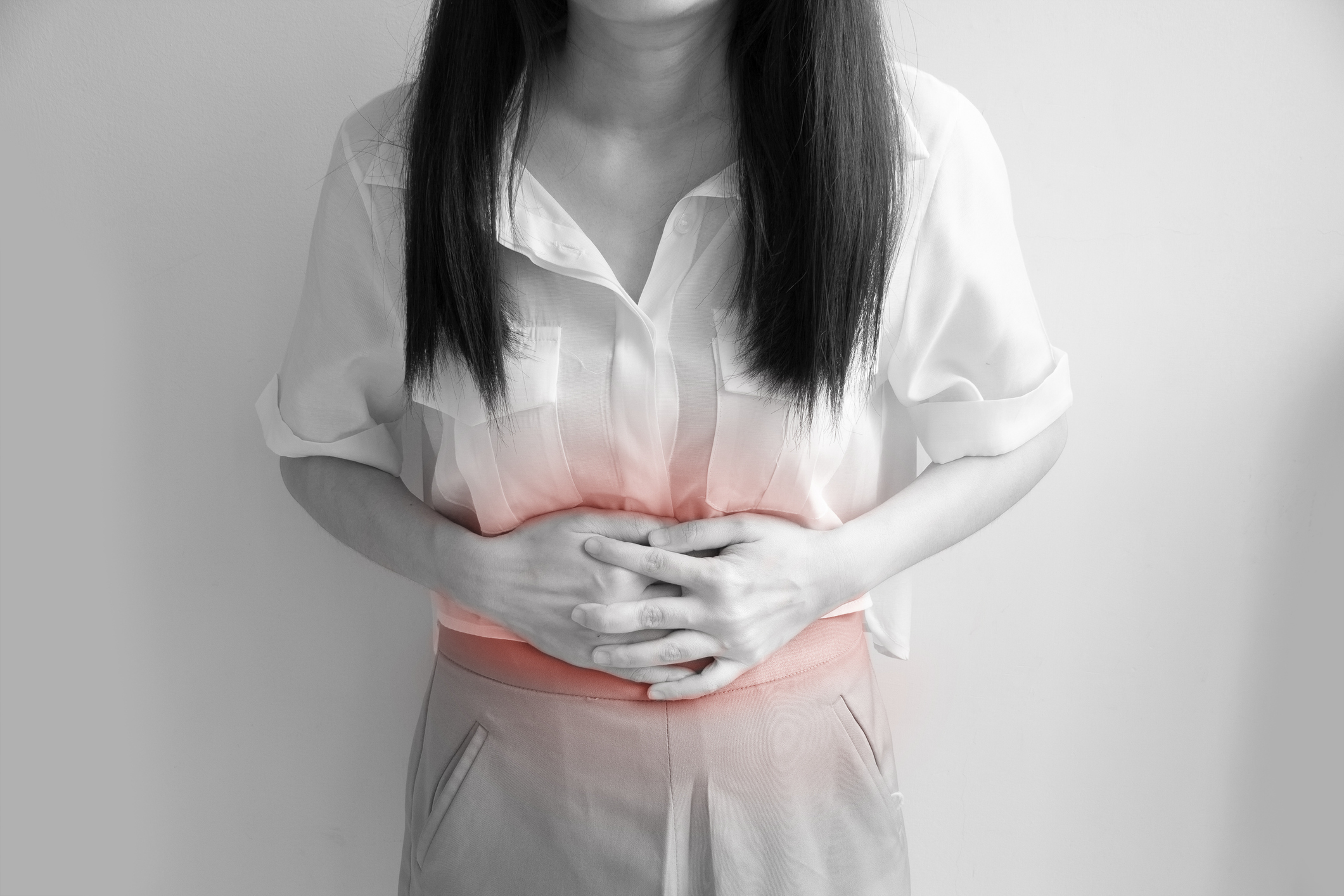
A woman holding her hands to her stomach due to pain from norovirus.Norovirus is a contagious virus that causes gastroenteritis (also known as the stomach flu) to develop. According to the Centers for Disease Control and Prevention (CDC), it is the leading cause of vomiting, diarrhea, and food poisoning in the United States.

Norovirus is most prevalent between the months of November and April. Each year, over 19 million Americans are infected with this virus. Currently, the percentage of positive norovirus test results throughout the United States is over 12%, reaching as high as over 16% in the Northeastern United States.

People with norovirus are most contagious while experiencing symptoms and during the first few days after symptoms subside; however, they can still be contagious over two weeks after they start to feel better. Some specific ways in which norovirus is often transmitted from person to person include:

  • Having direct contact with someone with norovirus, such as by caring for them, sharing food or eating utensils with them, or eating food handled by them
  • Eating food or drinking liquids that are contaminated with norovirus
  • Touching surfaces or objects contaminated with norovirus and then putting your unwashed fingers in your mouth

There are effective steps you can take to protect yourself and others against norovirus. These include:

  • Washing your hands with soap and water for at least 20 seconds after touching surfaces, food, or other people
  • Thoroughly washing fruits and vegetables if you plan to eat them
  • Thoroughly cleaning utensils, plates, bowls, counters, and other frequently-touched surfaces in your home, especially if a sick person has been using them
  • Cooking shellfish to an internal temperature of at least 145° Fahrenheit
  • Washing laundry with detergent and hot water at the maximum available cycle length, then machine drying them at the highest heat setting
  • If you are sick, avoiding preparing food or caring for others for at least 48 hours after your symptoms stop

If you experience vomiting, diarrhea, or other symptoms of norovirus, schedule an appointment with a doctor at Flushing Hospital Medical Center’s Ambulatory Care Center as soon as possible by calling (718) 670-5486.

All content of this newsletter is intended for general information purposes only and is not intended or implied to be a substitute for professional medical advice, diagnosis or treatment. Please consult a medical professional before adopting any of the suggestions on this page. You must never disregard professional medical advice or delay seeking medical treatment based upon any content of this newsletter. PROMPTLY CONSULT YOUR PHYSICIAN OR CALL 911 IF YOU BELIEVE YOU HAVE A MEDICAL EMERGENCY.

How Can Wearing Gloves Get You Sick?

We wear gloves during this time of year to protect ourselves from the cold, wintery elements. These accessories are meant to serve as a layer of defense, but could they actually contribute to getting us sick during cold and flu season?

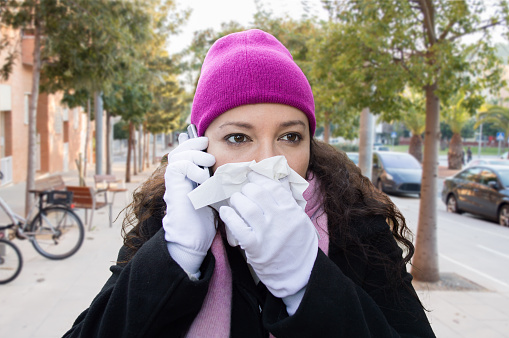
While outer garments like gloves serve a very important function in keeping us warm, they can also be the potential transmitter of harmful germs if they are not washed regularly. When you think about it, we use our gloves when we open doors, hold escalator rails, and ride the train, all of which are breeding grounds for viruses. After touching these things, we might use our glove covered hands to scratch our noses and cover our mouths. In a pinch, we might even use our gloves to wipe our nose when a tissue isn’t available.  These actions can take place every day for the duration of the winter, but ask yourself when was the last time you washed your gloves? The fact is gloves pick up everything bare hands do and very few people wash their gloves frequently enough.

It is estimated that certain viruses such as the flu can live on your gloves for two to three days, while stomach viruses, such as the rotavirus and norovirus can remain active for up to a month.

To avoid getting sick from your gloves, follow these simple tips:

  • Wash them at least once a week. Cotton products are easiest to clean by using a washing machine while wool products need to be hand washed. Leather gloves will require dry cleaning
  • Never use your mouth to pull off your gloves. The best way to remove your gloves is from back to front, similar to healthcare workers
  • If you are wearing your gloves in snowy or wet conditions, allow them to air dry rather than shoving them into your pockets or into the sleeve of your coat.
  • Avoid touching ATMs, elevator buttons, railings, or shopping carts with a gloved hand. It is much easier to sanitize your bare hand than it is to clean your gloves
  • Always wash your hands after removing your gloves to avoid contamination

Following these steps can reduce the chances of getting sick this winter.

All content of this newsletter is intended for general information purposes only and is not intended or implied to be a substitute for professional medical advice, diagnosis or treatment. Please consult a medical professional before adopting any of the suggestions on this page. You must never disregard professional medical advice or delay seeking medical treatment based upon any content of this newsletter. PROMPTLY CONSULT YOUR PHYSICIAN OR CALL 911 IF YOU BELIEVE YOU HAVE A MEDICAL EMERGENCY.