Pneumonia

Pneumonia is an infection that inflames the air sacs in one or both lungs. The air sacs may fill with fluid or pus, causing a cough with phlegm or pus, fever, chills, and difficulty breathing.  

Pneumonia can range in severity from mild to life-threatening. It is more serious for infants and young children, people older than 65 years old, and people with health problems or weakened immune systems.  

The signs and symptoms of pneumonia can vary depending on factors such as the type of germ causing the infection, age, and overall health. Signs and symptoms of pneumonia may include: 

  • Chest pain when breathing or coughing 
  • Confusion or changes in mental awareness; this occurs in adults 65 or older 
  • A phlegm-producing cough 
  • Fatigue 
  • Fever, sweating, and shaking chills 
  • Lower than normal body temperature; this occurs in adults older than 65 and people with weakened immune systems 
  • Nausea, vomiting, or diarrhea 
  • Shortness of breath 

Many germs can cause pneumonia. The most common are bacteria and viruses in the air we breathe. The body usually prevents these germs from infecting the lungs, but these germs can sometimes overpower the immune system, even if a person is generally healthy.  

Pneumonia is classified according to the types of germs that cause it and where the infection was contracted. 

Community-acquired pneumonia is the most common type of pneumonia. It occurs outside of hospitals or other healthcare facilities. It may be caused by: 

  • Bacteria 
  • Bacteria-like organisms 
  • Fungi 
  • Viruses, such as COVID-19 

Some people can get pneumonia during a hospital stay for another illness. Hospital-acquired pneumonia can be serious because the bacteria causing it may be more resistant to antibiotics and because the people who get it are already sick. People who are on breathing machines, often used in intensive care units, are at a higher risk of this type of pneumonia.  

Healthcare-acquired pneumonia is a bacterial infection that occurs in people who live in long-term care facilities or who receive care in outpatient clinics, including kidney dialysis centers. Like hospital-acquired pneumonia, healthcare-acquired pneumonia can be caused by bacteria that are more resistant to antibiotics.  

Aspiration pneumonia occurs when a person inhales food, a drink, vomit, or saliva into their lungs. Aspiration is more likely if something disturbs the normal gag reflex, such as a brain injury or swallowing problem, or excessive use of alcohol or drugs.  

There are many steps you can take to prevent pneumonia, including: 

  • Getting vaccinated 
  • Making sure children are vaccinated 
  • Practicing good hygiene 
  • Quitting smoking 
  • Keeping your immune system strong 

To diagnose pneumonia, a doctor will start by asking about your medical history and performing a physical exam, including listening to your lungs with a stethoscope to check for abnormal bubbling or crackling sounds that may suggest pneumonia.  

If pneumonia is suspected, a doctor may recommend the following tests: 

  • Blood tests 
  • Chest X-ray 
  • Pulse oximetry 
  • Sputum test 

A doctor might order additional tests for a person 65 years or older, is in the hospital, or has serious symptoms or health conditions. These tests may include a CT scan and/or a pleural fluid culture. 

Treatment for pneumonia involves curing the infection and preventing complications. People who have contracted community-acquired pneumonia usually can be treated at home with medication. Although most symptoms ease in a few days or weeks, the tiredness feeling can persist for a month or more. Specific treatments depend on the type and severity of pneumonia, age, and overall health. These treatments include: 

  • Antibiotics 
  • Cough medicine 
  • Fever reducers/pain relievers 

If you or a loved one is experiencing symptoms of pneumonia, you can receive treatment from a physician at Flushing Hospital Medical Center’s Ambulatory Care Center. To schedule an appointment, please call (718) 670-5486. 

All content of this newsletter is intended for general information purposes only and is not intended or implied to be a substitute for professional medical advice, diagnosis or treatment. Please consult a medical professional before adopting any of the suggestions on this page. You must never disregard professional medical advice or delay seeking medical treatment based upon any content of this newsletter. PROMPTLY CONSULT YOUR PHYSICIAN OR CALL 911 IF YOU BELIEVE YOU HAVE A MEDICAL EMERGENCY.

“Razor Blade Throat” Covid Variant

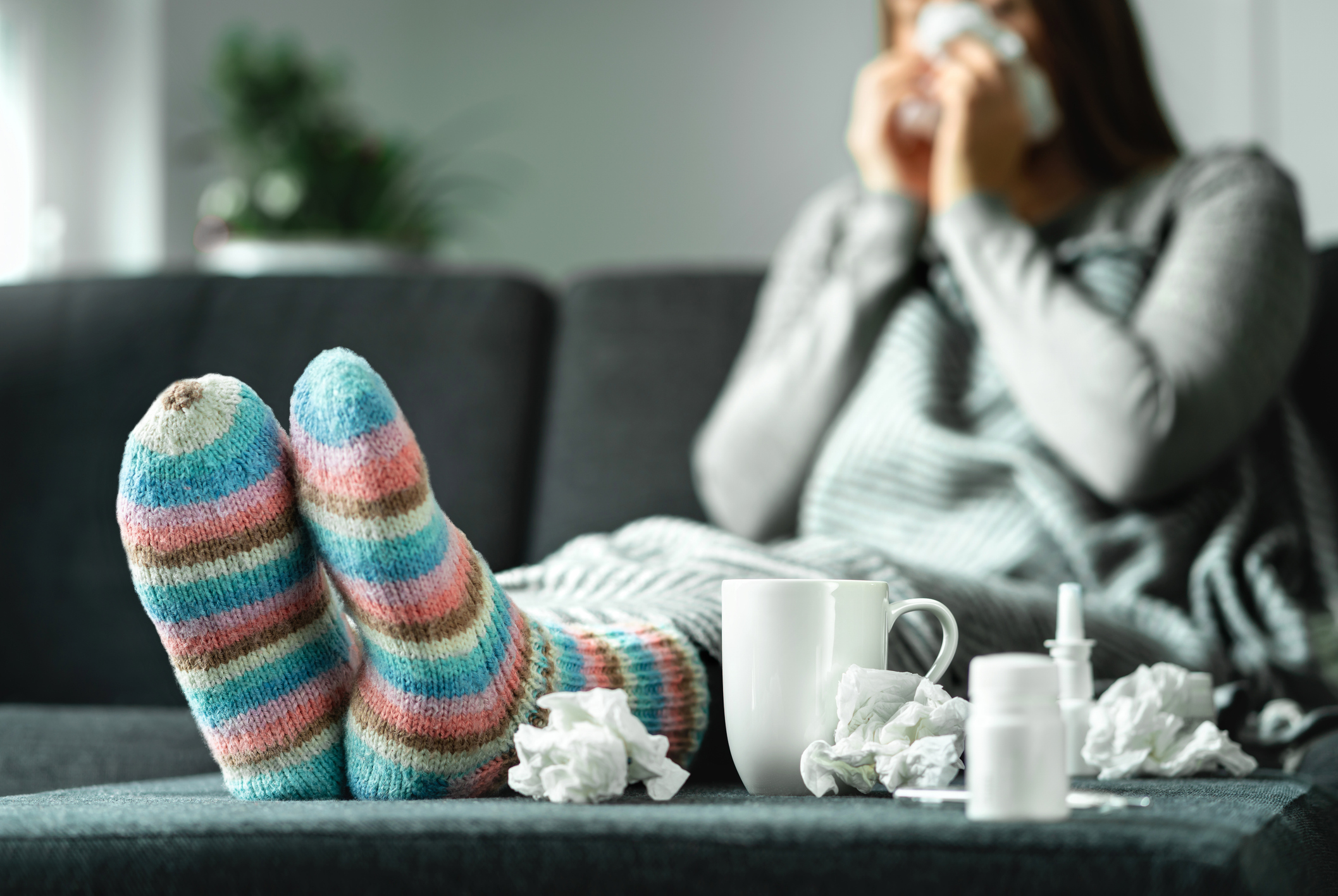
The latest COVID-19 variant, NB. 1.8.1 or “Nimbus”, has been rapidly spreading in the U.S. and is associated with a severe symptom, a sore throat described as “razor blade throat”.

Since it was first discovered in the U.S. in March, NB.1.8.1 has become the nation’s dominant strain of COVID-19. It accounted for an estimated 43% of cases in June, according to the Centers for Disease Control and Prevention (CDC).

COVID-19 viruses bind to ACE2 receptors that are found on the surface of cells. Cells in the upper airway (nose and throat) have more ACE2 receptors than those in the lower airway and lungs do, making them prime targets for Omicron variants, which bind to these receptors more strongly. Research suggests that of all the variants circulating now, Nimbus binds to ACE2 receptors the most.

Once the virus reaches those cell receptors in and around your throat, the immune system kicks into overdrive to keep the virus at bay, causing inflammation, fluid buildup, redness, and swelling.

If you do experience an intense sore throat, experts recommend several remedies, including:

  • Honey
  • Cough drops
  • Throat spray
  • Gargling with salt water
  • Over-the-counter pain relievers

If you do catch COVID, you may experience other common symptoms besides a sore throat, such as:

  • Fever or chills
  • Cough
  • Congestion or a runny nose
  • New loss of taste or smell
  • Fatigue
  • Muscle or body aches
  • Headache
  • Nausea or vomiting
  • Diarrhea

Most healthy people will recover from COVID without treatment. However, experts still recommend talking to a healthcare provider if you test positive. Even if you are not at risk of severe illness, treatment from a healthcare provider may be able to lower your risk of long COVID.

If you are experiencing symptoms of N.B.1.8.1, such as a “razor blade throat”, you can schedule an appointment with a doctor at Flushing Hospital’s Ambulatory Care Center by calling (718) 670-5486.


All content of this newsletter is intended for general information purposes only and is not intended or implied to be a substitute for professional medical advice, diagnosis or treatment. Please consult a medical professional before adopting any of the suggestions on this page. You must never disregard professional medical advice or delay seeking medical treatment based upon any content of this newsletter. PROMPTLY CONSULT YOUR PHYSICIAN OR CALL 911 IF YOU BELIEVE YOU HAVE A MEDICAL EMERGENCY.

Staying Safe from the Quad-emic of the flu, RSV, COVID-19, and the Norovirus

Winter is usually a prime season for flu and RSV cases to rise. However, in recent years, COVID-19 and norovirus infections have been added to the list of winter illnesses creating a “quad-emic”. A quad-emic means these four viral illnesses are spreading simultaneously.

It is important to know when you, a loved one, or a child are showing signs and symptoms of any of the four illnesses to seek immediate care. These contagious viruses can cause health complications and hospitalization, especially for those in high-risk populations if they are left untreated. High-risk people include:

  • Children
  • Elderly people
  • Pregnant women
  • Those with preexisting health conditions such as asthma and heart conditions

Influenza is a highly contagious viral respiratory tract infection that can cause severe illness and life-threatening complications (including pneumonia). Flu cases typically rise in the winter. A flu vaccine reduces the risk of infection, but it is still possible to get the flu if stronger strains form or if you are considered high-risk.

COVID-19 is a respiratory tract infection caused by the SARS-CoV-2 virus. It is highly contagious and symptoms vary from person to person. Even if you are vaccinated or have immunity from a past infection, you may still be at risk as new variants form.

Respiratory syncytial virus or RSV, is a common respiratory virus that infects the nose, throat, and lungs. RSV symptoms are similar to COVID-19 and the flu and are very dangerous for infants, young children, and older adults.

Norovirus, also known as the stomach flu causes vomiting and diarrhea and is extremely contagious.

Symptoms of the quad-emic illnesses include:

  • Fever
  • Coughing
  • Shortness of breath
  • Diarrhea
  • Vomiting
  • Runny nose
  • Body aches
  • Sore throat
  • Headache
  • Loss of taste or smell
  • Fatigue

Treatment will vary by severity of the symptoms and by diagnosis. Some cases can be treated at home with over-the-counter medications, but others may need prescription medication. Your healthcare provider will advise you on the best treatment plan. If you are considered high-risk, they will monitor your symptoms to ensure they aren’t getting worse.

Ways to help to reduce the risk of infection include:

  • Practicing good hygiene such as washing your hands
  • Covering your mouth when coughing or sneezing
  • Staying isolated if you are feeling sick to avoid spreading it to others
  • Getting vaccinated for the flu and COVID-19

If you are experiencing any of these quad-emic illness symptoms, visit Flushing Hospital Medical Center’s Ambulatory Care Center. To schedule an appointment, please call (718) 670-5486. If there is an emergency, please call 911.


All content of this newsletter is intended for general information purposes only and is not intended or implied to be a substitute for professional medical advice, diagnosis or treatment. Please consult a medical professional before adopting any of the suggestions on this page. You must never disregard professional medical advice or delay seeking medical treatment based upon any content of this newsletter. PROMPTLY CONSULT YOUR PHYSICIAN OR CALL 911 IF YOU BELIEVE YOU HAVE A MEDICAL EMERGENCY.

National Handwashing Awareness Week

The first week in December is marked as National Handwashing Awareness Week. Flushing Hospital Medical Center believes that Infection prevention is important to all of us and each of us has a valuable role to play in keeping patients safe from infection.

According to the CDC, handwashing is one of the best “do-it-yourself” precaution —it involves five simple and effective steps (Wet, Lather, Scrub, Rinse, Dry) you can take to reduce the spread of diarrhea and respiratory illness so you can stay healthy. Regular handwashing, particularly before and after certain activities, is one of the best ways to remove germs, avoid getting sick, and prevent the spread of germs to others.

It’s quick, it’s simple, and it can keep us all from getting sick. Handwashing is a win for everyone, except the germs.


All content of this newsletter is intended for general information purposes only and is not intended or implied to be a substitute for professional medical advice, diagnosis or treatment. Please consult a medical professional before adopting any of the suggestions on this page. You must never disregard professional medical advice or delay seeking medical treatment based upon any content of this newsletter. PROMPTLY CONSULT YOUR PHYSICIAN OR CALL 911 IF YOU BELIEVE YOU HAVE A MEDICAL EMERGENCY.
Immunity-Boosting Tips To Help You Stay Healthy This Holiday Season

The holiday season is here and to increase your chances of staying healthy and enjoying all the festivities that are associated with this time of year, Flushing Hospital is sharing the following tips to help you boost your immune system and avoid illness during this time of year.

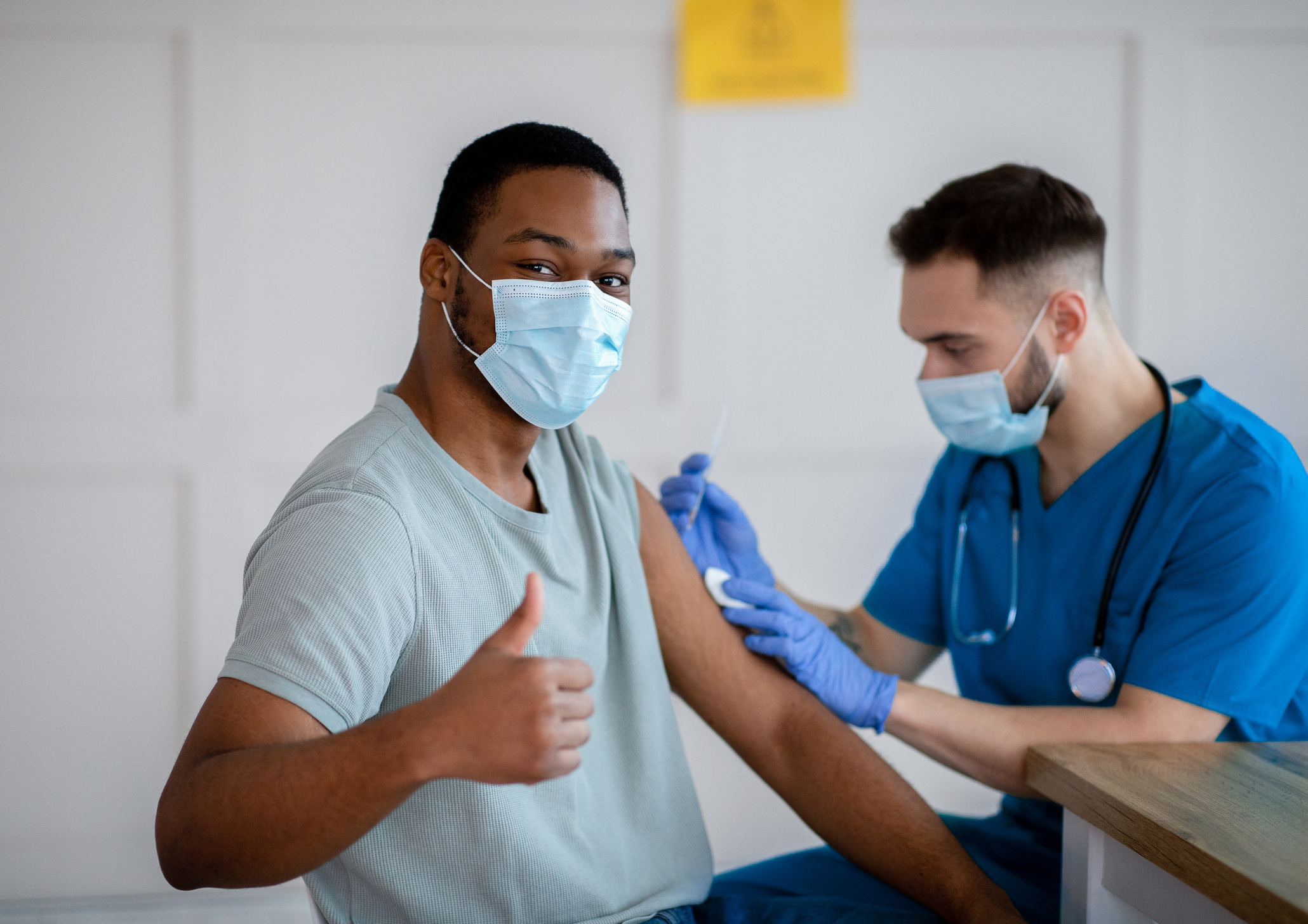
  • Protect yourself against illness– taking certain preventive measures like washing your hands, wearing a mask whenever possible and taking Vitamin D can decrease your chances of getting sick. Also. getting vaccinated against COVID-19 and the flu can provide protection against serious complications from those viruses.
  • Get the appropriate amount of sleep – With all the shopping, wrapping, decorating, and baking, the holiday season can be very busy time of year. Even though you might find yourself overwhelmed around the holidays, it’s important to get the recommended amount of sleep each night (seven to nine hours for adults) to help keep your immunity levels high.
  • Eat healthy – Making healthy and nutritious food choices can give your immune system a big boost. Conversely, making unhealthy food choices can negatively affect your immunity to illness. Some foods that can potentially boost your immune system include garlic, whole grains, such as oats or quinoa, and yogurt.
  • Make time for exercise – Regular exercise can not only help keep your immune system running by supporting overall health and wellness, but recent research has suggested that it can also boost it by improving circulation, relieving stress, promoting “good” bacteria in your gut.
  • Enjoy time with family and friends – If the pandemic has taught us one thing, it is the importance that social interactions have on our mental well-being. Spending time with loved ones not only can reduce stress and make us happy, but studies have found that, if done responsibly and when following the appropriate safety precautions, it can also positively impact our immune system.

We hope these wellness tips will help you stay healthy and safe this holiday season.

All content of this newsletter is intended for general information purposes only and is not intended or implied to be a substitute for professional medical advice, diagnosis or treatment. Please consult a medical professional before adopting any of the suggestions on this page. You must never disregard professional medical advice or delay seeking medical treatment based upon any content of this newsletter. PROMPTLY CONSULT YOUR PHYSICIAN OR CALL 911 IF YOU BELIEVE YOU HAVE A MEDICAL EMERGENCY.

Flushing Hospital Provides Information About The COVID Pill

In the continued fight against COVID-19, there has been some promising news about the development of a COVID pill. However, there are many questions surrounding this form of treatment.

Recently, pharmaceutical companies Pfizer and Merck announced that their anti-viral pills could minimize the effects of the virus for those who contract it. These medications are similar to other anti-viral medications currently used to combat the flu and other viruses. Pfizer claims its pill can decrease the likelihood of death or hospitalization by 89% if taken within three days of symptoms starting. Merck states its capsule can reduce similar risks by 50%.

Neither of the anti-viral medications are currently available as Merck and Pfizer have either already applied to the Food and Drug Administration for emergency use or are in the process of doing so and both are waiting for approval as there is still a lot we need to learn.

While this news is encouraging, it is important to understand that if or when these pills become available, they should not be considered a cure. Unlike antibiotics, which work to kill bacterial infections, anti-viral medications usually work to lessen the symptoms of the virus. These pills would also need to be taken during the early stages of the viral infection to be effective. They should only be considered as important additions to other hospital-based treatments.

One concern of many health professionals is that those individuals who are averse to the vaccine will use the existence of the anti-viral medications as an excuse not to get vaccinated, believing that they can get treated by the medications should they contract COVID-19. This philosophy can be misguided as vaccines remain the best protection against the virus.

Another fear among doctors is that people taking the anti-viral pills will not follow appropriate medication adherence. For instance, Merck’s anti-viral pill is required to be taken as a batch of four pills, twice a day, for five days. This medication will be ineffective if it is not taken as directed.

These anti-viral medications have the potential to decrease complications and hospitalizations and make COVID-19 a much more manageable disease, but more time is needed to test their safety and efficacy. Until then, it is recommended that anyone who is eligible receive the COVID vaccine.

All content of this newsletter is intended for general information purposes only and is not intended or implied to be a substitute for professional medical advice, diagnosis or treatment. Please consult a medical professional before adopting any of the suggestions on this page. You must never disregard professional medical advice or delay seeking medical treatment based upon any content of this newsletter. PROMPTLY CONSULT YOUR PHYSICIAN OR CALL 911 IF YOU BELIEVE YOU HAVE A MEDICAL EMERGENCY.

Flushing Hospital Provides Information on mRNA Vaccines

With more and more Americans becoming eligible to receive their COVID-19 vaccine, questions about what type of vaccines are being administered and how they work are very common.  Flushing Hospital Medical Center, with the help of the Centers for Disease Control and Prevention (CDC)would like provide our community with the facts about Messenger RNA (or mRNA) vaccines.

According to the CDC, mRNA vaccines are a new type of vaccine to protect against infectious diseases. To trigger an immune response, many vaccines put a weakened or inactivated germ into our bodies. Not mRNA vaccines. Instead, they teach our cells how to make a protein—or even just a piece of a protein—that triggers an immune response inside our bodies. That immune response, which produces antibodies, is what protects us from getting infected if the real virus enters our bodies.

It is important to note the following facts about the mRNA vaccines

  • They do not use the live virus that causes COVID-19
  • They cannot give someone COVID-19
  • They do not interact with our DNA in any way
  • mRNA never enters the nucleus of the cell, which is where our DNA is kept
  • The cell breaks down and gets rid of the mRNA soon after it is finished using the instructions.

mRNA vaccines are new, but they are not unknown.  Researchers have been studying and working with mRNA vaccines for decades. Interest has grown in these vaccines because they can be developed in a laboratory using readily available materials. This means the process can be standardized and scaled up, making vaccine development faster than traditional methods of making vaccines. Even though they are new, mRNA vaccines are held to the same rigorous safety standards by the U.S. Food and Drug Administration (FDA).

Future mRNA vaccine technology may allow for one vaccine to provide protection for multiple diseases, thus decreasing the number of shots needed for protection against common vaccine-preventable diseases. Beyond vaccines, cancer research has used mRNA to trigger the immune system to target specific cancer cells.

All content of this newsletter is intended for general information purposes only and is not intended or implied to be a substitute for professional medical advice, diagnosis or treatment. Please consult a medical professional before adopting any of the suggestions on this page. You must never disregard professional medical advice or delay seeking medical treatment based upon any content of this newsletter. PROMPTLY CONSULT YOUR PHYSICIAN OR CALL 911 IF YOU BELIEVE YOU HAVE A MEDICAL EMERGENCY.

COVID-19 and GI Symptoms

People are more likely to develop viral gastroenteritis or the stomach flu during this time of year. Symptoms that can result from this illness include nausea, vomiting or diarrhea

Although symptoms of the stomach flu are common and often mild, it is important that they are not ignored because they may be indicative of a COVID-19 infection.

According to the Centers for Disease Control and Prevention (CDC), many people with COVID-19, experience gastrointestinal (GI) symptoms, sometimes prior to having a fever and lower respiratory tract signs. Therefore, if you are experiencing GI issues, you should watch for other COVID-19 symptoms such as shortness of breath or coughing as a precaution.

COVID-19 and viral gastroenteritis are both highly contagious. If you are concerned about a possible infection or experiencing symptoms of either illness, you should speak with a physician.  Your doctor can assess your condition and order tests to determine if you have COVID-19 or a gastrointestinal illness.

To schedule an appointment with a doctor at Flushing Hospital Medical Center, please call 718-670-5486.

All content of this newsletter is intended for general information purposes only and is not intended or implied to be a substitute for professional medical advice, diagnosis or treatment. Please consult a medical professional before adopting any of the suggestions on this page. You must never disregard professional medical advice or delay seeking medical treatment based upon any content of this newsletter. PROMPTLY CONSULT YOUR PHYSICIAN OR CALL 911 IF YOU BELIEVE YOU HAVE A MEDICAL EMERGENCY.

What Is Herd Immunity?

The existence of COVID-19 has introduced us to many new terms that we may not completely understand. One of those terms is “herd immunity.”

Herd immunity describes how the spread of a contagious disease can be controlled after a large enough portion of the population, (referred to as “the herd”) becomes immune.

A disease is most contagious when everyone in the community is at risk of contracting it. If a sizable percentage becomes immune however, it makes it harder for the disease to reach those susceptible because the herd blocks its ability to reach them.  As a result, the entire community becomes better protected.

There are two ways to achieve herd immunity: vaccination or infection and recovery.

  • Vaccination – Vaccines create immunity without causing illness or resulting complications. Vaccines have successfully controlled deadly contagious diseases such as smallpox, polio, diphtheria, rubella and many others. Herd immunity by vaccination protects people who are unable to be vaccinated due to age or other conditions.
  • Natural infection – Herd immunity can also be reached when a sufficient number of people in the population have recovered from a disease and have developed antibodies against future infection. For example, those who survived the 1918 flu (influenza) pandemic were later immune to infection to the H1N1 flu, a subtype of influenza A.

The percentage of a community that needs to be immune in order to achieve herd immunity varies from disease to disease. The more contagious a disease is, there will need to be a greater proportion of the population that is immune to the disease to stop its spread. For example, the measles is a highly contagious illness, therefore it’s estimated that 94% of the population must be immune to interrupt the chain of transmission.

It is important to note that while herd immunity can reduce the risk of getting a disease, it does not prevent it. Until an effective COVID-19 vaccine is developed, it is important to follow all safety guidelines to protect against the transmission of the virus, including:

  • Avoiding large events and mass gatherings.
  • Avoiding close contact with others, (within 6 feet).
  • Washing your hands often with soap and water for at least 20 seconds, or use an alcohol-based hand sanitizer that contains at least 60% alcohol.
  • Wearing a face mask or covering in public spaces.
  • Covering your mouth and nose with your elbow or a tissue when you cough or sneeze.
  • Avoiding touching your eyes, nose and mouth.
  • Avoiding sharing dishes, glasses, bedding and other household items if you’re sick.
  • Cleaning and disinfect high-touch surfaces daily.
  • Staying home from work, school and public areas if you’re sick, unless you’re going to get medical care.

All content of this newsletter is intended for general information purposes only and is not intended or implied to be a substitute for professional medical advice, diagnosis or treatment. Please consult a medical professional before adopting any of the suggestions on this page. You must never disregard professional medical advice or delay seeking medical treatment based upon any content of this newsletter. PROMPTLY CONSULT YOUR PHYSICIAN OR CALL 911 IF YOU BELIEVE YOU HAVE A MEDICAL EMERGENCY.