Coping with Depression during the Holiday Season

The holiday season is filled with bright lights and festive cheer. However, this time of year can, unfortunately, bring feelings of loneliness, isolation, grief, and sadness for both those with clinical depression as well as those who aren’t depressed.

Holiday depression feels a lot like regular depression, but it is triggered by the onset of the holidays, holiday get-togethers, large family gatherings, and attending or hosting social events. Holiday depression is similar to the “winter blues”, but it may come and go in quick bursts as one event ends and another begins, or it can linger for the days or weeks leading up to and beyond the holiday season.

There are several causes of holiday depression including:

  • Stressful schedules
  • Putting pressure on yourself
  • Separation from loved ones
  • Loneliness
  • Family dynamics
  • Social anxiety
  • Holiday trauma

Signs of holiday depression may include:

  • Feeling depressed and hopeless for more days than not
  • Loss of interest in things you used to enjoy
  • Constantly feeling anxious, nervous, or on edge more often
  • Trouble sleeping over an extended period
  • Intrusive thoughts that are difficult to manage on your own
  • Thoughts of self-harm or suicide

No matter the cause of your low mood or negative feelings, several healthy coping strategies can help you prepare for and get through the festive months when you’re managing depression. Here are some coping strategies to consider this holiday season:

  • Seek support and help from a mental health professional
  • Stay active and get outdoors
  • Share how you’re feeling with trusted loved ones
  • Assess your relationships and set boundaries
  • Limit social media use
  • Set aside time for yourself and prioritize self-care
  • Practice relaxation
  • Consider volunteering throughout the holiday season
  • Remember a cherished loved one who passed on
  • Create a coping sheet or depression toolkit

To learn more about our outpatient mental health services at Flushing Hospital Medical Center or to schedule a virtual appointment, please call (718) 670-5316 to speak with our intake coordinator or (718) 670-5562 to reach the clinic.


All content of this newsletter is intended for general information purposes only and is not intended or implied to be a substitute for professional medical advice, diagnosis or treatment. Please consult a medical professional before adopting any of the suggestions on this page. You must never disregard professional medical advice or delay seeking medical treatment based upon any content of this newsletter. PROMPTLY CONSULT YOUR PHYSICIAN OR CALL 911 IF YOU BELIEVE YOU HAVE A MEDICAL EMERGENCY.

National Immunization Awareness Month

August is National Immunization Awareness Month or NIAM. It is an annual observance highlighting the importance of getting routine vaccinations for people of all ages. 

Vaccines work by stimulating the immune system to protect our bodies against viruses or bacteria that cause infection. After vaccination, the immune system is better prepared to respond quickly when the body encounters disease-causing organisms.

Vaccinations are important at every stage of life. They are one of the safest preventative care measures available and help play a vital role in keeping you healthy. When you skip vaccines, you leave yourself vulnerable to illnesses such as shingles, influenza (flu), and both HPV and hepatitis B which are leading causes of cancer. 

Getting vaccinated also helps keep your family and community healthy, as vaccinations can help lessen the severity of illness and keep diseases from spreading. Additionally, vaccinations help protect those most vulnerable to illness, such as infants, elders, and people with weakened immune systems. 

If you or a loved one would like to get vaccinated, schedule an appointment with a physician at Flushing Hospital’s Department of Internal Medicine or your primary care physician as soon as possible.

To schedule an appointment for you or a loved one to get up to date on vaccinations, you can call Flushing Hospital Medical Center’s Ambulatory Care Center at (718) 670-5486.

All content of this newsletter is intended for general information purposes only and is not intended or implied to be a substitute for professional medical advice, diagnosis or treatment. Please consult a medical professional before adopting any of the suggestions on this page. You must never disregard professional medical advice or delay seeking medical treatment based upon any content of this newsletter. PROMPTLY CONSULT YOUR PHYSICIAN OR CALL 911 IF YOU BELIEVE YOU HAVE A MEDICAL EMERGENCY.

Senior Summer Health Tips

Rising summer temperatures can be unbearable for everyone. They can be even worse for senior citizens because they can be severely affected by heat-related illnesses. Some heat-related illnesses include:

  • Heat exhaustion
  • Heatstroke
  • Heat syncope
  • Dehydration
  • Heat cramps
  • Heat edema
  • Heat rash
  • Sunburn

Older adults are at higher risk for heat-related illnesses and death. Factors that put older adults at greater risk include:

  • Health problems such as heart, lung, or kidney disease.
  • Skin changes that are caused by normal aging.
  • Any illness that causes weakness or results in a fever.
  • Drugs such as diuretics, sedatives, tranquilizers, and some heart and high blood pressure medications can make it harder for the body to cool itself off.
  • Being on several prescription drugs at the same time.
  • Being obese, overweight, or underweight.
  • Drinking alcoholic beverages.
  • Living in places without air conditioning or fans.
  • Dehydration.

Hot summer days can make it difficult for the body to regulate its temperature. Especially for older adults. Here are some tips to keep them safe and prevent heat-related illnesses:

  • Stay away from direct sun exposure as much as possible.
  • Spend as much time in air-conditioned spaces as possible.
  • Stay hydrated.
  • Wear loose and light-colored clothing and a wide-brimmed hat.
  • Take cool showers and baths.
  • Avoid exercising outdoors and other physical activity when it’s hot.
  • Wear broad-spectrum sunscreen that is SPF 15 or higher and reapply throughout the day.
  • Find out if certain medications can contribute to heat-related illnesses.

If you are experiencing any heat-related symptoms, you can schedule an appointment at Jamaica Hospital Medical Center’s Cardiology Department by calling (718) 206-7100. If you are experiencing an emergency, please dial 911 right away.


All content of this newsletter is intended for general information purposes only and is not intended or implied to be a substitute for professional medical advice, diagnosis or treatment. Please consult a medical professional before adopting any of the suggestions on this page. You must never disregard professional medical advice or delay seeking medical treatment based upon any content of this newsletter. PROMPTLY CONSULT YOUR PHYSICIAN OR CALL 911 IF YOU BELIEVE YOU HAVE A MEDICAL EMERGENCY.

Grilling Safety Tips

Let the summer cookouts begin!

We all enjoy delicious food fresh off the grill. Whether you’re using a charcoal or a gas grill, here are some tips to help you grill safely:

  • Grill in well-ventilated areas. Never use an outdoor grill indoors.
  • Open your gas grill before lighting to make sure gas doesn’t build up under the top.
  • Wear proper clothing.
    • Don’t wear any loose clothing.
    • Roll up your sleeves.
    • Pull your hair back.
    • Tie and secure apron strings.
  • Keep a fire extinguisher within reach.
  • Keep combustibles like lighter fluid and cooking sprays at a safe distance away from the grill.
    • Never add lighter fluid to hot coals.
    • Never use gasoline or kerosene as a starter fluid.
  • Create a safe zone around the grill.
    • Keep children, pets, and play areas away from the grill.
    • Mark a three-foot “No Kids Zone” around your grill.
  • Keep the grill at least 10 feet away from buildings.
  • Check the grill for leaks if you are using a gas grill.
  • Make sure the grill is on a flat and level surface.
  • Always clean the grill after use to remove grease that can start a fire.
  • Keep a spray bottle full of water next to the grill to extinguish any small flames before they spread.
  • Never leave the grill unattended.
  • Never use the grill while intoxicated.
  • Place used coals from the grill in a metal can with a lid once they have cooled off.

If you or someone you are with are experiencing an emergency, call 911 immediately.


All content of this newsletter is intended for general information purposes only and is not intended or implied to be a substitute for professional medical advice, diagnosis or treatment. Please consult a medical professional before adopting any of the suggestions on this page. You must never disregard professional medical advice or delay seeking medical treatment based upon any content of this newsletter. PROMPTLY CONSULT YOUR PHYSICIAN OR CALL 911 IF YOU BELIEVE YOU HAVE A MEDICAL EMERGENCY.

Top Summer Health Concerns and How to Prevent Them

Summer is in full swing, so most of our time will be spent outside doing various activities. However, there are many health concerns to consider.

Here are some summer health concerns and how to prevent them:

  1. Dehydration

Up to 78% of the human body is made of water, when it doesn’t get enough of it, it can’t function properly. In high heat, dehydration can become severe and fatal.

To prevent dehydration, it is important to stay hydrated. You can do this by drinking water and eating water-rich foods. Staying properly hydrated can also prevent kidney stones.

  1. Sunburns

A sunburn is when UV or ultraviolet rays from the sun cause a radiation burn on the skin. Sunburns can contribute to premature aging of skin and skin cancer. It can also lead to dehydration, sun poisoning, and infection from severe burns.

To prevent sunburn, wear sunscreen containing titanium oxide or zinc oxide every day, even on overcast days. Make sure to cover your entire body, including your ears, eyelids, lips, scalp, and if exposed, the top of your feet.

  1. Heat illnesses

Spending time in the sun doesn’t only bring the risks of sunburn and dehydration. It also brings the risk of heat illnesses which include:

  • Heat rash- a red stinging rash that develops when sweat gets trapped in your glands.
  • Heat cramps- are painful muscle cramps that occur when you sweat so much that your body loses salts and fluids.
  • Heat exhaustion- is when your body can’t cool itself through sweating. If it’s not treated, it can quickly turn into heatstroke.
  • Heatstroke- or sunstroke, is when your body temperature climbs to dangerous levels. It’s the most severe heat-related illness and can be fatal.

To prevent heat illnesses, limit the time you spend outdoors. Also, take any symptoms you observe in yourself and others seriously.

  1. Bee stings and insect bites

Since insects are more active during the summer, there’s a higher risk of encountering them. Especially for:

  • Bee stings
  • Mosquito bites
  • Tick bites
  • Ant bites

To prevent bugs from stinging or biting you, wear an insect repellent with the active ingredients DEET or picaridin. Other ways to prevent stings and bites include:

  • Avoid using scented products.
  • Drain any standing water.
  • Put on protective clothing.
  • Don’t leave any food uncovered outside.
  1. Drowning

We want to spend more time near water to cool off as temperatures rise. However, it is important to follow proper safety precautions to avoid drowning risks.

Here are some ways to prevent drowning risks:

  • Learn CPR
  • Use drain covers on pool drains.
  • Wear life jackets
  • Sign up for swimming lessons.
  1. Unsafe summer foods

Everybody loves a good summer barbecue or cookout, but sometimes the food we eat doesn’t always love us back.

The smoking process that gives smoked meats their flavor also creates harmful substances called polycyclic aromatic hydrocarbons or PAHs and heterocyclic amines or HCAs. The National Cancer Institute warns that PAHs and HCAs are mutagenic, meaning they can cause changes to your DNA that put you at risk for certain types of cancer.

You can prevent ingesting these harmful substances by using liquid smoke as an alternative marinade for your meats.

Foodborne illness can be a concern for cookout food as well. This is the case for food left out or leftover sitting in the “temperature danger zone” of 40 to 140 degrees Fahrenheit. These temperatures allow bacteria to grow that can make you sick.

You can prevent foodborne illness by cooking meats to a safe temperature and throwing any food that has sat out too long in the trash.

  1. Seasonal allergies

Pollen is a huge problem in the summer as the weather gets warmer and trees, grass, and flowers pollinate.

To prevent seasonal allergies, try taking allergy medications before the season starts so your body can build its defense.

These preventative measures can help you enjoy your summer and keep you safe.

If you or someone you are with are experiencing an emergency, call 911 immediately.


All content of this newsletter is intended for general information purposes only and is not intended or implied to be a substitute for professional medical advice, diagnosis or treatment. Please consult a medical professional before adopting any of the suggestions on this page. You must never disregard professional medical advice or delay seeking medical treatment based upon any content of this newsletter. PROMPTLY CONSULT YOUR PHYSICIAN OR CALL 911 IF YOU BELIEVE YOU HAVE A MEDICAL EMERGENCY.

Extreme Heat Safety Tips

This week, we are expected to experience a highly dangerous heatwave across New York City and the rest of the Northeast and Midwest due to the presence of a heat dome. Starting Wednesday and into the weekend, temperatures are expected to be in the low 90s and could get as high as the mid to high-90s.

A heatwave is when temperatures rise above 90 degrees for at least three days. A heat dome is when a ridge of high pressure builds over an area and doesn’t move for up to a week or more.

Extreme heat causes two heat-related illnesses in that your body can’t control its temperature: heat exhaustion and heatstroke.

Heat exhaustion symptoms include:

  • Heavy sweating
  • Nausea or vomiting
  • Muscle cramps
  • Fatigue
  • Dizziness and fainting

Here are some ways to prevent symptoms of heat exhaustion: Move to a cool place, loosen clothing, use cold compresses, and sip cool (not cold) water.

Heatstroke or Sunstroke symptoms can include:

  • A fever of 104 degrees or more
  • Severe headache
  • Behavioral changes
  • Confusion
  • Hot, red skin
  • No sweating
  • Rapid heartbeat and loss of consciousness

Here are some ways to prevent heatstroke: Quickly move yourself or the individual to a cooler place, use cold compresses, and do not give them anything to drink.

Some overall tips for staying safe in extreme heat include:

  1. Stay hydrated- Drink extra fluids and don’t wait until you’re thirsty.
  2. Wear sunscreen- Apply properly and as recommended to prevent sunburn which can make you dehydrated and affect your ability to cool down.
  3. Limit your time outside- Shorten your exercise time and rest often in shady areas. Try to exercise in the early morning or evening when it is cooler.
  4. Monitor high-risk loved ones- Pay attention to the warning signs of certain illnesses or medical conditions. Extreme heat can be dangerous for everyone, especially for those with a history of:
  • Heart disease
  • Asthma
  • High blood pressure
  • Stroke
  • Obesity
  • Diabetes

Others at risk due to extreme heat include the elderly, young children, those who work outdoors, people with disabilities, those who live alone, those without access to air conditioning, people who take certain medications, and pets.

  1. Check the car- Never leave children or pets in a parked car, even if the windows are cracked open.

Usually, we would look to a cool summer night for relief from a hot summer day. Unfortunately, night temperatures aren’t dropping as they should.

Here are some things you can do before going to bed during the heatwave:

  • Stay hydrated
  • Eat light
  • Dress lightly
  • Look for chances to cool the bedroom
  • Avoid alcohol
  • Set time aside to relax
  • Shower in lukewarm or cool water
  • Find the coolest place to sleep
  • Keep a regular sleep schedule

Extreme heat is the deadliest weather-related hazard in the United States, so it is important to understand the risks of extreme heat and to make a heat emergency plan that works for you and your family.

If you are experiencing any heat-related symptoms, you can schedule an appointment at Jamaica Hospital Medical Center’s Cardiology Department by calling (718) 206-7100.  If you are experiencing an emergency, please dial 911 right away.


All content of this newsletter is intended for general information purposes only and is not intended or implied to be a substitute for professional medical advice, diagnosis or treatment. Please consult a medical professional before adopting any of the suggestions on this page. You must never disregard professional medical advice or delay seeking medical treatment based upon any content of this newsletter. PROMPTLY CONSULT YOUR PHYSICIAN OR CALL 911 IF YOU BELIEVE YOU HAVE A MEDICAL EMERGENCY.

Stroke Awareness Month

An image for National Stroke Awareness Month.May is Stroke Awareness Month. During this time, Flushing Hospital Medical Center is working to educate our community about important stroke facts that can help prevent stroke deaths and increase the likelihood of positive treatment outcomes for our patients.

When looking for warning signs of a stroke, it’s important to B.E.F.A.S.T. If someone you know is suddenly exhibiting the following signs, call 911 for help immediately:

B – Balance loss: A person experiencing a stroke might suddenly lose their balance. 

E – Eye problems: When someone experiences a stroke, they may experience temporary vision loss. 

F – Face drooping: If one side of the person’s face is drooping, ask them if their face feels numb and ask them to smile. You should be concerned if they are unable to smile or their smile is uneven.

A – Arm weakness: Does the individual’s arm feel numb or weak? Ask them to raise both arms and watch to see if one arm drifts downward.

S – Speech difficulty: If the person is trying to speak and they are difficult to understand or their speech is slurred, ask them to say a simple sentence repeatedly.

T – Time to call 911: You should never wait more than five minutes to call 911 if someone is displaying these warning signs.

A person experiencing a stroke may not experience all of these symptoms, or they may not all occur at the same time. Additionally, while these are some of the major warning signs to watch for, there are others that are important to recognize as they appear. Additional symptoms of a stroke can include:

  • Sudden confusion
  • Severe headaches
  • Blurred vision
  • Dizziness
  • Sudden loss of coordination

Stroke is one of the leading causes of death and long-term disability in the United States. Eighty percent of strokes are preventable; by spotting these warning signs and acting quickly, the severity of a stroke can be reduced drastically. Remember, don’t wait; if you believe someone you know is experiencing a stroke, call 911 immediately.

All content of this newsletter is intended for general information purposes only and is not intended or implied to be a substitute for professional medical advice, diagnosis or treatment. Please consult a medical professional before adopting any of the suggestions on this page. You must never disregard professional medical advice or delay seeking medical treatment based upon any content of this newsletter. PROMPTLY CONSULT YOUR PHYSICIAN OR CALL 911 IF YOU BELIEVE YOU HAVE A MEDICAL EMERGENCY.

Seasonal Allergies

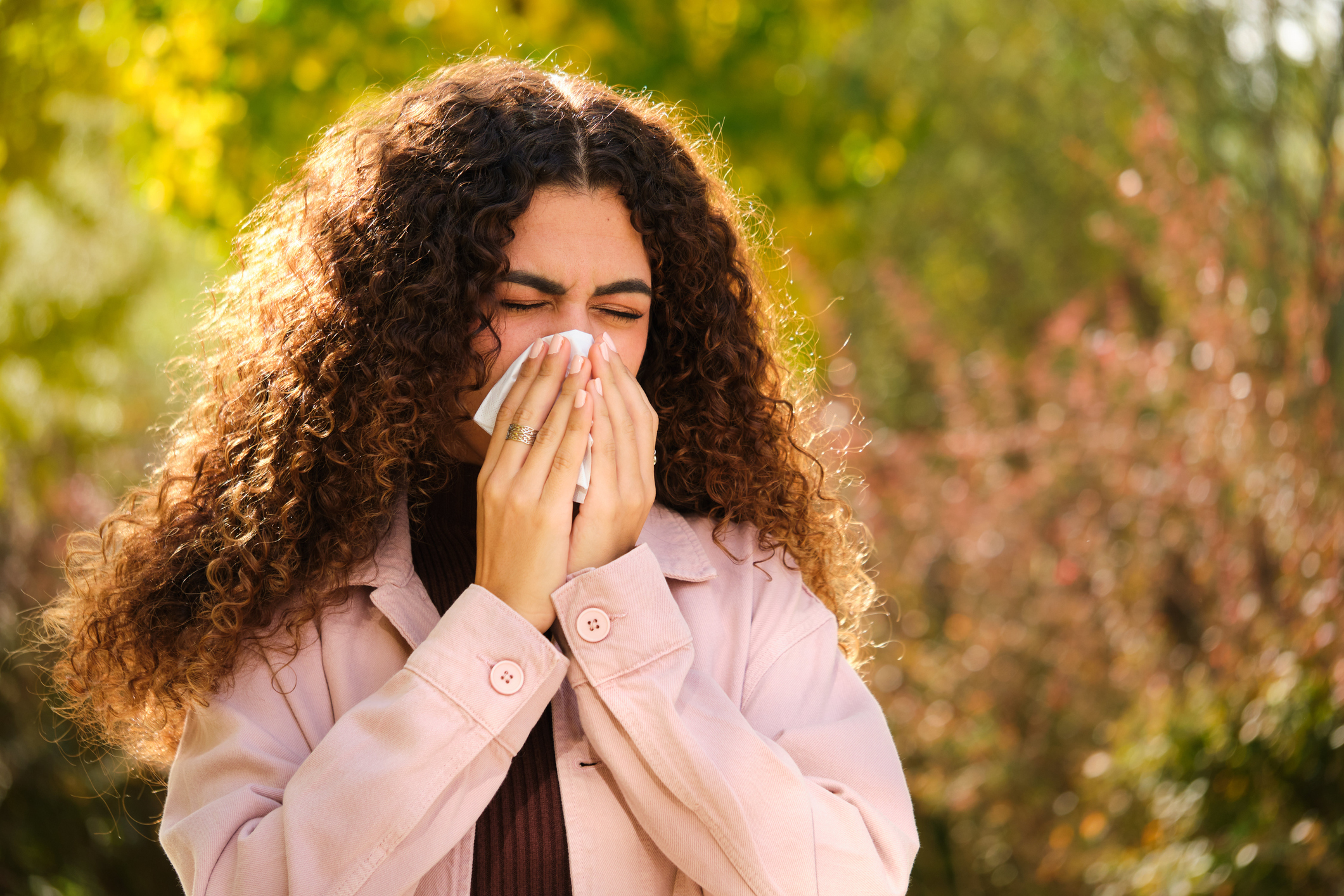
A woman blowing her nose due to seasonal allergies.As the spring season progresses, you or someone you know may experience a sore throat, runny nose, or irritated eyes. These symptoms are common during this part of the year due to seasonal allergies.

It may not always be clear when your symptoms are the result of allergies or an illness such as a viral infection. For many people, seasonal allergies can present in a similar way as the common cold. The difference is that allergy symptoms are caused by allergens (substances that you’re allergic to).

When you come into contact with an allergen, your immune system treats it as a harmful intruder and releases histamines, leukotrienes, and prostaglandins. These chemicals are what cause symptoms such as nasal congestion and irritation to occur. In severe cases where these allergens become trapped in the nasal passage or throat, you may experience an asthma attack and have difficulty breathing.

Certain allergens are more common during different parts of the year. During the spring and early summer seasons, pollen from trees and grass is most prevalent. Mold is more common during the fall as it grows on plants, trees, and other dead or decaying matter, but it can also develop during other parts of the year in moist environments (including buildings that have experienced flooding).

You may not realize when you’ve been exposed to an allergen, particularly airborne substances such as pollen. Allergy tests (which may involve drawing your blood and sending it to a laboratory) can help to identify these allergens; this is a particularly important step to take if your allergic reactions are severe or frequent. This also helps you determine what kind of medication is needed to control your symptoms.

If you believe you may have a seasonal allergy and are experiencing unpleasant, disruptive symptoms, you can get an allergy test and treatment at Flushing Hospital Medical Center’s Ambulatory Care Center. To schedule an appointment, please call (718) 670-5486.

All content of this newsletter is intended for general information purposes only and is not intended or implied to be a substitute for professional medical advice, diagnosis or treatment. Please consult a medical professional before adopting any of the suggestions on this page. You must never disregard professional medical advice or delay seeking medical treatment based upon any content of this newsletter. PROMPTLY CONSULT YOUR PHYSICIAN OR CALL 911 IF YOU BELIEVE YOU HAVE A MEDICAL EMERGENCY.

What is Norovirus?

A woman holding her hands to her stomach due to pain from norovirus.Norovirus is a contagious virus that causes gastroenteritis (also known as the stomach flu) to develop. According to the Centers for Disease Control and Prevention (CDC), it is the leading cause of vomiting, diarrhea, and food poisoning in the United States.

Norovirus is most prevalent between the months of November and April. Each year, over 19 million Americans are infected with this virus. Currently, the percentage of positive norovirus test results throughout the United States is over 12%, reaching as high as over 16% in the Northeastern United States.

People with norovirus are most contagious while experiencing symptoms and during the first few days after symptoms subside; however, they can still be contagious over two weeks after they start to feel better. Some specific ways in which norovirus is often transmitted from person to person include:

  • Having direct contact with someone with norovirus, such as by caring for them, sharing food or eating utensils with them, or eating food handled by them
  • Eating food or drinking liquids that are contaminated with norovirus
  • Touching surfaces or objects contaminated with norovirus and then putting your unwashed fingers in your mouth

There are effective steps you can take to protect yourself and others against norovirus. These include:

  • Washing your hands with soap and water for at least 20 seconds after touching surfaces, food, or other people
  • Thoroughly washing fruits and vegetables if you plan to eat them
  • Thoroughly cleaning utensils, plates, bowls, counters, and other frequently-touched surfaces in your home, especially if a sick person has been using them
  • Cooking shellfish to an internal temperature of at least 145° Fahrenheit
  • Washing laundry with detergent and hot water at the maximum available cycle length, then machine drying them at the highest heat setting
  • If you are sick, avoiding preparing food or caring for others for at least 48 hours after your symptoms stop

If you experience vomiting, diarrhea, or other symptoms of norovirus, schedule an appointment with a doctor at Flushing Hospital Medical Center’s Ambulatory Care Center as soon as possible by calling (718) 670-5486.

All content of this newsletter is intended for general information purposes only and is not intended or implied to be a substitute for professional medical advice, diagnosis or treatment. Please consult a medical professional before adopting any of the suggestions on this page. You must never disregard professional medical advice or delay seeking medical treatment based upon any content of this newsletter. PROMPTLY CONSULT YOUR PHYSICIAN OR CALL 911 IF YOU BELIEVE YOU HAVE A MEDICAL EMERGENCY.

Outdoor Exercises For Winter Weather

Young male runner preparing his sneakers for running. Tying shoelaces on a snowy road.It can be easy to use the cold winter weather as an excuse to stay inside and avoid outdoor physical activities. However, many forms of outdoor exercise are actually well-suited to lower temperatures and can even offer some added benefits, assuming that you take the appropriate precautions to protect your health. A few of these recommended outdoor exercises include:

Running: Winter is a great time to go out for a run. Running is a simple way to incorporate moderately intense aerobic exercise into each week; the Centers for Disease Control and Prevention (CDC) recommends an average of 150 minutes of this type of exercise each week. Running in cold temperatures may also increase your metabolism, making it easier to burn excess calories. Make sure to wear two layers (including a jacket) and appropriately-fitting running shoes.

Ice Skating: Another popular outdoor winter activity that can double as a great form of exercise is ice skating. It’s a low-impact type of aerobic exercise, meaning that it puts minimal stress on your joints. It can also be helpful for improving your balance and strengthening your leg muscles. In order to avoid injury or medical problems due to the cold weather, make sure to wear appropriately-fitting skates and additional layers of clothing.

Snow Shoveling: While shoveling snow is typically more of a chore than a popular exercise choice, it does offer a few benefits for your physical health. Snow shoveling requires effort from your legs and arms to lift and move snow, strengthening muscles in these parts of your body. As with other outdoor exercises, make sure to wear an appropriate number of layers of clothing. Additionally, make sure to lift from your legs to avoid injuries to your back, and take frequent rests as needed to avoid over-stressing your heart. 

If you experience medical problems while exercising, you can schedule an appointment with a doctor at Flushing Hospital Medical Center’s Ambulatory Care Center. To schedule an appointment, please call (718) 670-5486.


All content of this newsletter is intended for general information purposes only and is not intended or implied to be a substitute for professional medical advice, diagnosis or treatment. Please consult a medical professional before adopting any of the suggestions on this page. You must never disregard professional medical advice or delay seeking medical treatment based upon any content of this newsletter. PROMPTLY CONSULT YOUR PHYSICIAN OR CALL 911 IF YOU BELIEVE YOU HAVE A MEDICAL EMERGENCY.