Holiday Loneliness

Lonely senior woman sitting at home in Christmas celebration. Close-up of an elderly woman's hand against background of decorated Christmas tree. For a variety of reasons, many people may feel particularly lonely during the holiday season. In some cases, it can be due to the loss of a loved one who they would normally spend the holidays with; for others, it may be due to illnesses or other circumstances that isolate them from friends and family members.

No matter your personal situation, there are steps you can take to help either yourself or someone else feel less lonely during the holidays. Some of these steps include:

Calling family members or friends you don’t talk to often: If you feel disconnected from family members or friends during the holiday season, this may be a great time to give them a call and check in on them.

Joining a community or volunteer group: If you don’t have any plans or expectations of seeing anyone during the holidays, you may be able to find opportunities to participate in local community events. You may also be able to volunteer your time either at these events or at other needed places during the holidays.

Finding activities to enjoy on your own: It’s perfectly okay to enjoy the holiday season on your own doing things that you enjoy, whether it involves activities at home, going out to enjoy activities.

Loneliness during the holidays may be harder for some people to cope with than others; don’t be afraid or ashamed of seeking help from a mental health professional. You can schedule an appointment at Flushing Hospital Medical Center’s Outpatient Psychiatric Clinic by calling (718) 670-5562.

All content of this newsletter is intended for general information purposes only and is not intended or implied to be a substitute for professional medical advice, diagnosis or treatment. Please consult a medical professional before adopting any of the suggestions on this page. You must never disregard professional medical advice or delay seeking medical treatment based upon any content of this newsletter. PROMPTLY CONSULT YOUR PHYSICIAN OR CALL 911 IF YOU BELIEVE YOU HAVE A MEDICAL EMERGENCY.


Holiday Mental Health Tips

Woman in Santa hat looking frustrated in front of Christmas tree.Despite the cheerfulness surrounding the holiday season, it can also be a difficult time for many people, bringing with it a variety of mental and emotional challenges. Some people may associate the season with a significant loss of a loved one, while others may become overwhelmed by the typical demands and expectations that come with this part of the year.

Whatever these challenges may look like for you, it’s essential to have healthy tools and coping mechanisms to help you overcome them while getting as much joy as possible out of the holiday season. A few helpful tips include:

Spending time with other people: A large number of people tend to feel lonely during the holidays. Some people may be distant from loved ones or may have lost multiple people they’d typically spend this time with. Whatever your circumstances may be, it can be helpful to spend time with any loved ones who are available, whether they’re friends, family, or any other important people in your life. If nothing else, it may help to find a local community, support group, club, or meetup to engage with during this time.

Giving yourself space as needed: While many people may feel lonely during the holiday season, others may encounter the opposite problem: feeling overwhelmed by gatherings, events, and expectations from the people around them. It’s okay to recognize and be up front about what you’re able to handle at this point in time, and to say no to anything that you feel would be too much for you.

Recognizing when you need help: It may not be easy for everyone to identify when they need mental help, or to make time to get that help, even if they recognize that it’s needed. However, your mental health should be a priority at all times, and you should get help from a licensed, qualified therapist when issues such as stress, anxiety, or depression start to overwhelm you.

If you need help from a psychiatrist during this holiday season, you can schedule an appointment at Flushing Hospital Medical Center’s Outpatient Psychiatric Clinic by calling (718) 670-5562.

All content of this newsletter is intended for general information purposes only and is not intended or implied to be a substitute for professional medical advice, diagnosis or treatment. Please consult a medical professional before adopting any of the suggestions on this page. You must never disregard professional medical advice or delay seeking medical treatment based upon any content of this newsletter. PROMPTLY CONSULT YOUR PHYSICIAN OR CALL 911 IF YOU BELIEVE YOU HAVE A MEDICAL EMERGENCY.

Halloween 2023 Safety Tips

Halloween is a family-favorite holiday full of spooky fun and lots of candy.  However, it can also present many opportunities for injury as kids take to the streets in pursuit of trick-or-treat goodies.

Statistics show that roughly four times as many children between the ages of five and 14 are killed while walking on Halloween evening compared to other evenings of the year. Injuries due to falls and other accidents are also common among children on Halloween.

Parents can help minimize the risk of children getting injured on this holiday by following these safety tips from the American Academy of Pediatrics, the Centers for Disease Control and Prevention, and the National Safety Council.

On Halloween, children should:

  • Go only to well-lit houses.
  • Remain on porches without actually entering a house.
  • Travel in small groups accompanied by an adult.
  • Use flexible, non-sharp plastic props for costume pieces such as knives and swords.
  • When walking through neighborhoods trick-or-treating, use flashlights, stay on sidewalks, and avoid crossing yards.
  • Cross at appropriately-designated crosswalks and do not cross between parked cars.
  • Be sure to stop at all corners and stay together in a group before crossing.
  • Wear clothing or costumes that are bright, reflective, and flame-retardant.
  • Consider using face paint instead of masks that can obstruct a child’s vision.
  • Avoid wearing hats that will slide over children’s eyes.
  • Avoid wearing long, baggy, or loose costumes or oversized shoes that may cause kids to trip.
  • Be reminded to look left, right, and left again before crossing a street.

On Halloween, parents and adults should:

  • Supervise trick-or-treating for children under the age of 12.
  • Avoid giving choking hazards such as gum, peanuts, hard candies, or small toys as treats to young children.
  • Ensure the safety of pedestrian trick-or-treaters.
  • Make sure children under the age of 10 are supervised as they cross the street.
  • Drive slowly.
  • Watch for children in the street and on medians.
  • Exit driveways and alleyways slowly and carefully.
  • Have children get out of cars on the side of the sidewalk, not the street.

Follow these tips to keep both your children and yourself safe this year. Have a happy and fun Halloween!

All content of this newsletter is intended for general information purposes only and is not intended or implied to be a substitute for professional medical advice, diagnosis or treatment. Please consult a medical professional before adopting any of the suggestions on this page. You must never disregard professional medical advice or delay seeking medical treatment based upon any content of this newsletter. PROMPTLY CONSULT YOUR PHYSICIAN OR CALL 911 IF YOU BELIEVE YOU HAVE A MEDICAL EMERGENCY.

Wellness Tips For a Healthy Fall Season

The fall season is full of activities and holidays to enjoy with friends and family. However, this part of the year also brings with it many different health concerns that can make the season more difficult to enjoy. There are a few important steps you should take to protect your health and the well-being of your loved ones this fall, including:

Getting vaccinated: A wide range of illnesses become more common during the fall season, such as the flu and COVID-19. The simplest step you can take to effectively protect yourself against these illnesses is to get vaccinated. While vaccination does not make it impossible for you to catch these diseases, it does make getting sick less likely, and if you do get sick, it can significantly reduce the severity of your symptoms.

Spending time outdoors: As the days become shorter throughout the fall, many people experience symptoms of mental conditions such as seasonal affective disorder, a form of depression that typically begins during the fall and continues throughout the winter. These symptoms can be reduced by getting adequate sunlight exposure and spending time on outdoor activities such as walking or jogging.

Wearing appropriate seasonal clothing: Throughout the fall season, the weather gradually becomes colder, making it important to have warm, comfortable clothing, such as long-sleeved shirts and pants, coats, and hats. These can protect you against issues such as dry skin and other cold-related health problems.

If you experience symptoms of a seasonal medical condition, you can schedule an appointment with a doctor at Flushing Hospital Medical Center’s Ambulatory Care Center by calling (718) 670-5486.

All content of this newsletter is intended for general information purposes only and is not intended or implied to be a substitute for professional medical advice, diagnosis or treatment. Please consult a medical professional before adopting any of the suggestions on this page. You must never disregard professional medical advice or delay seeking medical treatment based upon any content of this newsletter. PROMPTLY CONSULT YOUR PHYSICIAN OR CALL 911 IF YOU BELIEVE YOU HAVE A MEDICAL EMERGENCY.

What Are The Health Benefits of Pumpkins?

Pumpkins are a favorite fall vegetable for many people and are used as an ingredient in many different foods, including everything from pastries to pancakes, soup, and even curry. While many of the foods and beverages people associate with pumpkins (such as pumpkin spice lattes, for example) don’t actually include pumpkin as an ingredient, the ones that do can offer several significant health benefits.

Eating pumpkin can be helpful when it comes to boosting your immune system, making it easier for your body to fight off disease. This boost comes from the amount of beta carotene contained in pumpkins; beta carotene is partially converted into vitamin A, which is important for strengthening your immunity.

Beta carotene is also helpful when it comes to your eye health, as it improves your retina’s ability to absorb light. Pumpkins also contain several other vitamins and minerals that help protect you against age-related macular degeneration, which causes blurriness and loss in the center of your field of vision. In addition to beta carotene, these vitamins and minerals include vitamin C, vitamin E, and zinc.

Beta carotene, vitamin C, and vitamin E are also antioxidants, which are beneficial for your skin health, with beta carotene particularly providing a boost to your skin’s protection against ultraviolet (UV) rays from the sun; these rays are one of the primary causes of skin cancer in many people.

If you’re considering incorporating more pumpkin into your diet to enjoy these health benefits, one thing to keep in mind is the difference between carving pumpkins (typically used for decorating) and pie pumpkins (typically used for cooking). Carving pumpkins are the larger variety with stringier insides and more water weight. Pie pumpkins are smaller and contain sweeter, richer insides, making them more flavorful and appropriate for usage as an ingredient in your fall dishes.

All content of this newsletter is intended for general information purposes only and is not intended or implied to be a substitute for professional medical advice, diagnosis or treatment. Please consult a medical professional before adopting any of the suggestions on this page. You must never disregard professional medical advice or delay seeking medical treatment based upon any content of this newsletter. PROMPTLY CONSULT YOUR PHYSICIAN OR CALL 911 IF YOU BELIEVE YOU HAVE A MEDICAL EMERGENCY.
National Head Lice Prevention Month

Head lice are parasitic insects that infest people’s hair, eyebrows, and eyelashes, feeding on human blood several times per day. They are not known to spread disease, but they are contagious and can spread through contact with the hair of a person who has them. Aside from direct personal contact, this can also occur through indirect means, such as sharing clothes with a person with head lice or laying on furniture after they’ve used it.

According to the Centers for Disease Control and Prevention, head lice infestations (also known as pediculosis) occur most commonly in the United States among pre-school and elementary school children, as well as among people living in the same household as children within these age groups.

Signs of pediculosis include the feeling of something moving through the hair, itching, the development of sores on the scalp, and difficulty sleeping due to the increased activity of head lice in the dark. A diagnosis is generally made when head lice are found on the scalp.

Preventing the spread of head lice can be challenging, as children are often in close contact with one another throughout each school day. Some steps you can take to protect them (and yourself) from an infestation include:

  • Discouraging your child from sharing clothes or close personal space with someone who may have head lice
  • Regularly combing your child’s hair and encouraging them to practice this habit on their own
  • Stocking up on lice removal kits, shampoos, creams, lotions, and medications

If you notice signs of a head lice infestation in your child, yourself, or another person in your household (and if non-prescription products aren’t helping enough), you can also visit a doctor for treatment. A doctor can prescribe specialized shampoos, lotions, and other products that aren’t available over-the-counter, as well as oral and topical medications.

You can receive treatment for head lice from a doctor at Flushing Hospital Medical Center’s Ambulatory Care Center. To schedule an appointment, please call (718) 670-5486.

All content of this newsletter is intended for general information purposes only and is not intended or implied to be a substitute for professional medical advice, diagnosis or treatment. Please consult a medical professional before adopting any of the suggestions on this page. You must never disregard professional medical advice or delay seeking medical treatment based upon any content of this newsletter. PROMPTLY CONSULT YOUR PHYSICIAN OR CALL 911 IF YOU BELIEVE YOU HAVE A MEDICAL EMERGENCY.
Back-To-School Health Tips

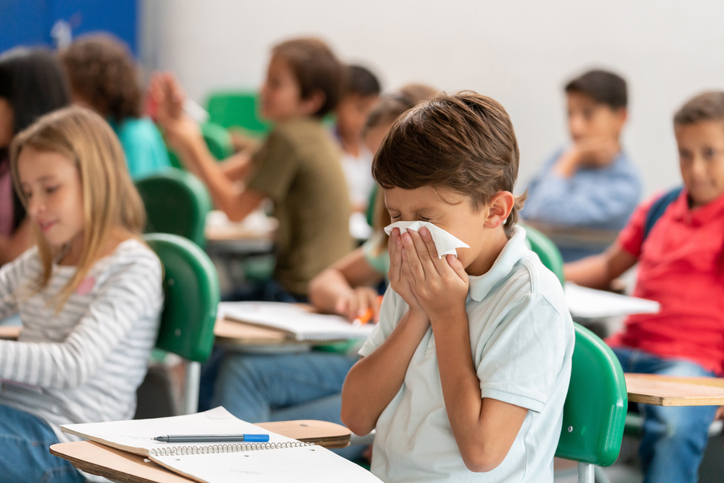
Both the new school year and flu season are approaching, and with other viral illnesses such as respiratory syncytial virus (RSV) and COVID-19 continuing to spread, it’s important to prepare your child with effective habits and strategies for staying healthy. Follow these tips to keep them (and the rest of your family) disease-free this fall:

Get your child vaccinated: Many schools require students to receive the immunizations recommended by the Centers for Disease Control and Prevention (CDC) for their age group. This is a simple, effective method for boosting your child’s natural protection against some of the most common diseases they are likely to be exposed to at school.

Emphasize good hand-washing habits: Your child can come into contact with many different types of germs, bacteria, and viruses while they’re at school or traveling to or from home. Some of these substances, such as cold germs, can live for up to 24 hours on hard surfaces and up to an hour on hands; others, such as the flu, can last much longer, living on hard surfaces for up to 48 hours. Regular, thorough hand-washing is essential for minimizing your child’s contact with these germs and reducing their likelihood of becoming infected.

Take your child to a doctor if they feel sick: If your child starts to feel ill, you can reduce the amount of time they spend feeling sick (and, potentially, the amount of school days they may have to miss) by taking them to a doctor right away. A doctor can prescribe certain medications, such as antivirals or antibiotics (depending on whether your child has a virus or bacterial infection), and recommend other medications and treatments for relieving their symptoms effectively.

If your child has an infection, you can receive specialized treatment at Forest Hills Pediatric Specialists. To schedule an appointment or for more information about the office, please call (718) 704-5020.

All content of this newsletter is intended for general information purposes only and is not intended or implied to be a substitute for professional medical advice, diagnosis or treatment. Please consult a medical professional before adopting any of the suggestions on this page. You must never disregard professional medical advice or delay seeking medical treatment based upon any content of this newsletter. PROMPTLY CONSULT YOUR PHYSICIAN OR CALL 911 IF YOU BELIEVE YOU HAVE A MEDICAL EMERGENCY.
Signs and Symptoms of Untreated Lyme Disease

People can live for weeks, months, or potentially years without realizing that medical problems they’re experiencing are symptoms of untreated Lyme disease. This condition can produce a wide range of symptoms that are often associated with other diseases; as a result, it may not always be easy to identify their most likely cause.

Lyme disease is most often transmitted through tick bites. Early signs and symptoms can begin up to a month after being bitten, but can also start to occur in as little as three days. These may include:

  • Fever
  • Headache
  • Muscle and joint pain
  • Chills
  • Fatigue
  • Rash or swollen lymph nodes at the site of the tick bite

More serious symptoms of Lyme disease may begin to occur days or months after the first signs appear. Some of these more advanced signs include:

  • Severe headache
  • Neck stiffness
  • Rashes that have spread to other parts of the body
  • Drooping in the face
  • Arthritis and pain in the muscles, bones, joints, and tendons
  • Heart arrhythmia
  • Episodes of dizziness and shortness of breath
  • Nerve pain or shooting pains/numbness and tingling in the hands or feet
  • Brain or spinal cord inflammation

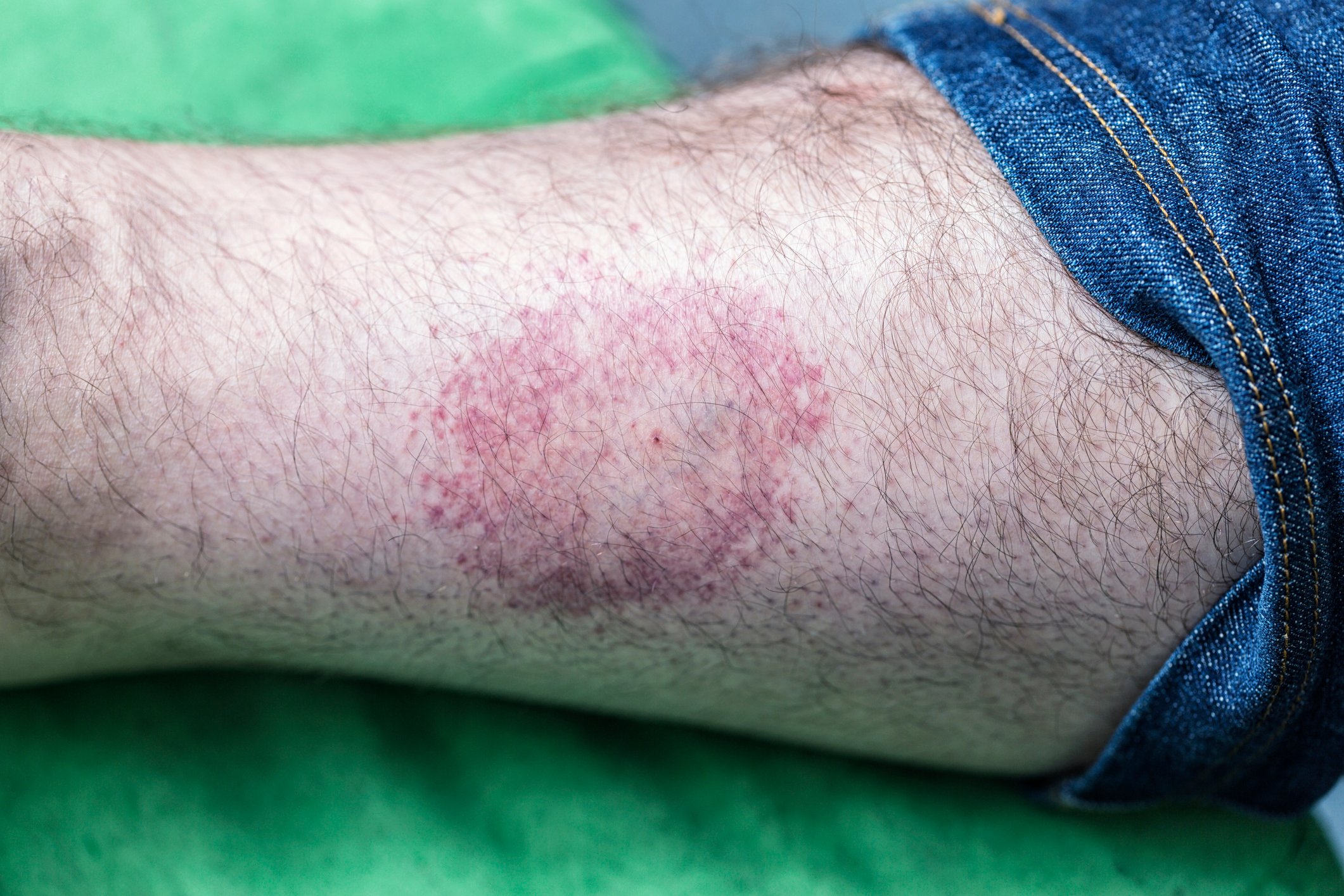
The erythema migrans (EM) rash that occurs in the early stage of Lyme disease can appear in a few ways for different people. The “classic” Lyme disease rash looks similar to a target, with a red ring that surrounds a central red spot. It can also appear as:

  • An expanding rash that may have a central spot of crusted skin
  • Multiple rashes in the same area with dark or discolored centers
  • A red, oval-shaped plaque
  • A ring-like rash
  • A blue-hued rash
  • An expanding red-blue rash with a clear spot of skin in the center

If you are experiencing potential symptoms of Lyme disease, please schedule an appointment at Flushing Hospital Medical Center’s Ambulatory Care Center by calling (718) 670-5486. If you are experiencing a medical emergency, please dial 911 immediately.

All content of this newsletter is intended for general information purposes only and is not intended or implied to be a substitute for professional medical advice, diagnosis or treatment. Please consult a medical professional before adopting any of the suggestions on this page. You must never disregard professional medical advice or delay seeking medical treatment based upon any content of this newsletter. PROMPTLY CONSULT YOUR PHYSICIAN OR CALL 911 IF YOU BELIEVE YOU HAVE A MEDICAL EMERGENCY.
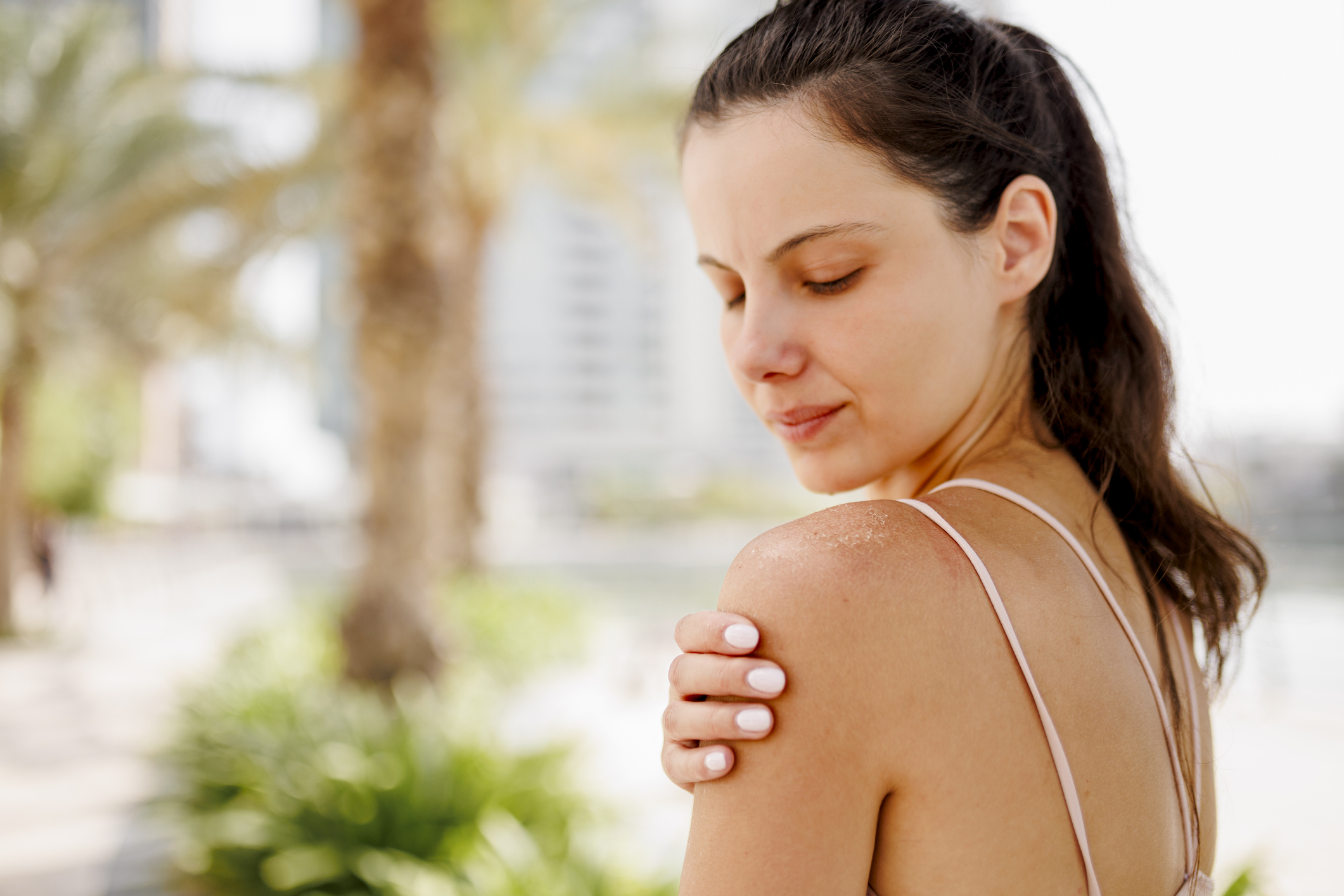
Can Your Medication Make Your Skin Sensitive to the Sun?

Certain medications may increase your risk of sunburns due to photosensitivity, a chemically-induced change in the skin that can cause sunburns. Photosensitivity can occur as an allergic reaction in the skin after several days (known as photoallergy) and as skin irritation that occurs within a few hours of sun exposure. Medications that can cause these reactions include:

  • Antibiotics
  • Antifungals
  • Antihistamines
  • Statins
  • Diuretics
  • Non-steroidal anti-inflammatory drugs (NSAIDs)
  • Oral contraceptives and estrogens
  • Phenothiazines
  • Psoralens
  • Retinoids
  • Sulfonamides
  • Sulfonylureas for type 2 diabetes
  • Alpha-hydroxy acids (found in acne medication and cosmetics)

Although these medications can increase photosensitivity, they may not lead to a reaction in everyone who takes them. While there are no specific identifiable risk factors to indicate who may be more likely to experience a reaction, people with fair skin, blonde or red hair, and blue eyes are more sensitive to sun exposure in general and may face a heightened risk.

The best way to reduce your risk of a heightened reaction to sunlight due to any medication is to limit sun exposure and follow recommended practices for protecting your skin. Some ways you can do this include:

  • Staying in the shade as much as possible while outdoors
  • Using 30+ sun protection factor (SPF) sunscreen that protects against both ultraviolet A (UVA) and ultraviolet B (UVB) light
  • Applying at least one ounce of sunscreen across your body at least 15 minutes before going out in the sun and reapplying it every two hours
  • Wearing long-sleeved shirts and pants, sunglasses, hats, and other protective clothing that limits how much of your skin is exposed to the sun

If you experience a severe sunburn, or one that is accompanied by a fever, headache, nausea, chills, confusion, or dehydration, you can schedule an appointment with a doctor at Flushing Hospital Medical Center’s Ambulatory Care Center by calling (718) 670-5486. If your symptoms become severe and lead to a medical emergency, please dial 911 right away.

All content of this newsletter is intended for general information purposes only and is not intended or implied to be a substitute for professional medical advice, diagnosis or treatment. Please consult a medical professional before adopting any of the suggestions on this page. You must never disregard professional medical advice or delay seeking medical treatment based upon any content of this newsletter. PROMPTLY CONSULT YOUR PHYSICIAN OR CALL 911 IF YOU BELIEVE YOU HAVE A MEDICAL EMERGENCY.

What are the Warning Signs of Heat-Related Illness?

Thousands of people visit the emergency room due to heat-related health problems each year. As the summer begins, it’s important to stay aware of the signs and risk factors of heat-related illnesses.

There are five main categories of heat-related illness. These illnesses and their warning signs include:

Heat stroke: Heat stroke is the most serious heat-related illness and can lead to permanent disability or death without emergency treatment. It occurs when the body’s heat rises uncontrollably and stops sweating. Warning signs of this condition include:

  • Body temperature above 103 degrees Fahrenheit
  • Red, hot, and dry skin that does not sweat
  • Nausea, dizziness, confusion, or vomiting
  • Rapid and strong pulse
  • Unconsciousness

Heat exhaustion: This type of illness can develop after several days of exposure to high temperatures and inadequate fluid intake. It occurs most commonly in people over the age of 65 and people with high blood pressure. Without prompt treatment, this illness can develop into heat stroke. Some of the indicators of heat exhaustion include:

  • Pale, moist, cool skin
  • Muscle cramps
  • Weakness
  • Headache
  • Nausea, dizziness, vomiting, or fainting

Heat cramps: Heat cramps typically occur as muscle pain or spasms in the abdomen, arms, or legs, often in association with physical activity. Excessive sweating depletes the body’s salt and moisture, leading to cramps. People with heart problems or who follow a low-sodium diet are most prone to this illness and should seek medical attention if it occurs. Warning signs include:

  • Heavy sweating
  • Fatigue
  • Thirst
  • Muscle pain or spasms

Heat rash: This illness occurs due to excessive sweating that causes skin irritation. It occurs most commonly in young children and generally appears as a red cluster of pimples or small blisters on the neck and upper chest. It can also occur in the groin, under breasts, and in elbow creases.

Sunburn: Sunburn is one of the most common forms of heat-related illness. It can affect anyone, but is more likely to occur in people with lighter skin tones. Skin affected by sunburn will often first appear red and feel warm and tender; this skin may later develop blisters.

If you are experiencing heat-related medical problems, you can schedule an appointment with a doctor at Flushing Hospital Medical Center’s Ambulatory Care Center by calling (718) 670-5486. If you are experiencing an emergency, please dial 911 right away.

All content of this newsletter is intended for general information purposes only and is not intended or implied to be a substitute for professional medical advice, diagnosis or treatment. Please consult a medical professional before adopting any of the suggestions on this page. You must never disregard professional medical advice or delay seeking medical treatment based upon any content of this newsletter. PROMPTLY CONSULT YOUR PHYSICIAN OR CALL 911 IF YOU BELIEVE YOU HAVE A MEDICAL EMERGENCY.