
How to Avoid Common Kid Injuries in the Summer

The summer is a fun time for kids as they have more free time and can enjoy outdoor activities. However, more time for outdoor activities can create more opportunities for injuries at a higher rate.  

Here are some common summer kid injuries and how to avoid them: 

  • When kids are at the beach or pool, it is important to watch them when they are in and around the water. Keep young children and weak swimmers within arm’s reach of an adult. Make sure more experienced swimmers are with a partner every time. Designate a Water Watcher by choosing an adult to be responsible for watching children in or near the water for a certain period, such as 15 minutes. After 15 minutes, select another adult to be a Water Watcher.  

It is also important to teach children how to swim. Every child is different, so enroll them in swimming lessons when they are ready. Consider their age, development, and how often they will be around water. Learn CPR and be ready in case of an emergency. 

  • Sun exposure during daily activities and play can cause the most sun damage. Overexposure to sunlight before the age of 18 is most damaging to the skin. UV rays are strongest during summer months when the sun is directly overhead; this normally occurs between 10 a.m. and 2 p.m.  

Use an SPF of 15-30 or higher sunscreen to block the sun’s rays. Apply sunscreen 30 minutes before going outside and reapply it often during the day. Use broad-spectrum sunscreens that block the greatest amount of UVA and UVB rays.  

  • The risk of a head injury is higher in the spring and summer months, with popular activities such as bike riding, skating, and skateboarding. Parents should seek medical attention for their child should any of the following occur after a head injury: 
  • Vomiting 
  • Alteration in mental state 
  • Increased irritability, fussiness 
  • A seizure 
  • Weakness in parts of the body 
  • A bad headache 

Wearing a helmet can prevent brain injuries and should become a habit. Helmets that fit properly can reduce the risk of head injuries by at least 45%. 

  • Summer is a rare time when children can enjoy trampolines. However, trampoline jumping can pose a high risk of injury for children. The activity can result in sprains and fractures in the arms or legs, as well as head and neck injuries. If you allow your child to use a trampoline, follow these important safety rules: 
    • Always have adult supervision when children use the trampoline 
    • Use safety nets and pads. Cover the trampoline’s frame, springs, and surrounding landing surfaces 
    • Place home trampolines at ground level, as a fall from a higher surface can increase the risk of injury 
    • Make sure the trampoline is set at a safe distance from trees and other hazards 
    • Allow only one person to use the trampoline at a time 
    • Don’t allow flying somersaults or other potentially risky moves on the trampoline without proper supervision, instruction, and proper use of protective equipment such as a harness 
    • Don’t allow unsupervised jumping. If you use a trampoline ladder, always remove it after use to prevent unsupervised access by children 
  • Summertime fireworks can be fun on holidays like the Fourth of July. However, it is important to make sure everyone knows about fireworks safety. If not handled properly, fireworks can cause burns and eye injuries in kids and adults. The best way to protect your family is not to use fireworks at home. Attend public fireworks displays, and leave lighting fireworks to the professionals 
  • When barbecuing or grilling, it is important to make sure children stay a safe distance from the grill. Make it a point to: 
    • Keep children and pets away from the grill area by declaring a 3-foot “kid-free zone” around the grill 
    • Keep all matches and lighters away from children. Teach your children to report any loose matches or lighters to an adult immediately 
    • Be aware of charcoal that may still be hot in grills and fire pits. They can burn children even when there isn’t a fire 
    • Always supervise children around outdoor grills 

If your child has suffered an injury, you can schedule an appointment with Flushing Hospital Medical Center’s Pediatric Ambulatory Care Center by calling 718-670-3007. If they are experiencing an emergency, call 911 immediately. 

All content of this newsletter is intended for general information purposes only and is not intended or implied to be a substitute for professional medical advice, diagnosis or treatment. Please consult a medical professional before adopting any of the suggestions on this page. You must never disregard professional medical advice or delay seeking medical treatment based upon any content of this newsletter. PROMPTLY CONSULT YOUR PHYSICIAN OR CALL 911 IF YOU BELIEVE YOU HAVE A MEDICAL EMERGENCY.

Tips for Exercising During Warmer Months

Most of our time during the summer is spent outdoors enjoying the fresh air and participating in warm-weather activities such as exercise. Exercising outdoors offers many benefits. However, when temperatures increase, it can become challenging or potentially dangerous to our health. 

Heat illnesses or emergencies can occur with exposure to high temperatures and humidity. Dehydration can occur when the body’s fluids are lost by sweating and aren’t replaced. Even being slightly dehydrated can make you feel sick and put you at a greater risk for heat-related illnesses, including heat exhaustion and heat stroke. 

Therefore, it is important to know how to protect yourself while exercising in the summer heat. Here are some tips to keep in mind when it’s warm outside: 

  • Try to avoid exercising outside in the early afternoon as it is usually hottest between noon and 3 p.m. 
  • Drink water before, during, and after physical activity, even if you don’t feel thirsty. Bring a bottle of water with you, or plan water stops along your route.  
  • Wear lightweight, light-colored, loose-fitting clothes. Moisture-wicking fabric can also help keep you cool during a workout. Protect yourself from the sun with sunglasses, a hat or visor, and plenty of sweat-resistant sunscreen.  
  • Take frequent breaks in the shade and drink water before you get thirsty. Allow yourself time to adapt to the heat. Keep in mind that you may not be able to work out as long or as hard as usual when it’s very hot. 
  • Work out with a partner if you can. Not only for safety purposes, but also because it is socially interactive and fun. 
  • Try a variety of light, healthy pre- and post-workout snacks that can help you stay cool, such as: 
    • Chilled or frozen fruit 
    • Homemade ice pops made from 100% fruit juice or fat-free/low-fat milk 
    • Fruit smoothies 
    • Cold salads loaded with vegetables, beans, legumes, and heart-healthy fish such as albacore tuna or salmon 
    • Crisp, chilled raw veggies, including cucumbers, carrots, or celery, with a light, cool dip 
    • Cold sparkling water with a splash of 100% fruit juice or slices of citrus or cucumber 

If you are having difficulty tolerating the heat, don’t skip your workout or physical activity. You can find indoor locations where you can be active, discover activities you can do at home or work, or adjust your workout schedule to early morning or late evening when it’s cooler outside instead.  

It is important to check with your healthcare provider before starting an exercise routine or working out outdoors if you have cardiovascular disease, diabetes, or other chronic diseases, or any medical concerns. Certain medications, including beta blockers, ACE receptor blockers, ACE inhibitors, calcium channel blockers, and diuretics, can exaggerate the body’s response to heat. 

If you or a loved one is experiencing an emergency, call 911 immediately. 


All content of this newsletter is intended for general information purposes only and is not intended or implied to be a substitute for professional medical advice, diagnosis or treatment. Please consult a medical professional before adopting any of the suggestions on this page. You must never disregard professional medical advice or delay seeking medical treatment based upon any content of this newsletter. PROMPTLY CONSULT YOUR PHYSICIAN OR CALL 911 IF YOU BELIEVE YOU HAVE A MEDICAL EMERGENCY.

UV Safety Month

July is UV Safety Month. It is observed to highlight the importance of protecting our skin and eyes from the harmful effects of ultraviolet (UV) radiation.  

Ultraviolet radiation is released by the sun and provides vitamin D to the body to help it survive. However, too much sun exposure can damage the skin and cause skin cancer. Skin cancer is the most common type of cancer in the United States.  

There are three types of ultraviolet radiation based on the size of the wavelength. They include: 

  • UVA causes the skin to wrinkle, tan, and/or burn. Too much exposure leads to skin cancer 
  • UVB can damage the outermost layers of the skin. It can cause sunspots, tanning, sunburn, and blistering, which can lead to skin cancer 
  • UVC is absorbed by the Earth’s atmosphere 

Anyone can get skin cancer from ultraviolet radiation. People who are the greatest risk of skin cancer are people who have: 

  • Fair skin 
  • Freckled skin 
  • Skin that burns easily, light eyes 
  • Blonde or red hair 

People who have a darker skin tone can get skin cancer, but their risk is lower than people who have a lighter skin tone.  

There are other risk factors other than a person’s complexion that can cause skin cancer, including: 

  • Having a biological family history or personal history of skin cancer 
  • Having an outdoor job or spending a lot of time in the sun 
  • Living in a sunny climate 
  • Having a history of severe sunburns 
  • Having large and irregularly shaped moles 

The most common warning sign of skin cancer is a change to the skin. Changes are typically a new mole, a new skin lesion or sore, or a change to an existing mole.  

  • Basal cell carcinoma may appear as a small pearly, or waxy bump on your face or neck, or as a flat, pink/red- or brown-colored lesion 
  • Squamous cell carcinoma can appear as a firm, red nodule, or as a rough, scaly, flat lesion that may itch, bleed, and become crusty 
  • Melanoma usually appears as a pigmented patch or bump. It may resemble a normal mole but usually has a more irregular appearance 


While it isn’t possible to completely prevent skin cancer or undo previous effects of ultraviolet radiation and sun damage, there are steps to take to reduce risk: 

  • Applying sunscreen with a SPF of 30 or greater thirty minutes before sun exposure and then every two to three hours after. Reapply sooner if you get wet or sweat significantly 
  • Wearing sunglasses with total UV protection 
  • Using cosmetic products that offer UV protection 
  • Avoiding direct sun exposure as much as possible during peak UV radiation hours, which are between 10 a.m. and 4 p.m. 
  • Performing skin self-exams regularly to become familiar with existing skin growths and to notice any changes or new growths 

When choosing the right sunscreen, it is important to know the difference between mineral and chemical sunscreen.  

Mineral sunscreen, or organic or physical sunscreen, is known for having a heavier, thicker texture than chemical sunscreen. It has active ingredients, such as zinc oxide and titanium oxide. These ingredients work as a shield against the sun’s rays because the sunscreen sits on the skin’s surface reflecting the UV rays away from it.  

There are benefits to using mineral sunscreen, such as it being good for sensitive and acne-prone skin, and it offers immediate protection. There are also some drawbacks to using mineral sunscreen, such as it takes longer to apply and leaves a white cast on the skin.  

Chemical sunscreen contains chemical ingredients that protect the skin by absorbing the sun’s rays, preventing them from reaching the skin. The chemical compounds in chemical sunscreen are avobenzone, oxybenzone, and octinoxate.  

Using chemical sunscreen has many advantages as it is easy to apply, transparent on the skin, and it comes with water-resistant formulations. Some disadvantages are that it can cause allergic reactions or irritation, it isn’t immediately effective, and it has to be absorbed into the skin.  

Whichever type of sunscreen you use depends on your personal preference. Using either mineral or chemical sunscreen is better than not using sunscreen at all.  

If you want to know which ingredients may affect you, talk to a healthcare provider or a dermatologist to determine which sunscreen is best.  

If you or a loved one has warning signs of skin cancer, you can speak to a doctor by scheduling an appointment at Flushing Hospital Medical Center’s Ambulatory Care Center by calling (718) 670-5486. 

All content of this newsletter is intended for general information purposes only and is not intended or implied to be a substitute for professional medical advice, diagnosis or treatment. Please consult a medical professional before adopting any of the suggestions on this page. You must never disregard professional medical advice or delay seeking medical treatment based upon any content of this newsletter. PROMPTLY CONSULT YOUR PHYSICIAN OR CALL 911 IF YOU BELIEVE YOU HAVE A MEDICAL EMERGENCY.

Preparing for Allergy Season

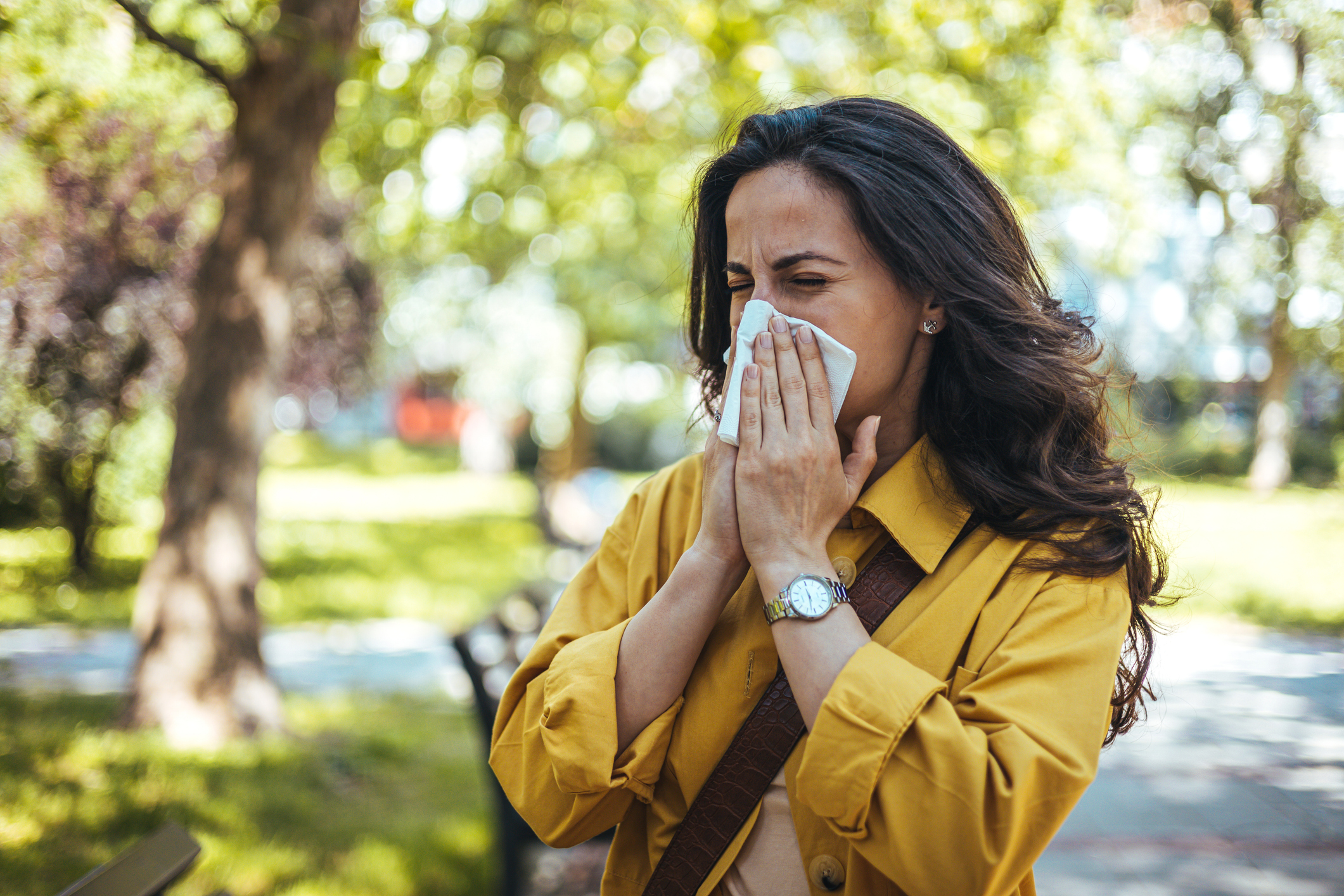
Spring has arrived, and with it comes longer days, warmer weather, and the blooming of trees and flowers. However, as trees and flowers bloom they release pollen, causing those who suffer from seasonal allergies to experience allergy symptoms. Spring allergy symptoms can include:

  • Runny nose
  • Watery eyes
  • Sneezing
  • Itchy eyes and nose
  • Dark circles under your eyes.

Some ways you can reduce your exposure to allergy triggers include:

  • Staying indoors on dry, windy days. The best time to go outside is after a good rain, which helps clear pollen from the air.
  • Avoiding garden chores like mowing the lawn and pulling weeds that stir up allergens.
  • Removing clothes worn outside and showering to rinse pollen from your skin and hair.
  • Avoid hanging laundry outside because pollen can stick to sheets and towels.
  • Wearing a face mask when doing chores outside.
  • Checking your local TV or the internet for pollen forecasts and the current pollen levels.
  • Taking allergy medication before symptoms start or if high pollen counts are forecasted.
  • Closing doors and windows at night when there are high pollen counts.
  • Avoiding outdoor activity when pollen counts are highest.

There isn’t a miracle product that can get rid of all allergens from the air in your home, but ways to keep indoor air clean include:

  • Using air conditioning in your house.
  • Using high-efficiency filters if you have a forced air conditioning or heating system, and following regular maintenance schedules.
  • Keeping indoor air dry with a dehumidifier.
  • Using a portable HEPA filter in your bedroom.
  • Cleaning floors with a vacuum cleaner that has a HEPA filter regularly.

Here are some over-the-counter medications that can help ease allergy symptoms:

  • Oral antihistamines
  • Corticosteroid nasal sprays
  • Cromolyn sodium nasal spray
  • Oral decongestants

If you are experiencing seasonal allergy symptoms, you can get an allergy test and treatment at Flushing Hospital Medical Center’s Ambulatory Care Center. To schedule an appointment, please call (718) 670-5486.

All content of this newsletter is intended for general information purposes only and is not intended or implied to be a substitute for professional medical advice, diagnosis or treatment. Please consult a medical professional before adopting any of the suggestions on this page. You must never disregard professional medical advice or delay seeking medical treatment based upon any content of this newsletter. PROMPTLY CONSULT YOUR PHYSICIAN OR CALL 911 IF YOU BELIEVE YOU HAVE A MEDICAL EMERGENCY.

Staying Safe from the Quad-emic of the flu, RSV, COVID-19, and the Norovirus

Winter is usually a prime season for flu and RSV cases to rise. However, in recent years, COVID-19 and norovirus infections have been added to the list of winter illnesses creating a “quad-emic”. A quad-emic means these four viral illnesses are spreading simultaneously.

It is important to know when you, a loved one, or a child are showing signs and symptoms of any of the four illnesses to seek immediate care. These contagious viruses can cause health complications and hospitalization, especially for those in high-risk populations if they are left untreated. High-risk people include:

  • Children
  • Elderly people
  • Pregnant women
  • Those with preexisting health conditions such as asthma and heart conditions

Influenza is a highly contagious viral respiratory tract infection that can cause severe illness and life-threatening complications (including pneumonia). Flu cases typically rise in the winter. A flu vaccine reduces the risk of infection, but it is still possible to get the flu if stronger strains form or if you are considered high-risk.

COVID-19 is a respiratory tract infection caused by the SARS-CoV-2 virus. It is highly contagious and symptoms vary from person to person. Even if you are vaccinated or have immunity from a past infection, you may still be at risk as new variants form.

Respiratory syncytial virus or RSV, is a common respiratory virus that infects the nose, throat, and lungs. RSV symptoms are similar to COVID-19 and the flu and are very dangerous for infants, young children, and older adults.

Norovirus, also known as the stomach flu causes vomiting and diarrhea and is extremely contagious.

Symptoms of the quad-emic illnesses include:

  • Fever
  • Coughing
  • Shortness of breath
  • Diarrhea
  • Vomiting
  • Runny nose
  • Body aches
  • Sore throat
  • Headache
  • Loss of taste or smell
  • Fatigue

Treatment will vary by severity of the symptoms and by diagnosis. Some cases can be treated at home with over-the-counter medications, but others may need prescription medication. Your healthcare provider will advise you on the best treatment plan. If you are considered high-risk, they will monitor your symptoms to ensure they aren’t getting worse.

Ways to help to reduce the risk of infection include:

  • Practicing good hygiene such as washing your hands
  • Covering your mouth when coughing or sneezing
  • Staying isolated if you are feeling sick to avoid spreading it to others
  • Getting vaccinated for the flu and COVID-19

If you are experiencing any of these quad-emic illness symptoms, visit Flushing Hospital Medical Center’s Ambulatory Care Center. To schedule an appointment, please call (718) 670-5486. If there is an emergency, please call 911.


All content of this newsletter is intended for general information purposes only and is not intended or implied to be a substitute for professional medical advice, diagnosis or treatment. Please consult a medical professional before adopting any of the suggestions on this page. You must never disregard professional medical advice or delay seeking medical treatment based upon any content of this newsletter. PROMPTLY CONSULT YOUR PHYSICIAN OR CALL 911 IF YOU BELIEVE YOU HAVE A MEDICAL EMERGENCY.

Flu Season Precautions

We are in December and physician’s offices and hospital emergency rooms are reporting flu cases. No one wants to catch the flu, so it is important to take proper precautions to help keep you and others healthy.

Here are a few ways we can prevent getting the flu:

  • Everyone who is six months and older should get vaccinated every year
  • Avoid close contact with people who are sick
  • Wash your hands frequently with soap and water
  • Keep hand sanitizer handy for the times when soap and water aren’t available
  • Avoid touching your hands to your eyes, nose, and mouth
  • Disinfect surfaces that are frequently used by others often
  • Clean your drinking glasses and dishes with hot soapy water
  • Keep your immune system healthy by eating a balanced diet, exercising regularly, and getting a good night’s sleep
  • Tobacco can suppress the immune system, so it is recommended to quit smoking

If you are experiencing flu symptoms, visit Flushing Hospital Medical Center’s Ambulatory Care Center. To schedule an appointment, please call (718) 670-5486. If there is an emergency, please call 911.

All content of this newsletter is intended for general information purposes only and is not intended or implied to be a substitute for professional medical advice, diagnosis or treatment. Please consult a medical professional before adopting any of the suggestions on this page. You must never disregard professional medical advice or delay seeking medical treatment based upon any content of this newsletter. PROMPTLY CONSULT YOUR PHYSICIAN OR CALL 911 IF YOU BELIEVE YOU HAVE A MEDICAL EMERGENCY.
Winter Dehydration

Dehydration in the winter may seem less likely than in the summertime, but it is still a risk. According to the U.S. National Academies of Sciences, Engineering, and Medicine, the recommended amount of daily fluid intake is around 15.5 cups for men and 11.5 for women. For many of us, it might be harder to reach these quantities during the winter months.

Some causes of winter dehydration include:

  • Indoor heat
  • Bundling up in too many layers
  • Lack of thirst
  • Fluid loss from respiration
  • More frequent urination

There are many signs of dehydration, including:

  • The color of your urine
  • Constipation
  • Fatigue
  • Dry mouth and chapped lips
  • Dry skin
  • Headaches
  • Difficulty concentrating
  • Irritability
  • Feeling faint or dizzy
  • A rapid heart rate

Here are some tips for staying hydrated in the winter:

  • Drink warm fluids if it is too difficult to drink cold water when it’s cold outside.
  • Infuse plain water by adding flavorings such as a wedge of lemon or lime, other pieces of fruit, or unsweetened water enhancers.
  • Carry a reusable water bottle with you to encourage daily hydration.
  • Eat homemade soups and water-rich fruits and vegetables to help increase fluid intake.
  • Avoid drinking caffeine as it can contribute to dehydration.
  • Swap drinking an alcoholic beverage for a mocktail.
  • Make hydration a routine by drinking a certain amount of water daily.

If you have symptoms of dehydration, consult with a physician immediately. A severe case of dehydration can lead to complications and potentially death. For less severe cases, you can schedule an appointment with a physician at Flushing Hospital Medical Center by calling 718-670-5486.

All content of this newsletter is intended for general information purposes only and is not intended or implied to be a substitute for professional medical advice, diagnosis or treatment. Please consult a medical professional before adopting any of the suggestions on this page. You must never disregard professional medical advice or delay seeking medical treatment based upon any content of this newsletter. PROMPTLY CONSULT YOUR PHYSICIAN OR CALL 911 IF YOU BELIEVE YOU HAVE A MEDICAL EMERGENCY.
Coping with Depression during the Holiday Season

The holiday season is filled with bright lights and festive cheer. However, this time of year can, unfortunately, bring feelings of loneliness, isolation, grief, and sadness for both those with clinical depression as well as those who aren’t depressed.

Holiday depression feels a lot like regular depression, but it is triggered by the onset of the holidays, holiday get-togethers, large family gatherings, and attending or hosting social events. Holiday depression is similar to the “winter blues”, but it may come and go in quick bursts as one event ends and another begins, or it can linger for the days or weeks leading up to and beyond the holiday season.

There are several causes of holiday depression including:

  • Stressful schedules
  • Putting pressure on yourself
  • Separation from loved ones
  • Loneliness
  • Family dynamics
  • Social anxiety
  • Holiday trauma

Signs of holiday depression may include:

  • Feeling depressed and hopeless for more days than not
  • Loss of interest in things you used to enjoy
  • Constantly feeling anxious, nervous, or on edge more often
  • Trouble sleeping over an extended period
  • Intrusive thoughts that are difficult to manage on your own
  • Thoughts of self-harm or suicide

No matter the cause of your low mood or negative feelings, several healthy coping strategies can help you prepare for and get through the festive months when you’re managing depression. Here are some coping strategies to consider this holiday season:

  • Seek support and help from a mental health professional
  • Stay active and get outdoors
  • Share how you’re feeling with trusted loved ones
  • Assess your relationships and set boundaries
  • Limit social media use
  • Set aside time for yourself and prioritize self-care
  • Practice relaxation
  • Consider volunteering throughout the holiday season
  • Remember a cherished loved one who passed on
  • Create a coping sheet or depression toolkit

To learn more about our outpatient mental health services at Flushing Hospital Medical Center or to schedule a virtual appointment, please call (718) 670-5316 to speak with our intake coordinator or (718) 670-5562 to reach the clinic.


All content of this newsletter is intended for general information purposes only and is not intended or implied to be a substitute for professional medical advice, diagnosis or treatment. Please consult a medical professional before adopting any of the suggestions on this page. You must never disregard professional medical advice or delay seeking medical treatment based upon any content of this newsletter. PROMPTLY CONSULT YOUR PHYSICIAN OR CALL 911 IF YOU BELIEVE YOU HAVE A MEDICAL EMERGENCY.
National Immunization Awareness Month

August is National Immunization Awareness Month or NIAM. It is an annual observance highlighting the importance of getting routine vaccinations for people of all ages. 

Vaccines work by stimulating the immune system to protect our bodies against viruses or bacteria that cause infection. After vaccination, the immune system is better prepared to respond quickly when the body encounters disease-causing organisms.

Vaccinations are important at every stage of life. They are one of the safest preventative care measures available and help play a vital role in keeping you healthy. When you skip vaccines, you leave yourself vulnerable to illnesses such as shingles, influenza (flu), and both HPV and hepatitis B which are leading causes of cancer. 

Getting vaccinated also helps keep your family and community healthy, as vaccinations can help lessen the severity of illness and keep diseases from spreading. Additionally, vaccinations help protect those most vulnerable to illness, such as infants, elders, and people with weakened immune systems. 

If you or a loved one would like to get vaccinated, schedule an appointment with a physician at Flushing Hospital’s Department of Internal Medicine or your primary care physician as soon as possible.

To schedule an appointment for you or a loved one to get up to date on vaccinations, you can call Flushing Hospital Medical Center’s Ambulatory Care Center at (718) 670-5486.

All content of this newsletter is intended for general information purposes only and is not intended or implied to be a substitute for professional medical advice, diagnosis or treatment. Please consult a medical professional before adopting any of the suggestions on this page. You must never disregard professional medical advice or delay seeking medical treatment based upon any content of this newsletter. PROMPTLY CONSULT YOUR PHYSICIAN OR CALL 911 IF YOU BELIEVE YOU HAVE A MEDICAL EMERGENCY.

Senior Summer Health Tips

Rising summer temperatures can be unbearable for everyone. They can be even worse for senior citizens because they can be severely affected by heat-related illnesses. Some heat-related illnesses include:

  • Heat exhaustion
  • Heatstroke
  • Heat syncope
  • Dehydration
  • Heat cramps
  • Heat edema
  • Heat rash
  • Sunburn

Older adults are at higher risk for heat-related illnesses and death. Factors that put older adults at greater risk include:

  • Health problems such as heart, lung, or kidney disease.
  • Skin changes that are caused by normal aging.
  • Any illness that causes weakness or results in a fever.
  • Drugs such as diuretics, sedatives, tranquilizers, and some heart and high blood pressure medications can make it harder for the body to cool itself off.
  • Being on several prescription drugs at the same time.
  • Being obese, overweight, or underweight.
  • Drinking alcoholic beverages.
  • Living in places without air conditioning or fans.
  • Dehydration.

Hot summer days can make it difficult for the body to regulate its temperature. Especially for older adults. Here are some tips to keep them safe and prevent heat-related illnesses:

  • Stay away from direct sun exposure as much as possible.
  • Spend as much time in air-conditioned spaces as possible.
  • Stay hydrated.
  • Wear loose and light-colored clothing and a wide-brimmed hat.
  • Take cool showers and baths.
  • Avoid exercising outdoors and other physical activity when it’s hot.
  • Wear broad-spectrum sunscreen that is SPF 15 or higher and reapply throughout the day.
  • Find out if certain medications can contribute to heat-related illnesses.

If you are experiencing any heat-related symptoms, you can schedule an appointment at Jamaica Hospital Medical Center’s Cardiology Department by calling (718) 206-7100. If you are experiencing an emergency, please dial 911 right away.


All content of this newsletter is intended for general information purposes only and is not intended or implied to be a substitute for professional medical advice, diagnosis or treatment. Please consult a medical professional before adopting any of the suggestions on this page. You must never disregard professional medical advice or delay seeking medical treatment based upon any content of this newsletter. PROMPTLY CONSULT YOUR PHYSICIAN OR CALL 911 IF YOU BELIEVE YOU HAVE A MEDICAL EMERGENCY.