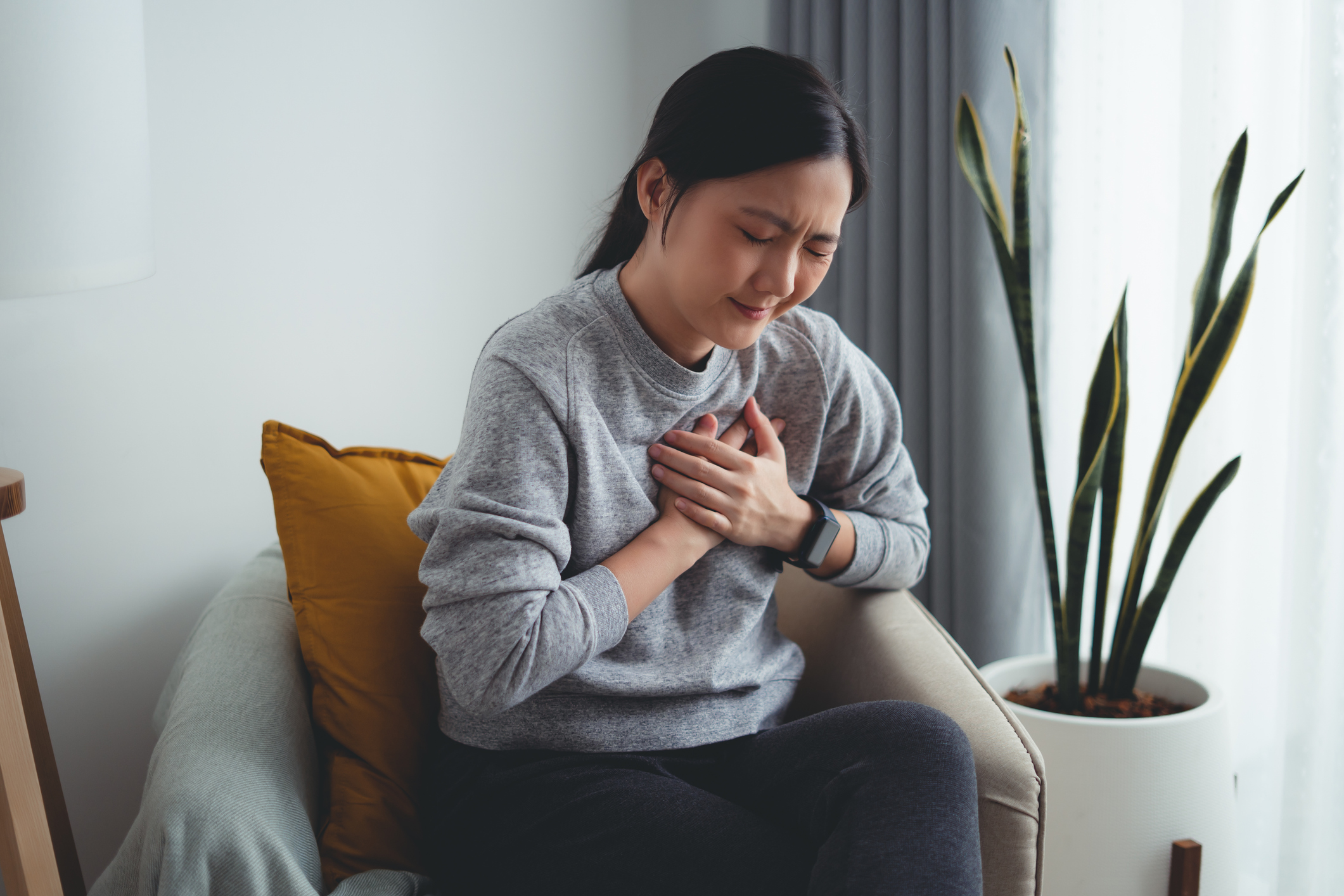
How Heart Disease is Different in Women Than it is in Men

Heart disease can be deadly for anyone, as it is the most common cause of death for both women and men in the U.S.  

Heart disease refers to several types of heart conditions. There are three types of heart disease:  

  • Coronary artery disease is the most common heart disease, caused by a buildup of plaque in the walls of the arteries that supply blood to the heart and other parts of the body. After menopause, women are at a higher risk of coronary artery disease because of hormonal changes.   
  • Arrhythmia is a condition in which the heart beats too slowly, too fast, or irregularly. A common example is atrial fibrillation.   
  • Heart failure happens when the heart is too weak to pump enough blood to support other organs in the body. This condition is serious, but it doesn’t mean the heart has stopped beating. 

While heart disease can occur in everyone, women face unique risks, largely due to differences in anatomy and hormones, such as estrogen. Estrogen protects the heart in the premenopausal years as it relaxes the arteries and promotes good cholesterol. This changes when a woman begins menopause and estrogen levels decline, increasing the chance of cardiovascular risk factors, such as high cholesterol and hypertension.  

Other heart disease risk factors include: 

  • Obesity 
  • Smoking 
  • Emotional stress and depression  
  • Diabetes 
  • Lack of physical activity 
  • Pregnancy complications 
  • Family history of early heart disease 
  • Other health conditions, such as autoimmune diseases and inflammatory conditions 

Over 60 million women (44%) in the United States are living with some form of heart disease, and it can affect them at any age. However, the prevalence of heart disease in women starts going up around the age of 65, which is about ten years later than men, presumably due to the lasting positive effects of estrogen. 

Women are more likely to have other heart attack symptoms and have a higher chance of developing symptoms from heart failure. Although some women may not show any symptoms, others may experience:  

  • Angina is usually felt as a dull or heavy chest discomfort or ache  
  • Pain in the neck, jaw, or throat  
  • Pain in the upper abdomen or back  

These symptoms may happen when you are resting or active. Women may also have other symptoms, including:  

  • Nausea  
  • Vomiting  
  • Tiredness that won’t go away or feels excessive  

In some women, the first signs and symptoms of heart disease can be:  

  • A heart attack, which occurs when blood flow to the heart muscle is reduced or blocked 
  • Palpitations  

Treatment for heart disease is similar for women and men, and can include medicines, angioplasty and stenting, or coronary artery bypass surgery.  

However, there are differences in heart disease treatment for women and men, including: 

  • Women are less likely to be treated with aspirin and statins to prevent future heart attacks than men are 
  • Women are less likely to have coronary artery bypass surgery than men. This may be because women have less obstructive disease or smaller arteries with more small vessel disease 
  • Cardiac rehabilitation can improve health and aid recovery from heart disease. However, women are less likely to be sent to cardiac rehabilitation than men are. 

Living a healthy lifestyle can help reduce the risk of heart disease. Here are some ways to live a heart-healthy lifestyle: 

  • Controlling blood pressure, blood sugar, and cholesterol  
  • Eating a healthy diet 
  • Exercising and keeping a healthy weight 
  • Managing stress 
  • Getting quality sleep 
  • Quitting smoking or stopping the use of tobacco products 
  • Limiting alcohol consumption 

If you are experiencing symptoms of heart disease, you can receive treatment at Flushing Hospital Medical Center’s Ambulatory Care Center. To schedule an appointment, please call (718) 670-5486. If there is an emergency, call 911 immediately. 

All content of this newsletter is intended for general information purposes only and is not intended or implied to be a substitute for professional medical advice, diagnosis or treatment. Please consult a medical professional before adopting any of the suggestions on this page. You must never disregard professional medical advice or delay seeking medical treatment based upon any content of this newsletter. PROMPTLY CONSULT YOUR PHYSICIAN OR CALL 911 IF YOU BELIEVE YOU HAVE A MEDICAL EMERGENCY.

Benefits of Eating Dark Chocolate

Dark Chocolate has received a great deal of attention because it’s believed to help protect your cardiovascular system. The reason being is that the cocoa bean is rich in a class of plant nutrients called flavonoids.

Higher grades of dark chocolate are where you will find an abundance of flavonoids.

Some benefits to adding a moderate amount of dark chocolate to your diet are:

  • Nutrition – If the dark chocolate you are eating has a high cocoa content it will also have a sufficient amount of soluble fiber and will be rich with minerals.
  • Antioxidants – Dark chocolate is loaded with organic compounds that are biologically active and function as antioxidants, such as polyphenols, flavanols and catechins to name a few.
  • Blood Flow and Hypertension – The bioactive compounds in cocoa have been known to improve blood flow in the arteries and cause a small but significant decrease in blood pressure.
  • Heart Disease – Eating dark chocolate has shown to be beneficial in improving several important risk factors for heart disease, reducing insulin resistance, increase high density lipoprotein (HDL or “good” cholesterol) and decreasing low density lipoprotein (LDL or “bad” cholesterol). These reductions could show decrease in cardiovascular disease.

Be careful about the type of dark chocolate you choose: chewy caramel-marshmallow-nut-covered dark chocolate is by no means a heart-healthy food option. Watch out for those extra ingredients that can add lots of extra fat and calories.

There is currently no established serving size of dark chocolate to help you reap the cardiovascular benefits it may offer, and more research is needed in this area. So, for now, it is recommended that a moderate portion of chocolate (e.g., 1 ounce) a few times per week is sufficient while eating other flavonoid-rich foods (lettuce, almonds, strawberries, celery oranges, etc.).

Even though there is evidence that eating dark chocolate can provide health benefits, it doesn’t mean you should over indulge.  It is still loaded with calories and easy to overeat.

All content of this newsletter is intended for general information purposes only and is not intended or implied to be a substitute for professional medical advice, diagnosis or treatment. Please consult a medical professional before adopting any of the suggestions on this page. You must never disregard professional medical advice or delay seeking medical treatment based upon any content of this newsletter. PROMPTLY CONSULT YOUR PHYSICIAN OR CALL 911 IF YOU BELIEVE YOU HAVE A MEDICAL EMERGENCY.

How Important is Eating Breakfast?

How important is eating a healthy breakfast to you? Please share your daily morning routine with us. Do you make the time for a healthy breakfast every morning?

Here’s what we know, breakfast is STILL the most important meal of the day.  It provides you with the energy and nutrients that lead to increased concentration whether in the classroom or at work.

Some benefits of eating a healthy breakfast are:

  • Reduces the chance of developing diabetes
  • Reduces the incidence of heart disease
  • Improves cognitive functions related to memory

Additionally, studies have shown that breakfast can be important in maintaining a healthy body weight.

Translation – Eating breakfast is a smart move!


All content of this newsletter is intended for general information purposes only and is not intended or implied to be a substitute for professional medical advice, diagnosis or treatment. Please consult a medical professional before adopting any of the suggestions on this page. You must never disregard professional medical advice or delay seeking medical treatment based upon any content of this newsletter. PROMPTLY CONSULT YOUR PHYSICIAN OR CALL 911 IF YOU BELIEVE YOU HAVE A MEDICAL EMERGENCY.

10 Tips for Dining Out With High Blood Pressure

diningout466254551

Dining out is a treat we look forward to because we get to try new foods or indulge in our favorite cuisines. However, it is recommended that if you are diagnosed with high blood pressure to be mindful of the foods you pick from the menu.  It is suggested that you stick to a diet that is low in saturated fats, does not contain MSG and has very little sodium or no added salt.

Nutritionists also advise that practicing the following tips when dining out will help in controlling blood pressure levels.

  1. Choose appetizers with fruits or vegetables, instead of salty treats.
  2. Ask for your food to be prepared without added salt or MSG.
  3. Stay away from the saltshaker.
  4. Select foods that are prepared using healthy cooking techniques such as grilling or steaming.
  5. Avoid foods that are pickled, smoked or cured.
  6. Cut away excess and visible fat from meats.
  7. Avoid using butter or foods prepared with butter.
  8. Limit sodium intake from condiments by using them sparingly or by asking that they be served on the side.
  9. Steer clear of items that include cheese.
  10. Limit the consumption of alcoholic beverages.

If you have high blood pressure you can still enjoy restaurant meals and make healthy food choices by sticking to the preceding tips.  In addition to eating healthy it is also important to remember to incorporate exercise into your daily routine and take medications as prescribed to help control your blood pressure.

All content of this newsletter is intended for general information purposes only and is not intended or implied to be a substitute for professional medical advice, diagnosis or treatment. Please consult a medical professional before adopting any of the suggestions on this page. You must never disregard professional medical advice or delay seeking medical treatment based upon any content of this newsletter. PROMPTLY CONSULT YOUR PHYSICIAN OR CALL 911 IF YOU BELIEVE YOU HAVE A MEDICAL EMERGENCY.

Stress and Heart Disease: What’s the Connection?

Everyone has some degree of stress in their lives. Health concerns, family and relationship issues, financial problems can all cause stress which can ultimately affect one’s health.

Stress has been shown to raise the levels of certain hormones such as adrenaline and cortisol. Stress can affect the way blood clots and that can increase the risk of a heart attack.

Stress can:

  • Cause ulcers
  • Exacerbate asthma
  • Lead to digestive problems
  • Cause problems sleeping
  • Elevate blood pressure
  • Lead to coronary artery disease

Stress can lead to unhealthy behaviors such as overeating, smoking and alcohol consumption. These activities are considered coping mechanisms that can lead to additional health problems. It is very important to identify the sources of stress and learn to manage them. Some tips to manage stress include:

  • Learning to cope
  • Having a positive approach to situations
  • Starting an exercise regime
  • Eating healthy
  • Getting proper rest

If these don’t work, you can speak with a medical professional who can prescribe medication. The important thing to remember is that by reducing stress you will also be lowering the likelihood of developing long term health issues.

All content of this newsletter is intended for general information purposes only and is not intended or implied to be a substitute for professional medical advice, diagnosis or treatment. Please consult a medical professional before adopting any of the suggestions on this page. You must never disregard professional medical advice or delay seeking medical treatment based upon any content of this newsletter. PROMPTLY CONSULT YOUR PHYSICIAN OR CALL 911 IF YOU BELIEVE YOU HAVE A MEDICAL EMERGENCY.