
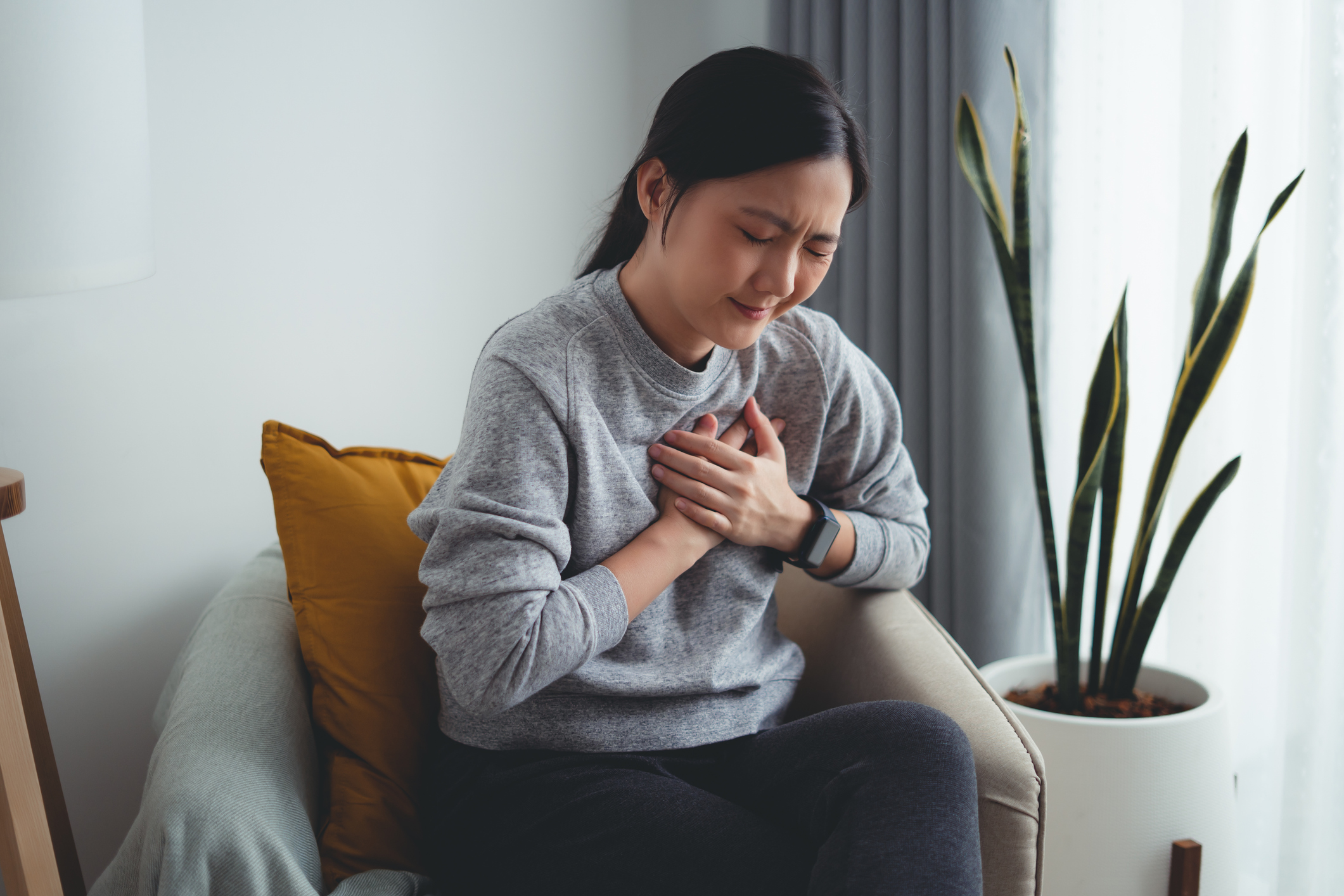
 Heart disease can be deadly for anyone, as it is the most common cause of death for both women and men in the U.S.
Heart disease refers to several types of heart conditions. There are three types of heart disease:
- Coronary artery disease is the most common heart disease, caused by a buildup of plaque in the walls of the arteries that supply blood to the heart and other parts of the body. After menopause, women are at a higher risk of coronary artery disease because of hormonal changes.
- Arrhythmia is a condition in which the heart beats too slowly, too fast, or irregularly. A common example is atrial fibrillation.
- Heart failure happens when the heart is too weak to pump enough blood to support other organs in the body. This condition is serious, but it doesn’t mean the heart has stopped beating.
While heart disease can occur in everyone, women face unique risks, largely due to differences in anatomy and hormones, such as estrogen. Estrogen protects the heart in the premenopausal years as it relaxes the arteries and promotes good cholesterol. This changes when a woman begins menopause and estrogen levels decline, increasing the chance of cardiovascular risk factors, such as high cholesterol and hypertension.
Other heart disease risk factors include:
- Obesity
- Smoking
- Emotional stress and depression
- Diabetes
- Lack of physical activity
- Pregnancy complications
- Family history of early heart disease
- Other health conditions, such as autoimmune diseases and inflammatory conditions
Over 60 million women (44%) in the United States are living with some form of heart disease, and it can affect them at any age. However, the prevalence of heart disease in women starts going up around the age of 65, which is about ten years later than men, presumably due to the lasting positive effects of estrogen.
Women are more likely to have other heart attack symptoms and have a higher chance of developing symptoms from heart failure. Although some women may not show any symptoms, others may experience:
- Angina is usually felt as a dull or heavy chest discomfort or ache
- Pain in the neck, jaw, or throat
- Pain in the upper abdomen or back
These symptoms may happen when you are resting or active. Women may also have other symptoms, including:
- Nausea
- Vomiting
- Tiredness that won’t go away or feels excessive
In some women, the first signs and symptoms of heart disease can be:
- A heart attack, which occurs when blood flow to the heart muscle is reduced or blocked
- Palpitations
Treatment for heart disease is similar for women and men, and can include medicines, angioplasty and stenting, or coronary artery bypass surgery.
However, there are differences in heart disease treatment for women and men, including:
- Women are less likely to be treated with aspirin and statins to prevent future heart attacks than men are
- Women are less likely to have coronary artery bypass surgery than men. This may be because women have less obstructive disease or smaller arteries with more small vessel disease
- Cardiac rehabilitation can improve health and aid recovery from heart disease. However, women are less likely to be sent to cardiac rehabilitation than men are.
Living a healthy lifestyle can help reduce the risk of heart disease. Here are some ways to live a heart-healthy lifestyle:
- Controlling blood pressure, blood sugar, and cholesterol
- Eating a healthy diet
- Exercising and keeping a healthy weight
- Managing stress
- Getting quality sleep
- Quitting smoking or stopping the use of tobacco products
- Limiting alcohol consumption
If you are experiencing symptoms of heart disease, you can receive treatment at Flushing Hospital Medical Center’s Ambulatory Care Center. To schedule an appointment, please call (718) 670-5486. If there is an emergency, call 911 immediately.
All content of this newsletter is intended for general information purposes only and is not intended or implied to be a substitute for professional medical advice, diagnosis or treatment. Please consult a medical professional before adopting any of the suggestions on this page. You must never disregard professional medical advice or delay seeking medical treatment based upon any content of this newsletter. PROMPTLY CONSULT YOUR PHYSICIAN OR CALL 911 IF YOU BELIEVE YOU HAVE A MEDICAL EMERGENCY.