Top 5 Women’s Health Issues

Do you know which health conditions pose the biggest threat to American women? The good news is that many of the leading threats to women’s health, which can vary based on a woman’s age and background, are preventable. Find out which conditions to be aware of to maximize your health today.

  1. Heart disease is the leading cause of death among women. Luckily, there are many lifestyle changes you can make to ward off heart disease, such as not smoking, following a heart-smart diet, and being physically active.


  1. Stroke poses a significant risk to women’s health in the United States. Almost 55,000 women suffer from stroke each year, and about 60 percent of overall stroke deaths occur among women.


  1. Two of the most common cancers affecting women are breast and cervical cancers. Early detection is the key to keeping women alive and healthy. The most recent figures show that around half a million women die from cervical cancer and half a million from breast cancer each year.


  1. Sexually transmitted diseases are responsible for one third of health issues for women between the ages of 15 and 44 years. Unsafe sex is a major risk factor – particularly among women and girls in developing countries.


  1. Depression is the most common mental health problem for women and suicide a leading cause of death for women under 60. Evidence suggests that women are more prone than men to experience anxiety, depression, and somatic complaints – physical symptoms that cannot be explained medically.


The first step to staying healthy is educating yourself, and then taking the necessary precautions to reduce your risk. While you can’t eliminate risk factors such as family history, you can control many other risk factors for heart disease, stroke and cancer. Also be sure to consult your doctor about when you should have mammograms and other cancer screenings. The Outpatient Mental Health Division at Flushing Hospital Medical Center has an experienced and friendly staff readily available to assist you. To make an appointment please call, 718-670-5562. If you are experiencing stroke or heart disease symptoms please refer to the Ambulatory Care Center at Flushing Hospital. To make an appointment, please call 718-670-5486.

All content of this newsletter is intended for general information purposes only and is not intended or implied to be a substitute for professional medical advice, diagnosis or treatment. Please consult a medical professional before adopting any of the suggestions on this page. You must never disregard professional medical advice or delay seeking medical treatment based upon any content of this newsletter. PROMPTLY CONSULT YOUR PHYSICIAN OR CALL 911 IF YOU BELIEVE YOU HAVE A MEDICAL EMERGENCY.
Signs of a Stroke

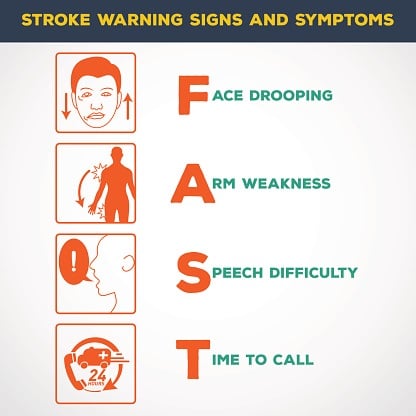
stroke and symptoms V2 -493247760The easiest way to recognize the warning signs of a stroke is to think F.A.S.T.  If someone you know is suddenly exhibiting the following signs, call 9-1-1 for help immediately:

F- Face Drooping: If one side of the person’s face is drooping, ask them if their face feels numb and ask them to smile.   You should be concerned if they are unable to smile or their smile is uneven.

A- Arm weakness:  Does the individual’s arm feel numb or weak? Ask them to raise both arms and watch to see if one arm drifts downward.

S- Speech difficulty: If the person is trying to speak and they are difficult to understand or their speech is slurred, ask them to say a simple sentence, such as “my name is Jane,” repeatedly.

T- Time to call 9-1-1:  You should never wait more than five minutes to call 9-1-1 if someone is displaying these warning signs.

Additional symptoms of a stroke are:

  • Sudden confusion
  • Severe headaches
  • Blurred vision
  • Dizziness
  • Sudden loss of coordination

Stroke is one of the leading causes of death and long-term disability in the United States.  Eighty percent of strokes are preventable and by spotting these warning signs and acting quickly, the severity of a stroke can be reduced drastically.   during the month of May we are showing our support for stroke awareness and American Stroke Month through education.   To speak with a medical professional about stroke prevention and care please call our ambulatory care unit at

During the month of May, Flushing Hospital  is  showing its support for stroke awareness and American Stroke Month by providing education to the communities it serves.   To speak with a medical professional about stroke prevention and care please call our ambulatory care unit at 718-670-5486 or visit the National Stroke Association’s website at www.stroke.org.

All content of this newsletter is intended for general information purposes only and is not intended or implied to be a substitute for professional medical advice, diagnosis or treatment. Please consult a medical professional before adopting any of the suggestions on this page. You must never disregard professional medical advice or delay seeking medical treatment based upon any content of this newsletter. PROMPTLY CONSULT YOUR PHYSICIAN OR CALL 911 IF YOU BELIEVE YOU HAVE A MEDICAL EMERGENCY.

Preeclampsia Awareness Month

Preeclampsia Awareness Month is a nationally recognized health observance that presents an opportunity to offer education to help increase awareness of this life-threatening disorder.

Preeclampsia occurs in eight percent of all pregnancies.  Formerly called toxemia, preeclampsia is a condition that is marked by high blood pressure in pregnant women that have previously not experienced high blood pressure. Symptoms of preeclampsia include high levels of protein are found in their urine and they may have swelling in the feet, legs and hands.  Preeclampsia appears late in the pregnancy, generally after the 20 week mark, although, in some cases, it can appear earlier.

If left undiagnosed and untreated, preeclampsia can become a more serious condition called eclampsia, which can put the expectant mother and baby at risk.

There is no cure for preeclampsia, but when it is caught in its early stages, it is easier to manage.

If you are pregnant and would like to make an appointment at our Women’s Health Center, call 718-670-5486.

For more hospital events, highlights, health and  fitness tips, visit us on 

  or

and follow us on Twitter or 


All content of this newsletter is intended for general information purposes only and is not intended or implied to be a substitute for professional medical advice, diagnosis or treatment. Please consult a medical professional before adopting any of the suggestions on this page. You must never disregard professional medical advice or delay seeking medical treatment based upon any content of this newsletter. PROMPTLY CONSULT YOUR PHYSICIAN OR CALL 911 IF YOU BELIEVE YOU HAVE A MEDICAL EMERGENCY.

Flushing Hospital: Raising Awareness About Food Allergies

May has been designated as Food Allergy Action Month in an effort to educate Americans about food allergies and to support those who suffer from them.

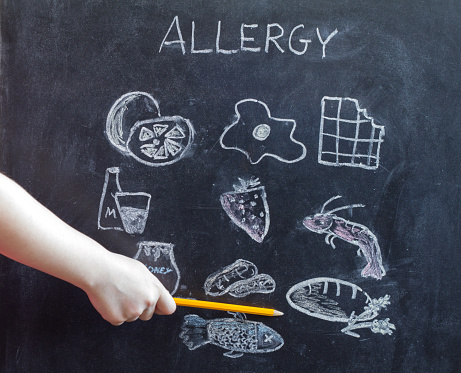
Allergy food and beverages on blackboard

Recent surveys indicate that 15 million Americans now suffer from food allergies. This number indicates that food allergies are much more common than previously believed and the number of people with allergies is steadily growing. It is now estimated that one out of every 13 children has a food allergy.

An allergic reaction occurs when the body’s immune system mistakenly identifies a food component as a hazardous substance and attacks it. The effects of food allergies may appear on the skin, in the respiratory passage, or in the gastrointestinal tract. The symptoms of food allergies may vary from mild to severe, and in extreme cases, they can even be fatal.

Minor reactions include:
• Skin rash
• Eczema
• Diarrhea
• Stomach cramps
• Nausea

Serious Reactions Include:
• Obstructive inflammation of the tongue and respiratory tract
• Panting and wheezing
• Lack of oxygen, leading to blue lips
• Unconsciousness
• Drop in pulse rate

Anaphylaxis is a very serious allergic reaction that can cause death. This type of allergic reaction requires immediate action and medical attention. If you or a loved one has a severe food allergy, you must be prepared for an emergency. Learn the signs and symptoms of anaphylaxis and know what the emergency care plan is. It may include the administration of epinephrine, a life-saving drug.

Over 170 different foods have been reported to cause an allergic reaction, but the food products that cause the most reactions are:
• Soy
• Milk
• Fish / Shellfish
• Peanuts / Tree Nuts
• Eggs
• Wheat

There is currently no cure for food allergies. To prevent an allergic reaction, it is important for the person with the allergy to stay away from foods that cause symptoms. Contact with even the smallest amounts of the allergen can cause serious problems. To avoid an allergic reaction, take the following precautions:
• Learn to carefully read food labels and ask about ingredients in prepared foods
• Wash your hands with soap and warm water before and after touching food
• Use clean, uncontaminated utensils when preparing foods
• Educate others about food allergies.

Every year in the United States, approximately 30,000 individuals are brought to hospital Emergency Departments and 150 people die due to severe allergic reactions. Flushing Hospital joins the effort to raise awareness about food allergies and urges everyone to learn more about this growing, yet manageable issue.

All content of this newsletter is intended for general information purposes only and is not intended or implied to be a substitute for professional medical advice, diagnosis or treatment. Please consult a medical professional before adopting any of the suggestions on this page. You must never disregard professional medical advice or delay seeking medical treatment based upon any content of this newsletter. PROMPTLY CONSULT YOUR PHYSICIAN OR CALL 911 IF YOU BELIEVE YOU HAVE A MEDICAL EMERGENCY.

Hand Hygiene day

Since 2005, the World Health Organization has been  leading a global effort to improve hand hygiene in order to reduce infections among healthcare workers and the patients that they care for. This initiative is recognized on May 5th every year throughout the world.
Proper hand hygiene is very important in keeping germs from spreading from person to person. Hands should be washed:
• Before, during and after preparing food
• Before eating
• Before and after taking care of a person who is ill
• Before treating a wound
• After using the bathroom
• After sneezing, coughing or wiping a runny nose
• After taking out the garbage
• Before coming in to contact with a baby
• After touching pets
Usually warm water and soap are sufficient to clean your hands. If the cleanliness of the water is questionable, a hand sanitizer that contains at least 60 percent alcohol can be used, keeping in mind that it may not remove all chemicals from the skin and doesn’t kill all types of germs.
There is no exact amount of time that hand washing should take but a good rule of thumb is about 20 seconds or about the same amount of time that it takes to sing the Happy Birthday song.

All content of this newsletter is intended for general information purposes only and is not intended or implied to be a substitute for professional medical advice, diagnosis or treatment. Please consult a medical professional before adopting any of the suggestions on this page. You must never disregard professional medical advice or delay seeking medical treatment based upon any content of this newsletter. PROMPTLY CONSULT YOUR PHYSICIAN OR CALL 911 IF YOU BELIEVE YOU HAVE A MEDICAL EMERGENCY.

Natural Relief From Arthritis Pain

May is recognized each year as National Arthritis Awareness Month. Arthritis is a painful and degenerative condition marked by swelling in the joints that causes stiffness and pain. It is the number one cause of disability for more than 50 million Americans.

The most common type of arthritis, osteoarthritis, gets worse with age and is caused by wear and tear over the years. Unfortunately there isn’t a cure for arthritis but there are treatment and medication options to ease the pain. Doctors traditionally treat arthritis with anti-inflammatory medications and painkillers. However, some medications cause side effects, and a natural approach to pain relief is also an option.

  1. Reduce the stress on your joints by losing weight will improve your mobility, decrease pain, and prevent future damage to your joints.
  2. Get more exercise. Regular movement helps to maintain flexibility in your joints.
  3. Try Acupuncture. It is thought that acupuncture has the ability to reduce arthritis pain. If you want to try this treatment method, be sure to find an experienced acupuncturist with good references.
  4. Add turmeric spice to your dishes. Turmeric, the yellow spice common in Indian dishes, contains a chemical called curcumin that may be able to reduce arthritis pain. The secret is its anti-inflammatory properties.
  5. Try herbal supplements. Some of the herbs touted for arthritis pain include boswellia, bromelain, devil’s claw, ginkgo, stinging nettle, and thunder god vine.

Before trying any of these natural alternatives to joint pain relief, consult with your doctor first to decide what works best for you. The Pain Management Center at Flushing Hospital is designed to diagnose and treat a vast array of chronic pain syndromes. To schedule an appointment, please call at 718-670-8797.

All content of this newsletter is intended for general information purposes only and is not intended or implied to be a substitute for professional medical advice, diagnosis or treatment. Please consult a medical professional before adopting any of the suggestions on this page. You must never disregard professional medical advice or delay seeking medical treatment based upon any content of this newsletter. PROMPTLY CONSULT YOUR PHYSICIAN OR CALL 911 IF YOU BELIEVE YOU HAVE A MEDICAL EMERGENCY.

Tips for Staying Hydrated

Portrait of a female athlete drinking form a water bottle

With winter behind us and warmer weather on the horizon, more and more people will begin to participate in outdoor activities. Before you begin, make sure you drink plenty of water in order to avoid dehydration. Here are some tips to help you stay hydrated:


  • The rule that you need to drink eight glasses of water per day is a myth. The Institute of Medicine recommends women should receive 2.2 liters of fluid intake per day and men should get three liters. Keep in mind that fluid intake can come from beverages other than water.
  • While thirst is your body’s way of preventing dehydration, being thirsty doesn’t mean that you are dehydrated. Thirst is our brain’s way of telling us to drink more to avoid dehydration.
  • The color of your urine is a good, real-time indicator of dehydration, but the misconception is that urine should be clear. In truth, urine should be a pale-yellow color.
  • Caffeinated beverages, such as coffee or tea will not dehydrate you if consumed in moderate amounts. Caffeine is considered a mild diuretic, the amount of water in it offsets the amount of fluid it will cause you to lose through increased urination.
  • Drinking isn’t the only way of increasing your water intake. It is estimated that we get up to 20% of our daily water intake from the foods we eat. Fruits and vegetables contain the most, with cucumbers, celery, and watermelon having the highest concentration of water.
  • There is also such a thing as drinking too much water and becoming overhydrated. This can be very dangerous and can lead to a condition called hyponatremia. Symptoms include nausea, vomiting, headache, and fatigue. To avoid this problem, do not drink to the point that you are full from water alone.

All content of this newsletter is intended for general information purposes only and is not intended or implied to be a substitute for professional medical advice, diagnosis or treatment. Please consult a medical professional before adopting any of the suggestions on this page. You must never disregard professional medical advice or delay seeking medical treatment based upon any content of this newsletter. PROMPTLY CONSULT YOUR PHYSICIAN OR CALL 911 IF YOU BELIEVE YOU HAVE A MEDICAL EMERGENCY.

Smoking Cessation and Weight Gain

One of the reasons that people don’t want to stop smoking is because they are worried about gaining weight. Smoking increases the rate of metabolism so when a person quits, their metabolism slows and they tend to eat a little bit more than they did when they were still smoking. As a result, people will typically gain four to 10 pounds when they quit. When you snack between meals, over the course of time, you can slowly be adding on the pounds. Nicotine is an appetite suppressant, so it reduces these cravings. Smoking also makes people feel good, so that is another reason that people will eat sweet  foods such as cookies and cake to replace cigarettes.

If you find yourself craving something sweet to eat, there are healthy alternatives:

  • Fruits and vegetables
  • Fat free or low fat snacks
  • Sugar free candies

Drinking plenty of water and brushing your teeth frequently throughout the day will keep your breath fresh and will take away the urge to smoke.

Try finding alternate activities that will keep you busy so that you won’t have the desire to reach for a cigarette. It might be helpful to go to a movie theater, take a long walk, use the stairs instead of an elevator when possible, read a book and spend time with people who are supportive and who don’t smoke.

Smoking is a leading factor in heart disease, cancer, stroke, and many other illnesses. Speak to your physician to learn about ways to quit and how to manage the changes your body will experience. If you would like to speak with a physician at Flushing Hospital Medical Center, please call 718-670-5486  to schedule an appointment.

All content of this newsletter is intended for general information purposes only and is not intended or implied to be a substitute for professional medical advice, diagnosis or treatment. Please consult a medical professional before adopting any of the suggestions on this page. You must never disregard professional medical advice or delay seeking medical treatment based upon any content of this newsletter. PROMPTLY CONSULT YOUR PHYSICIAN OR CALL 911 IF YOU BELIEVE YOU HAVE A MEDICAL EMERGENCY.

Infertility – Causes and Treatments

Tablet with the diagnosis Infertility on the displayInfertility is more common than many realize. It is estimated that 1 in 8 couples have trouble getting pregnant or sustaining a pregnancy. Infertility affects both men and women equally.

There are several factors that can contribute to infertility. In men some of these are:

  • Problems with the delivery of sperm
  • Exposure to toxic chemicals
  • Damage resulting from chemotherapy or radiation
  • Abnormalities in the production of sperm
  • Use of tobacco or alcohol

Some causes of infertility in women may be the result of:

  • Hormonal abnormalities
  • Ovulation disorders
  • Damage to reproductive organs
  • Uterine or cervical abnormalities
  • Use of tobacco or alcohol

Although these conditions can impair a person’s ability to conceive, seeking medical assistance as soon as possible can greatly increase their chances of conception.  A physician who specializes in infertility will conduct several tests to determine probable causes and explore several treatment options. Treatment can be surgical or medicinal and may include:

  • Intrauterine insemination
  • In vitro fertilization
  • Clomiphene citrate (Clomid)
  • Gonadotropin-releasing hormone (Gn-RH)
  • Human menopausal gonadotropin or hMG
  • Follicle-stimulating hormone or FSH
  • Metformin
  • Bromocriptine
  • Sperm extraction

While coping with infertility can be challenging, it is important for individuals to remember not to blame themselves, lean on their partner or loved ones for support, acknowledge stress and practice stress-reducing techniques, gain knowledge by utilizing resources such as the National Infertility Association’s website-www.resolve.org.

The National Infertility Association also founded National Infertility Week, which is observed each year to increase public understanding and awareness of the reproductive disease. People who are trying to conceive are encouraged to learn the guidelines for seeing an infertility specialist. For more information about this observance, please visit http://www.resolve.org/national-infertility-awareness-week/home-page.html

All content of this newsletter is intended for general information purposes only and is not intended or implied to be a substitute for professional medical advice, diagnosis or treatment. Please consult a medical professional before adopting any of the suggestions on this page. You must never disregard professional medical advice or delay seeking medical treatment based upon any content of this newsletter. PROMPTLY CONSULT YOUR PHYSICIAN OR CALL 911 IF YOU BELIEVE YOU HAVE A MEDICAL EMERGENCY.

Pleasing Your Picky Eater

Inventing ways to please a picky eater is part of what it means to be a parent. Mealtime can be a constant battle and many parents worry about what their children eat — and don’t eat. However, you can avoid the mealtime battles and win the war for your child’s proper nutrition by considering these tips:

  1. Stick to the routine. Serve meals and snacks at about the same times every day. Keeping your child on an eating schedule will allow their bodies to tell them when they’re hungry.
  2. Make it fun. Include dipping sauces with fruits and veggies for a light snack or use shaped cookie cutters to make foods look more appealing to your child.
  3. Let them cook. Children are more likely to eat their own creations, so, when appropriate, let your picky eater help prepare the food. Give your little chef jobs such as tearing and washing lettuce, scrubbing potatoes, or stirring batter.
  4. Go shopping together. When grocery shopping let your child choose some fruits and vegetables. Doing this will help familiarize them to good foods and they will be more excited to try these foods at home.
  5. Be patient. This is the most important tip. When introducing new foods to your child there will be some hits and some misses but you shouldn’t give up.

Luckily for most parents, raising a picky eater is a short-lived phase for their child. Using these tips can improve your child’s willingness to try new things. For more information on tracking your child’s development and nutrition, schedule regular check-ups with their pediatrician. The Department of Pediatrics at Flushing Hospital Medical Center provides care to infants, children and young adults. To make an appointment, please call 718-670-5486.

For more hospital events, highlights, health and fitness tips, visit us on 

  or

and follow us on Twitter or 

All content of this newsletter is intended for general information purposes only and is not intended or implied to be a substitute for professional medical advice, diagnosis or treatment. Please consult a medical professional before adopting any of the suggestions on this page. You must never disregard professional medical advice or delay seeking medical treatment based upon any content of this newsletter. PROMPTLY CONSULT YOUR PHYSICIAN OR CALL 911 IF YOU BELIEVE YOU HAVE A MEDICAL EMERGENCY.