How to Treat a Sprained Ankle

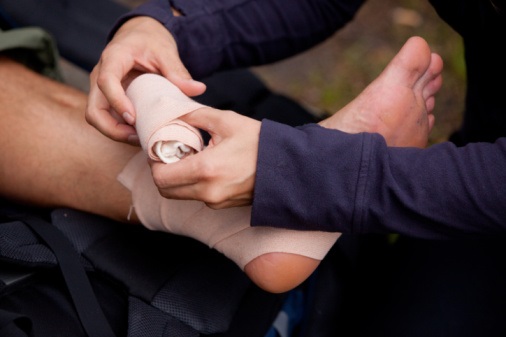
Ankle Tensor BandageAn ankle sprain occurs when you have stretched or torn the ligaments in your ankle. This is often caused by making too quick of a movement, which forces the joint out of its normal position.

Ankle sprains can range from mild to severe, depending on how much damage has been done to the ligaments.  Typically symptoms include:

  • Swelling
  • Bruising
  • Pain
  • Stiffness or restricted range of motion
  • Redness or warmth in the area

If your symptoms are mild you can treat your injury by:

  • Applying ice- This will help in reducing swelling and pain.
  • Resting the ankle- This can be done by using crutches and keeping the affected leg elevated.
  • Taking over the counter (OTC) painkillers- OTC painkillers such as ibuprofen are effective in managing pain and swelling.
  • Applying compressions- Wrapping your ankle with adhesive bandages or wearing a brace will help reduce swelling and provide protection.

Typically mild sprains tend to last seven to ten days; however, if you are experiencing intense pain, abnormal swelling and are unable to place weight on your ankle, it is likely that your case is severe and needs immediate medical attention.

If left untreated severe ankle sprains can lead to chronic ankle instability, chronic pain and early onset arthritis.  To reduce the risk of furthering your injury, schedule an appointment with your doctor if symptoms continue past 10 days.

Flushing Hospital Medical Center’s Division of Orthopedics is staffed with highly trained and respected doctors in their field. The division recently welcomed fellowship-trained surgeons, Drs. George Ackerman and Teo Mendez from Manhattan-based New York Orthopedics.  Both physicians specialize in the treatment and surgical procedures of the knee, foot and ankle, shoulder, hip, and elbow, as well as sports-related injuries. They have worked extensively as team physicians for both professional and college sports teams. To schedule an appointment with an orthopedist at Flushing Hospital Medical Center, please call 718-670-5486.

All content of this newsletter is intended for general information purposes only and is not intended or implied to be a substitute for professional medical advice, diagnosis or treatment. Please consult a medical professional before adopting any of the suggestions on this page. You must never disregard professional medical advice or delay seeking medical treatment based upon any content of this newsletter. PROMPTLY CONSULT YOUR PHYSICIAN OR CALL 911 IF YOU BELIEVE YOU HAVE A MEDICAL EMERGENCY.


Benefit of the Annual Physical

The greatest benefit of an annual physical is knowledge for both you and your physician.  An annual visit establishes a baseline for your personal health.  Armed with this information, your doctor can detect unhealthy trends before they become risk factors.

Nearly one third of the population with a chronic disease is unaware that they have the disease.  According to the Partnership to Fight Chronic Disease, as many as 100,000 lives could be saved each year by increasing preventive care services.

Health screenings, such as blood glucose and blood pressure tests can easily detect the two most chronic conditions, diabetes and hypertension before they cause serious health issues.  The Centers for Disease Control cites that seven out of every 10 deaths are caused by chronic disease.  Proper management of these conditions can prevent unnecessary hospitalization.

In order to get the most out of your annual physical, take a moment to prepare:

  • Make a list of your health concerns
  • Make a list of all the medications you are taking
  • Get a copy of your medical records and your family medical history

Dozens of Patient Care Specialists, on staff at Flushing Hospital Medical Center, are ready to provide you with your annual check-up.

Flushing Hospital is a certified Patient Centered Medical Home (PCMH) in its Ambulatory Care Center. The Center offers more than 50 outpatient general and specialty services for children adolescents and adults.

Flushing Hospital’s ambulatory care services accepts most major insurances, is centrally located and has convenient patient hours.  Call 718-670-5486 to schedule an appointment.

All content of this newsletter is intended for general information purposes only and is not intended or implied to be a substitute for professional medical advice, diagnosis or treatment. Please consult a medical professional before adopting any of the suggestions on this page. You must never disregard professional medical advice or delay seeking medical treatment based upon any content of this newsletter. PROMPTLY CONSULT YOUR PHYSICIAN OR CALL 911 IF YOU BELIEVE YOU HAVE A MEDICAL EMERGENCY.

Five Foods to Prevent Osteoporosis

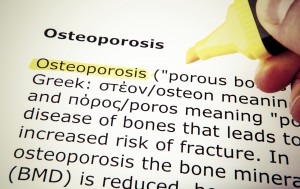
ThinkstockPhotos-451969173Osteoporosis can strike at any age and occurs in both men and women, but it is most common in post-menopausal women. Bone is living tissue that constantly regenerates. Osteoporosis causes bones to become weak and brittle making you more susceptible to fractures. The most common fractures occur in the hip, wrist or spine.

Medications, healthy diet and weight-bearing exercise can help prevent bone loss or strengthen already weak bones.

May is National Osteoporosis Month. If you suffer from osteoporosis, try adding foods that are good for your bones and rich in nutrients like calcium, vitamins D, C, and K, as well as potassium and magnesium.

.Dairy products — Low-fat and non-fat milk, yogurt and cheese that contain calcium and are fortified with vitamin D, as well as fatty fishes like canned sardines, salmon (with bones), mackerel and tuna.

.Potassium — Spinach, beet greens, okra, tomato products, artichokes, plantains, potatoes, sweet potatoes, collard greens and raisins.

.Magnesium — Tomato products, raisins, potatoes, spinach, sweet potatoes, papaya, oranges, orange juice, bananas, plantains and prunes.

.Vitamin C — Red peppers, green peppers, oranges, grapefruits, broccoli, strawberries, Brussels sprout, papaya and pineapples.

.Vitamin K — Vegetables such as kale, mustard greens, turnip greens and Brussels sprout, okra, Chinese cabbage, dandelion greens, and broccoli.

If you think you have osteoporosis, make an appointment with a doctor at Flushing Hospital Medical Center’s Ambulatory Care Center by calling 718-670-5486.

For more health and lifestyle tips, follow us on Twitter @FHMC_NYC and like us on Facebook at www.facebook.com/FlushingHospital.

All content of this newsletter is intended for general information purposes only and is not intended or implied to be a substitute for professional medical advice, diagnosis or treatment. Please consult a medical professional before adopting any of the suggestions on this page. You must never disregard professional medical advice or delay seeking medical treatment based upon any content of this newsletter. PROMPTLY CONSULT YOUR PHYSICIAN OR CALL 911 IF YOU BELIEVE YOU HAVE A MEDICAL EMERGENCY.