How Does Hot Weather Affect Asthma

Exhausted female runner suffering angina pectoris

It is a fact that breathing difficulties associated with asthma are affected by hot weather. Anyone who has walked a few blocks when it is hot and humid outside will know that breathing seems to be more difficult. This is especially true for anyone who suffers from asthma. One possible cause of this is due to the hot, humid air irritating the airways causing inflammation which will lead to symptoms of an asthma attack. Another reason is that hot and humid air is heavier and therefore a person may have to struggle to breathe..
In hot weather months there is an increase in the amount of ozone in the air and also a higher concentration of dust and fine particles which can cause existing respiratory conditions to worsen especially in the very young and the elderly.
Some of the environmental factors that affect the respiratory system are:
• Higher levels of carbon dioxide and higher temperature can lead to more spores and mold in the air.

• Higher temperatures can lead to more greenhouse gases being produced.

• Environmental production of pollutants from vehicles and factories become trapped in the atmosphere.

These environmental conditions can cause chest pain, wheezing, and coughing, and reduced lung function for those who suffer with asthma.
Irritants that affect breathing function have definitely worsened over the years due to climate changes. People are being treated more frequently in the emergency rooms across the country due to lack of clean air to breathe.
To help avoid asthma attacks in hot weather it is recommended to:
• Stay indoors as much as possible in an air conditioned environment
• Avoid strenuous activity
• Keep hydrated
• Try to limit being outdoors during the hottest time of day
To schedule an appointment with a physician at Jamaica Hospital who can help treat breathing difficulties, please call 718-206-7001.

All content of this newsletter is intended for general information purposes only and is not intended or implied to be a substitute for professional medical advice, diagnosis or treatment. Please consult a medical professional before adopting any of the suggestions on this page. You must never disregard professional medical advice or delay seeking medical treatment based upon any content of this newsletter. PROMPTLY CONSULT YOUR PHYSICIAN OR CALL 911 IF YOU BELIEVE YOU HAVE A MEDICAL EMERGENCY.
May is National Asthma and Allergy Awareness Month

The month of May has been designated as “National Asthma and Allergy Awareness Month by the Asthma and Allergy Foundation of America. Spring is the beginning of the peak season for asthma and allergy sufferers. Asthma affects approximately 24.5 million Americans, 6.3 million of them are under the age of 18. More than 50 million people in the United States have some type of allergy and that number is increasing every year.
If a person knows that they have asthma, it is suggested that they avoid things that can trigger an attack. Triggers are anything that the body is sensitive to that causes the airways to become inflamed.
Common triggers are:
• Pollen
• Changes in weather
• Dust
• Stress
• Exercise
• Chemicals
Symptoms of asthma are shortness of breath, wheezing, chest tightness, and coughing. There is no cure for asthma however there are medications that can help to keep it controlled.
Allergies are a very common chronic illness that lasts a long time or occurs frequently. Allergies occur when the body comes in to contact with a substance that causes the immune system to overreact.
Some of the more common substances people are allergic to are:
• Food
• Insect bites
• Latex
• Mold
• Pets
• Pollen
• Medications
Symptoms of allergies may include watery eyes, sneezing, itchiness, rash, hives and difficulty breathing. Severe cases can lead to anaphylactic shock which is potentially life threatening due to a lowering of the blood pressure and a dilation of the blood vessels, if not treated quickly.
Doctors can perform tests to see how you respond to small amounts of allergens.  There are ways to treat allergies, the best method though is to avoid things that you know will cause a reaction in the first place. There are medications available to control allergic reactions and doctors can give injections that act to train the immune system to not overreact to these substances.
To schedule an appointment at Flushing Hospital with a physician to discuss controlling asthma and allergies, please call 718-670-5486.

For more hospital events, highlights, health and  fitness tips, visit us on 

  or

and follow us on Twitter or 

All content of this newsletter is intended for general information purposes only and is not intended or implied to be a substitute for professional medical advice, diagnosis or treatment. Please consult a medical professional before adopting any of the suggestions on this page. You must never disregard professional medical advice or delay seeking medical treatment based upon any content of this newsletter. PROMPTLY CONSULT YOUR PHYSICIAN OR CALL 911 IF YOU BELIEVE YOU HAVE A MEDICAL EMERGENCY.

Are Allergy Shots an Option for You?

Do you suffer with seasonal allergies and over the counter medications have not helped? Allergy shots may be an option when all other treatment methods have failed.

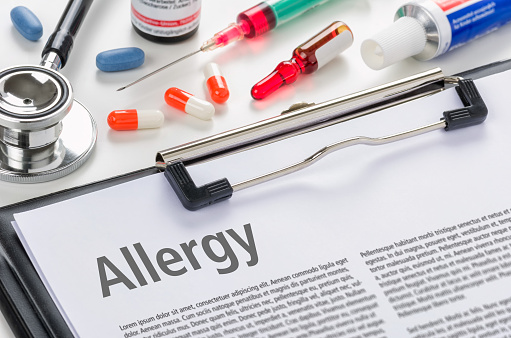
The diagnosis allergy written on a clipboard

Allergy shots, also known as immunotherapy, are injections given at regular intervals to allergy sufferers over three to five years to stop or reduce the symptoms associated with an allergy attack. Each shot contains a tiny amount of the allergens that trigger an attack; just enough to spark the immune system, but not enough to cause a reaction. Over time, doctors will increase the amount of allergens as your system builds up a tolerance to them and becomes desensitized to their effects.

Allergy shots should be considered if medications to treat your allergies are ineffective, if allergy medications poorly interact with other medications you are taking, if allergy medications cause bothersome side effects, or if you want to reduce the long-term use of allergy medications.

Allergy shots can be used to treat reactions to:

• Seasonal allergens, such as pollens released by trees, grass, and weeds
• Indoor allergens, such as dust mites, pet dander, and mold
• Insect strings from bees, wasps, hornets, or yellow jackets

Unfortunately, allergy shots cannot treat food allergies.

Before you can even consider receiving an allergy shot your doctor must perform a skin test to determine what you are allergic to. During a skin test, a small amount of multiple allergens are scratched into your skin and the area (usually the back) is observed for 15 minutes. Redness or swelling will occur on whatever substances you are allergic to.
Once identified, allergy shots are injected regularly during two different phases of treatment.

• The build-up phase –Typically shots are given one to three times a week over three to six months. During the buildup phase, the allergen dose is gradually increased with each shot.
• The maintenance – This phase generally continues for three to five years or longer with maintenance injections administered approximately once a month.

You will need to remain in the doctor’s office for 30 minutes after each shot, in case you have a reaction, which can include local redness or swelling, sneezing, or nasal congestion. In rare cases, allergy shots can result in low blood pressure or difficulty breathing.

Allergy symptoms won’t stop overnight. They usually improve during the first year of treatment, but the most noticeable improvement often happens during the second year. By the third year, most people are desensitized to the allergens contained in the shots — and no longer have significant allergic reactions to those substances. After a few years of successful treatment, some people don’t have significant allergy problems even after allergy shots are stopped. Other people need ongoing shots to keep symptoms under control.

Speak with your doctor to determine if allergy shots are an option for you. If you do not have a doctor, Flushing Hospital has an allergy clinic. For more information or to schedule an appointment, please call 718-670-5486.

All content of this newsletter is intended for general information purposes only and is not intended or implied to be a substitute for professional medical advice, diagnosis or treatment. Please consult a medical professional before adopting any of the suggestions on this page. You must never disregard professional medical advice or delay seeking medical treatment based upon any content of this newsletter. PROMPTLY CONSULT YOUR PHYSICIAN OR CALL 911 IF YOU BELIEVE YOU HAVE A MEDICAL EMERGENCY.

Are Allergies Controlling Your Life?

In some parts of the country, spring allergy season starts as early as February and can last through the summer months. Tree pollen is the first sign of allergy season’s arrival and continues to cause allergy symptoms throughout March and April. Tree pollen and grass pollen are one in the same, beginning in late spring and continuing into early summer.

Allergies are the result of an over-reactive immune system. When allergies occur, the immune system mistakenly identifies an allergen such as pollen, pet dander, mold, and dust mites as an “invader.” As a reaction, the body mounts an inappropriate immune response. To get rid of the “invader,” the immune response triggers a response that results in you experiencing typical allergy symptoms like, sneezing, runny nose, and itchy, watery eyes.

People are affected by all kinds of allergens. Some people need to avoid pollen and dust; others can’t be around dogs or cats. Regardless of what sets your allergies off, symptoms can interfere with daily activities and reduce your quality of life. Here are a few suggestions to lessen the severity of your allergies:

  1. Leave your shoes at the door

When you come home from the outside, taking your shoes off at the door lessens the amount of pollen you track into the house. Wipe down your dog’s coat before he comes into the house, too, because pollen clings to fur.

  1. Change your clothes when you get home

You can bring pollen into your home on your clothes and shoes even if you can’t see it. Toss soiled clothes in the hamper immediately; even better, take a shower.

  1. Clean or change the filters in your air conditioner

Change them at the intervals recommended by the manufacturer, or more frequently if it seems to help.

  1. Keep open windows closed

Open windows can be refreshing, but they let in pollen. Close windows and outside doors, especially on high-pollen days, and turn on the heat or the air-conditioning.

  1. Take allergy medicine at night.

If your doctor suggests or prescribes allergy medicine try taking them at night. Typically, allergy symptoms tend to be at their worst in the morning.

There are many popular methods of treatment. They work in different ways, but some are more effective than others. Before making any changes in your allergy treatment options speak with your doctor first. Flushing Hospital’s Ambulatory Care Center has qualified doctors available to diagnose and treat your allergy symptoms. To make an appointment, please call 718 670-8994.

All content of this newsletter is intended for general information purposes only and is not intended or implied to be a substitute for professional medical advice, diagnosis or treatment. Please consult a medical professional before adopting any of the suggestions on this page. You must never disregard professional medical advice or delay seeking medical treatment based upon any content of this newsletter. PROMPTLY CONSULT YOUR PHYSICIAN OR CALL 911 IF YOU BELIEVE YOU HAVE A MEDICAL EMERGENCY.

Ahhhhhchew! Cold, Flu or Seasonal Allergies?

We have sprung into spring!  Flowers and trees are beginning to bud and we should be feeling great, but some of us aren’t.  If you are one of these folks, you may be experiencing seasonal allergies, or are you?

Allergies, colds and the flu are often hard to tell apart because they share many similar symptoms. It is knowing the differences in the symptoms that will help you when seeking treatment.

Colds and the flu are caused by different viruses and the symptoms associated with the flu are often more severe.  Allergies are different because they are not caused by a virus.  It is your body’s immune system reacting to an allergen that you are allergic to such as pollen or pet dander.

This chart can help you determine whether you have seasonal allergies, a cold or the flu:

Common Cold Influenza Seasonal Allergies
Stuffy or runny nose Yes Sometimes Runny, itchy nose
Fever Sometimes; mild if present Usually, often 100 degrees F (38.8 degrees C) or higher. No
Body Aches Mild Mild to severe No
Chills Sometimes Yes, sometimes intense No
Sore Throat Often Sometimes Itchy or tickling throat
Fatigue, Weakness Sometimes Usually, can last a couple of weeks after recovery Rarely
Feeling extremely exhausted No Yes No
Headache Sometimes Usually, sometimes severe Sinus pressure or stuffiness
Sinus drainage Usually Rarely Often
Diarrhea, Vomiting No Sometimes No
Cough Mild to moderate Usually, can become severe Dry or with minimal mucus
Watering eyes Sometimes Sometimes, with fever Itchy swollen, burning, and/or watery eyes
Ears Ear congestion No Ear congestion or popping
Sneezing Usually Sometimes Yes
Timing Anytime throughout the year Most cases occur between October and May. Anytime, but symptoms are often more intense in the fall and spring seasons.

If you are experiencing some or all of the symptoms listed above and would like to make an appointment to see a physician, you can call Flushing Hospital Medical Center’s Ambulatory Care Center at 718-670-5486.

All content of this newsletter is intended for general information purposes only and is not intended or implied to be a substitute for professional medical advice, diagnosis or treatment. Please consult a medical professional before adopting any of the suggestions on this page. You must never disregard professional medical advice or delay seeking medical treatment based upon any content of this newsletter. PROMPTLY CONSULT YOUR PHYSICIAN OR CALL 911 IF YOU BELIEVE YOU HAVE A MEDICAL EMERGENCY.

The Link Between Asthma and Sinus Infections

Living with asthma is difficult. Part of that difficulty is the increased chances of developing sinusitis – or a sinus infection. According to the Asthma and Allergy Foundation of America, as many as half of all people with moderate to severe asthma, also have chronic sinusitis.

ThinkstockPhotos-495647112Sinus infections can make you feel miserable. Without good treatment, they can last for months or even years. The existence of asthma can only make chronic sinusitis feel worse – and having sinusitis can make your asthma harder to control.

But there’s good news! There are lots of treatments available for both sinus infections and asthma. And studies have shown that by treating one condition often helps relieve the symptoms of the other. The key is to treat both conditions aggressively.

Treatment is important in preventing sinusitis from worsening. Again, since the conditions are linked, treating sinusitis may have the added benefit of improving your asthma symptoms.

If you have sinusitis and asthma, your doctor might recommend the following:

• Steroid nasal sprays areused to reduce the swelling and ease the inflammation of the sinuses, allowing them to drain normally.

• Decongestant and antihistamine medicines can be helpful, but overuse can lead to more congestion. Try spraying warm salt water into the nose, or breathing in steam as an option.

• If the infection is bacterial and not viral, antibiotics can help, but the full dosage of the medication should be taken even if symptoms improve immediately

• Controlling exposure to allergens is key. It can minimize your asthma symptoms and reduce your risk of sinus infections.

If you have asthma, it is important to treat a sinus infection immediately. It will help you better manage your asthma. To make an appointment to see a doctor to manage your asthma or to treat a sinus infection, please call 718-670-5486.

All content of this newsletter is intended for general information purposes only and is not intended or implied to be a substitute for professional medical advice, diagnosis or treatment. Please consult a medical professional before adopting any of the suggestions on this page. You must never disregard professional medical advice or delay seeking medical treatment based upon any content of this newsletter. PROMPTLY CONSULT YOUR PHYSICIAN OR CALL 911 IF YOU BELIEVE YOU HAVE A MEDICAL EMERGENCY.

Benefit of the Annual Physical

The greatest benefit of an annual physical is knowledge for both you and your physician.  An annual visit establishes a baseline for your personal health.  Armed with this information, your doctor can detect unhealthy trends before they become risk factors.

Nearly one third of the population with a chronic disease is unaware that they have the disease.  According to the Partnership to Fight Chronic Disease, as many as 100,000 lives could be saved each year by increasing preventive care services.

Health screenings, such as blood glucose and blood pressure tests can easily detect the two most chronic conditions, diabetes and hypertension before they cause serious health issues.  The Centers for Disease Control cites that seven out of every 10 deaths are caused by chronic disease.  Proper management of these conditions can prevent unnecessary hospitalization.

In order to get the most out of your annual physical, take a moment to prepare:

  • Make a list of your health concerns
  • Make a list of all the medications you are taking
  • Get a copy of your medical records and your family medical history

Dozens of Patient Care Specialists, on staff at Flushing Hospital Medical Center, are ready to provide you with your annual check-up.

Flushing Hospital is a certified Patient Centered Medical Home (PCMH) in its Ambulatory Care Center. The Center offers more than 50 outpatient general and specialty services for children adolescents and adults.

Flushing Hospital’s ambulatory care services accepts most major insurances, is centrally located and has convenient patient hours.  Call 718-670-5486 to schedule an appointment.

All content of this newsletter is intended for general information purposes only and is not intended or implied to be a substitute for professional medical advice, diagnosis or treatment. Please consult a medical professional before adopting any of the suggestions on this page. You must never disregard professional medical advice or delay seeking medical treatment based upon any content of this newsletter. PROMPTLY CONSULT YOUR PHYSICIAN OR CALL 911 IF YOU BELIEVE YOU HAVE A MEDICAL EMERGENCY.

Cold Weather and Asthma

People who suffer from asthma definitely know the effects that cold air can have on their ability to breathe. When very cold and dry air enters the body, and subsequently the lungs it can cause a tightening of the airways. Cold air can cause wheezing, tightness of the chest muscles, shortness of breath, coughing, a sense of dizziness and sometimes difficulty speaking.

Taking some precautions before going outside in very cold weather can help ease the symptoms. It is important to keep asthma under control at all times. It can be helpful to take a dose of an asthma inhalant ten minutes before going outdoors. This will aid in keeping the airways open. People with asthma should carry their medication with them if they know they are going to be outdoors for any period of time. Another good idea is to keep your mouth and nose covered with a scarf when you are outside in cold weather. This will help to warm the air you are breathing. Anyone who has asthma should avoid strenuous outdoor activities. Sometimes the act of just walking on a windy day can bring on symptoms of an asthma attack. Try breathing through your nose more and through your mouth less. This will help to warm the air that enters your lungs.

People with asthma know the effects it can have during the cold days of winter. Taking a few precautions can help minimize the effects of the cold air on the body.

All content of this newsletter is intended for general information purposes only and is not intended or implied to be a substitute for professional medical advice, diagnosis or treatment. Please consult a medical professional before adopting any of the suggestions on this page. You must never disregard professional medical advice or delay seeking medical treatment based upon any content of this newsletter. PROMPTLY CONSULT YOUR PHYSICIAN OR CALL 911 IF YOU BELIEVE YOU HAVE A MEDICAL EMERGENCY.

All content of this newsletter is intended for general information purposes only and is not intended or implied to be a substitute for professional medical advice, diagnosis or treatment. Please consult a medical professional before adopting any of the suggestions on this page. You must never disregard professional medical advice or delay seeking medical treatment based upon any content of this newsletter. PROMPTLY CONSULT YOUR PHYSICIAN OR CALL 911 IF YOU BELIEVE YOU HAVE A MEDICAL EMERGENCY.

How long can viruses live outside the body?

517019433 virus sneezeWe have all seen the news reports about the tiny, disgusting germs that are on the surfaces we all encounter every day in our homes and places of work. With cold and flu season upon us, preparations are now being made by many to prevent transmission of viruses, but before you go through drastic measures, there are some important facts about viruses that you should know, such as how long do viruses live on our phones, doorknobs, and keyboards?

There is not one answer to this question. The life of a virus (technically, viruses are not alive) depends on what type of virus it is, the conditions of the environment it is in, as well as the type of surface it is on.

Cold viruses have been shown to survive on indoor surfaces for approximately seven days. Flu viruses, however, are active for only 24 hours.

All viruses have the potential to live on hard surfaces, such as metal and plastic, longer than on fabrics and other soft surfaces. In fact, infectious flu viruses can survive on tissues for only 15 minutes. Viruses tend to also live longer in areas with lower temperatures, low humidity, and low sunlight.

How long these germs are actually capable of infecting you is a different story. In general, viruses are not likely to be a danger on surfaces very long. In fact, while cold viruses can live for several days, their ability to cause infection decreases after approximately 24 hours, and after only five minutes, the amount of flu virus on hands fall to low levels, making transmission much less likely.

518780419 hand washThe best defense against active viruses remains thorough hand washing. In addition, wiping down surfaces with anti-bacterial or alcohol-based cleaners will help kill viruses and decrease the chances of transmission.

All content of this newsletter is intended for general information purposes only and is not intended or implied to be a substitute for professional medical advice, diagnosis or treatment. Please consult a medical professional before adopting any of the suggestions on this page. You must never disregard professional medical advice or delay seeking medical treatment based upon any content of this newsletter. PROMPTLY CONSULT YOUR PHYSICIAN OR CALL 911 IF YOU BELIEVE YOU HAVE A MEDICAL EMERGENCY.

Protect Yourself From Getting Sick While Flying

dv2074050Thinking about escaping the germy, New York City winter season? This is a popular time of year to hop a flight to a tropical location, but did you know that air travelers are actually  up to 100 times more likely to catch a cold or the flu while flying than during normal day-to-day activities.

The primary cause for an increased rate of infection is low cabin humidity on planes. Most airplanes fly in an elevation range of 30,000 to 35,000 feet, where humidity is much lower. At very low levels of humidity, our natural defense system of mucus in our noses and throats dries up, creating an ideal environment for germs to infect us.

The best way to maintain these natural defenses is to stay hydrated. Drinking plenty of water will not only counter the overall dehydrating effects of air travel, but it can actually strengthen the body’s natural immune system.

It is recommended to sip water regularly throughout the flight rather than drink a large amount at once to protect against long dry spells in your defense system. Hot beverages are a good way to keep your protective mucous membranes working because they assist in keeping you generally hydrated and also provide moisture in the form of steam. Conversely, it is recommended that you avoid caffeine or alcoholic beverages as they can dehydrate you.

Using nasal sprays or saline mists have also been proven to be an effective means of keeping mucous membranes in your nose and throat moist. They can increase your resistance to infection while on a dry aircraft. Yet another way to defend against viruses while flying is to use a germ-killing mouthwash, which adds another layer of protection while simultaneously helping to keep your throat moist. Other experts recommend taking vitamins before flights to help boost immunity levels.

By following these tips and practicing proper hand washing behavior, you will greatly increase your chances of arriving at your destination healthy.

Follow & Like us on Twitter and Facebook:

twitter iconFacebooklike -178742843 (1)

All content of this newsletter is intended for general information purposes only and is not intended or implied to be a substitute for professional medical advice, diagnosis or treatment. Please consult a medical professional before adopting any of the suggestions on this page. You must never disregard professional medical advice or delay seeking medical treatment based upon any content of this newsletter. PROMPTLY CONSULT YOUR PHYSICIAN OR CALL 911 IF YOU BELIEVE YOU HAVE A MEDICAL EMERGENCY.