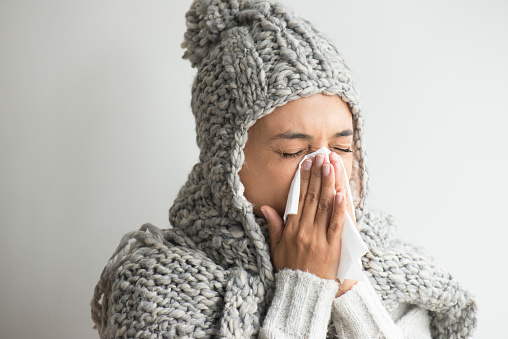
A sinus infection, also known as acute sinusitis, is the inflammation of the tissues in your sinuses.
A sinus infection can make breathing through the nose difficult and swell the area around the eyes and face. It may also cause a headache or a throbbing pain in the face.
The common cold is the usual cause of a sinus infection. However, other viruses, bacteria, fungi, and allergies can cause it.
The symptoms of a sinus infection include:
- A runny nose with thick yellow or greenish mucus
- Post-nasal drip
- A stuffy nose
- Pain, tenderness, swelling, and pressure around the eyes, cheeks, nose, or forehead that gets worse when bending over
- Ear pressure or pain
- Pain or pressure in your teeth
- Fever
- Cough
- Bad breath
- Headache
- Tiredness
- A changed sense of smell
Some people are more likely to get a sinus infection than others. Risk factors include:
- Nasal allergies
- Asthma
- Nasal polyps
- A deviated septum
- A weakened immune system
- Smoking
When diagnosing a sinus infection, a healthcare provider may ask about your symptoms and do an exam. The exam might include feeling for tenderness in the nose and face, and looking inside the nose.
Other ways to diagnose a sinus infection and rule out other conditions include:
- A nasal endoscopy
- Imaging studies
- Nasal and sinus swab samples
- Allergy testing
Most sinus infection cases get better on their own. Self-care is usually all that is needed to ease its symptoms.
Treatments to ease sinus infection symptoms can include:
- Saline nasal spray
- Nasal corticosteroids
- Decongestants
- Allergy medicines
- Over-the-counter pain relievers
Several home remedies can help relieve symptoms of a sinus infection, including:
- Resting
- Drinking plenty of fluids
- Using a warm compress
- Keeping the sinuses moist
- Rinsing the inside of the nose
If you are experiencing any problems due to a sinus infection, visit Flushing Hospital Medical Center’s Ambulatory Care Center. To schedule an appointment, please call (718) 670-5486.
All content of this newsletter is intended for general information purposes only and is not intended or implied to be a substitute for professional medical advice, diagnosis or treatment. Please consult a medical professional before adopting any of the suggestions on this page. You must never disregard professional medical advice or delay seeking medical treatment based upon any content of this newsletter. PROMPTLY CONSULT YOUR PHYSICIAN OR CALL 911 IF YOU BELIEVE YOU HAVE A MEDICAL EMERGENCY.