The Impact of Ultraprocessed Foods on Your Health

Ultraprocessed foods, or UPFs, are food products such as frozen pizza, ready-to-eat meals, instant noodles, and many store-bought breads that contain a long list of ingredients, chemical additives, and little to no “whole” foods.

Understanding ultraprocessed foods is tricky, as even experts don’t fully agree on what they specifically are and whether they are good or bad. However, a 2024 study led by researchers at Harvard T.H. Chan School of Public Health also found that a high intake of ultraprocessed foods may increase the risk of early death. Participants who ate the most ultraprocessed foods of any kind had a 4% higher risk of death from any cause and an 8% higher risk of death from neurodegenerative diseases. And according to the Yale School of Public Health, high ultraprocessed food intake has been linked to a 25%-58% higher risk of health issues related to the heart and metabolism, and a 21%-66% higher risk of mortality.

People who eat more ultraprocessed foods may tend to eat more calories overall. Data from the Centers for Disease Control and Prevention (CDC) shows that 53% of the calories that adults consumed daily, on average, came from ultraprocessed foods between 2021 and 2023. For children 18 years old and younger, it is 61.9%. Scientists are studying whether ultraprocessed foods high in saturated fat, added sugars, and sodium may mimic addictive substances in some people, and if they do, how they may do so.

Some ultraprocessed foods may contribute to poorer health outcomes. Examples of this include:

  • They may displace or replace healthier foods
  • They could lead to eating too many calories
  • They may result in eating too much saturated fat, added sugars, or sodium
  • They may influence how the brain responds to these foods
  • The changed textures may trigger the brain to stay hungry even after eating
  • They can potentially disrupt blood sugar
  • They can potentially disrupt your gut health
  • They could cause exposure to toxins

The recommendation to limit the intake of ultraprocessed foods reinforces the long-standing nutrition guidance to limit unhealthy fats, added sugars, and sodium. A diet composed mainly of ultraprocessed foods also exposes people to unhealthy additives and increases the risk of chronic inflammatory diseases.

The best way to identify ultraprocessed foods is to read the packaging of the product to see if its list of ingredients contains either food substances never or rarely used in kitchens, such as high-fructose corn syrup, hydrogenated or interesterified oils, and hydrolyzed proteins. Or it may contain classes of additives designed to make the final product palatable or more appealing, such as flavors, flavor enhancers, colors, emulsifiers, emulsifying salts, sweeteners, thickeners, and anti-foaming, bulking, carbonating, foaming, gelling, and glazing agents.

It is important to note that an overall healthy diet pattern should focus on eating healthier options such as vegetables, fruits, whole grains, beans, nuts, seeds, healthy non-tropical oils, and lean proteins.

The Yale School of Public Health offers four ways to reduce ultraprocessed foods in your diet. They include:

  1. Planning and preparing meals at home in advance that use less processed and ultraprocessed foods
  2. Drinking water and unsweetened beverages such as coffee and tea instead of soda and other sweetened drinks
  3. Eating fresh fruits and vegetables, if they are available to you. If they are not available, choose minimally processed frozen or canned options with no added salt or sugar
  4. Adding an unprocessed fruit or vegetable to your meal if an ultraprocessed food is your only option and you are short on time. And to choose an ultraprocessed food option with less sodium, saturated fat, and added sugar

If you would like to learn more about Flushing Hospital Medical Center’s nutritional services, you can visit the Ambulatory Care Center. To schedule an appointment, please call (718) 670-5486.

All content of this newsletter is intended for general information purposes only and is not intended or implied to be a substitute for professional medical advice, diagnosis or treatment. Please consult a medical professional before adopting any of the suggestions on this page. You must never disregard professional medical advice or delay seeking medical treatment based upon any content of this newsletter. PROMPTLY CONSULT YOUR PHYSICIAN OR CALL 911 IF YOU BELIEVE YOU HAVE A MEDICAL EMERGENCY.
Anorexia #NationalEatingDisorderAwarenessMonth

Anorexia nervosa, more commonly known as anorexia, is an eating disorder that involves severe calorie restriction and often a low body weight based on personal weight history. It is a complex condition that has mental, behavioral, and physical symptoms.

People who have anorexia often have a strong fear of gaining weight and may think they’re overweight, even if they are not. To prevent gaining weight or to continue to lose weight, people with anorexia often limit the amount or type of food they eat. They do this by restricting the number of calories they consume, resulting in a nutrient deficit and usually, but not always, a very low body weight.

Anorexia can cause changes in the brain due to malnutrition. If left untreated, weight loss can get to a point where people with anorexia are at high risk of serious physical harm or death. Anorexia has the second-highest death rate of any mental illness, surpassed only by opioid overdoses. Most anorexia-related deaths stem from heart conditions and suicide.

There are two subtypes of anorexia nervosa based on eating behaviors:

Restrictive anorexia– the person severely limits the amount and type of food they eat

Binge-purge anorexia– the person greatly restricts the amount and type of food they eat. However, they also have binge-eating and purging episodes where they eat large amounts of food in a short time and then intentionally vomit or use laxatives or diuretics to get rid of what they consumed.

Anorexia involves physical, behavioral, and emotional and mental signs and symptoms.

Emotional and mental signs of anorexia include:

  • Intense fear of gaining weight
  • Body dysmorphia
  • Obsessive interest in food, calories, and dieting
  • Fear of certain foods or food groups
  • Being very self-critical
  • Denying the seriousness of your low body weight and/or food restriction
  • Feeling a strong need to be in control
  • Insomnia

It is common to have other mental health conditions alongside anorexia, you may have additional mental and emotional symptoms.

Behavioral signs of anorexia include:

  • Changes in eating habits or routines, such as eating foods in a certain order or rearranging foods on a plate
  • A sudden change in food preferences, such as eliminating certain food types or food groups
  • Making frequent comments about feeling “fat” or being overweight despite weight loss
  • Purging through intentional vomiting and/or misusing laxatives or diuretics
  • Going to the bathroom right after eating
  • Misusing diet pills or appetite suppressants
  • Compulsive and/or excessive exercising
  • Continuing to limit calories even when your weight is love for your sex, height, and age
  • Wearing loose clothing and/or wearing layers to hide weight loss and stay warm
  • Withdrawing from loved ones and social events

Physical signs and symptoms of anorexia can include:

  • Significant weight loss over several weeks or months
  • Not maintaining an appropriate body weight based on your height, age, sex, stature, and physical health
  • Unexplained change in growth curve or body mass index (BMI) in children and still-growing adolescents

Physical signs and symptoms of anorexia that are side effects of starvation and malnutrition include:

  • Dizziness and/or fainting
  • Fatigue
  • Abnormal heart rhythm
  • Low blood pressure
  • Feeling cold all the time
  • Absent periods or irregular menstrual periods
  • Bloating and/or abdominal pain
  • Muscle weakness and loss of muscle mass
  • Dry skin, brittle nails, and/or thinning hair
  • Poor wound healing and frequent illness

Anorexia is a complex condition with no singular cause. Research suggests that a combination of certain factors may be responsible, such as:

  • Genetics
  • Brain changes
  • Trauma
  • Environment and culture
  • Peer pressure
  • Emotional health

Anorexia nervosa affects all gender identities, races, ages, incomes, and body types. It is also more common among teenagers, although people of any age can develop anorexia. Teens can be more at risk due to all of the changes their bodies go through during puberty. They also face peer pressure and can be more sensitive to criticism or casual comments about weight or body shape. Certain factors can raise the risk of anorexia and other eating disorders, including:

  • Family history
  • A history of weight bullying
  • A history of dieting
  • Transitions

A healthcare provider can diagnose anorexia nervosa based on the criteria listed in the Diagnostic and Statistical Manual of Mental Disorders (DSM-5). The three criteria include:

  • Restriction of calorie consumption that leads to weight loss or a failure to gain weight. This results in a significantly low body weight based on your age, sex, height, and stage of growth.
  • Intense fear of gaining weight or becoming fat
  • Having a distorted view of yourself and the seriousness of the state of your health

If you have signs and symptoms of anorexia, a healthcare provider will do a complete medical history and physical exam. They will ask questions about your:

  • Dietary history
  • Exercise history
  • Psychological history
  • Body image
  • Purging frequency and elimination habits (use of pills, laxatives, and diuretics)
  • Family history of eating disorders

Treatment for anorexia varies depending on the person’s needs. They may receive treatment through inpatient or outpatient care based on their current medical and mental state. Treatment for anorexia most often involves a combination of:

  • Individual and group psychotherapy
  • Medication
  • Hospitalization

A person with anorexia or any eating disorder will have the best recovery outcome if they receive an early diagnosis. If you or someone you know are experiencing signs and symptoms of anorexia, be sure to talk to a provider as soon as possible.

To find out more about our mental health services or to schedule a virtual appointment, call (718) 670-5316 to speak with our intake coordinator or call (718) 670-5562 to reach the clinic.


All content of this newsletter is intended for general information purposes only and is not intended or implied to be a substitute for professional medical advice, diagnosis or treatment. Please consult a medical professional before adopting any of the suggestions on this page. You must never disregard professional medical advice or delay seeking medical treatment based upon any content of this newsletter. PROMPTLY CONSULT YOUR PHYSICIAN OR CALL 911 IF YOU BELIEVE YOU HAVE A MEDICAL EMERGENCY.
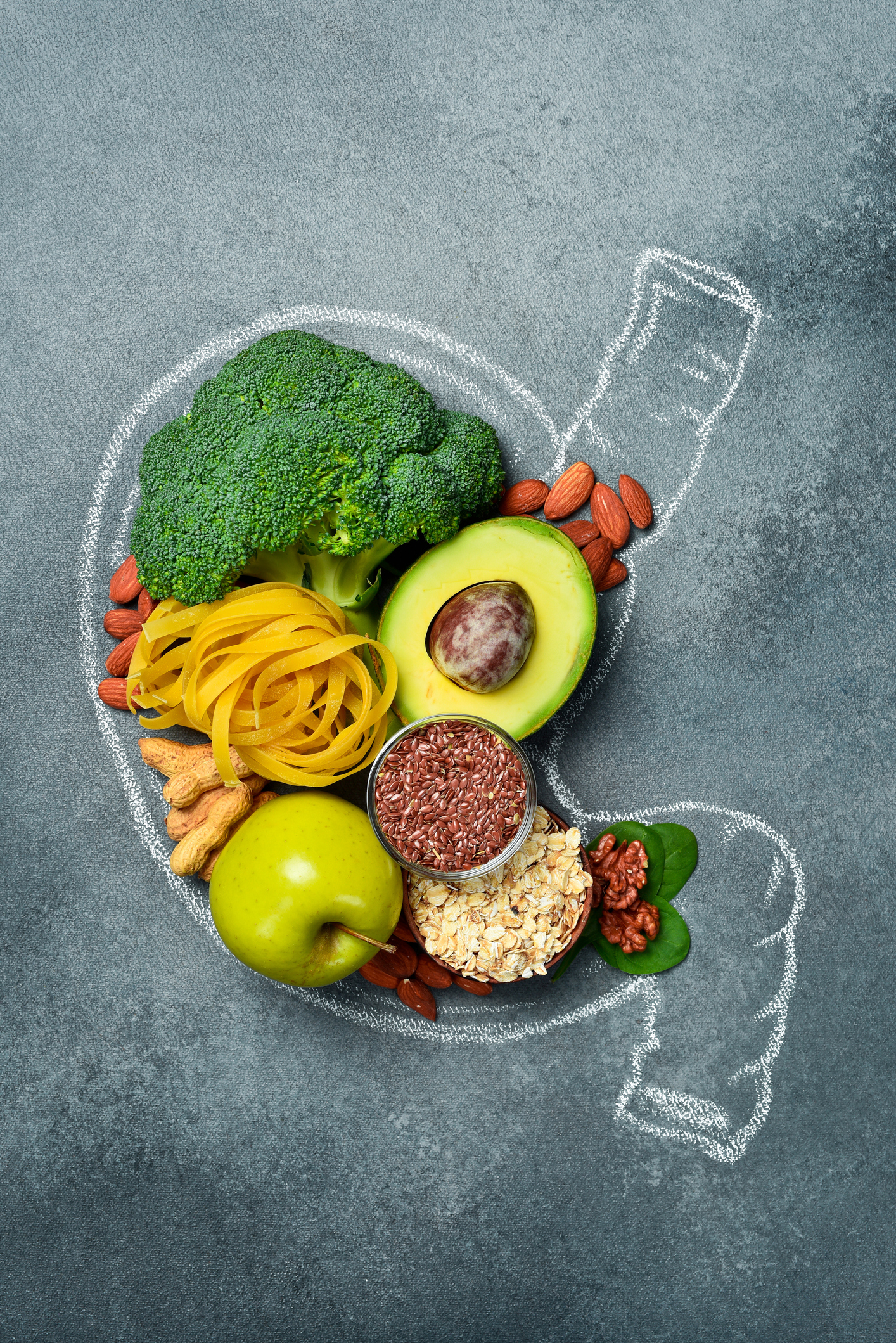
Healthy Recipe- Pan-Blackened Salmon with Garlicky Kale

It’s the middle of winter and the nights are frigid. Here is a delicious and healthy dinner recipe for pan-blackened salmon with garlicky kale that will warm up and comfort you and your family on a cold winter’s night.

https://www.foodnetwork.com/recipes/sheet-pan-blackened-salmon-with-garlicky-kale-9614139

All content of this newsletter is intended for general information purposes only and is not intended or implied to be a substitute for professional medical advice, diagnosis or treatment. Please consult a medical professional before adopting any of the suggestions on this page. You must never disregard professional medical advice or delay seeking medical treatment based upon any content of this newsletter. PROMPTLY CONSULT YOUR PHYSICIAN OR CALL 911 IF YOU BELIEVE YOU HAVE A MEDICAL EMERGENCY.

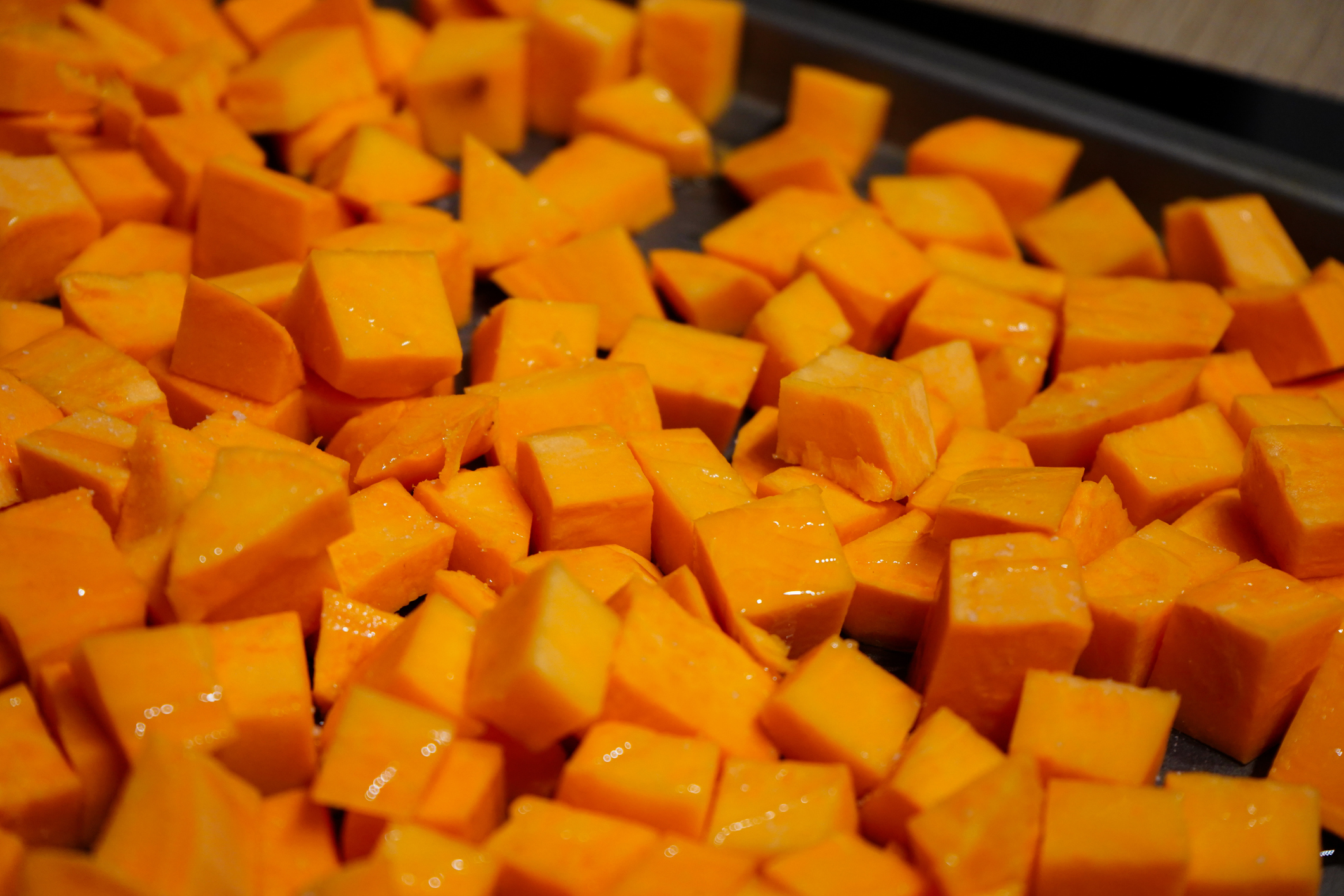
The Health Benefits of Pumpkin

It is the fall season and pumpkins are everywhere. Pumpkins are highly nutritious, containing proteins, carbohydrates, carotenoids, vitamins, and minerals. Here are some health benefits of pumpkin:

  • Highly nutritious and particularly rich in vitamin A
  • High antioxidant content may reduce your risk of chronic diseases
  • Packs vitamins that may boost immunity
  • High in nutrients that protect your eyesight
  • Nutrient density and low-calorie count may promote weight loss
  • Antioxidant content may lower your risk of cancer
  • Potassium, vitamin C, and fiber may benefit heart health
  • Contains compounds that promote healthy skin
  • High in vitamins and minerals that improve gut health

Pumpkin is a nutritious fruit to eat all year round, so don’t just save it for fall. Pumpkin is a healthy food ingredient that is versatile enough to be used in sweet and savory dishes and can improve recipes with its taste. You will benefit from its vitamins and minerals.


All content of this newsletter is intended for general information purposes only and is not intended or implied to be a substitute for professional medical advice, diagnosis or treatment. Please consult a medical professional before adopting any of the suggestions on this page. You must never disregard professional medical advice or delay seeking medical treatment based upon any content of this newsletter. PROMPTLY CONSULT YOUR PHYSICIAN OR CALL 911 IF YOU BELIEVE YOU HAVE A MEDICAL EMERGENCY.
The MIND Diet

The “MIND” diet or Mediterranean-DASH Diet Intervention for Neurodegenerative Delay diet combines the Mediterranean and the DASH diets to create a dietary pattern focusing specifically on brain health. It targets the health of the aging brain. The MIND diet aims at reducing dementia, which is the sixth leading cause of death in the United States, by targeting the health of the aging brain and helping to prevent cognitive decline.

Many experts regard the Mediterranean and DASH diets as the healthiest. Research has shown they can lower blood pressure and reduce the risk of heart disease and other diseases.

The Mediterranean and DASH diets recommend eating a lot of fruit as they have been linked with improved brain function, particularly berries.

Here are 10 other foods you are encouraged to eat on the MIND diet:

  • Green, leafy vegetables- aim to eat six or more servings per week. This includes kale, spinach, cooked greens, and salads.
  • All other vegetables- eat another non-starchy vegetable in addition to green leafy vegetables at least once per day because they provide a lot of nutrients for a low number of calories.
  • Nuts- try to eat five or more servings of nuts each week.
  • Olive oil- use olive oil as your main cooking oil.
  • Whole grains- aim for at least three daily servings of oatmeal, quinoa, brown rice, whole wheat pasta, or 100% whole wheat bread.
  • Fish- eat fatty fish such as salmon, sardines, trout, tuna, or mackerel because they are high in omega-3 fatty acids at least once weekly.
  • Beans- include beans, lentils, and soybeans in at least four weekly meals.
  • Poultry- try to eat chicken or turkey at least twice weekly.
  • Wine- aim for no more than one glass daily. Both read and white wine may benefit your brain

The MIND diet recommends limiting the following five foods:

  • Butter and margarine
  • Cheese
  • Red meat
  • Fried food
  • Pastries and sweets

Researchers encourage limiting your consumption of these foods because they contain saturated and trans fats. Studies have found that trans fats are associated with various diseases, including heart disease and Alzheimer’s.

If you are looking for a diet that focuses on maintaining brain health as you age, the MIND diet is one to consider, however, it is important to note that you should first speak with your doctor about making any changes to your diet. To consult a physician about whether the MIND diet is best for you, you can visit Flushing Hospital Medical Center’s Ambulatory Care Center. To schedule an appointment, please call (718) 670-5486.


All content of this newsletter is intended for general information purposes only and is not intended or implied to be a substitute for professional medical advice, diagnosis or treatment. Please consult a medical professional before adopting any of the suggestions on this page. You must never disregard professional medical advice or delay seeking medical treatment based upon any content of this newsletter. PROMPTLY CONSULT YOUR PHYSICIAN OR CALL 911 IF YOU BELIEVE YOU HAVE A MEDICAL EMERGENCY.

Healthy Comfort Food Swaps

As a result of the stress that comes along with juggling home and work, it is easy to reach for the most comforting food choice to make us feel better.  Let’s talk about some ways to choose comforting foods without forsaking and maintaining healthy eating habits.

Since less healthy choices are so available while we are on-the-go. This can add to the level of difficulty when attempting to make healthy food choices. Here are some tips that may make your hectic lifestyle somewhat simpler by planning meals:

Plan your menu for both home and when eating out – Planning meals well in advance will help make sure your meals are healthier and well-balanced. Such as choosing, chicken, fish, salad, fruits and veggies over foods with higher fat and calories. You can substitute potatoes and pizza crust with cauliflower, flour oil and eggs with pumpkin and cook spaghetti squash instead of grain pasta.

Avoid fast food baked goods for breakfast – Don’t be fooled by the healthy “looking” muffin, reach for a yogurt smoothie instead.  It will provide you with vitamin C and potassium, high fiber and keep you full from breakfast to lunch.

Prepare Coffee or Tea at home – Often times, barista coffee can be flavored with syrups that are high in fructose. Additionally, while waiting in line at your local coffee shop, you may be more apt to choose an unhealthy breakfast choice.  Skip the impulse purchase and brew your coffee or tea at home.

Passing on the less healthy comfort food choices can be more challenging when you’re busy. Often times, it’s easy to lose track of time and skip lunch.  No matter how heavy your workload, make time to leave the office and eat your lunch.  Starving through lunch will only lead to making unhealthy food choices later.

In order to maintain a healthy diet, you should prioritize time to purchase and prepare healthy eating choices. Although a home cooked substitution isn’t always possible, these tips can help you choose food that will give you all the comfort you need with none of the guilt.

All content of this newsletter is intended for general information purposes only and is not intended or implied to be a substitute for professional medical advice, diagnosis or treatment. Please consult a medical professional before adopting any of the suggestions on this page. You must never disregard professional medical advice or delay seeking medical treatment based upon any content of this newsletter. PROMPTLY CONSULT YOUR PHYSICIAN OR CALL 911 IF YOU BELIEVE YOU HAVE A MEDICAL EMERGENCY.

Benefits of Eating Dark Chocolate

Dark Chocolate has received a great deal of attention because it’s believed to help protect your cardiovascular system. The reason being is that the cocoa bean is rich in a class of plant nutrients called flavonoids.

Higher grades of dark chocolate are where you will find an abundance of flavonoids.

Some benefits to adding a moderate amount of dark chocolate to your diet are:

  • Nutrition – If the dark chocolate you are eating has a high cocoa content it will also have a sufficient amount of soluble fiber and will be rich with minerals.
  • Antioxidants – Dark chocolate is loaded with organic compounds that are biologically active and function as antioxidants, such as polyphenols, flavanols and catechins to name a few.
  • Blood Flow and Hypertension – The bioactive compounds in cocoa have been known to improve blood flow in the arteries and cause a small but significant decrease in blood pressure.
  • Heart Disease – Eating dark chocolate has shown to be beneficial in improving several important risk factors for heart disease, reducing insulin resistance, increase high density lipoprotein (HDL or “good” cholesterol) and decreasing low density lipoprotein (LDL or “bad” cholesterol). These reductions could show decrease in cardiovascular disease.

Be careful about the type of dark chocolate you choose: chewy caramel-marshmallow-nut-covered dark chocolate is by no means a heart-healthy food option. Watch out for those extra ingredients that can add lots of extra fat and calories.

There is currently no established serving size of dark chocolate to help you reap the cardiovascular benefits it may offer, and more research is needed in this area. So, for now, it is recommended that a moderate portion of chocolate (e.g., 1 ounce) a few times per week is sufficient while eating other flavonoid-rich foods (lettuce, almonds, strawberries, celery oranges, etc.).

Even though there is evidence that eating dark chocolate can provide health benefits, it doesn’t mean you should over indulge.  It is still loaded with calories and easy to overeat.

All content of this newsletter is intended for general information purposes only and is not intended or implied to be a substitute for professional medical advice, diagnosis or treatment. Please consult a medical professional before adopting any of the suggestions on this page. You must never disregard professional medical advice or delay seeking medical treatment based upon any content of this newsletter. PROMPTLY CONSULT YOUR PHYSICIAN OR CALL 911 IF YOU BELIEVE YOU HAVE A MEDICAL EMERGENCY.

Can Healthy Eating Promote Successful Wound Healing?

The nutritional status of a patient plays a large role in their body’s ability undergo wound healing. It requires a higher than normal level of energy and nutrients if it is going to be successful. The body requires an additional 35 calories per kilogram of body weight to help a chronic wound to heal. This will include eating a well-balanced diet that includes protein, grains, fruits, vegetables, and dairy.

A balanced diet should include 1.5 grams of protein for every kilogram of body weight. A kilogram is equal to 2.2 pounds. Keeping hydrated is also very important, eight glasses of water per day should be the minimum and more if the person sweats profusely, has a wound that is draining, or if vomiting and or diarrhea are present. Meals should include meats, eggs, milk, cheese, nuts, seeds, yogurt and dried beans. In some people who have difficulty obtaining proper caloric intake from their daily meals, high protein and high calorie shakes can be used as supplements. Two amino acids, found in foods having protein and that have been identified as having potential to help wound healing are arginine and glutamine.


People with diabetes often have difficulty with wound healing, and this is due to poor circulation, nerve damage which leads to the constant breakdown of healthy tissue components needed to heal, and a higher than normal level of sugar in the blood which can lead to higher rates of infection and causes fluids to be drained from the body. It is therefore very important for a person with diabetes to keep tight control of their disease.
Wound healing also requires additional levels of vitamins and minerals, however care must be taken too not take in more that the daily recommended amounts because this can have a negative effect on the body.


It is important to consult with a physician about how to eat successfully when trying to heal a wound and also a nutritionist who specializes in wound care.
If you have a chronic or non-healing wound, you may be a candidate for Flushing Hospital Medical Center’s outpatient Wound Care Center. To schedule an appointment or speak with a clinician, please call 718-670-4542


All content of this newsletter is intended for general information purposes only and is not intended or implied to be a substitute for professional medical advice, diagnosis or treatment. Please consult a medical professional before adopting any of the suggestions on this page. You must never disregard professional medical advice or delay seeking medical treatment based upon any content of this newsletter. PROMPTLY CONSULT YOUR PHYSICIAN OR CALL 911 IF YOU BELIEVE YOU HAVE A MEDICAL EMERGENCY.

Pleasing Your Picky Eater

Inventing ways to please a picky eater is part of what it means to be a parent. Mealtime can be a constant battle and many parents worry about what their children eat — and don’t eat. However, you can avoid the mealtime battles and win the war for your child’s proper nutrition by considering these tips:

  1. Stick to the routine. Serve meals and snacks at about the same times every day. Keeping your child on an eating schedule will allow their bodies to tell them when they’re hungry.
  2. Make it fun. Include dipping sauces with fruits and veggies for a light snack or use shaped cookie cutters to make foods look more appealing to your child.
  3. Let them cook. Children are more likely to eat their own creations, so, when appropriate, let your picky eater help prepare the food. Give your little chef jobs such as tearing and washing lettuce, scrubbing potatoes, or stirring batter.
  4. Go shopping together. When grocery shopping let your child choose some fruits and vegetables. Doing this will help familiarize them to good foods and they will be more excited to try these foods at home.
  5. Be patient. This is the most important tip. When introducing new foods to your child there will be some hits and some misses but you shouldn’t give up.

Luckily for most parents, raising a picky eater is a short-lived phase for their child. Using these tips can improve your child’s willingness to try new things. For more information on tracking your child’s development and nutrition, schedule regular check-ups with their pediatrician. The Department of Pediatrics at Flushing Hospital Medical Center provides care to infants, children and young adults. To make an appointment, please call 718-670-5486.

For more hospital events, highlights, health and fitness tips, visit us on 

  or

and follow us on Twitter or 

All content of this newsletter is intended for general information purposes only and is not intended or implied to be a substitute for professional medical advice, diagnosis or treatment. Please consult a medical professional before adopting any of the suggestions on this page. You must never disregard professional medical advice or delay seeking medical treatment based upon any content of this newsletter. PROMPTLY CONSULT YOUR PHYSICIAN OR CALL 911 IF YOU BELIEVE YOU HAVE A MEDICAL EMERGENCY.

Hey! I Thought This Was Healthy

Optimal health is a goal for many but is sometimes easier said than done. In this day and age there are so many diet fads and new health trends that inspire us for a moment and create shortcuts to a seemingly healthy lifestyle. However, everything that might seem good for you can actually be bad for you. Let’s take a look at some popular health beverages that are actually junk food in disguise.

  1. Fruit Juices

When you go to the supermarket you see a lot of juices that claim to have 100% fruit juice. That must be healthy because it comes from a fruit right? Wrong. A lot of the fruit juice is not really fruit juice. Sometimes there isn’t even any actual fruit in there, just chemicals that taste like fruit. What you’re drinking is basically just fruit-flavored sugar water. Fruit juice is like fruit, except with all the good stuff (like the fiber) taken out, only leaving you with sugar.

  1. Sports Drinks

Sports drinks were designed with athletes in mind. Whether you are committing to a steady workout routine or joining a local sports team to stay in shape, you might grab a sports drink every once in a while to stay hydrated. These drinks contain electrolytes (salts) and sugar, which can be useful for athletes in many cases. However, most regular people don’t need any additional salts, and they certainly have no need for liquid sugar. Although often considered “less bad” than sugary soft drinks, there really is no fundamental difference except that the sugar content is sometimes slightly lower. It is important to stay hydrated, especially around workouts, but most people will be better off sticking to plain water.

  1. Smoothies

Smoothies have long been the darling of the health-food world. Although some smoothies made with simple, whole-food ingredients can be healthy, don’t get fooled into thinking anything with the name “smoothie” is good for you. Some smoothies are made with lots of added sugars, high-calorie ingredients like chocolate syrup, or even use full-fat ice cream as a base. Your best smoothie bet? Make one at home so that you know exactly what’s in it.


  1. Diet Sodas

The word “diet” doesn’t always equal healthy, and that’s certainly the case for diet soda. Made with artificial ingredients and flavorings, it’s not only unnatural and high in sodium, but regular diet soda drinkers have been shown to eat more calories after consuming diet cola. While the reasons aren’t fully understood, researchers suspect it’s the body’s way of making up for calories it thinks it received in the diet soda but didn’t.

Today we learned that foods that look good for us are not always the best for us. If you saw some of your favorite beverages on here remember that the fresh way is the best way! Carefully read all of your labels before consumption and look out for liquids that are high in sugars, fats and sodium.

All content of this newsletter is intended for general information purposes only and is not intended or implied to be a substitute for professional medical advice, diagnosis or treatment. Please consult a medical professional before adopting any of the suggestions on this page. You must never disregard professional medical advice or delay seeking medical treatment based upon any content of this newsletter. PROMPTLY CONSULT YOUR PHYSICIAN OR CALL 911 IF YOU BELIEVE YOU HAVE A MEDICAL EMERGENCY.