Diabetes Friendly Recipes

Living with diabetes is already difficult enough without having to worry about your diet restrictions. You can enjoy healthy meals, even if time is tight in your schedule. Here are some quick, diabetes conscious recipes to keep you going through the day.

  1. Start your morning off with this delicious fruit and almond smoothie. You will need one cup of almond milk, one cup of frozen strawberries and peaches, and 2 ounces of flavored Greek yogurt of your choice. Combine all of the ingredients in a blender, blend until smooth and thick, pour and enjoy! See the full recipe here: http://www.diabetes.org/mfa-recipes/recipes/2012-04-fruit-and-almond-smoothie.html
  2. This healthy chicken and vegetable casserole is cooked in one pan and makes an easy mid-day meal. You will need chicken breasts, broccoli, spinach, wild brown rice, and cheese of your choice. See the full recipe here: http://www.diabeticlivingonline.com/recipe/chicken/chicken-and-wild-rice-casserole
  3. End your day with this orange soy salmon recipe. This heart-healthy meal can be prepared, popped in the microwave, and served in less than 15 minutes. Salmon fillets are cooked over spinach and served alongside a veggie mix, all drizzled with a tangy topping of orange juice, soy sauce, fresh ginger, hoisin sauce, and sesame oil. See the full recipe here: http://www.culinaryarts.com/Recipes/recipefiles/orange_soy_glazed_salmon.htm


Cooking a diabetes-friendly meal doesn’t have to be a time-consuming endeavor that traps you in the kitchen. Whether you have type 1 or type 2 diabetes, are prediabetic, or cook for someone who has diabetes, you can still enjoy a healthy and delicious dish!

To schedule an appointment with a physician or nutrition expert, please call Flushing Hospital Medical Center’s Ambulatory Care Center at 718-670-5486.

All content of this newsletter is intended for general information purposes only and is not intended or implied to be a substitute for professional medical advice, diagnosis or treatment. Please consult a medical professional before adopting any of the suggestions on this page. You must never disregard professional medical advice or delay seeking medical treatment based upon any content of this newsletter. PROMPTLY CONSULT YOUR PHYSICIAN OR CALL 911 IF YOU BELIEVE YOU HAVE A MEDICAL EMERGENCY.

How Important is Eating Breakfast?

How important is eating a healthy breakfast to you? Please share your daily morning routine with us. Do you make the time for a healthy breakfast every morning?

Here’s what we know, breakfast is STILL the most important meal of the day.  It provides you with the energy and nutrients that lead to increased concentration whether in the classroom or at work.

Some benefits of eating a healthy breakfast are:

  • Reduces the chance of developing diabetes
  • Reduces the incidence of heart disease
  • Improves cognitive functions related to memory

Additionally, studies have shown that breakfast can be important in maintaining a healthy body weight.

Translation – Eating breakfast is a smart move!


All content of this newsletter is intended for general information purposes only and is not intended or implied to be a substitute for professional medical advice, diagnosis or treatment. Please consult a medical professional before adopting any of the suggestions on this page. You must never disregard professional medical advice or delay seeking medical treatment based upon any content of this newsletter. PROMPTLY CONSULT YOUR PHYSICIAN OR CALL 911 IF YOU BELIEVE YOU HAVE A MEDICAL EMERGENCY.

Is There a Link Between Type 1 Diabetes and Celiac Disease?

It is not unusual for people with Type 1 diabetes to also have celiac disease. Type 1diabetes and celiac disease share several common traits. Both diseases are triggered by genetic and environmental factors and they increase the risk of developing associated autoimmune diseases.

Type 1 diabetes or insulin-dependent diabetes causes the body to produce insufficient amounts of insulin needed to break down glucose

Celiac disease, or gluten-sensitive enteropathy, is a disease in which the body launches an immune reaction when a person consumes gluten, a type of protein found in wheat, rye and barley.

Most patients with both diseases tend to develop asymptomatic celiac disease, but are unaware they are experiencing its symptoms.  This is because they are confusing symptoms with diabetes with those of asymptomatic celiac disease.

Symptoms may include, but are not limited to: Bloating

  • Bloating
  • Diarrhea
  • Weight loss
  • Fatigue
  • Anemia
  • Irritability
  • Depression

As a diabetic with celiac disease, you may think that your world has come to an end and you will not be able to eat anything since both diseases require adherence to a strict diet, but that’s not the case.  There are tips you can follow that will help you self-manage both diseases and maintain overall health:

  • Gluten-free foods – Health food stores and most main stream grocery stores now carry gluten-free products. Rice pasta can be used as a substitute for pasta.
  • Follow a whole-food meal plan – A gluten free dinner consisting of a serving of protein (broiled or baked), steamed vegetables, a small serving of brown rice, and a small piece of fruit for dessert can small piece of fruit for dessert.
  • Watch your blood sugar levels – A diagnosis of celiac disease necessitates what may be a dramatic change in your daily sources of carbohydrates. You may experience variations in your usual blood-sugar patterns, so you will want to be vigilant in testing.
  • Track your calories and carbs – Some gluten-free foods may be calorie and carbohydrate dense. You cannot assume that a sandwich made with gluten-free bread has the same amount of carbohydrates as one made with regular bread.
  • Check nutrition labels of processed foods – All food labels are required to state if the food contains wheat, but keep in mind that wheat-free doesn’t mean gluten-free.
  • Meet with a registered dietician – It can be complicated having two serious diseases that come with different dietary restrictions.

If you or someone you know has celiac disease and type 1 diabetes and would like to speak with a registered dietitian to help self-manage your disease, call Jamaica Hospital Medical Center at 718-206-7001 for an appointment.


All content of this newsletter is intended for general information purposes only and is not intended or implied to be a substitute for professional medical advice, diagnosis or treatment. Please consult a medical professional before adopting any of the suggestions on this page. You must never disregard professional medical advice or delay seeking medical treatment based upon any content of this newsletter. PROMPTLY CONSULT YOUR PHYSICIAN OR CALL 911 IF YOU BELIEVE YOU HAVE A MEDICAL EMERGENCY.

Benefit of the Annual Physical

The greatest benefit of an annual physical is knowledge for both you and your physician.  An annual visit establishes a baseline for your personal health.  Armed with this information, your doctor can detect unhealthy trends before they become risk factors.

Nearly one third of the population with a chronic disease is unaware that they have the disease.  According to the Partnership to Fight Chronic Disease, as many as 100,000 lives could be saved each year by increasing preventive care services.

Health screenings, such as blood glucose and blood pressure tests can easily detect the two most chronic conditions, diabetes and hypertension before they cause serious health issues.  The Centers for Disease Control cites that seven out of every 10 deaths are caused by chronic disease.  Proper management of these conditions can prevent unnecessary hospitalization.

In order to get the most out of your annual physical, take a moment to prepare:

  • Make a list of your health concerns
  • Make a list of all the medications you are taking
  • Get a copy of your medical records and your family medical history

Dozens of Patient Care Specialists, on staff at Flushing Hospital Medical Center, are ready to provide you with your annual check-up.

Flushing Hospital is a certified Patient Centered Medical Home (PCMH) in its Ambulatory Care Center. The Center offers more than 50 outpatient general and specialty services for children adolescents and adults.

Flushing Hospital’s ambulatory care services accepts most major insurances, is centrally located and has convenient patient hours.  Call 718-670-5486 to schedule an appointment.

All content of this newsletter is intended for general information purposes only and is not intended or implied to be a substitute for professional medical advice, diagnosis or treatment. Please consult a medical professional before adopting any of the suggestions on this page. You must never disregard professional medical advice or delay seeking medical treatment based upon any content of this newsletter. PROMPTLY CONSULT YOUR PHYSICIAN OR CALL 911 IF YOU BELIEVE YOU HAVE A MEDICAL EMERGENCY.

Sweet! Sugar-Free Pancakes

Not all low-carb, low-sugar meals have to be tasteless. These diabetic-friendly pancakes are low in fat and easy to make.

Trading butter for applesauce is a healthy way to cut out excess fat and still enjoy the sweetness of pancakes.  Serve with fresh fruit to make it more filling, or add fruit right into the batter. For a heart-healthy whole wheat option, use whole wheat flour.


1 cup all-purpose flour

1 teaspoon baking soda

1/8 teaspoon salt

2 tablespoons toasted wheat germ

1 cup nonfat buttermilk

1/4 cup unsweetened applesauce

2 teaspoons vegetable oil

1 large egg, lightly beaten

Cooking spray

Sugar-free maple syrup (optional)

Fresh fruit slices (optional)

Share. Eat. Enjoy!

All content of this newsletter is intended for general information purposes only and is not intended or implied to be a substitute for professional medical advice, diagnosis or treatment. Please consult a medical professional before adopting any of the suggestions on this page. You must never disregard professional medical advice or delay seeking medical treatment based upon any content of this newsletter. PROMPTLY CONSULT YOUR PHYSICIAN OR CALL 911 IF YOU BELIEVE YOU HAVE A MEDICAL EMERGENCY.

November is Diabetes Awareness Month

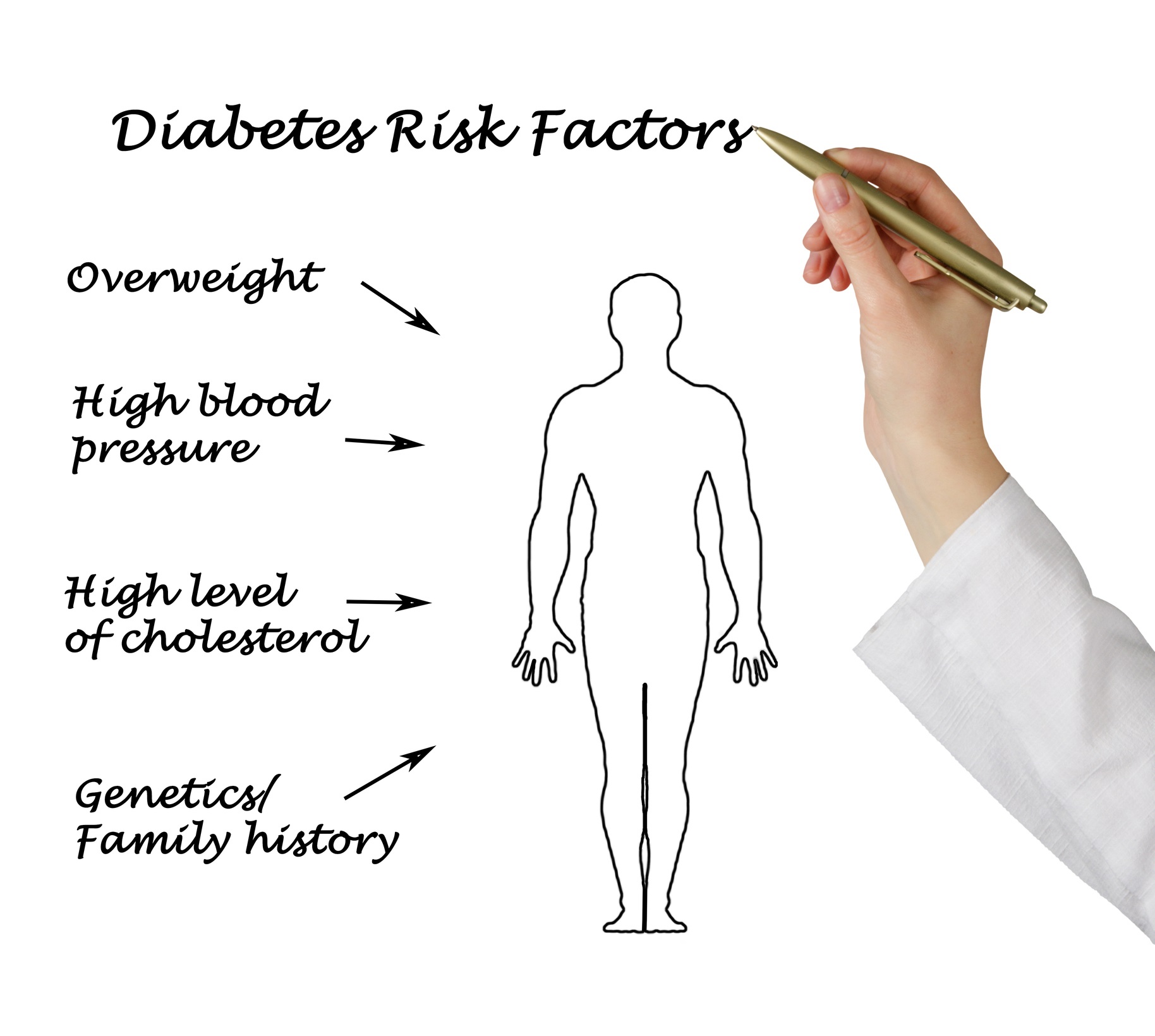
November is designated American Diabetes Awareness Month by the American Diabetes Association (ADA). Diabetes affects nearly 30 million people in the United States which is ten percent of the total population. There are 86 million more people who have pre-diabetes, and are at risk of developing Type 2 diabetes during their lifetime.

There is no cure for diabetes, but there are many ways for people who have been diagnosed with the disease to live long, healthy lives, if it is controlled properly. Learning to live with diabetes is one of the most important components for managing the disease. Proper nutrition, regular physical activity, daily blood sugar monitoring, and taking medication to control diabetes are some of the ways that complications can be prevented. Uncontrolled diabetes is the leading cause of blindness, non traumatic amputations, kidney disease and increased risk for heart attacks.

During the month of November, the ADA sponsors events around the country helping to raise awareness about the risk factors and the warning signs of diabetes. For more information on events taking place, please see the American Diabetes Association’s website at www.diabetes.orgDiabetes Awareness.

It is important to have regular medical exams to manage diabetes successfully.To schedule an appointment with a physician or nutrition expert, please call Flushing Hospital Medical Center’s Ambulatory Care Center at 718-670-5486.


All content of this newsletter is intended for general information purposes only and is not intended or implied to be a substitute for professional medical advice, diagnosis or treatment. Please consult a medical professional before adopting any of the suggestions on this page. You must never disregard professional medical advice or delay seeking medical treatment based upon any content of this newsletter. PROMPTLY CONSULT YOUR PHYSICIAN OR CALL 911 IF YOU BELIEVE YOU HAVE A MEDICAL EMERGENCY.

Diabetes and Gastroparesis


People with both type 1 and type 2 diabetes can be affected by gastroparesis, a condition in which the muscles of the stomach and intestines do not work normally and the movement of food is slowed or stopped.

ThinkstockPhotos-483229319

Diabetics with neuropathy, or nerve damage, to the vagus nerve, which supplies nerve fibers all over the body including the throat, lungs, heart and intestinal tract, can suffer from gastroparesis.

Symptoms of gastroparesis may be mild or severe and include:

. Heartburn

. Nausea

. Vomiting of undigested food

. Early feeling of fullness when eating

. Weight loss

. Abdominal bloating

. Erratic blood glucose (sugar) levels

. Lack of appetite

. Gastroesophageal reflux

. Spasms of the stomach wall

Gastroparesis makes it more difficult to manage blood glucose which in turn can worsen diabetes. When food that has been delayed in the stomach finally enters the small intestine and is absorbed, blood glucose levels rise.

Your doctor can diagnose gastroparesis through a variety of different tests including a barium x-ray or blood tests. The most important treatment goal for diabetes-related gastroparesis is to manage your blood glucose levels as well as possible. Treatments include insulin, oral medications, changes in what and when you eat, and, in severe cases, feeding tubes and intravenous feeding.


All content of this newsletter is intended for general information purposes only and is not intended or implied to be a substitute for professional medical advice, diagnosis or treatment. Please consult a medical professional before adopting any of the suggestions on this page. You must never disregard professional medical advice or delay seeking medical treatment based upon any content of this newsletter. PROMPTLY CONSULT YOUR PHYSICIAN OR CALL 911 IF YOU BELIEVE YOU HAVE A MEDICAL EMERGENCY.

The Best High Fiber Foods For Diabetics


ThinkstockPhotos-177708238

People with Type 2 diabetes need to control both their weight and sugar levels. Consuming a diet high in fiber is the best way to accomplish those goals.

According to the American Diabetes Association (ADA), many high-fiber foods are naturally low in sugar, fat and calories helping diabetics reduce the risk for diabetes complications. The FDA recommends an average daily intake of 25g of dietary fiber for adults. Some of the best sources of fiber include:

. High fiber fruit like berries, citrus fruits, as well as Asian and domestic pears.

. Orange vegetables such as sweet potato, pumpkin, squash and carrots.

. Green vegetables like cooked collards, turnip greens, broccoli, Brussels sprouts, spinach and artichokes.

. Whole grains such as whole wheat pasta, brown rice and barley.

. Beans including soybeans, navy, pinto black and kidney beans, split and black-eyed peas and lentils.

All content of this newsletter is intended for general information purposes only and is not intended or implied to be a substitute for professional medical advice, diagnosis or treatment. Please consult a medical professional before adopting any of the suggestions on this page. You must never disregard professional medical advice or delay seeking medical treatment based upon any content of this newsletter. PROMPTLY CONSULT YOUR PHYSICIAN OR CALL 911 IF YOU BELIEVE YOU HAVE A MEDICAL EMERGENCY.

The Importance of Wound Care as a Diabetic

Cuts and scrapes may not seem like a big deal for most people but for diabetics, healing can often become complicated due to their immune systems becoming compromised. For diabetics, careful monitoring of healing wounds is important to prevent bigger health issues down the line.

If you’re a diabetic, try these helpful tips to prevent a small problem from becoming more complicated:

  • Should you get aThinkstockPhotos-486206293 (1) cut, treat it immediately. Cleanse the affected area with soap and water daily. Dry the area well after washing, and apply an antibiotic ointment to keep the site germ-free. Skin injuries generally heal within two weeks, but cuts may take up to three weeks to heal in people with diabetes. Anything beyond that is excessive, and you should have your physician look at it again.
  • Keep pressure off the wound.  Pressure can increase the time it takes to heal.
  • Be aware of the signs of an infection. Symptoms can include pain, redness, or warmth at the site of the infection. Drainage is another sign of an infection. Don’t ignore any of these signs. Get treatment promptly.

Remember that even a small scrape can become serious if you don’t take proper care of it. Left untreated, wounds can lead to an amputation in the most serious of cases. Taking good care of yourself is an important step toward preventing wounds.

If you have a wound that isn’t healing properly, please contact the Wound Care Center at Flushing Hospital Medical Center for an appointment at 718-670- 4542.

All content of this newsletter is intended for general information purposes only and is not intended or implied to be a substitute for professional medical advice, diagnosis or treatment. Please consult a medical professional before adopting any of the suggestions on this page. You must never disregard professional medical advice or delay seeking medical treatment based upon any content of this newsletter. PROMPTLY CONSULT YOUR PHYSICIAN OR CALL 911 IF YOU BELIEVE YOU HAVE A MEDICAL EMERGENCY.

Diabetes: Using a Blood Glucose Meter

If you have been diagnosed with diabetes you know the importance of controlling your blood glucose levels or “sugar.”

Using a glucose meter to check your blood sugar levels after eating, exercising or taking your diabetes medication, can help determine how your lifestyle affects your diabetes. It may even help you to better plan and implement changes that will assist you in managing your diabetes, helping to reduce the risk of complications related to kidneys, eyes, skin, feet and the nervous system.

The blood glucose meter is an electronic device that uses a disposable test strip with a small drop of blood and reads your level of blood glucose on a digital display. A blood glucose test is performed by pricking the skin (typically, on the finger) to draw blood, then applying the blood to the test-strip.  The test is usually referred to as capillary blood glucose.

Healthcare professionals advise patients on how often they should monitor their levels based on their diagnosis.  Most people with Type 2 diabetes test at least once per day. Diabetics who use insulin (everyone with Type 1 diabetes and some with Type 2) usually test their blood sugar more often (3 to 10 times per day), both to assess the effectiveness of their prior insulin dose and to help determine their next insulin dose.

Glucose meters are available at a variety of price points. Though the cost of monitoring may be expensive or time consuming, the benefits are worth it if you can avoid the medical costs of diabetes complications.

All content of this newsletter is intended for general information purposes only and is not intended or implied to be a substitute for professional medical advice, diagnosis or treatment. Please consult a medical professional before adopting any of the suggestions on this page. You must never disregard professional medical advice or delay seeking medical treatment based upon any content of this newsletter. PROMPTLY CONSULT YOUR PHYSICIAN OR CALL 911 IF YOU BELIEVE YOU HAVE A MEDICAL EMERGENCY.