National Safe Toys and Gifts Month

December is National Safe Toys and Gifts Month. It is an annual observance dedicated to promoting the safety of toys and gifts for children, particularly during the holiday season. It serves as a reminder to parents, caregivers, and gift-givers to choose age-appropriate and safe toys to ensure the well-being of the children who receive them.

Started by the nonprofit organization, Prevent Blindness, National Safe Toys and Gifts Month focuses on raising awareness about the importance of selecting toys and gifts that meet safety standards and align with a child’s age and developmental stage. The month aims to prevent accidents and injuries caused by inappropriate or hazardous toys, especially when gift-giving is most common.

Too often, accidents involving children and toys occur and may result in eye injuries. Each year, thousands of children ages 14 and younger suffer serious eye injuries, including blindness, from toys, according to the American Academy of Ophthalmology. Approximately one in ten children’s eye injuries caused by toys end up in the ER.

Promoting safe toys and gifts during this month is essential for children’s well-being. Ways to participate and ensure safe gift-giving include:

  • Check labels: always look for age-appropriate labels on toys and gifts, and follow the manufacturer’s recommendations.
  • Avoid small parts: steer clear of toys with small parts or choking hazards for young children.
  • Inspect for hazards: examine toys for sharp edges, loose parts, or any potential dangers that could harm children.
  • Read reviews: research toys and gifts online, read reviews, and ask for recommendations from other parents and caregivers.
  • Consider the child’s age: consider a child’s age, interests, and abilities when selecting gifts for them.
  • Support educational toys: choose toys and gifts that encourage learning, creativity, and development.
  • Spread awareness: share safety tips and information about safe toys and gifts month with your community and on social media.

Taking the proper precautions can avoid many accidents and injuries involving children’s toys. Let’s all do our part to encourage their safety.

To schedule an eye exam for your child at Flushing Hospital Medical Center’s Ambulatory Care Center, call (718) 670-5486. If there is an emergency, please call 911.


All content of this newsletter is intended for general information purposes only and is not intended or implied to be a substitute for professional medical advice, diagnosis or treatment. Please consult a medical professional before adopting any of the suggestions on this page. You must never disregard professional medical advice or delay seeking medical treatment based upon any content of this newsletter. PROMPTLY CONSULT YOUR PHYSICIAN OR CALL 911 IF YOU BELIEVE YOU HAVE A MEDICAL EMERGENCY.

Children’s Eye Health and Safety Month

August is Children’s Eye Health and Safety Month. With children going back to school, it is important to get their eyes checked.

Vision is a vital part of a child’s development. It is how they learn, play, and interact with the world around them.

Unfortunately, many eye problems in children go undetected, which can lead to long-term issues. Regular eye exams are critical in identifying problems early which ensures your child has the best chance for healthy vision. Good vision is essential for their performance in school, in sports, and their overall well-being.

Children are vulnerable to many eye problems, including:

  • Injuries
  • Infections
  • Nearsightedness

There are many things to be aware of that may indicate a problem with your child’s eyes. They include:

  • Their eyes do not line up or appear crossed
  • Their eyelids are red-rimmed, crusted, or swollen
  • Their eyes are watery or inflamed
  • They rub their eyes a lot
  • They close or cover one eye
  • They tilt their head forward
  • They have trouble reading or doing other close-up work
  • They hold objects close to their eyes to see
  • They blink more than usual or seem cranky when doing close-up work
  • Things are blurry or hard to see for them

There are many ways to protect your child’s eye health, including:

  • Getting regular eye exams
  • Wearing protective eyewear during sports and other activities
  • Limiting screen time
  • Practicing healthy nutrition

If you would like to schedule an eye exam for your child, you can visit an ophthalmologist at Flushing Hospital Medical Center. To schedule an appointment, please call (718) 670-5486.

All content of this newsletter is intended for general information purposes only and is not intended or implied to be a substitute for professional medical advice, diagnosis or treatment. Please consult a medical professional before adopting any of the suggestions on this page. You must never disregard professional medical advice or delay seeking medical treatment based upon any content of this newsletter. PROMPTLY CONSULT YOUR PHYSICIAN OR CALL 911 IF YOU BELIEVE YOU HAVE A MEDICAL EMERGENCY.

The “Eyes” Have It! Treating Pinkeye

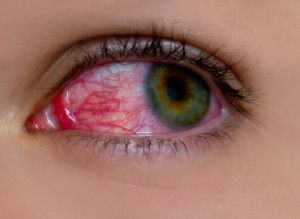
August is Children’s Eye Health and Safety Month, and Pinkeye, also known as conjunctivitis, affects children of all ages and at any time of the year.  Symptoms include redness and swelling of the mucous membrane that line the lid and surface of the eye and discharge. Pinkeye can be caused by many things including, but not limited to, an infection, dry eyes from lack of tears or over exposure to wind and sun, chemicals, allergies and smoke.

pinkeye-185931022-300x219

Pinkeye is very common, is usually not serious, can be viral or bacterial, is highly contagious and can spread very easily. Therefore, preventing its spread is important.

There are home remedies for Pinkeye that will help reduce your pain and keep your eye free of drainage prior to seeing your doctor.

Some home remedies that have proven effective are – removing your contacts from infected eyes, applying cold or warm compresses to your eye (whichever feels best) to soothe any discomfort and reduce redness.

When treating your Pinkeye at home, remember to wipe your eye from the inside toward the outside and do not rub drainage back and forth between eyes. After wiping your eye, be sure to wash your hands to prevent pinkeye from spreading.

Symptoms usually last 5 to 7 days, but some cases can last for up to 3 weeks.

If symptoms persist and you would like to make an appointment to see one of our doctors, please call the Flushing Hospital Medical Center’s Ambulatory Care Center at 718-670-5486 for an appointment.

All content of this newsletter is intended for general information purposes only and is not intended or implied to be a substitute for professional medical advice, diagnosis or treatment. Please consult a medical professional before adopting any of the suggestions on this page. You must never disregard professional medical advice or delay seeking medical treatment based upon any content of this newsletter. PROMPTLY CONSULT YOUR PHYSICIAN OR CALL 911 IF YOU BELIEVE YOU HAVE A MEDICAL EMERGENCY.