History of the Total Hip Replacement

One of the most common orthopedic procedures performed today is a total hip replacement (THA) .  This procedure is often suggested for patients who have extensive deterioration of the hip joint and whose quality of life is suffering. It was first developed in 1891 by a German physician, Themistocles Gluck, who described using ivory to replace the femoral heads. Early in the 20th century surgeons experimented with different types of tissues as a way of smoothing out deteriorating articular hip surfaces. Some of these tissues that were used were skin, and pig bladder submucosa.
In 1925 an American surgeon, Marius Smith-Petersen, first used hollowed out glass placed over the femoral head. Later on this same surgeon started to experiment with stainless steel.  In the early 1960’s, Sir John Charmley, an orthopedic surgeon in England, developed a hip replacement that uses three components: a stainless steel femoral head, a polyethylene acetabular socket and acrylic bone cement.  This is considered to be a low friction arthroplasty and is the one most commonly used today.
Today hip replacement surgery is done routinely on tens of thousands of patients a year. It is one of the most commonly performed orthopedic procedures and has greatly improved the quality of life for the patients.
If you would like to schedule an appointment with an orthopedic surgeon at Flushing Hospital to discuss whether a hip replacement would benefit you, please call 718-670-5486.

All content of this newsletter is intended for general information purposes only and is not intended or implied to be a substitute for professional medical advice, diagnosis or treatment. Please consult a medical professional before adopting any of the suggestions on this page. You must never disregard professional medical advice or delay seeking medical treatment based upon any content of this newsletter. PROMPTLY CONSULT YOUR PHYSICIAN OR CALL 911 IF YOU BELIEVE YOU HAVE A MEDICAL EMERGENCY.
January is Glaucoma Awareness Month

Glaucoma is a group of eye diseases that mainly affects people who are middle aged or older, but it can affect anyone at any age. There are more than three million people in the United States and 60 million people worldwide who suffer from glaucoma.
Glaucoma is the second leading cause of blindness. Typically the disease starts to develop suddenly, often without symptoms,  and once vision is lost, it is permanent. As much as 40 percent of vision can be lost before some people even notice a problem. It usually starts with loss of peripheral vision. Glaucoma  is caused by damage to the optic nerve so that the  brain isn’t able to receive images from the eyes. There are two types of Glaucoma, Primary Open-Angle Glaucoma where pressure inside the eye increases on its own and damages the optic nerve and Secondary Glaucoma where another disease causes the pressure in the eye to increase and that results in optic nerve damage. Both types will eventually lead to blindness.
Early detection of Glaucoma can help to slow down the progression of the disease. Regular eye exams are very important. To schedule an appointment with an eye doctor at Flushing Hospital, please call 718- 670-5486.

All content of this newsletter is intended for general information purposes only and is not intended or implied to be a substitute for professional medical advice, diagnosis or treatment. Please consult a medical professional before adopting any of the suggestions on this page. You must never disregard professional medical advice or delay seeking medical treatment based upon any content of this newsletter. PROMPTLY CONSULT YOUR PHYSICIAN OR CALL 911 IF YOU BELIEVE YOU HAVE A MEDICAL EMERGENCY.

Who Should Get Tested for Hepatitis C?

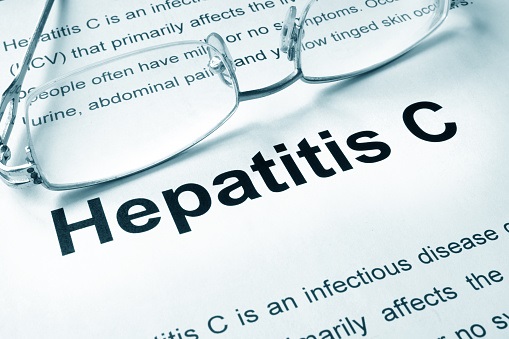
Hepatitis C written on a page.Hepatitis C (HCV) is a disease that infects and causes damage to the liver. It is caused by the hepatitis C virus and is spread from person to person through contact with blood. Over time, this disease can lead to cirrhosis, liver cancer and ultimately, liver failure.

Although hepatitis C is the most common reason for liver transplants in the United States, many people do not know they have the disease until they are donating blood or are diagnosed with liver damage.  The symptoms of HCV can take years to present and may include:

  • Joint pain
  • Sore muscles
  • Dark urine
  • Stomach pain
  • Yellowing of the eyes (jaundice) and skin
  • Fatigue
  • Loss of appetite
  • Fever
  • Clay-colored bowel movements

Learning the risk factors of hepatitis C and receiving treatment promptly can reduce the severity of symptoms. Talk to your doctor about getting tested if the following pertains to you:

  • You were born between 1945 and 1965
  • You are infected with HIV
  • You received a blood transfusion or organ transplant before July, 1992
  • You are having or have had unprotected sex with multiple partners
  • You are a current or former drug injection user and have shared needles
  • You work in an environment where you are exposed to blood through a needle stick
  • You have liver disease or have received abnormal liver test results
  • You were treated for a blood clotting problem before 1987
  • Your mother had hepatitis C when she gave birth to you

If diagnosed with hepatitis C, consider seeing a specialist who is trained and experienced in treating patients with your condition. There are several therapies and medications that your doctor may recommend.  A complete list of approved medications and treatments for HCV can be found on the U.S. Food and Drug Administration’s website.

In addition to treatment, your doctor will also advise that you live a healthy life by maintaining


a balanced diet, exercising regularly, reducing or eliminating alcohol consumption, quitting recreational drug use, practicing safe sex and getting regular checkups.


All content of this newsletter is intended for general information purposes only and is not intended or implied to be a substitute for professional medical advice, diagnosis or treatment. Please consult a medical professional before adopting any of the suggestions on this page. You must never disregard professional medical advice or delay seeking medical treatment based upon any content of this newsletter. PROMPTLY CONSULT YOUR PHYSICIAN OR CALL 911 IF YOU BELIEVE YOU HAVE A MEDICAL EMERGENCY.

Ways to Reduce Symptoms of Eczema

Eczema is a condition that causes patches of skin to become red, inflamed, rough and itchy.  Eczema is not a specific health condition; it is a reaction pattern that the skin produces as a result of a number of different diseases.

The specific causes of eczema currently remain unknown, but it is believed to develop due to a combination of hereditary (genetic) and environmental factors.

Environmental symptoms of eczema include:

  • Irritants – soaps, detergents, shampoos, disinfectants, juices from fresh fruits, meats, or vegetables
  • Allergens – dust mites, pets, pollens, mold, dandruff
  • Microbes – bacteria such as Staphylococcus aureus, viruses, certain fungi
  • Hot and cold temperatures – hot weather, high and low humidity, perspiration from exercise
  • Foods – dairy products, eggs, nuts and seeds, soy products, wheat
  • Stress – it is not a cause of eczema but can make symptoms worse
  • Hormones – women can experience worsening of eczema symptoms at times when their hormone levels are changing, for example during pregnancy and at certain points in their menstrual cycle

Since there is no cure for eczema, treatment for the condition is aimed toward healing the affected skin in an effort to prevent a flare up of symptoms.  For some people, eczema goes away over time, and for others, it remains a lifelong condition.

There are a number of things that people with eczema can do to support skin health and alleviate symptoms, such as:

  • Taking regular warm baths
  • Applying moisturizer within 3 minutes of bathing to “lock in” moisture
  • Moisturizing every day
  • Wearing cotton and soft fabrics, avoiding rough, scratchy fibers, and tight-fitting clothing
  • Using mild soap or a non-soap cleanser when washing
  • Air drying or gently patting skin dry with a towel, rather than rubbing skin dry after bathing
  • Avoiding rapid changes of temperature and activities that make you sweat (where possible)
  • Learning individual eczema triggers and avoiding them
  • Using a humidifier in dry or cold weather
  • Keeping fingernails short to prevent scratching from breaking skin

Medication can also be helpful in treating or preventing symptoms.  These treatments are prescribed by a physician.  If you are experiencing symptoms of eczema and would like to speak with a physician, call Flushing Hospital Medical Center’s Ambulatory Care Center at 718-670-5486 to schedule an appointment.


All content of this newsletter is intended for general information purposes only and is not intended or implied to be a substitute for professional medical advice, diagnosis or treatment. Please consult a medical professional before adopting any of the suggestions on this page. You must never disregard professional medical advice or delay seeking medical treatment based upon any content of this newsletter. PROMPTLY CONSULT YOUR PHYSICIAN OR CALL 911 IF YOU BELIEVE YOU HAVE A MEDICAL EMERGENCY.

January is National Birth Defects Prevention Month. Among the most common birth defects is cleft lip. Cleft lip is a birth defect that occurs when a baby’s lip or mouth does not form properly in the womb. Collectively, these birth defects commonly are called “orofacial clefts”.

The lip forms between the fourth and seventh weeks of pregnancy. A cleft lip develops if the lip tissue does not join completely before birth, resulting in an opening of the upper lip. The opening in the lip varies in size from a small slit or a large opening that goes through the lip into the nose.

The causes of orofacial clefts among most infants are unknown. However, they are thought to be caused by a combination of genetics or other factors, such as things the mother comes in contact with in her environment, or what the mother eats or drinks, or certain medications she uses during pregnancy. Recently the Center for Disease Control reported findings from research studies about risk factors that increase the chance of infant orofacial cleft:

  • Smoking―Women who smoke during pregnancy are more likely to have a baby with an orofacial cleft than women who do not smoke
  • Diabetes―Women with diabetes diagnosed before pregnancy have an increased risk of having a child with a cleft lip with or without cleft palate, compared to women who did not have diabetes
  • Use of certain medicines―Women who used certain medicines to treat epilepsy during the first trimester (the first 3 months) of pregnancy are at greater risk

Orofacial clefts, especially cleft lip with or without cleft palate, can be diagnosed during pregnancy during a routine ultrasound. Services and treatment for children with orofacial clefts can vary depending on:

  • The severity of the cleft
  • The child’s age and needs
  • The presence of associated syndromes
  • Other birth defects

Surgery to repair a cleft lip usually occurs in the first few months of life and is recommended within the first 12 months of life. Children born with orofacial clefts might need other types of treatments and services, such as special dental or orthodontic care or speech therapy.

If you are an expecting mother in need of a doctor, Flushing Hospital Medical Center’s Department of Obstetrics offers a wide variety of services to expectant mothers. For more information or to schedule an appointment, please call 718-670-8994.

All content of this newsletter is intended for general information purposes only and is not intended or implied to be a substitute for professional medical advice, diagnosis or treatment. Please consult a medical professional before adopting any of the suggestions on this page. You must never disregard professional medical advice or delay seeking medical treatment based upon any content of this newsletter. PROMPTLY CONSULT YOUR PHYSICIAN OR CALL 911 IF YOU BELIEVE YOU HAVE A MEDICAL EMERGENCY.

Allergic to the Cold Temperatures? It’s Real For Some

Everyone is aware of seasonal allergies. They are very common beginning in the spring and lasting through fall – and many are affected by them. While these types of seasonal allergies are not prevalent in the winter months, there is another, much less common form of allergic reaction that affects some when the thermometer dips.

Urticaria

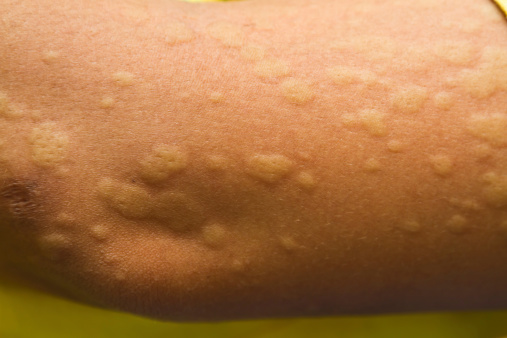
Cold urtcaria is an allergic reaction to cold temperatures. The skin of those with this condition will break-out into welts or hives when exposed to cold temperatures. No one knows exactly what causes cold urticaria. Certain people appear to have very sensitive skin cells, due to an inherited trait, a virus or an illness. In the most common forms of this condition, exposure to cold triggers the release of histamine and other chemicals into the bloodstream. Cold urtcaria is most common in young adults and it usually clears up within a couple of years.

Cold urticaria signs and symptoms include:

• Temporary reddish, itchy welts (hives) on the area of skin that was exposed to cold
• A worsening of the reaction as the skin warms
• Swelling of hands when holding cold objects
• Swelling of the lips and throat when consuming cold food or drink

In rare cases, a reaction could be more severe and may result fainting, a racing heart, swelling of the limbs or torso, and even shock.

There is no cure for cold urticaria, but treatment can help. Your doctor may recommend over-the-counter antihistamines to treat the condition. If they do not help, talk with your doctor about finding a prescription drug or combination of drugs that works best for you.
It is recommended that you see a doctor if you have skin reactions after cold exposure, even if the reactions are mild. Your doctor will want to rule out underlying conditions that may be causing the problem.

Seek emergency care if after sudden exposure to cold you:

• Feel dizzy
• Have trouble breathing
• Feel your tongue or throat swelling

All content of this newsletter is intended for general information purposes only and is not intended or implied to be a substitute for professional medical advice, diagnosis or treatment. Please consult a medical professional before adopting any of the suggestions on this page. You must never disregard professional medical advice or delay seeking medical treatment based upon any content of this newsletter. PROMPTLY CONSULT YOUR PHYSICIAN OR CALL 911 IF YOU BELIEVE YOU HAVE A MEDICAL EMERGENCY.

What is Herbal Medicine?

Herbal medicine, also known as herbalism or botanical medicine is a method of treating health-related issues, based on the use of plants or plant extracts that may be eaten or applied to the skin.

Herbal remedies are well rooted in medical practice.  Since ancient times, doctors have collected information about herbs to treat a variety of illnesses and to assist with bodily functions.

As a result, more than a quarter of all medicines used today contain active ingredients derived from those same ancient plants. While herbal medicine is not a licensed profession in theUnited States, herbal remedies, in the form of extracts, tinctures, capsules and tablets, as well as teas, may be recommended by healthcare professionals.

Herbal medicine blurs the line between foods and medicines.  Using herbs and spices that have a disease-preventive affect in foods is one of the best ways to take advantage of their healing power.Herbal medicine has been used to treat or alleviate virtually every possible medical condition.

Some of the most popular herbal remedies and conditions for which they are used include:

  • Aloe – used topically for minor burns, sunburns, skin irritation or inflammation
  • Chamomile Tea – ingested for upset stomach, heartburn, indigestion and colic
  • Echinacea – ingested for colds, flu and sore throat
  • Garlic – ingested to possible reduce cholesterol and blood pressure, treat fungal infections and colds
  • Ginger – ingested for nausea and motion sickness and as an anti-inflammatory
  • Peppermint Tea – ingested for indigestion, nausea and other digestive problems
  • Tea Tree Oil – applied topically for fungal infections such as athlete’s foot and fungal infections of the toenails and fingernails
  • Tumeric – ingested to combat inflammation and protect agains cancer and Alzheimers disease

This information is solely for informational purposes.  It is not intended to be medical advice.  Before undertaking any course of treatment, you should seek the advice of your phsician or other health care provider.

T

All content of this newsletter is intended for general information purposes only and is not intended or implied to be a substitute for professional medical advice, diagnosis or treatment. Please consult a medical professional before adopting any of the suggestions on this page. You must never disregard professional medical advice or delay seeking medical treatment based upon any content of this newsletter. PROMPTLY CONSULT YOUR PHYSICIAN OR CALL 911 IF YOU BELIEVE YOU HAVE A MEDICAL EMERGENCY.

Preparing for Childbirth

Family With New Born Baby In Post Natal Hospital Department

Giving birth is one of the most beautiful experiences in a woman’s life. While every hospital will provide you with items to make your stay more comfortable, many people prefer to bring items from home to enhance their experience.


Some suggestions for the mom to be are :

• Insurance card
• Important phone numbers
• Cell phone and charger
• Comfortable clothing  (underwear, bathrobe, slippers, nightgown and pajamas)
• Items for personal hygiene (toothbrush, toothpaste, hairbrush, body lotion)
• A favorite pillow
For the baby:
• Receiving blanket
• Hat
• Clothing
• Socks
• It is also important to have a car seat for the day of discharge
Typically new moms tend to bring more supplies than they will need. Remember, the items above are all suggestions and should be used only as a guide. Most hospitals will provide new moms and their infants with basic items for comfort and for personal hygiene.

All content of this newsletter is intended for general information purposes only and is not intended or implied to be a substitute for professional medical advice, diagnosis or treatment. Please consult a medical professional before adopting any of the suggestions on this page. You must never disregard professional medical advice or delay seeking medical treatment based upon any content of this newsletter. PROMPTLY CONSULT YOUR PHYSICIAN OR CALL 911 IF YOU BELIEVE YOU HAVE A MEDICAL EMERGENCY.

Resolve to Eat Right

With the holidays drawing to a close, it will soon be the time for resolutions.  Why not make eating right a part of your resolution.

Eating right doesn’t have to be complicated.  You can begin with a simple shift to lean meats, fruits, vegetables, and complex carbohydrates into your nutritional regimen while lessening your intake of processed foods, white flour and sugar.

For more information on eating right, contact the Flushing Hospital Medical Center’s  Ambulatory Care Center at  718-670-5486 to speak with a nutritionist.

All content of this newsletter is intended for general information purposes only and is not intended or implied to be a substitute for professional medical advice, diagnosis or treatment. Please consult a medical professional before adopting any of the suggestions on this page. You must never disregard professional medical advice or delay seeking medical treatment based upon any content of this newsletter. PROMPTLY CONSULT YOUR PHYSICIAN OR CALL 911 IF YOU BELIEVE YOU HAVE A MEDICAL EMERGENCY.

Holiday Heart Syndrome

200371290-001

Holiday Heart Syndrome, coined in 1978, is a real syndrome in which the heart’s vulnerability to certain arrhythmias is increased by excessive alcohol ingestion (binge drinking) and the onset of a heart rhythm disturbance in people who are otherwise healthy.

The most frequently seen arrhythmia during the holiday season is atrial fibrillation, in which the top chambers of the heart quiver or fibrillate causing the heart to beat irregular and often quite fast.

Excessive alcohol intake in women is defined as consuming seven or more drinks per week or over three doses at one time.  For men, heavy consumption is defined as over 14 drinks per week or over four drinks at one time by the U.S. Department of health and Human Service.

Alcohol alone does not fully explain Holiday Heart Syndrome.  There are other risk factors for atrial fibrillation that are higher around the holidays such as:

  • Overeating
  • Stress
  • High levels of sodium consumption
  • Dehydration

Everyone has some degree of stress in their lives.  Health concerns, family and relationship issues, financial problems can all cause stress which can ultimately affect your health; the idea of “letting go” at a holiday event and consuming more alcohol than usual as a way to forget the present may have a negative effect on your future.

If you have any heart symptoms, it is best to seek medical attention immediately; even if your symptoms appear ON a holiday.

All content of this newsletter is intended for general information purposes only and is not intended or implied to be a substitute for professional medical advice, diagnosis or treatment. Please consult a medical professional before adopting any of the suggestions on this page. You must never disregard professional medical advice or delay seeking medical treatment based upon any content of this newsletter. PROMPTLY CONSULT YOUR PHYSICIAN OR CALL 911 IF YOU BELIEVE YOU HAVE A MEDICAL EMERGENCY.