Holiday Safety Tips For the Home

Decorating your home for the holidays is always so much fun, but did you know that each year an estimated 250 house fires nationwide are caused by faulty holiday lights? Here are some tips for keeping your home safe this year:

• Before stringing holiday lights always check the sockets to ensure they are not broken or cracked.

• Never use indoor lights for outdoors use.

• Turn off the indoor tree lights before going to bed or whenever you leave the house.

• Do not connect more than three sets of lights to each extension cord.

• Make sure that your lights have safety labels and are made by reputable companies.

• Do not use candles on or near a tree.

• Place your tree and gift wrapped presents away from sources of heat such as fireplaces.

• Make sure that your tree is secured firmly to its base so that it can’t tip over.

• Artificial trees should be fire resistant.

• Always keep a fire extinguisher handy and accessible in case of emergency.

Benny Quiles, Director of Safety and Fire Safety at Flushing Hospital says “a small Christmas tree fire can spread and grow large very quickly. Use flame retardant decorations. make sure your smoke detectors have working batteries and never block fire exits.”

Don’t ruin your holiday by being careless. A little common sense and taking some precautions will ensure a joyous holiday for you and your family.

All content of this newsletter is intended for general information purposes only and is not intended or implied to be a substitute for professional medical advice, diagnosis or treatment. Please consult a medical professional before adopting any of the suggestions on this page. You must never disregard professional medical advice or delay seeking medical treatment based upon any content of this newsletter. PROMPTLY CONSULT YOUR PHYSICIAN OR CALL 911 IF YOU BELIEVE YOU HAVE A MEDICAL EMERGENCY.


Is There a Sale on Your Health? Try Walking the Mall for Exercise

We all know that regular physical activity is important to our overall health, especially for seniors.

Did you know walking is a great way for older adults to remain active?

Seniors who commit to taking a brisk walk each day may be at a lower risk of:

  • Heart Disease
  • Stroke
  • Type 2 diabetes
  • Breast and colon cancers
  • Depression
  • Anxiety
  • Insomnia

With the onset of colder months upon us, how can older adults continue their walking routine and remain active?

The Centers for Disease Control and Prevention (CDC) suggests that in the colder months, you can utilize indoor malls for your brisk walk.  Malls can be pedestrian friendly, they are climate-controlled, are well lit, have benches for resting, fountains for hydrating, restrooms, as well as security guards and cameras for safety.

For more information on mall walking programs and for other walking resources visit the CDC’s Mall Walking: A program Resource Guide at –

So get yourself a comfortable pair of walking shoes, hit the mall and improve your health!

All content of this newsletter is intended for general information purposes only and is not intended or implied to be a substitute for professional medical advice, diagnosis or treatment. Please consult a medical professional before adopting any of the suggestions on this page. You must never disregard professional medical advice or delay seeking medical treatment based upon any content of this newsletter. PROMPTLY CONSULT YOUR PHYSICIAN OR CALL 911 IF YOU BELIEVE YOU HAVE A MEDICAL EMERGENCY.
Are Pediatric Vitamins Necessary for My Child

One of the most important jobs for every parent is to make sure they give their children a healthy start in life. A big part of that includes making sure they receive their daily recommended vitamin intake. Many automatically assume this includes providing them with a chewable or gummy vitamin each day, but is this really necessary?

The answer is not necessarily. Most experts agree that children should get their vitamins from a healthy diet that includes dairy products like milk, cheese and yogurt; fresh fruits and green leafy vegetables; proteins, such as meat, chicken, fish, and eggs; and a variety of whole grains.

However, given the busy lifestyles of most families, providing well-balanced meals isn’t always a realistic option. In these instances, because children may not be getting their vitamins through their daily diet, supplements should be considered . Other potential reasons to supplement your child’s diet with vitamins include:

  • If your child is a fussy eater
  • If your child has a delay in his or her physical development
  • If your child is living with a chronic medical condition such as asthma
  • If your child has digestive problems or food allergies
  • If you are raising your child as a vegetarian or vegan
  • If your child eats a lot of fast food or processed food or drinks a lot of soda

If you believe that vitamins are necessary for your child’s development, it is important to make sure they are receiving the right ones. The following vitamins are considered most critical for growing children.

  • Vitamin A– Promotes normal growth and development; tissue and bone repair; and healthy skin, eyes, and immune responses.
  • Vitamin B – The family of B Vitamins, including B2, B3, B6 and B12 aid metabolism and energy production. They also promote bone and tooth formation and development of healthy muscles and connective tissue.
  • Calcium – Essential for helping build strong bones as a child grows.
  • Iron – Builds muscle and is essential to healthy red blood cells. Iron deficiency is a risk in adolescence, especially for girls once they begin to menstruate.

If you do give vitamins to your children, follow these safety tips:

  • Put vitamins away, well out of reach of children, so they don’t treat them like candy.
  • Be sure not to exceed the daily recommended dosage as too many vitamins can be dangerous
  • If your child is taking any medication, be sure to ask your child’s doctor about any drug interactions with certain vitamins or minerals.
  • Try a chewable vitamin if your child won’t take a pill or liquid supplement.
  • Consider waiting until a child reaches age 4 to start giving a multivitamin supplement, unless your child’s doctor suggests otherwise.

There are many over-the-counter pediatric vitamins on the market today. Before you make a decision on which to buy for your child, consult with your pediatrician. They can advise you on what makes the most sense for your child.

To make an appointment at xx Hospital’s Pediatric Ambulatory Care Center, please call 718-670-5486.

All content of this newsletter is intended for general information purposes only and is not intended or implied to be a substitute for professional medical advice, diagnosis or treatment. Please consult a medical professional before adopting any of the suggestions on this page. You must never disregard professional medical advice or delay seeking medical treatment based upon any content of this newsletter. PROMPTLY CONSULT YOUR PHYSICIAN OR CALL 911 IF YOU BELIEVE YOU HAVE A MEDICAL EMERGENCY.

Skin Tags

Skin tags are small, benign growths of skin. They can develop anywhere on the body but typically occur in places where there is constant friction against the skin or areas of the body where skin folds.

Skin tags are very common.  According to the American Osteopathic College of Dermatology, “It is estimated that almost half of adults have at least one of these harmless growths.”

The exact cause for skin tags is unknown; however, it is believed that hormones, insulin resistance or genes may be contributing factors.

Some people are more likely to get skin tags than others.  Those who are at a higher risk include:

  • People with diabetes
  • Those who are overweight or obese
  • Pregnant women
  • Those with certain forms of the human papillomavirus (HPV)
  • Those who have family members with skin tags

Skin tags are generally harmless and painless, but they may get caught in jewelry or clothing.  Some have them removed due to this issue or for cosmetic reasons.

Skin tags can be removed with the assistance of a doctor or with over-the-counter treatments. It is strongly advised that you see your doctor before attempting to remove them on your own.

If needed, your doctor may apply the following treatments to remove skin tags:

  • Cryosurgery (freezing)
  • Cauterization (burning)
  • Excision(cutting)
  • Ligation( interrupting blood supply)

These procedures should only be performed by a trained skin care specialist, such as a dermatologist. To schedule an appointment with a doctor at Flushing Hospital Medical Center, please call 718-670-5486.

All content of this newsletter is intended for general information purposes only and is not intended or implied to be a substitute for professional medical advice, diagnosis or treatment. Please consult a medical professional before adopting any of the suggestions on this page. You must never disregard professional medical advice or delay seeking medical treatment based upon any content of this newsletter. PROMPTLY CONSULT YOUR PHYSICIAN OR CALL 911 IF YOU BELIEVE YOU HAVE A MEDICAL EMERGENCY.

Flu Season Precautions

We are in the month of December and cases of flu are being reported by hospital emergency rooms.  None of us want to catch the flu so it is a good idea to take some preventative measures that can help us to stay healthy.

Here are a few of the ways we can prevent getting the flu:
• Everyone who is six months of age and older should get the vaccine every year
• Avoid close contact with people who are sick
• Wash your hands frequently with soap and water.
• Keep a hand sanitizer handy for the times soap and water are not available.
• Avoid touching your hands to your eyes, nose and mouth.
• Whenever possible, disinfect surfaces that are frequently used by others such as tables and chairs.
• Clean your drinking glasses and dishes in hot water and with soap
• Keep your immune system healthy by eating a balanced diet, exercising  regularly and getting enough sleep every night
• Tobacco can suppress the immune system, so it is highly recommended to quit smoking.

If you would like to schedule an appointment with a physician at Flushing Hospital to discuss the flu vaccine and other ways to stay healthy, please call 718-670-5486.

All content of this newsletter is intended for general information purposes only and is not intended or implied to be a substitute for professional medical advice, diagnosis or treatment. Please consult a medical professional before adopting any of the suggestions on this page. You must never disregard professional medical advice or delay seeking medical treatment based upon any content of this newsletter. PROMPTLY CONSULT YOUR PHYSICIAN OR CALL 911 IF YOU BELIEVE YOU HAVE A MEDICAL EMERGENCY.

National Handwashing Awareness Week!

The first week in December is marked as National Handwashing Awareness Week. Flushing Hospital Medical Center believes that Infection prevention is important to all of us and each of us has a valuable role to play in keeping patients safe from infection.

According to the CDC, handwashing is a “do-it-yourself” precaution —it involves five simple and effective steps (Wet, Lather, Scrub, Rinse, Dry) you can take to reduce the spread of diarrheal and respiratory illness so you can stay healthy. Regular handwashing, particularly before and after certain activities, is one of the best ways to remove germs, avoid getting sick, and prevent the spread of germs to others.

It’s quick, it’s simple, and it can keep us all from getting sick. Handwashing is a win for everyone, except the germs.


All content of this newsletter is intended for general information purposes only and is not intended or implied to be a substitute for professional medical advice, diagnosis or treatment. Please consult a medical professional before adopting any of the suggestions on this page. You must never disregard professional medical advice or delay seeking medical treatment based upon any content of this newsletter. PROMPTLY CONSULT YOUR PHYSICIAN OR CALL 911 IF YOU BELIEVE YOU HAVE A MEDICAL EMERGENCY.

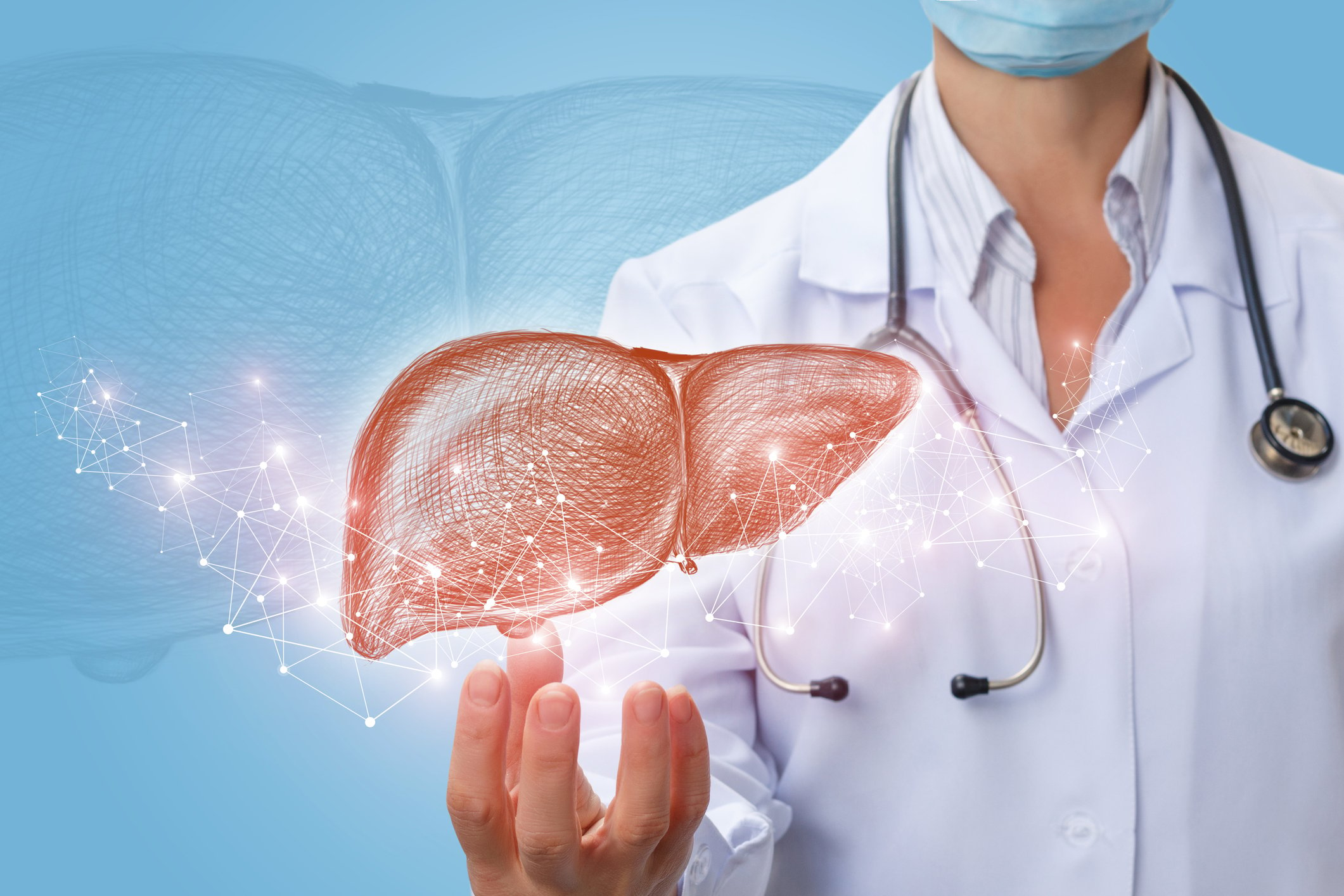
Fascinating Facts About Our Liver

The human liver is a very vital organ. It is so important that we cannot survive if it stops functioning for one single day. Unfortunately, it is also one of the least thought about organs. Given its importance, let’s take some time to learn more about the liver and give it the attention it deserves. Here are some fascinating facts about the liver:

  1. Largest glandular organ – Our liver is the largest glandular organ of the human body and the second largest organ besides our skin.
  2. Multifunctional – Our liver simultaneously performs over 200 important functions for the body. Some of these important functions include supplying glucose to the brain, combating infections, and storing nutrients.
  3. It contains fat – 10% of our liver is made up of fat. If the fat content in the liver goes above 10% it is considered a “fatty liver” and makes you more likely to develop type 2 diabetes.
  4. It stocks iron – Our liver stores important vitamins and nutrients from the food we eat and stocks them up for when we need them later.
  5. Detoxifier – Our liver detoxifies the harmful things we take in like alcohol and drugs. Without the liver the body cannot process these items.
  6. Creator of blood – The liver creates the blood that circulates in our bodies. In fact, the liver starts producing blood before we are born. Without the liver there would be no blood and no life.
  7. It regenerates – Our liver has the amazing ability to regenerate itself, making liver transplant possible. When people donate half their liver, the remaining part of the liver regenerates the section that was removed.

As you can see, our livers are extremely important organs and serve many vital functions. In other words, our livers are no chop- liver.

All content of this newsletter is intended for general information purposes only and is not intended or implied to be a substitute for professional medical advice, diagnosis or treatment. Please consult a medical professional before adopting any of the suggestions on this page. You must never disregard professional medical advice or delay seeking medical treatment based upon any content of this newsletter. PROMPTLY CONSULT YOUR PHYSICIAN OR CALL 911 IF YOU BELIEVE YOU HAVE A MEDICAL EMERGENCY.

More and more people, both children and adults are seeking orthodontic treatment today. Having well aligned teeth is not only important for a nice smile but also for proper dental health.

The importance of having healthy and aligned teeth dates back as early as 1000 BC. The ancient Egyptians and the Etruscans were using material made from animal intestines to move teeth into better alignment. An ancient Roman scientist discovered that by applying finger pressure on teeth for an extended period of time over the course of months would help move teeth into a new position.

The first more modern practice of orthodontics was documented in the early 1770’s.  A French surgeon dentist named Pierre Fauchard came up with the concept of the “Bandeau” which was a horseshoe shaped device that gave the mouth a natural arch. Later on in the early 1800’s Francois Delabarre invented the wire crib that was placed on the teeth and help move them into better alignment. In the mid 1800’s dentists began to realize that the jaw and the teeth would have to be aligned simultaneously and this was accomplished by using tiny rubber tubing and wire cribs together.

In the early 1900’s, we entered the era of orthodontics that we are more familiar with today. Back then, dentists would wrap different materials depending on their preference (ivory, wood, copper, or zinc and later on gold or silver) and connect them with bands that helped move the teeth into the desired position.  In the 1970’s stainless steel was more widely used and this had the advantage of being less costly and also more flexible than the other materials used previously.

In the late 1990’s, orthodontics changed with the introduction of the invisible braces. In addition to brackets that were placed on the inside of people’s teeth to make it more aestically appealing, clear retainers were also being used which would help to align teeth.

To schedule an appointment with a dentist at Flushing Hospital, please call 718-670-5522.

All content of this newsletter is intended for general information purposes only and is not intended or implied to be a substitute for professional medical advice, diagnosis or treatment. Please consult a medical professional before adopting any of the suggestions on this page. You must never disregard professional medical advice or delay seeking medical treatment based upon any content of this newsletter. PROMPTLY CONSULT YOUR PHYSICIAN OR CALL 911 IF YOU BELIEVE YOU HAVE A MEDICAL EMERGENCY.

DEPARTMENT SPOTLIGHT – WOUND CARE SERVICES

This month our Department Spotlight shines on Wound Care Services. Wound healing is a multidisciplinary service that provides specialized treatment for chronic or non-healing wounds.  They are usually wounds that do not show improvement in four weeks or are not totally healed in eight weeks.

These types of wounds can lead to life-threatening infections, amputation, and debilitating health problems.

The Wound Care Center at Flushing Hospital Medical Center is a state-of-the-art unit that provides specialized, interdisciplinary wound care to patients who suffer from non-healing or chronic wounds.

Designed to bring technically advanced, surgically-oriented wound care to patients whose wounds are resistant to traditional forms of treatment, the center is staffed with plastic surgeons, general surgeons, podiatrists, vascular surgeons and RNs certified in wound care.

It currently boasts a success rate of 91%, which is above the national average, and has expanded to a six-bed unit to better accommodate its growing number of patients.

If you have a sore or wound that just won’t heal and you’d like to schedule an appointment with our Wound Care Services, call 718-670-4542.

All content of this newsletter is intended for general information purposes only and is not intended or implied to be a substitute for professional medical advice, diagnosis or treatment. Please consult a medical professional before adopting any of the suggestions on this page. You must never disregard professional medical advice or delay seeking medical treatment based upon any content of this newsletter. PROMPTLY CONSULT YOUR PHYSICIAN OR CALL 911 IF YOU BELIEVE YOU HAVE A MEDICAL EMERGENCY.

Employee Spotlight – Fran Goulston

The November Employee Spotlight shines on Frances (Fran) Goulston.  Fran is the Continuing Medical Education (CME) Coordinator at Flushing Hospital Medical Center (FHMC).  She has been a well-respected member of the FHMC team since October, 2000.

As Coordinator for CME activities, her duties include the organization of conferences, maintaining resident attendance records, distribution of CME credits, handling the funds devoted to conferences, finding and contacting guest speakers, maintaining relationships with sponsoring agencies as well as maintaining relationships with staff at Flushing and Jamaica Hospital’s.  Fran also works with the hospital’s surrounding community organizations and medical groups such as the Association of Chinese American Physicians (ACAP).

At home, Fran Goulston is known as the backbone of her family.  When she is not at work, she can be found with her daughter Eva, Drew, shopping with her nieces,  watching TV with their puppy Royce or working for her community as Vice President of the Howard Beach Lindenwood Civic Association.

When asked about how she feels about her work, she stated, “Being a people person, I really like the day to day interactions I have with people from different professional and ethnic backgrounds.  My job can be challenging, but I like a good challenge!”

All content of this newsletter is intended for general information purposes only and is not intended or implied to be a substitute for professional medical advice, diagnosis or treatment. Please consult a medical professional before adopting any of the suggestions on this page. You must never disregard professional medical advice or delay seeking medical treatment based upon any content of this newsletter. PROMPTLY CONSULT YOUR PHYSICIAN OR CALL 911 IF YOU BELIEVE YOU HAVE A MEDICAL EMERGENCY.