Benefits of an Annual Physical

An annual exam is a good way of tracking your health progress.  How would you categorize your commitment to getting an annual physical?

  1. Yearly
  2. Bi-Yearly
  3. When I don’t feel good
  4. I don’t do doctors

Some of the benefits are:

  • Primary prevention
  • To identify risk factors for common chronic diseases
  • To detect disease that has no apparent symptoms (secondary prevention)
  • A way for the doctor to counsel people to promote healthy behavior
  • To update clinical data since your last check-up
  • To enhance the relationship between you and your doctor
  • If you are interested in scheduling an exam, Flushing Hospital Medical Center’s Ambulatory Care Center is centrally located and has convenient hours.  Call 718-670-5486 to schedule an appointment.

All content of this newsletter is intended for general information purposes only and is not intended or implied to be a substitute for professional medical advice, diagnosis or treatment. Please consult a medical professional before adopting any of the suggestions on this page. You must never disregard professional medical advice or delay seeking medical treatment based upon any content of this newsletter. PROMPTLY CONSULT YOUR PHYSICIAN OR CALL 911 IF YOU BELIEVE YOU HAVE A MEDICAL EMERGENCY.

Taking Care of Your Skin in Winter

Winter can be a particularly harsh season for our skin. Not only is the cold temperature to blame but also the dry air which affects the skin.  A major reason skin becomes dry is because of the low humidity in the environment. Another reason is because we spend more time indoors where heating systems tend to warm the air and deplete the water content in the environment.

Dry skin most commonly appears as being rough and flaky patches on the arms and legs which are typically the areas exposed to the air. In more severe cases, the skin will develop creases and cracks when it is extremely dry. The feet and hands frequently show deep fissures and cracks during the winter months because the skin tends to be thinner and there is less protection from micro trauma.

The outer layer of the skin is called the stratum corneum. It is composed of dead skin cells and natural oils that act as a protective layer, preventing water from evaporating from the surface. When the outer layer becomes compromised, water begins to evaporate, outer skin cells become flaky and will cause cracks and fissures.

Steps we can take to prevent dry skin:

• Bathe in warm water, never hot
• Use mild soaps that contain moisturizing creams
• Pat the skin dry with soft towels
• Use a moisturizer several times a day on exposed areas of the body.
• Drink a lot of water
• Apply sunscreen to prevent drying out from the sun’s rays
• Wear gloves
• Avoid wearing wet articles of clothes outdoors.
• Have a humidifier in the home

If you would like to schedule an appointment with a dermatologist at Flushing Hospital Medical Center to discuss dry skin and how best to treat it, please call 718-670-5486.

All content of this newsletter is intended for general information purposes only and is not intended or implied to be a substitute for professional medical advice, diagnosis or treatment. Please consult a medical professional before adopting any of the suggestions on this page. You must never disregard professional medical advice or delay seeking medical treatment based upon any content of this newsletter. PROMPTLY CONSULT YOUR PHYSICIAN OR CALL 911 IF YOU BELIEVE YOU HAVE A MEDICAL EMERGENCY.
Make Your Mental Health a Priority This New Year

Tis’ the season for New Year Resolutions!  We are all talking about shedding some holiday pounds, keeping ourselves more organized or just living our best lives in 2019.  While striving towards those goals, why not included your mental health in this years resolutions?

Did you know that mental illness affects millions of Americans, yet not surprisingly, many of those who need help do not receive it. There are many reasons why – it could be due to limited availability of services, or a strong distrust of others, or those who are mentally ill might have such a sense of hopelessness that they do not seek care.

While all of these are factors as to why someone doesn’t seek support, perhaps the biggest single reason is a sense of fear and shame associated with admitting help is needed. This sense of shame is very common and it is only reinforced by society, which has attached stigmas to mental illness. The beliefs the public has about mental illness leads those who need help to avoid it so they are not labeled as “crazy” and have their condition negatively affect their personal relationships and career goals.

Getting society to overcome the stigmas associated with mental illness is the key to having more individuals come forward, but unfortunately negative attitudes and beliefs toward people who have a mental health condition are common. These stigmas can lead to obvious and direct discrimination, such as someone making a negative remark about mental illness or it may be unintentional or subtle, such as someone avoiding an individual because they assume they could be unstable, violent or dangerous due to mental illness.

Those with mental illness should never be ashamed of their condition and here are some reasons why:

  • According to the World Health Organization, one out of four people will experience mental health problems at some point in their lives.
  • Shame is pretty much guaranteed to make things worse. Feelings of shame are proven to have detrimental effects on our mental and physical health
  • Mental illness is no one’s fault. No one asks to have a mental illness and it is definitely not a choice we make.
  • We’re not ashamed when our bodies get sick, so why should we be ashamed when our minds aren’t in top form.
  • There is no normal – our minds are complex things and no single brain is the same
  • Our mental health doesn’t define us. Don’t let your mental illness become who you are, it is just one aspect of you.

It’s time to speak out against the stigmas associated with mental illness and reframe the way we see it. Getting help is not a sign of weakness. It is a sign of strength.

Flushing Hospital advises anyone who feels they need help to get it.  Don’t let the fear of being labeled with a mental illness prevent you from seeking help. Treatment can provide relief and help you in life.

To make an appointment at Flushing Hospital’s Outpatient Mental Health Center, please call 718-670-5522.

All content of this newsletter is intended for general information purposes only and is not intended or implied to be a substitute for professional medical advice, diagnosis or treatment. Please consult a medical professional before adopting any of the suggestions on this page. You must never disregard professional medical advice or delay seeking medical treatment based upon any content of this newsletter. PROMPTLY CONSULT YOUR PHYSICIAN OR CALL 911 IF YOU BELIEVE YOU HAVE A MEDICAL EMERGENCY.

Learn the Facts About Cellulitis

Cellulitis is a common, but potentially serious infection of the skin and the soft tissues underneath that occurs when bacteria enters the body through a crack or break in the skin. Cellulitis can also develop as a result of an infection typically after surgery or having untreated injuries such as a puncture would, cut, scrape or burn can also lead to the development of cellulitis.

Cellulitis most frequently occurs on the legs, but it can present on other parts of the body, including the arms or face. Cellulitis usually develops on one side of the body.

The skin of those with cellulitis is often skin swollen and red and is typically painful and warm to the touch. Other symptoms of cellulitis can include:

  • Red spots
  • Red streaking
  • Blisters
  • Skin dimpling
  • Fever
  • Infected area tends to expand
  • Leaking of yellow, clear fluid or pus

There are several factors that place someone at an increased risk of developing cellulitis, such as diabetes, obesity, liver disease, circulatory issues, or having a weakened immune system. Certain skin conditions including eczema, psoriasis, athlete’s foot or shingles can provide an entry point for bacteria to enter the body.

If left untreated, an infection can spread to a person’s lymph nodes and bloodstream and rapidly become life-threatening.  It is important to see your doctor immediately or seek emergency care if you experience any signs of cellulitis to prevent the condition spreading throughout your body.

Your doctor can recommend a care plan that may include pain relievers to treat the symptoms and possibly either oral or intramuscular antibiotics, depending on the severity of the condition, to treat the infection. In rare cases, surgery may be required.  Other tips to treat cellulitis include resting and elevating the infected area.

The best advice to prevent cellulitis includes taking proper safety precautions, including:

  • Washing your wound daily with soap and water
  • Applying a protective cream or ointment to surface wounds
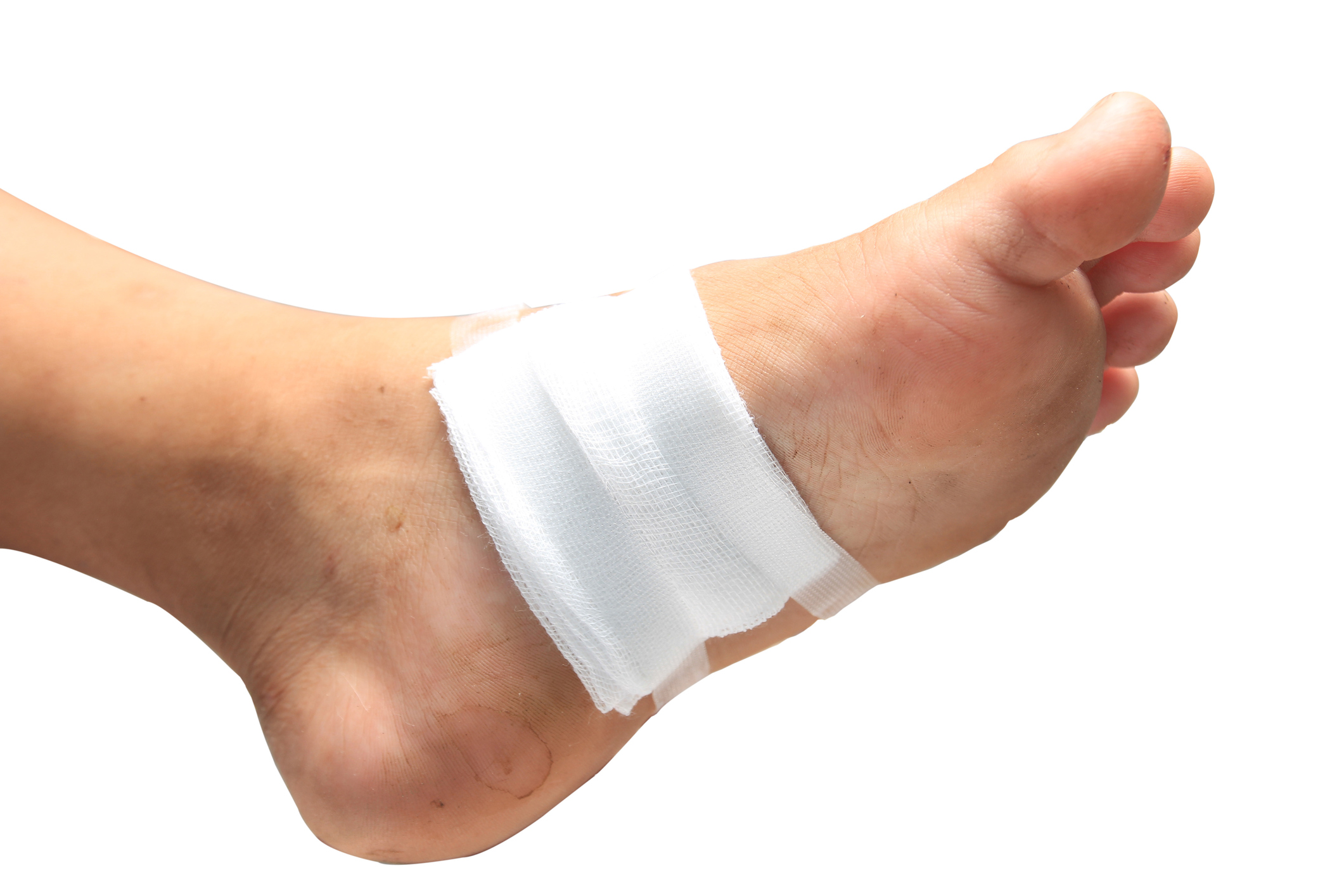
  • Covering your wound with a bandage.
  • Moisturizing your skin regularly
  • Watching for signs of infection

If you believe you have cellulitis, make an appointment with your doctor immediately. If you do not have a doctor, you can make an appointment with a qualified physician at Flushing Hospital Medical Center by calling 718-670-5486.

All content of this newsletter is intended for general information purposes only and is not intended or implied to be a substitute for professional medical advice, diagnosis or treatment. Please consult a medical professional before adopting any of the suggestions on this page. You must never disregard professional medical advice or delay seeking medical treatment based upon any content of this newsletter. PROMPTLY CONSULT YOUR PHYSICIAN OR CALL 911 IF YOU BELIEVE YOU HAVE A MEDICAL EMERGENCY.

When Eating Healthy, This Desert Takes the Cake!

Rich Chocolate Pudding Pie

Ingredients

CRUST:

  • 30 chocolate wafers (such as Nabisco’s Famous Chocolate Wafers)
  • 3 ounces bittersweet chocolate, melted
  • 1 tablespoon canola oil

FILLING:

  • 3/4 cup sugar
  • 1/4 cup cornstarch
  • 1/4 cup unsweetened cocoa
  • 1/4 teaspoon salt
  • 1 3/4 cups 1% low-fat milk, divided
  • 2 large egg yolks
  • 4 ounces bittersweet chocolate, finely chopped
  • 1 tablespoon white rum
  • 1/2 cup fresh raspberries
  • 10 tablespoon fat-free frozen whipped topping, thawed

PREPARATION

  1. To prepare crust, place wafers in a food processor; process until finely ground. Add 3 ounces melted chocolate and oil; process until blended. Press into bottom and up sides of a 9-inch pie plate. Freeze 15 minutes or until set.
  2. To prepare the filling, combine sugar, cornstarch, cocoa, and salt in a large saucepan; stir with a whisk. Add half of milk and 2 yolks; stir with a whisk until smooth. Stir in the remaining milk. Cook over medium heat for 5 minutes or until thick and bubbly, stirring constantly. Remove from heat. Add 4 ounces chocolate, and stir until smooth. Stir in rum. Pour filling into prepared crust. Cover with plastic wrap; chill 4 hours or until set. Serve with raspberries and whipped topping.

For this and more healthy deserts, check out – 

All content of this newsletter is intended for general information purposes only and is not intended or implied to be a substitute for professional medical advice, diagnosis or treatment. Please consult a medical professional before adopting any of the suggestions on this page. You must never disregard professional medical advice or delay seeking medical treatment based upon any content of this newsletter. PROMPTLY CONSULT YOUR PHYSICIAN OR CALL 911 IF YOU BELIEVE YOU HAVE A MEDICAL EMERGENCY.

Blood Pressure – Keeping it Under Control in the New Year

Soon it will be the beginning of the New Year and many of us will make resolutions to do things better than the previous year. For many people this means living healthy, losing weight, and keeping our blood pressure under control.

High blood pressure affects one in three Americans. If not controlled well it can lead to kidney problems, damaged blood vessels, stroke, and heart attacks. There are many factors that can cause blood pressure to be elevated including obesity, stress, smoking, high sodium diets and elevated cholesterol. Ideally, managing some of these factors can help to maintain a blood pressure that is as close to normal range (120/80mmHg) as possible.

There are many ways that doctors can help us to control our blood pressure, Your doctor can prescribe medication that will help. Additionally other methods include:

  • Quitting smoking
  • Lose weight
  • Stress reduction
  • Exercise regularly
  • Eat less salty food
  • Eliminate beverages that contain caffeine
  • Eat dark chocolate
  • Cut back on sugar
  • Drink less alcohol

Keeping your blood pressure under control is probably one of the most important things you can do to keep yourself healthy. Speak to your doctor about methods that would work best for you.

If you would like to schedule an appointment with a doctor at Flushing Hospital to discuss how you can lower your blood pressure in 2018, please call 718-670-5486.

All content of this newsletter is intended for general information purposes only and is not intended or implied to be a substitute for professional medical advice, diagnosis or treatment. Please consult a medical professional before adopting any of the suggestions on this page. You must never disregard professional medical advice or delay seeking medical treatment based upon any content of this newsletter. PROMPTLY CONSULT YOUR PHYSICIAN OR CALL 911 IF YOU BELIEVE YOU HAVE A MEDICAL EMERGENCY.

Department of Finance and Food Services Bring Holiday Cheer to Children!

Flushing Hospital Medical Center’s (FHMC) Department Spotlight shines on two departments who brought holiday cheer to the children in our Pediatric Unit and children living in shelters.

The Department of Finance held their Annual Holiday Gathering and collected toys from each participant at the event.  The donated toys will be distributed to the children are spending the holiday season in the hospital.

Maria Smilios, RN, Director of Nursing who oversees Pediatrics stated, “There were so many toys collected they will given to for the children long after the holidays are over.”

Another department who was committed to bringing cheer to the less fortunate was Food Services and Nutrition.  They collected over 100 toys for Toys For Tots.  The donation was made to the NYPD for distribution to family shelters in Queens.

Tracy Tompkins, Director of Food and Nutrition was elated by the participation of her department as well as the staff at FHMC.

The departments involved in the toy collection would like to thank the employees and administrators at FHMC , as well as Health First for their generous donation of toys.

All content of this newsletter is intended for general information purposes only and is not intended or implied to be a substitute for professional medical advice, diagnosis or treatment. Please consult a medical professional before adopting any of the suggestions on this page. You must never disregard professional medical advice or delay seeking medical treatment based upon any content of this newsletter. PROMPTLY CONSULT YOUR PHYSICIAN OR CALL 911 IF YOU BELIEVE YOU HAVE A MEDICAL EMERGENCY.

Lactose Intolerance

Lactose intolerance is a fairly common disorder, estimated to affect 75% of the world’s population. It is caused by a lack of an enzyme produced in the small intestine called lactase. This enzyme helps the body to break down the sugar (lactose) found in milk and milk products so that it can be properly absorbed into the blood.

There are three types of lactose intolerance:

Primary lactose intolerance – this is the most common form of the condition. In this type of intolerance the body starts off life with the full ability to digest lactose found in milk but as the  body ages, this capability diminishes.

Secondary lactose intolerance – this occurs when the body’s ability to digest lactose is altered either due to surgery or as a side effect of an illness (Celiac disease, bacterial overgrowth, and Crohn’s Disease).

Congenital lactose intolerance – is the condition where babies are born with a diminished capacity to digest lactose.

The symptoms of lactose intolerance can be very uncomfortable. They include:
• Gas
• Bloating
• Diarrhea
• Abdominal cramps
• Nausea

Diagnosing lactose intolerance can be performed a few different ways. There is a Lactose intolerance test that involves drinking a liquid with a high level of lactose in it. After two hours blood samples are taken to see if there is an increase in the level of sugar in the blood. If there isn’t a significant change, this indicates that the body didn’t digest the lactose sufficiently. A hydrogen breath test can be performed ro monitor the level of hydrogen produced if lactose is digested properly. The more hydrogen produced indicates the less digestion that took place. The third test is a stool acidity test which is primarily used in patients who are unable to undergo the first two tests and it measures the amount of acid in the stool.

There are several types of foods that people who are lactose intolerant should avoid:
• Milk
• Ice Cream
• Yogurt
• Butter

Additionally, some other types of food that may contain dairy are: bread, cake, custard, chocolate, candy, instant soups and some sauces.

One of the ways to avoid the symptoms of lactose intolerance is to remove dairy and dairy containing products from the diet. There are lactase containing supplements that can be taken that may help with the digestion of lactose and also taking probiotics may be beneficial.

If you experience any of the symptoms of lactose intolerance and would like to schedule an appointment with a physician at Flushing Hospital Medical Center, please call 718-670-5486.

All content of this newsletter is intended for general information purposes only and is not intended or implied to be a substitute for professional medical advice, diagnosis or treatment. Please consult a medical professional before adopting any of the suggestions on this page. You must never disregard professional medical advice or delay seeking medical treatment based upon any content of this newsletter. PROMPTLY CONSULT YOUR PHYSICIAN OR CALL 911 IF YOU BELIEVE YOU HAVE A MEDICAL EMERGENCY.

Easy and Delicious Frittata

Tired of the same meals night after night?  Try this easy and delicious Frittata receipe.  We bet most of the ingredients are already in your fridge!

Ingredients:

  • Olive oil for drizzling
  • 8 mushrooms, quartered
  • 6 asparagus spears, chopped
  • Salt and ground pepper to taste
  • 12 large eggs
  • ½ cup grated Monterey Jack
  • ¼ cup grated Parmesan
  • 2 dashes of hot sauce
  • 2 tablespoons butter
  • 1 medium onion, halved and sliced thin
  • 1 cold baked potato, diced
  • ¼ cup chopped green olives with pimentos
  • 2 jarred roasted peppers, sliced thin
  • 8 fresh basil leaves, chopped

Directions:

Preheat the oven to 450 degrees F.

Drizzle olive oil over the mushrooms and asparagus on a baking sheet, sprinkle with salt and pepper and roast until a nice color is achieved, about 12 minutes. Set aside.

Beat together the eggs with some salt and pepper in a bowl. (Do not over-beat; just mix until the eggs mostly come together.) Stir in the Monterey Jack, Parmesan and hot sauce and set aside.

In a large ovenproof nonstick skillet, melt the butter over medium-high heat. Add the onions and cook, stirring frequently, until soft and golden brown, several minutes. Add the diced potatoes, sprinkle with salt and pepper and stir to cook for a couple of minutes. Finally, add the asparagus, mushrooms, olives and roasted red peppers and cook, stirring, until everything is hot.

Make sure all the ingredients are evenly distributed across the bottom of the skillet, then pour in the egg mixture so that it evenly coats everything. Let it sit on the burner for 30 to 45 seconds to set the edges, then put the skillet in the oven. Cook, watching it carefully, until the eggs are set but not very brown on top, 10 to 12 minutes.

Slide the frittata out of the skillet and onto a cutting board. Sprinkle on the basil and slice into wedges with a long serrated knife.

For this and more delicious recipes visit – 

All content of this newsletter is intended for general information purposes only and is not intended or implied to be a substitute for professional medical advice, diagnosis or treatment. Please consult a medical professional before adopting any of the suggestions on this page. You must never disregard professional medical advice or delay seeking medical treatment based upon any content of this newsletter. PROMPTLY CONSULT YOUR PHYSICIAN OR CALL 911 IF YOU BELIEVE YOU HAVE A MEDICAL EMERGENCY.

Belly Bloat

Belly bloat is a very common condition, and many are familiar with the feeling of discomfort that it brings.

Bloat typically occurs as a result of a buildup of gas in the abdomen caused by swallowing air or a disturbance in digestion. This may lead to symptoms such as:

  • Frequent burping or belching
  • Excessive flatulence
  • Abdominal rumbling
  • Pain
  • Swelling and hardness of the abdomen

One of the ways to avoid belly bloat is to reduce the amount of air you swallow. This may be achieved by:

  • Limiting consumption of carbonated beverages
  • Eating slowly
  • Avoiding foods that can cause gas
  • Avoiding dairy products if you are lactose intolerant
  • Avoiding or minimizing chewing gum

There are several solutions you can try to relieve symptoms or minimize the occurrence of bloating, they include:

  • Adding probiotics and fiber to your diet
  • Trying abdominal massages
  • Using over-the-counter gas medications
  • Drinking more water

In most cases bloating is not serious; however, if you experience symptoms for an extended period of time, you should see a doctor.   Seek immediate treatment if bloating is accompanied by symptoms such as bleeding, diarrhea, vomiting or weight loss.

All content of this newsletter is intended for general information purposes only and is not intended or implied to be a substitute for professional medical advice, diagnosis or treatment. Please consult a medical professional before adopting any of the suggestions on this page. You must never disregard professional medical advice or delay seeking medical treatment based upon any content of this newsletter. PROMPTLY CONSULT YOUR PHYSICIAN OR CALL 911 IF YOU BELIEVE YOU HAVE A MEDICAL EMERGENCY.