Natural Ways To Defy Aging

As far back as 1513, when Ponce de Leon traveled to Florida in search of the Fountain of Youth, people have been obsessed with retaining their youthful appearance. In modern times, whether young, middle-aged or older, individuals are still in search of ways to look younger.

Could the “fountain of youth” and the ability to maintain a youthful appearance have been within our grasp all along?

It is proven that people who have maintained a fit, healthy weight throughout their life will often have a younger looking physique, as well as less sagging in their skin.

Additional ways to maintain a younger appearance are:

  • Taking care of your teeth – A full set of teeth avoids the bone loss in the mouth and jaw structures, which can give the face a sunken appearance.
  • Color your greys away – Vibrant hair color, with a glossy texture and lots of volume can also make someone look younger.
  • Dump the frumpy frocks – Modern, stylish clothing, eyeglasses, jewelry and accessories can go a long way toward appearing younger.
  • Posture – How you stand, sit and carry yourself will not only affect how other people see you, but it also has an impact on how you look and feel as you get older.
  • Adjust your mindset – Research has found that our lifestyle habits such as exercise, nutrition, stress management and sleep will enhance the body’s ability to repair cellular damage that is inevitable as we get older.
  • Get your beauty sleep – Bags under the eyes and pallor to your skin can definitely make you look old and tired. A solid seven to eight hours of sleep per night is recommended.

If maintaining healthy skin is your concern, foods containing vitamins A, C, and E, polyphenols (antioxidants that have anti-inflammatory properties that protect and benefit the skin should be part of your daily diet)

Here are some examples of foods that provide these key nutrients:

  • Vitamin A – Sweet potatoes, broccoli, leafy greens (such as spinach and kale), red, yellow and orange produce (such as cantaloupe, carrots, bell peppers), and asparagus
  • Vitamin C – Red bell peppers, broccoli, cauliflower, strawberries, pineapple, kiwifruit, oranges and cantaloupe
  • Vitamin E – Nuts and seeds, vegetable oils, tomato products, and spinach
  • Polyphenols – Green tea, cocoa and dark chocolate

By maximizing your intake of the items listed above, adopting healthy lifestyle habits, and drinking plenty of purified water while minimizing your intake of sugars and highly processed foods, you  will be doing your best to keep your body functioning well as you age.

All content of this newsletter is intended for general information purposes only and is not intended or implied to be a substitute for professional medical advice, diagnosis or treatment. Please consult a medical professional before adopting any of the suggestions on this page. You must never disregard professional medical advice or delay seeking medical treatment based upon any content of this newsletter. PROMPTLY CONSULT YOUR PHYSICIAN OR CALL 911 IF YOU BELIEVE YOU HAVE A MEDICAL EMERGENCY.
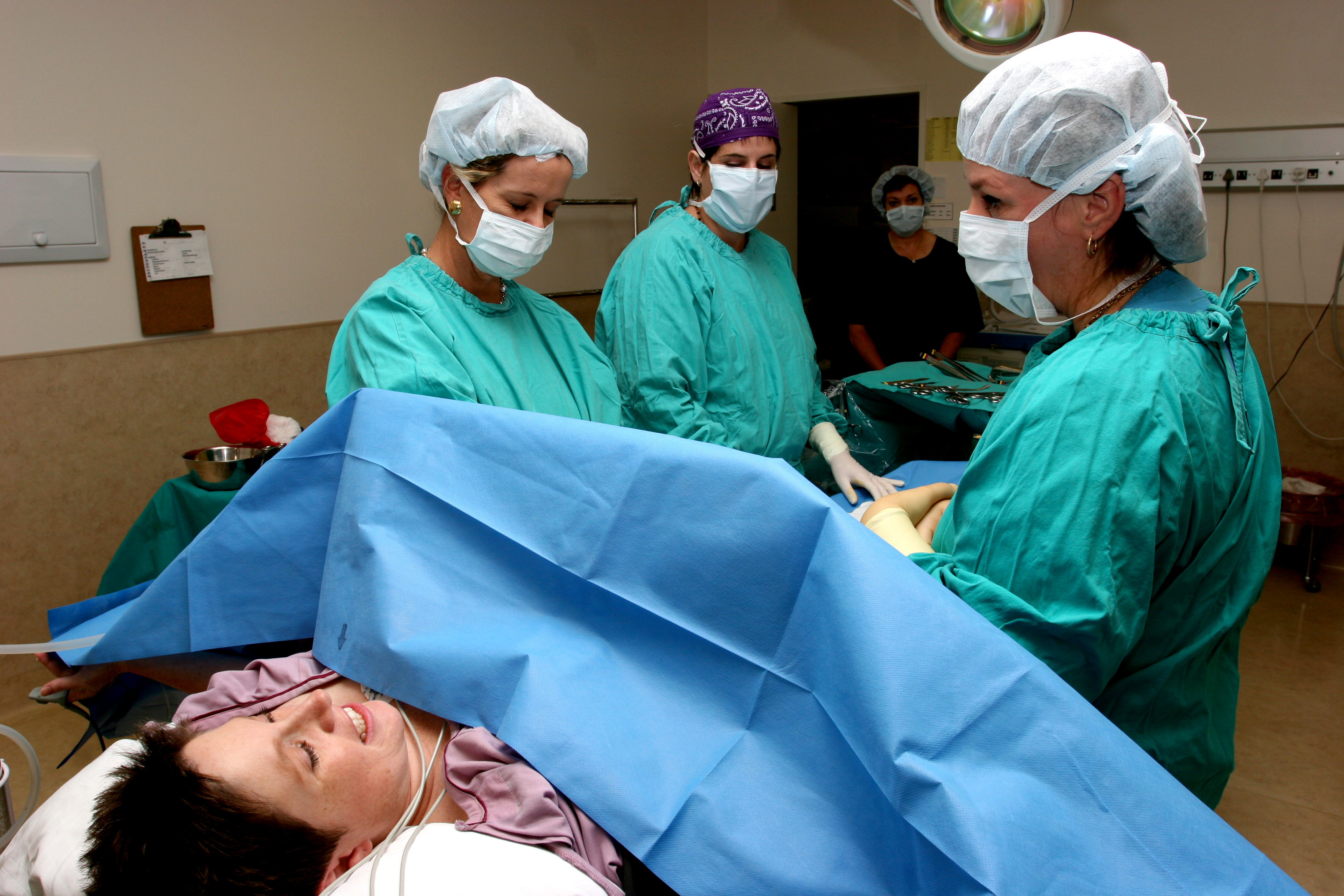

Department Spotlight – Urology

The Department of Urology at Flushing Hospital is staffed by fully trained, board certified urologists, specially trained physician assistants, registered nurses and medical assistants.  The department utilizes state-of-the art diagnostic equipment and minimally invasive techniques to provide comprehensive care to our patients. The department treats both men and women with an understanding of the sensitive nature of urologic illnesses, and with special emphasis for women on bladder control and urinary tract infections, and for men enlarged prostate, urinary vasectomies, male sexual health and prostate cancer.
One of the commonly treated urologic conditions in both women and men is kidney stones. The department of urology has a kidney stone treatment center that can diagnose and treat this condition quickly. A Spiral CT scanner is used to locate the stone(s )which eliminates the need to use  contrast dyes. Non-surgical modalities in the form of shock wave lithotripsy break up smaller stones into fine particles. For larger stones, a Holium laser and miniscope are used.
For patients with prostate cancer radioactive seed implantation can be performed  by ultrasound guidance with pinpoint accuracy.
The Department of Urology also offers the da Vinci Robotic Surgical platform for prostate surgery. This new technology allows our surgeons to perform minimally invasive surgical procedures that benefit our patients through faster recovery time, less blood loss, less pain, and shorter hospitalizations.
To schedule an appointment at Flushing Hospital’s Urology suite, please call 718-670-5699.

All content of this newsletter is intended for general information purposes only and is not intended or implied to be a substitute for professional medical advice, diagnosis or treatment. Please consult a medical professional before adopting any of the suggestions on this page. You must never disregard professional medical advice or delay seeking medical treatment based upon any content of this newsletter. PROMPTLY CONSULT YOUR PHYSICIAN OR CALL 911 IF YOU BELIEVE YOU HAVE A MEDICAL EMERGENCY.

Is There a Link Between Type 1 Diabetes and Celiac Disease?

It is not unusual for people with Type 1 diabetes to also have celiac disease. Type 1diabetes and celiac disease share several common traits. Both diseases are triggered by genetic and environmental factors and they increase the risk of developing associated autoimmune diseases.

Type 1 diabetes or insulin-dependent diabetes causes the body to produce insufficient amounts of insulin needed to break down glucose

Celiac disease, or gluten-sensitive enteropathy, is a disease in which the body launches an immune reaction when a person consumes gluten, a type of protein found in wheat, rye and barley.

Most patients with both diseases tend to develop asymptomatic celiac disease, but are unaware they are experiencing its symptoms.  This is because they are confusing symptoms with diabetes with those of asymptomatic celiac disease.

Symptoms may include, but are not limited to: Bloating

  • Bloating
  • Diarrhea
  • Weight loss
  • Fatigue
  • Anemia
  • Irritability
  • Depression

As a diabetic with celiac disease, you may think that your world has come to an end and you will not be able to eat anything since both diseases require adherence to a strict diet, but that’s not the case.  There are tips you can follow that will help you self-manage both diseases and maintain overall health:

  • Gluten-free foods – Health food stores and most main stream grocery stores now carry gluten-free products. Rice pasta can be used as a substitute for pasta.
  • Follow a whole-food meal plan – A gluten free dinner consisting of a serving of protein (broiled or baked), steamed vegetables, a small serving of brown rice, and a small piece of fruit for dessert can small piece of fruit for dessert.
  • Watch your blood sugar levels – A diagnosis of celiac disease necessitates what may be a dramatic change in your daily sources of carbohydrates. You may experience variations in your usual blood-sugar patterns, so you will want to be vigilant in testing.
  • Track your calories and carbs – Some gluten-free foods may be calorie and carbohydrate dense. You cannot assume that a sandwich made with gluten-free bread has the same amount of carbohydrates as one made with regular bread.
  • Check nutrition labels of processed foods – All food labels are required to state if the food contains wheat, but keep in mind that wheat-free doesn’t mean gluten-free.
  • Meet with a registered dietician – It can be complicated having two serious diseases that come with different dietary restrictions.

If you or someone you know has celiac disease and type 1 diabetes and would like to speak with a registered dietitian to help self-manage your disease, call Jamaica Hospital Medical Center at 718-206-7001 for an appointment.


All content of this newsletter is intended for general information purposes only and is not intended or implied to be a substitute for professional medical advice, diagnosis or treatment. Please consult a medical professional before adopting any of the suggestions on this page. You must never disregard professional medical advice or delay seeking medical treatment based upon any content of this newsletter. PROMPTLY CONSULT YOUR PHYSICIAN OR CALL 911 IF YOU BELIEVE YOU HAVE A MEDICAL EMERGENCY.

Take a Break

Studies have shown that taking regular breaks during the work day can improve productivity and mental acuity, reduce fatigue, relieve joint or muscle pain, and increase overall alertness.

Chronic stress from over working can put a strain on your body and put you at risk for poor health. Taking a break can give your body the chance to turn off the stress so that you can recuperate and repair.

Research has shown that people on a break feel healthier, have less physical complaints and could have a reduction in cholesterol levels on their return.

Some other benefits of taking a break or vacation are:

  • Vitamin D – The Sun is rich in Vitamin D which is essential for maintaining healthy bones and keeping the immune systems and nervous system functioning normally.
  • Relaxing – Taking time to relax on a break from working has powerful benefits for adults. It can be as important as sleep.

Break time shrinks stress – Time away from work helps shrink stress and anxiety while boosting mental and physical health.

Keep in mind that regularly scheduled breaks should be approved by your supervisor.


All content of this newsletter is intended for general information purposes only and is not intended or implied to be a substitute for professional medical advice, diagnosis or treatment. Please consult a medical professional before adopting any of the suggestions on this page. You must never disregard professional medical advice or delay seeking medical treatment based upon any content of this newsletter. PROMPTLY CONSULT YOUR PHYSICIAN OR CALL 911 IF YOU BELIEVE YOU HAVE A MEDICAL EMERGENCY.

Benefit of the Annual Physical

The greatest benefit of an annual physical is knowledge for both you and your physician.  An annual visit establishes a baseline for your personal health.  Armed with this information, your doctor can detect unhealthy trends before they become risk factors.

Nearly one third of the population with a chronic disease is unaware that they have the disease.  According to the Partnership to Fight Chronic Disease, as many as 100,000 lives could be saved each year by increasing preventive care services.

Health screenings, such as blood glucose and blood pressure tests can easily detect the two most chronic conditions, diabetes and hypertension before they cause serious health issues.  The Centers for Disease Control cites that seven out of every 10 deaths are caused by chronic disease.  Proper management of these conditions can prevent unnecessary hospitalization.

In order to get the most out of your annual physical, take a moment to prepare:

  • Make a list of your health concerns
  • Make a list of all the medications you are taking
  • Get a copy of your medical records and your family medical history

Dozens of Patient Care Specialists, on staff at Flushing Hospital Medical Center, are ready to provide you with your annual check-up.

Flushing Hospital is a certified Patient Centered Medical Home (PCMH) in its Ambulatory Care Center. The Center offers more than 50 outpatient general and specialty services for children adolescents and adults.

Flushing Hospital’s ambulatory care services accepts most major insurances, is centrally located and has convenient patient hours.  Call 718-670-5486 to schedule an appointment.

All content of this newsletter is intended for general information purposes only and is not intended or implied to be a substitute for professional medical advice, diagnosis or treatment. Please consult a medical professional before adopting any of the suggestions on this page. You must never disregard professional medical advice or delay seeking medical treatment based upon any content of this newsletter. PROMPTLY CONSULT YOUR PHYSICIAN OR CALL 911 IF YOU BELIEVE YOU HAVE A MEDICAL EMERGENCY.

Cervical Health Awareness Month- The Importance of Regular Cervical Screenings

MD001276January has been designated as Cervical Health Awareness Month by the National Cervical Cancer Coalition and the American Social Health Association.  This initiative helps raise awareness and encourages women to receive regular screenings for cervical cancer and human papillomavirus (HPV).

HPV is a major cause of cervical cancer  which is one of the most common cancers found in women.  However early detection can lessen the severity of both diseases and prevent the development of abnormal or cancerous cells.

It is recommended that women receive regular screenings to check the health of their cervixes. The frequency of screenings varies by age and the following time period is as recommended by The American Cancer Society (www.cancer.org):

  • All women should begin cervical cancer screening at age 21.
  • Women between the ages of 21 and 29 should have a Pap test every 3 years. They should not be tested for HPV unless it is needed after an abnormal Pap test result.
  • Women between the ages of 30 and 65 should have both a Pap test and an HPV test every 5 years. This is the preferred approach, but it is also OK to have a Pap test alone every 3 years.
  • Women over age 65 who have had regular screenings with normal results should not be screened for cervical cancer. Women who have been diagnosed with cervical pre-cancer should continue to be screened.
  • Women who have had their uterus and cervix removed in a hysterectomy and have no history of cervical cancer or pre-cancer should not be screened.

In addition to receiving screenings it is strongly recommended by the Centers for Disease Control and Prevention that women and men receive HPV vaccinations to stop the spread of the virus.

Please speak with your doctor as soon as possible about steps you can take to maintain your cervical health and remember, prevention is better than cure.

All content of this newsletter is intended for general information purposes only and is not intended or implied to be a substitute for professional medical advice, diagnosis or treatment. Please consult a medical professional before adopting any of the suggestions on this page. You must never disregard professional medical advice or delay seeking medical treatment based upon any content of this newsletter. PROMPTLY CONSULT YOUR PHYSICIAN OR CALL 911 IF YOU BELIEVE YOU HAVE A MEDICAL EMERGENCY.

Should You Breast Feed When You Are Sick?

There are many benefits to breast feeding, but is it harmful to your child’s health when you are sick with a cold or virus?

160694931Even when you are sick, your baby will almost always benefit from breastfeeding. In most instances, viruses are most likely transmitted before symptoms even occur. Breast feeding can actually help protect your baby from the virus since your breast milk produces the necessary antibodies to stave off the illness. In fact, even if your baby gets sick, it is usually a much milder case than anyone else in the house.

It is not a good idea for you to stop breast feeding abruptly because your breasts can become engorged, which can lead to painful inflammation, known as mastitis. Instead, while you are sick, ask a family member to bring the baby to you to nurse and take him way when you’re done so you can rest. Also, drink plenty of fluids when you are sick so you don’t become dehydrated and your milk supply does not decrease.

Some moms may also be concerned about taking medications while breastfeeding, but with few exceptions, over the counter medications are just fine. Some suggestions include:
• Avoid using extra or maximum strength pain medication or fever reducers.

• Medications that contain ibuprofen are recommended over those that contain acetaminophen.

• Try to use single ingredient, short acting forms of cold, cough, and allergy medications.

• Avoid taking aspirin as there is a small risk of infants developing Reye’s syndrome.

It is important however to carefully read medication labels and check with your physician before taking any drug while you are nursing. If you do not have a doctor, contact Flushing Hospital’s Women’s Health Center at 718-670-8994 to make an appointment.

All content of this newsletter is intended for general information purposes only and is not intended or implied to be a substitute for professional medical advice, diagnosis or treatment. Please consult a medical professional before adopting any of the suggestions on this page. You must never disregard professional medical advice or delay seeking medical treatment based upon any content of this newsletter. PROMPTLY CONSULT YOUR PHYSICIAN OR CALL 911 IF YOU BELIEVE YOU HAVE A MEDICAL EMERGENCY.

Are post-menopausal women at risk for developing hypertension?

hypertension-87650188Women expect their bodies to undergo several changes during menopause but it is also important for them to know about one of the major changes they may encounter post -menopause. This is a change in their cardiovascular health.  As the production of the hormone estrogen decreases, their risk for developing diseases such as hypertension can increase.

Estrogen plays a vital role in maintaining cardiovascular health. It helps with keeping blood vessels dilated, reducing sensitivity to sodium, producing collagen which keeps the walls of blood vessels flexible and reducing levels of endothelin (peptides that constrict blood vessels)- all of which are essential factors in normalizing blood pressure.

A declination in estrogen levels during menopause can also contribute to weight gain.  Being overweight or obese increases the probability of developing hypertension.

There are preventative measures post-menopausal women can take to reduce their risk of getting hypertension. Living a healthy lifestyle, which includes exercising regularly and eating a balanced has been effective in controlling and lowering blood pressure in most women.

All content of this newsletter is intended for general information purposes only and is not intended or implied to be a substitute for professional medical advice, diagnosis or treatment. Please consult a medical professional before adopting any of the suggestions on this page. You must never disregard professional medical advice or delay seeking medical treatment based upon any content of this newsletter. PROMPTLY CONSULT YOUR PHYSICIAN OR CALL 911 IF YOU BELIEVE YOU HAVE A MEDICAL EMERGENCY.

Are You Experiencing The Holiday Blues?

Holiday Depression 527116059The holiday season may be a time of happiness for many but for others it can also be the time of year that they are likely to feel depressed.

Financial stress, increased alcohol or food consumption, Seasonal Affective Disorder and loneliness are common contributors to depression during the holidays.

While the source of depression may vary from person to person, there are chronic behaviors and health problems that are widely recognized as symptoms of the disorder.  Some of these include:

  • Fatigue
  • Insomnia
  • Sleeping excessively
  • Loss of interest in activities or hobbies that were once enjoyable
  • Loss of appetite
  • Difficulty concentrating
  • Feelings of hopelessness or worthlessness

People who experience bouts of depression during the holidays can reduce these symptoms by:

  • Asking for help when holiday stressors become overwhelming
  • Moderating alcohol consumption
  • Spending time with loved ones
  • Exercising
  • Eating a healthy and balanced diet
  • Getting enough sleep
  • Practicing relaxation techniques such as yoga or meditation

If symptoms of depression persist or progress into self-harming thoughts, please seek the help of a mental health professional immediately. It is important to remember there is no shame in receiving assistance from mental health professionals; they will help you to identify the source of your depression and offer several options for treatment.

To schedule an appointment with a mental health professional at Flushing Hospital Medical Center, please call 718-670-5316 or 718-670-5562


All content of this newsletter is intended for general information purposes only and is not intended or implied to be a substitute for professional medical advice, diagnosis or treatment. Please consult a medical professional before adopting any of the suggestions on this page. You must never disregard professional medical advice or delay seeking medical treatment based upon any content of this newsletter. PROMPTLY CONSULT YOUR PHYSICIAN OR CALL 911 IF YOU BELIEVE YOU HAVE A MEDICAL EMERGENCY.

Waist Training – Is It Safe?

The latest trend to achieve a slimmer waist is inspired by a practice that is over 500 years old.

ThinkstockPhotos-503762193Waist training is a practice that requires women to wear a corset, similar to the ones worn in the Victorian era, for extended periods of time in an attempt to achieve an hour glass figure. Endorsed by celebrities, waist training is popping up all over social media, with many women trying to reduce or contour their midsection, but does it work?

Proponents of waist training believe that wearing a corset for hours at a time will permanently mold their waist into a desired, slimmer shape. Medical experts disagree, however, stating that after the constricting garment is removed, your body will eventually return to its natural form. Believers of waist training also say that garment increases sweating, which results in weight loss, but doctors claim it is not possible to perspire so much that it will shed inches off of your waist line.

Regardless of whether or not waist training is effective, there is no debate that it can cause serious damage to a woman’s health. Wearing these cinching devices can move or squeeze internal organs, causing serious damage, including compressed lungs, crushed or displaced organs, or fractured ribs. These problems can result in difficulty breathing, digestive issues, and general pain.

While waist training is certainly appealing because it seems like a quick fix to shrink your waist,  doctors encourage maintaining a healthy diet and incorporating a fitness regime focused on strengthening your core as a much safer and healthier alternative.

All content of this newsletter is intended for general information purposes only and is not intended or implied to be a substitute for professional medical advice, diagnosis or treatment. Please consult a medical professional before adopting any of the suggestions on this page. You must never disregard professional medical advice or delay seeking medical treatment based upon any content of this newsletter. PROMPTLY CONSULT YOUR PHYSICIAN OR CALL 911 IF YOU BELIEVE YOU HAVE A MEDICAL EMERGENCY.