Dementia

Dementia is a general term that represents a group of diseases and illnesses that cause the loss of cognitive functioning to the point that it interferes with a person’s daily life and activities.

Cognitive changes they may experience include:

  • Memory loss, usually noticed by someone else
  • Problems communicating or finding words
  • Trouble with visual and spatial abilities, such as getting lost while driving
  • Problems with reasoning or problem-solving
  • Trouble performing complex tasks
  • Trouble with planning and organizing
  • Poor coordination and control of movements
  • Confusion and disorientation

Some people with dementia can’t control their emotions, and they may also have psychological changes, such as:

  • Personality changes
  • Depression
  • Anxiety
  • Agitation
  • Inappropriate behavior
  • Hallucinations

Dementia is caused by damage to your brain, affecting its nerve cells and destroying the brain’s ability to communicate with its various areas. Dementia can also result from blocked blood flow to your brain, depriving it of oxygen and nutrients. Without oxygen and nutrients, brain tissue dies.

Progressive dementias get worse over time. Types of dementias that worsen and aren’t reversible include:

  • Alzheimer’s disease (the most common cause of dementia)
  • Vascular dementia
  • Lewy body dementia
  • Frontotemporal dementia
  • Mixed dementia

Other disorders linked to dementia include:

  • Huntington’s disease
  • Traumatic brain injury (TBI)
  • Creutzfeldt-Jakob disease
  • Parkinson’s disease

Some causes of dementia-like symptoms can be reversed with treatment including:

  • Infections and immune disorders
  • Metabolic or endocrine problems
  • Low levels of certain nutrients
  • Medicine side effects
  • Subdural bleeding
  • Brain tumors
  • Normal-pressure hydrocephalus

Many risk factors can contribute to dementia, including:

  • Age
  • Family history

A healthcare provider must recognize the pattern of loss of skills and function to be able to diagnose the cause of dementia. No single test can diagnose dementia, therefore, a series of tests may be conducted to determine a diagnosis. These tests include:

  • Cognitive and neuropsychological tests
  • Neurological evaluation
  • Brain scans
    • CT or MRI
    • PET scans
  • Laboratory tests
  • Psychiatric evaluation

Most types of dementia can’t be cured, but there are ways to manage your symptoms including:

  • Medications
  • Therapies

If you or a loved one is experiencing symptoms associated with dementia, you can receive treatment from a neurologist at Flushing Hospital Medical Center’s Ambulatory Care Center. To schedule an appointment, please call (718) 670-5486.


All content of this newsletter is intended for general information purposes only and is not intended or implied to be a substitute for professional medical advice, diagnosis or treatment. Please consult a medical professional before adopting any of the suggestions on this page. You must never disregard professional medical advice or delay seeking medical treatment based upon any content of this newsletter. PROMPTLY CONSULT YOUR PHYSICIAN OR CALL 911 IF YOU BELIEVE YOU HAVE A MEDICAL EMERGENCY.

Cellulitis

Cellulitis is a common, potentially serious bacterial infection of the skin and tissue beneath the skin. The affected area is typically swollen, inflamed, painful, and warm to the touch.

Cellulitis commonly affects the lower part of your body, including your legs, feet, and toes. However, it can occur in any part of your body like your face, arms, hands, and fingers.

Some symptoms of cellulitis include:

  • An irritated area of skin that tends to expand
  • Swelling
  • Tenderness
  • Pain
  • Warmth
  • Fever
  • Chills
  • Spots
  • Blisters
  • Skin dimpling
  • Headache
  • Weakness
  • Red streaks from the original site of the cellulitis

When you first get cellulitis, your skin looks slightly discolored. It may feel slightly warm to the touch. As the infection spreads, the discoloration gets darker and your skin swells and becomes tender.

Some severe symptoms that will need immediate emergency care include:

  • If you have a large area of red inflamed skin
  • Fever
  • If the affected area is causing numbness, tingling, or other changes in a hand, arm, leg, or foot
  • If the skin appears black
  • If the area that is red and swollen is around your eyes or behind the ears
  • If you have diabetes or a weakened immune system

Cellulitis is caused when bacteria, most commonly streptococcus and staphylococcus enter through a crack or break in the skin. Bacteria are more likely to enter broken, dry, flaky, or swollen skin such as a recent surgical site, cuts, puncture wounds, ulcers, athlete’s foot, or dermatitis. If the wound isn’t treated properly, there is potential to encounter a more severe staphylococcus infection called methicillin-resistant Staphylococcus aureus (MRSA).

Another cause of cellulitis occurs due to poor hygiene. Ways to maintain good hygiene include:

  • Washing your hands regularly with soap and warm water
  • Cleaning and trimming your fingernails and toenails
  • Regularly showering and thoroughly drying your skin afterward
  • Wearing clean clothes
  • Keeping small wounds clean

To diagnose cellulitis, your healthcare provider will ask about your symptoms and examine the affected area. If you have a severe case of cellulitis, your physician may recommend tests to ensure the infection hasn’t spread to other parts of your body. These tests include:

  • Blood test
  • Skin test
  • Bacterial culture

Cellulitis is usually treated with oral antibiotics. However, severe cases of cellulitis may not respond to oral antibiotics. You may require hospitalization and intravenous antibiotics.

The fastest way to get rid of cellulitis is to take the full course of antibiotics. Some home treatments that can help the healing process include:

  • A warm compress
  • Elevation
  • Compression wraps or stockings

Some ways you can reduce your risk of cellulitis include:

  • Cleaning your wounds or sores with antibacterial soap and water
  • Applying an antibiotic ointment on your wounds or sores
  • Covering your wounds or sores with bandages to prevent dirt or bacteria from entering the area
  • Refraining from touching or rubbing your affected areas
  • Getting medical attention right away for any deep cuts or puncture wounds

If you are experiencing symptoms of cellulitis, you can make an appointment with a qualified physician at Flushing Hospital Medical Center by calling 718-670-5486.


All content of this newsletter is intended for general information purposes only and is not intended or implied to be a substitute for professional medical advice, diagnosis or treatment. Please consult a medical professional before adopting any of the suggestions on this page. You must never disregard professional medical advice or delay seeking medical treatment based upon any content of this newsletter. PROMPTLY CONSULT YOUR PHYSICIAN OR CALL 911 IF YOU BELIEVE YOU HAVE A MEDICAL EMERGENCY.

National Immunization Awareness Month

August is National Immunization Awareness Month or NIAM. It is an annual observance highlighting the importance of getting routine vaccinations for people of all ages. 

Vaccines work by stimulating the immune system to protect our bodies against viruses or bacteria that cause infection. After vaccination, the immune system is better prepared to respond quickly when the body encounters disease-causing organisms.

Vaccinations are important at every stage of life. They are one of the safest preventative care measures available and help play a vital role in keeping you healthy. When you skip vaccines, you leave yourself vulnerable to illnesses such as shingles, influenza (flu), and both HPV and hepatitis B which are leading causes of cancer. 

Getting vaccinated also helps keep your family and community healthy, as vaccinations can help lessen the severity of illness and keep diseases from spreading. Additionally, vaccinations help protect those most vulnerable to illness, such as infants, elders, and people with weakened immune systems. 

If you or a loved one would like to get vaccinated, schedule an appointment with a physician at Flushing Hospital’s Department of Internal Medicine or your primary care physician as soon as possible.

To schedule an appointment for you or a loved one to get up to date on vaccinations, you can call Flushing Hospital Medical Center’s Ambulatory Care Center at (718) 670-5486.

All content of this newsletter is intended for general information purposes only and is not intended or implied to be a substitute for professional medical advice, diagnosis or treatment. Please consult a medical professional before adopting any of the suggestions on this page. You must never disregard professional medical advice or delay seeking medical treatment based upon any content of this newsletter. PROMPTLY CONSULT YOUR PHYSICIAN OR CALL 911 IF YOU BELIEVE YOU HAVE A MEDICAL EMERGENCY.

Will You Need a C-Section to Deliver Your Baby?

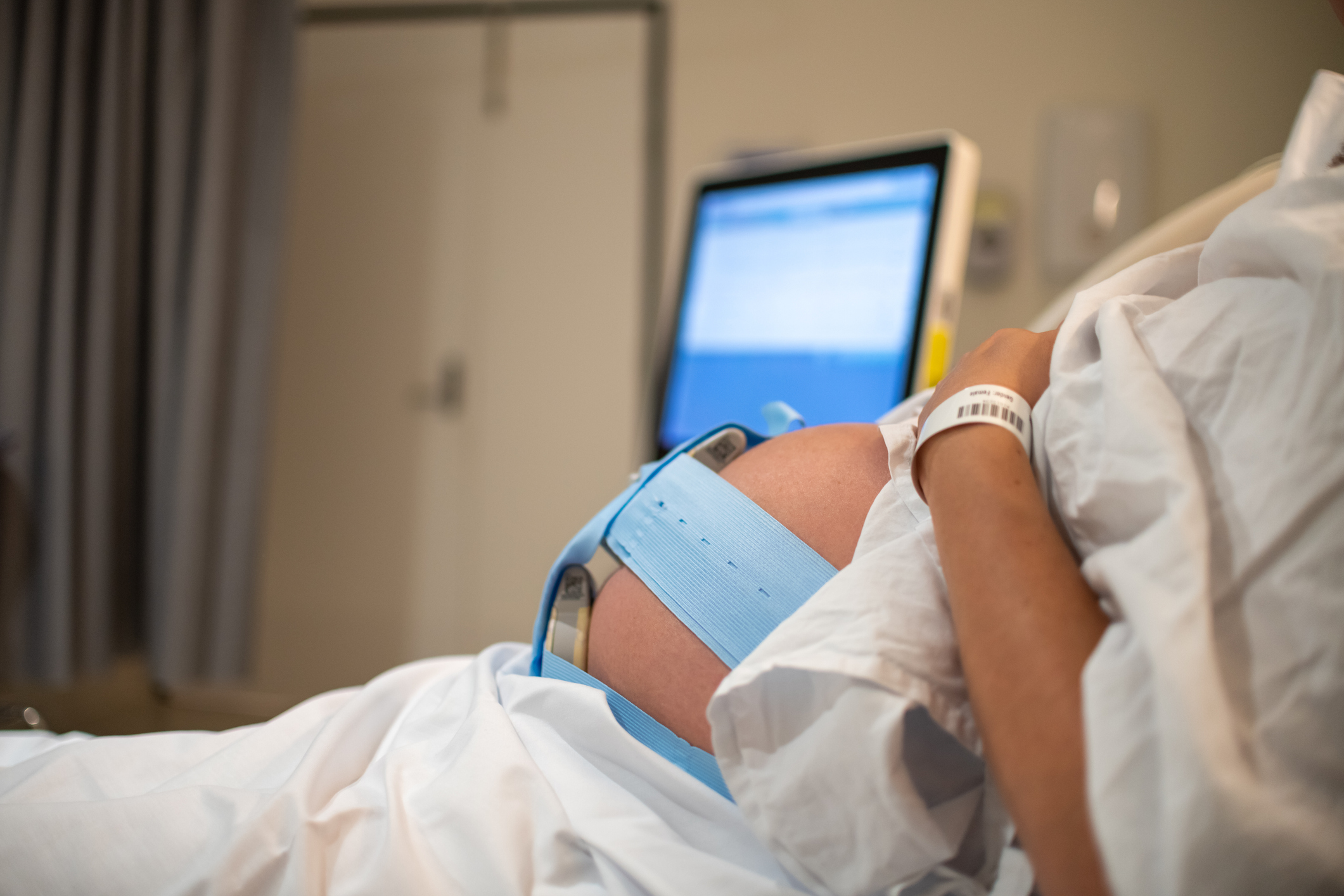
A woman laying in a hospital bed going into labor while connected to a monitor.Flushing Hospital Medical Center’s New Beginnings unit provides the women in our community and their families with the ultimate birthing experience. Each month, we cover a new topic exploring an important aspect of health and well-being for expectant mothers. This month, we’ll discuss some of what you need to know about cesarean birth (also known as a C-section).

During a C-section, your baby is delivered through incisions made in your abdomen and uterus. This happens when the health risks of vaginal delivery are too significant for either yourself or your baby. It can be planned ahead of time if:

  • You experience serious medical conditions that could worsen with a vaginal birth
  • You’ve had a previous C-section
  • You’re expecting multiple babies
  • Your baby’s exit from the cervix is obstructed
  • Your baby is in an abnormal position in your uterus

Even if these factors do not apply to you, unforeseen circumstances can occur that make a C-section necessary for safely delivering your baby, such as when:

  • You experience prolonged labor
  • Your baby develops an irregular heart rate
  • The umbilical cord compresses your baby’s head, neck, or body, or comes out of the cervix before the baby
  • The placenta separates from the wall of your uterus, preventing your baby from receiving oxygen and nutrients

Flushing Hospital’s New Beginnings unit offers spacious, modern delivery suites and advanced postpartum care, providing you with a safe environment to give birth and comprehensive follow-up medical support for you and your baby. To learn more about the unit, including accommodations and services provided, please call us at (718) 670-5702.

All content of this newsletter is intended for general information purposes only and is not intended or implied to be a substitute for professional medical advice, diagnosis or treatment. Please consult a medical professional before adopting any of the suggestions on this page. You must never disregard professional medical advice or delay seeking medical treatment based upon any content of this newsletter. PROMPTLY CONSULT YOUR PHYSICIAN OR CALL 911 IF YOU BELIEVE YOU HAVE A MEDICAL EMERGENCY.

National Birth Defects Prevention Month

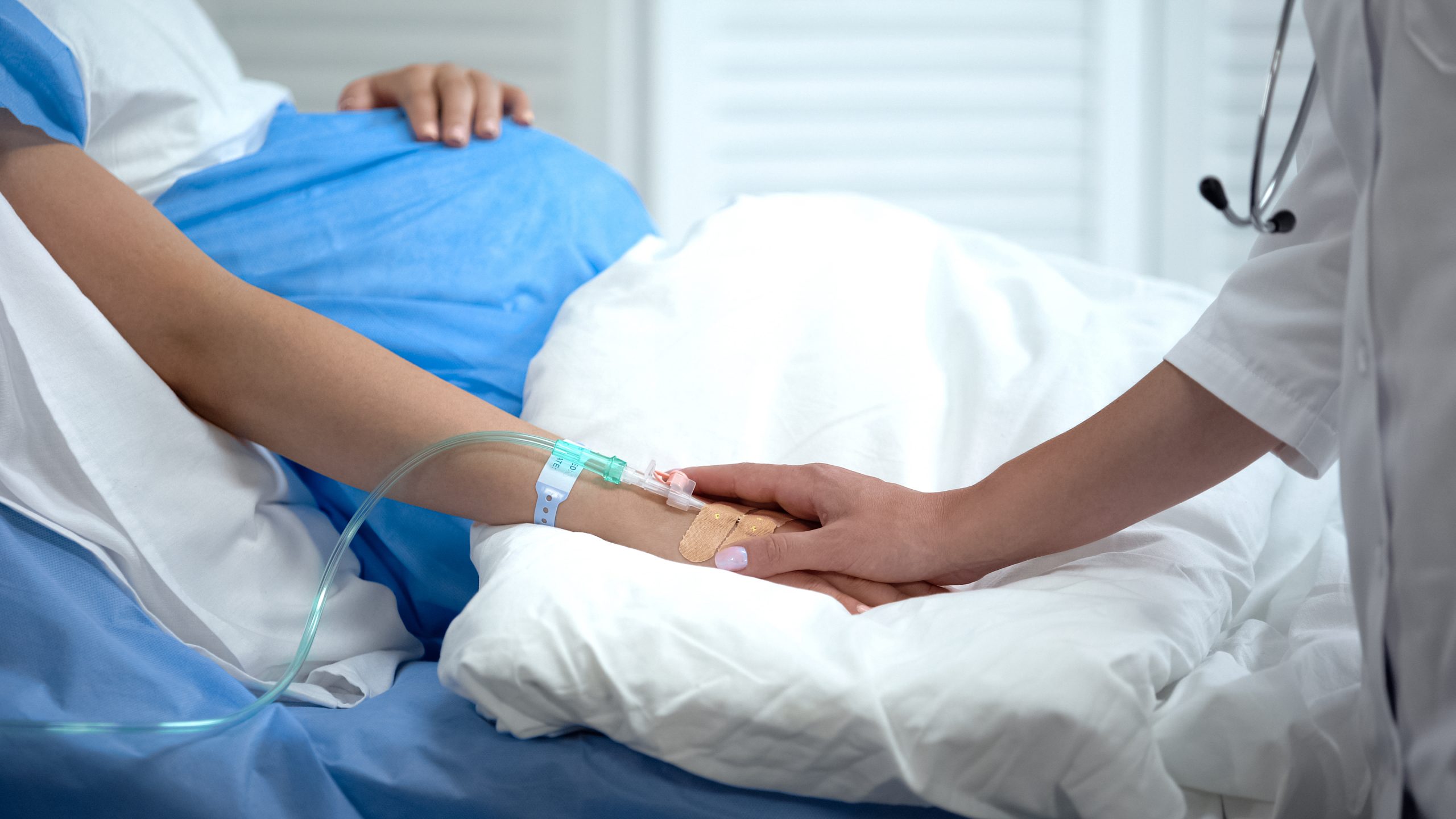
Doctor holding pregnant woman's hand with catheter.According to the Centers for Disease Control and Prevention (CDC), birth defects occur in approximately one out of every 33 babies born in the United States each year. Birth defects generally appear during fetal development and can cause a wide range of medical problems in children, such as physical deformities, physical or mental developmental impairments, and potentially fatal diseases such as sickle cell anemia.

While some birth defects happen due to avoidable factors during pregnancy, not all causes are preventable. However, it’s still important to know the most common ways birth defects occur so that you can prevent these causes (when possible) or manage symptoms effectively as your child ages. Typical causes of birth defects include:

Genetic factors: Conditions such as Down syndrome, as well as inherited medical conditions, occur due to abnormalities in the child’s chromosomes, which contain genes and control physical development. While these defects are not necessarily preventable in your child, it can help for you to get genetic testing done before pregnancy to screen for potential medical problems that your child could inherit.

Exposure to substances: Substances such as alcohol, caffeine, prescription medications, and non-prescription drugs can all contribute to your child’s likelihood of developing a birth defect. Make sure to discuss any medications you take with your doctor before getting pregnant and to avoid alcohol and caffeine as much as possible while pregnant.

Complications during pregnancy: Birth defects can occur due to complications that occur during pregnancy, such as infections, amniotic band syndrome, or a lack of amniotic fluid around the fetus in your uterus. Talk to your doctor about ways you can keep yourself and your baby healthy during pregnancy and prevent these complications from occurring.

Other risk factors, including age and chronic medical conditions such as diabetes and obesity, can also increase your baby’s likelihood of developing birth defects.

You can get help from a specialist at Flushing Hospital Medical Center’s Women’s Health Department to manage risks during pregnancy and keep yourself and your baby healthy. To schedule an appointment, please call (718) 670-5702.

All content of this newsletter is intended for general information purposes only and is not intended or implied to be a substitute for professional medical advice, diagnosis or treatment. Please consult a medical professional before adopting any of the suggestions on this page. You must never disregard professional medical advice or delay seeking medical treatment based upon any content of this newsletter. PROMPTLY CONSULT YOUR PHYSICIAN OR CALL 911 IF YOU BELIEVE YOU HAVE A MEDICAL EMERGENCY.
Metastatic Breast Cancer Awareness Day

Metastatic Breast Cancer Awareness Day is observed on October 13th each year to spread awareness about metastatic breast cancer and the need to develop new, targeted treatments that will improve survival rates among patients.

Metastatic breast cancer, also known as advanced or stage four breast cancer, spreads beyond breast tissue to other organs in the body; typically, these include the bones, lungs, liver, and brain. The process through which cancer cells spread to these other organs is called metastasis.

Approximately 6% of all people assigned female at birth who receive a breast cancer diagnosis have metastatic breast cancer. Additionally, most cases of this advanced form of cancer are also cases of recurrent cancer, meaning that it is cancer that returned after previous treatment. This generally occurs when prior treatments did not destroy all cancer cells present at the original affected area.

Despite the fact that metastatic breast cancer spreads to other parts of the body, it is considered and treated as breast cancer. For example, breast cancer that has spread to the bones is still breast cancer (not bone cancer) and is treated with breast cancer drugs, rather than treatments for a cancer that began in the bones.

Treatment for metastatic breast cancer focuses on improving the length and quality of your life. It involves working with your doctor to develop a treatment plan that takes many different factors into account, including:

  • Characteristics of the cancer cells
  • Where the cancer has spread
  • Your current symptoms
  • Age and health
  • Past cancer treatments

The types of treatments available for metastatic breast cancer include chemotherapy, hormone therapy, and drugs that target genes spreading cancerous cells. Clinical trials also offer opportunities for new, experimental treatment options that may be beneficial to you. Talk to your doctor about recommended treatment options that are appropriate for your specific circumstances.

If you need diagnostic testing or treatment for breast cancer, you can work with a cancer care specialist through the MediSys Health Network’s collaborative oncology program with Memorial Sloan Kettering Cancer Center. To schedule an appointment, please call (718) 206-6742.

All content of this newsletter is intended for general information purposes only and is not intended or implied to be a substitute for professional medical advice, diagnosis or treatment. Please consult a medical professional before adopting any of the suggestions on this page. You must never disregard professional medical advice or delay seeking medical treatment based upon any content of this newsletter. PROMPTLY CONSULT YOUR PHYSICIAN OR CALL 911 IF YOU BELIEVE YOU HAVE A MEDICAL EMERGENCY.
What is Preeclampsia?

Preeclampsia is a blood pressure condition that occurs during pregnancy and can complicate the delivery of a baby. Up to 15% of premature births in the United States occur because of this condition.

Preeclampsia often occurs after 20 weeks of pregnancy, but can develop sooner. It can also occur after pregnancy, typically following the first few days or week after delivery; this is known as postpartum preeclampsia.

Not everyone with preeclampsia may experience noticeable symptoms; in fact, most expecting mothers are unaware they have this condition until receiving a prenatal checkup. If symptoms do occur, some of the first signs typically include high blood pressure, retention of water weight, and protein in urine (detectable through diagnostic tests). Other symptoms may include:

  • Headaches
  • Visual disturbances, blurring, dark spots, or light sensitivity
  • Right side abdominal pain
  • Shortness of breath
  • Edema (swelling of the hands and face)

Certain severe symptoms of preeclampsia may indicate a medical emergency, requiring a hospital visit and, potentially, early delivery of the baby. These include blood pressure of 160/110 mmHg or higher, fluid in the lungs, decreased urine production, low blood platelet levels, and decreased liver or kidney function.

While medical experts are uncertain what specifically causes preeclampsia, certain factors may increase your likelihood of developing this condition. These include:

  • A family history of preeclampsia
  • A personal medical history involving high blood pressure, kidney disease, diabetes, obesity, or an autoimmune disease such as lupus
  • Multiple expected babies

You should consult your doctor about the most effective approach to treatment for preeclampsia. In most cases, this condition can only be resolved once the baby has been delivered; however, your doctor may provide medication to assist with managing your blood pressure and the development of the fetus’ lungs.

If you are experiencing symptoms of preeclampsia and require specialized medical care to protect the health of yourself and your baby, please call Flushing Hospital Medical Center’s Division of Obstetrics and Gynecology at (718) 670-5702 to schedule an appointment or learn more about our New Beginnings labor and delivery unit.

All content of this newsletter is intended for general information purposes only and is not intended or implied to be a substitute for professional medical advice, diagnosis or treatment. Please consult a medical professional before adopting any of the suggestions on this page. You must never disregard professional medical advice or delay seeking medical treatment based upon any content of this newsletter. PROMPTLY CONSULT YOUR PHYSICIAN OR CALL 911 IF YOU BELIEVE YOU HAVE A MEDICAL EMERGENCY.

Pelvic Organ Prolapse

Pelvic organ prolapse (POP) is a type of pelvic floor disorder. It occurs when the muscles and tissues that support a woman’s pelvic organs become weak and no longer capable of holding those organs in place.

A woman’s pelvic organs include the rectum, uterus, bladder, cervix, and urethra, all of which are held in place by pelvic floor muscles. However, these muscles can become stretched or torn as a result of childbirth or other factors including:

  • Pelvic floor injuries
  • Chronic constipation and straining during bowel movements
  • Aging
  • Obesity
  • Hormonal changes
  • Hysterectomy
  • Genetic disorders that weaken connective tissues
  • Having a condition that causes frequent coughing

When pelvic floor muscles are no longer able to hold pelvic organs in position, they drop lower in the pelvis. This creates a bulge or prolapse into the vagina, and in severe cases may cause pelvic organs to bulge onto other organs or outside the body.

According to the American College of Obstetricians and Gynecologists, “POP affects 1 in 4 women in their 40s and 1 in 3 in their 60s. By the time women reach their 80s, POP affects half of all women.” Some may experience symptoms that include:

  • Lower back pain
  • Pressure of pain during sexual intercourse
  • Problems inserting tampons
  • A feeling of pressure, fullness or aching in the pelvis
  • Incontinence
  • Spotting or bleeding of the vagina
  • Feeling or seeing a bulge coming out of the vagina

POP is diagnosed by conducting a series of tests that include a pelvic examination. There are various treatments available such as inserting devices called pessaries to support the pelvic organs, pelvic floor therapy, or surgery to support or close the vagina.

Flushing Hospital Medical Center offers a wide variety of treatments for POP, this includes sacrocolpopexy, a surgical procedure that can be performed with the assistance of a surgical robot by our highly trained surgeons.

For more information about robotic surgery or procedures performed by our surgeons, please contact Flushing Hospital’s Department of Surgery at 718-670-3135.


All content of this newsletter is intended for general information purposes only and is not intended or implied to be a substitute for professional medical advice, diagnosis or treatment. Please consult a medical professional before adopting any of the suggestions on this page. You must never disregard professional medical advice or delay seeking medical treatment based upon any content of this newsletter. PROMPTLY CONSULT YOUR PHYSICIAN OR CALL 911 IF YOU BELIEVE YOU HAVE A MEDICAL EMERGENCY.

What is Chorionic Villus Sampling?

Approximately 120,000 babies are born each year with a genetic defect, leading to one in five children dying within their first year of life. This is why genetic testing is an essential component of effective pre-natal care and a valuable means of identifying potential health issues for your child early. One such diagnostic method is chorionic villus sampling.

This test takes a tissue sample from the placenta to determine whether your baby may have chromosomal abnormalities or other genetic problems. It’s typically performed between the 10th and 12th weeks of pregnancy and is followed by a blood test between weeks 16 and 18 to check for neural tube defects.

Chorionic villus sampling may be conducted in two ways. The first, referred to as transcervical chorionic villus sampling, obtains a tissue sample from the placenta through a catheter inserted in your cervix. The second method, transabdominal sampling, obtains this sample through a needle inserted through your abdomen and uterus.

If you have a family history of genetic disorders, you may be recommended to undergo this procedure. It may also be recommended if your other genetic and diagnostic tests have shown abnormal results or if you will be 35 years of age or older by your pregnancy due date.

If your doctor does not make a recommendation for you to receive this test, you may still choose to do so. However, this procedure is invasive and comes with some risks, such as cramping, bleeding, infection, preterm labor, and rarely, more serious problems such as infant limb defects or miscarriage.

You should discuss the benefits and risks of chorionic villus sampling with a doctor. You can schedule an appointment with an OB/GYN at Flushing Hospital Medical Center’s Women’s Health Department by calling (718) 670-5702.

All content of this newsletter is intended for general information purposes only and is not intended or implied to be a substitute for professional medical advice, diagnosis or treatment. Please consult a medical professional before adopting any of the suggestions on this page. You must never disregard professional medical advice or delay seeking medical treatment based upon any content of this newsletter. PROMPTLY CONSULT YOUR PHYSICIAN OR CALL 911 IF YOU BELIEVE YOU HAVE A MEDICAL EMERGENCY.

What is a Liver Hemangioma?

Approximately 5% of the general population will develop a liver hemangioma at some point during their lives. Liver hemangiomas are the most common type of benign liver lesion, meaning that they generally are not a cause for concern if you’re diagnosed with one. Occasionally, however, they can lead to certain unpleasant symptoms and potentially serious complications.

Liver hemangiomas are more likely to cause symptoms when they’re larger than average. Typically, they’re only about three centimeters, but can be as much as ten centimeters in size. Abnormally large liver hemangiomas can lead to abdominal pain, bloating, and nausea. Rarely, they can also compress blood vessels, cause bleeding in the abdominal cavity, lead to blood clotting, scarring, or calcium deposits, or potentially cause serious internal bleeding due to a rupture in the tumor.

It isn’t clear what causes liver hemangiomas to develop, but they’re more common in middle-aged people assigned female at birth. This may be due to a connection between liver hemangiomas and high estrogen levels.

These lesions may be mistaken for cancer when they lack typical identifiable features, though this is rare and diagnostic imaging can usually help to distinguish the two. Liver hemangiomas typically remain stable rather than changing shape or spreading from another part of the body, as cancer typically does.

Most liver hemangiomas won’t require treatment unless they seem to be growing. In this case, your doctor may want to prevent further growth by blocking the lesion’s blood supply. Surgical removal of the lesion may be recommended in severe cases.

If you’re experiencing symptoms that may indicate the presence of a liver hemangioma, you can schedule an appointment with a specialist at Flushing Hospital Medical Center’s Ambulatory Care Center by calling (718) 670-5486.

All content of this newsletter is intended for general information purposes only and is not intended or implied to be a substitute for professional medical advice, diagnosis or treatment. Please consult a medical professional before adopting any of the suggestions on this page. You must never disregard professional medical advice or delay seeking medical treatment based upon any content of this newsletter. PROMPTLY CONSULT YOUR PHYSICIAN OR CALL 911 IF YOU BELIEVE YOU HAVE A MEDICAL EMERGENCY.