
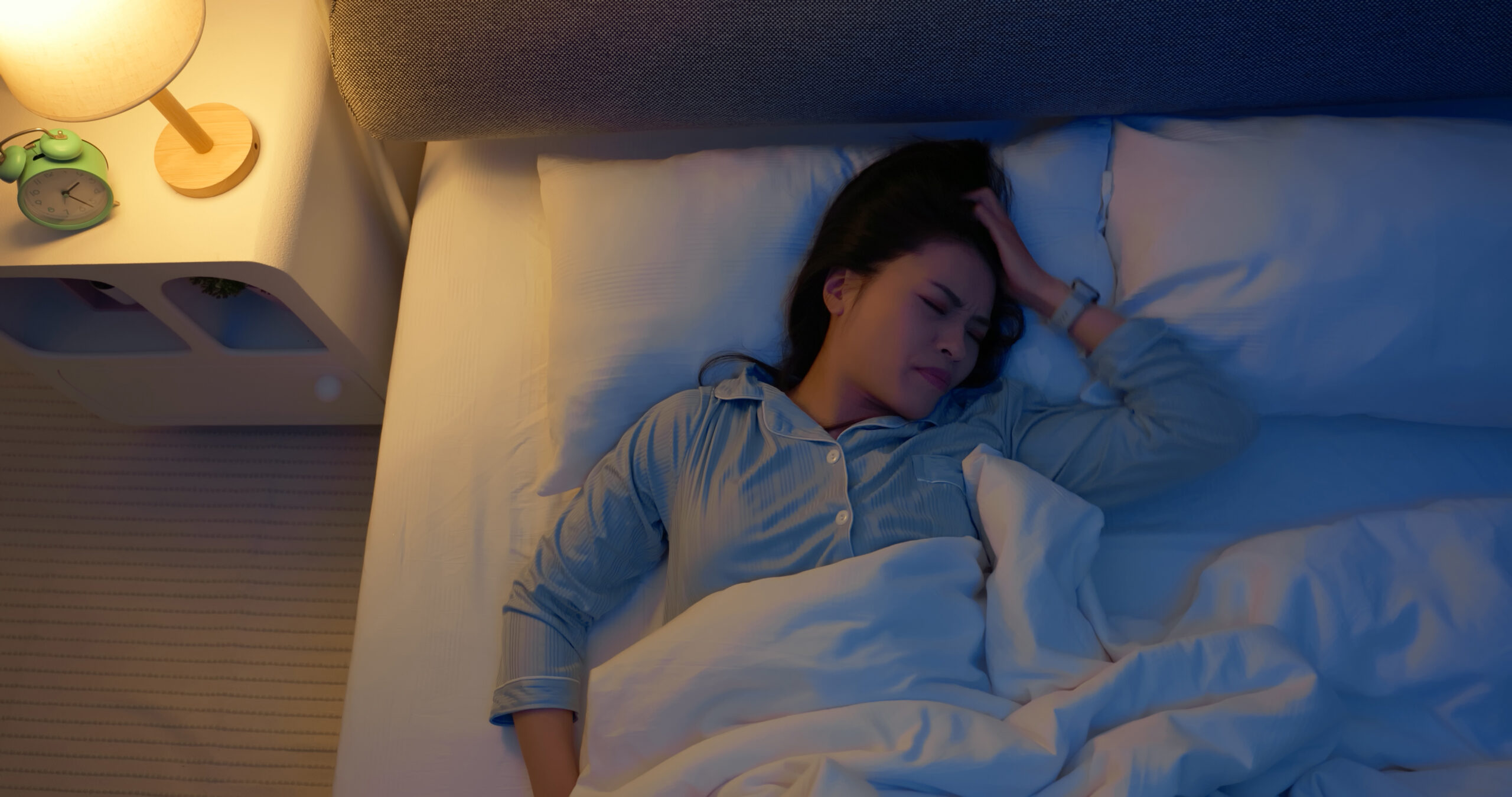
 Experts believe anxiety is how the body stays prepared to respond to a threat. Intense or chronic anxiety can interfere with daily life.
Anxiety can get worse at night because people may find themselves focusing on their worries more once they are lying in bed without the day’s distractions. Sometimes people who suffer from insomnia may begin to develop worries about whether they’ll be able to fall asleep. These worries can intensify insomnia and make it more difficult to fall asleep.
A few biological factors that can also make anxiety feel more intense at night include:
- Physical stillness amplifies body sensations
- Cortisol drops in the evening
- Fewer distractions
Additionally, several other conditions can flare up at night, causing anxiety. People with nightmare disorder can often feel distressed after waking up from nightmares. Post-traumatic stress disorder (PTSD) also involves nightmares and disrupted sleep. What’s more, nocturnal panic attacks can cause a person to wake up during the night feeling anxious.
Anxiety and worry can interfere with a person’s ability to fall or stay asleep, because the body’s stress response is triggered and sets off a chain reaction of effects throughout the body that can leave them feeling too anxious or too agitated to fall asleep. Furthermore, anxiety can continue to affect the body after a person falls asleep and changes how they move through the stages of sleep. The stages of sleep include:
- Stage 1 (N1) is the lightest stage of sleep and occurs as a person first falls asleep
- Stage 2 (N2) is where the body starts to relax more deeply. Body temperature drops, muscles relax, and heart and breathing rate slow
- Stage 3 (N3 or deep sleep) is the deepest and most restorative sleep, allowing the body to recover and grow
- Stage 4 (REM Sleep) is where most dreaming occurs, brain activity increases, and the body becomes temporarily paralyzed
More anxious people have been found to spend less time in the rapid eye movements (REM) stage of sleep. Anxiety is also associated with less time spent in deep sleep, which is thought to be more important for restoring the body and mind.
The symptoms and severity of anxiety vary. A person experiencing anxiety may notice symptoms, such as:
- Headaches, stomachaches, or other pains
- Dizziness
- Restlessness
- Worries or fears about the future
- Tense muscles, increased heart rate, or sweating
- Shortness of breath or chest discomfort
- Trembling, chills, or tingling sensations
- Flashbacks of a traumatic event or nightmares
People who have anxiety at night can try multiple techniques to relieve stress and help reduce anxiety, including:
- Exercise
- Breathing exercises
- Therapy for anxiety
- Therapy for insomnia
- Writing
- Progressive muscle relaxation
- Support groups
It is important to reach out to your healthcare provider and bring up any mental health concerns if you suspect that your nighttime anxiety is more than just occasional worry. To find out more about our mental health services or to schedule a virtual appointment, call (718) 670-5316 to speak with our intake coordinator or call (718) 670-5562 to reach the clinic.
All content of this newsletter is intended for general information purposes only and is not intended or implied to be a substitute for professional medical advice, diagnosis or treatment. Please consult a medical professional before adopting any of the suggestions on this page. You must never disregard professional medical advice or delay seeking medical treatment based upon any content of this newsletter. PROMPTLY CONSULT YOUR PHYSICIAN OR CALL 911 IF YOU BELIEVE YOU HAVE A MEDICAL EMERGENCY.
