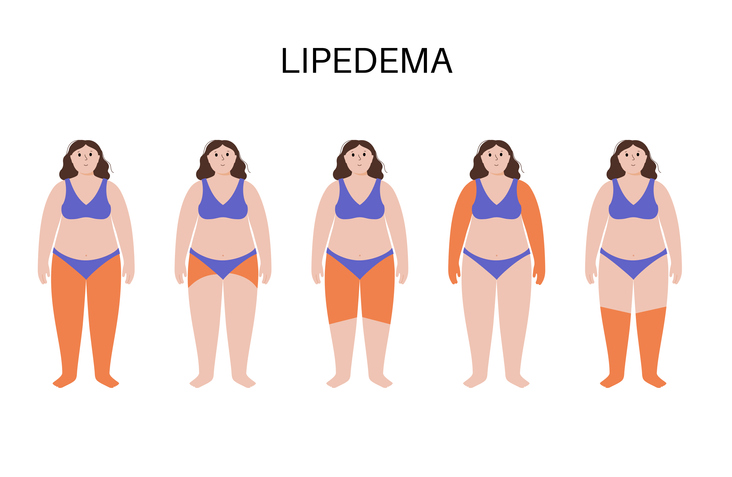
What is Lipedema?

Nearly 11% of adult women worldwide suffer from lipedema, a chronic condition that causes an abnormal buildup of fat in the lower body.

Lipedema occurs almost exclusively in people assigned female at birth and typically begins or worsens during periods of significant hormonal change in the body such as puberty, pregnancy, or menopause. No specific cause other than genetics has been identified for lipedema.

Although more than half of all patients with this condition are obese, the fat buildup that occurs in patients with lipedema is not necessarily linked directly with the same factors that cause obesity, since calorie restrictions in these patients can cause them to lose weight in their upper body without losing fat in the lower body.

The link between lipedema and obesity also extends to comorbidities that commonly occur alongside this condition. Many people who suffer from this disease may also experience hypothyroidism, venous insufficiency, arthritis, and other chronic conditions for which obesity is a known risk factor.

Aside from fat accumulation, lipedema also causes tenderness and swelling in the affected areas. People with this condition may bruise more easily in these areas and feel a consistent level of pain. Additionally, the accumulated fat can block the body’s lymphatic pathway, causing another condition called lymphedema that involves a buildup of lymph fluid.

Several treatments are available for people with lipedema. Manual lymphatic drainage therapy, which is performed through gentle stretching and massaging of the skin, can help remove waste and break up fibrosis in limbs affected by this condition. Complex decongestive therapy, another noninvasive treatment that prevents lymph fluid buildup, also reduces inflammation and swelling in affected areas.

In severe cases, invasive surgery may be required to effectively treat lipedema. Wet-jet assisted liposuction can remove fat while minimizing the risk of damage to lymph vessels, while bariatric surgery may be helpful for patients with both lipedema and obesity.

You can find a physician to help you create a lipedema treatment plan at Flushing Hospital Medical Center’s Ambulatory Care Center. To schedule an appointment, please call (718) 670-5486.

All content of this newsletter is intended for general information purposes only and is not intended or implied to be a substitute for professional medical advice, diagnosis or treatment. Please consult a medical professional before adopting any of the suggestions on this page. You must never disregard professional medical advice or delay seeking medical treatment based upon any content of this newsletter. PROMPTLY CONSULT YOUR PHYSICIAN OR CALL 911 IF YOU BELIEVE YOU HAVE A MEDICAL EMERGENCY.
Ectopic Pregnancy

There are a few steps that normally occur for a woman to become pregnant.  The first is a single sperm fertilizing an egg.  The next steps involve the fertilized egg traveling down the fallopian tube and descending to the uterus where it attaches itself to the lining and begins to grow.

The uterus is the only place in the body where the egg can survive and successfully develop into an embryo. Unfortunately, there are instances where the egg does not make it to the uterine lining but instead attaches to the fallopian tube, abdominal cavity, or cervix.  This is called an ectopic or extrauterine pregnancy.

According to the American Academy of Family Physicians (AAFP), ectopic pregnancies occur in an estimated 1 out of every 50 pregnancies.   Any woman can be at risk for this problem; however, the risks are higher if you:

  • Are older than 35 years of age
  • Had a previous ectopic pregnancy
  • Have a history of endometriosis
  • Have pelvic inflammatory disease (PID)
  • Have a history of sexually transmitted infections (STIs) such as chlamydia or gonorrhea (STIs can also lead to PID)
  • Are a smoker
  • Conceived with the aid of fertility drugs
  • Have scarring as a result of pelvic, abdominal, or fallopian surgeries
  • Have had tubal ligation or tubal ligation reversal surgeries
  • Birth defects that change the shape of the fallopian tubes

An ectopic pregnancy typically occurs within the first weeks of pregnancy. Signs and symptoms may include:

  • Vaginal bleeding
  • Pelvic pain
  • Lower back pain
  • Pain in the neck or shoulder
  • Pain on one side of the body
  • Pain or pressure in the rectum
  • The urge to have a bowel movement
  • Dizziness or weakness

Pelvic pain and vaginal bleeding are among the first warning signs of ectopic pregnancy; therefore, if you are experiencing this along with lightheadedness, shoulder pain or any other symptoms seek immediate medical care.  An ectopic pregnancy can potentially lead to the rupturing of the fallopian tube and heavy bleeding, which can be life-threatening.

Early diagnosis and treatment of ectopic pregnancy can reduce the risk of complications.  Treatment includes medication to stop the embryo from growing or surgery to remove the ectopic pregnancy.

If you believe you are at risk for ectopic pregnancy and would like to schedule an appointment with an OB/Gyn at Flushing Hospital Medical Center, please call 718-670-8992.

All content of this newsletter is intended for general information purposes only and is not intended or implied to be a substitute for professional medical advice, diagnosis or treatment. Please consult a medical professional before adopting any of the suggestions on this page. You must never disregard professional medical advice or delay seeking medical treatment based upon any content of this newsletter. PROMPTLY CONSULT YOUR PHYSICIAN OR CALL 911 IF YOU BELIEVE YOU HAVE A MEDICAL EMERGENCY.
Menstrual Cramp Remedies

Dysmenorrhea (menstrual cramps) occurs when elevated levels of the hormone prostaglandin cause the muscles and blood vessels of the uterus to contract.  This results in the mild or severe pain experienced by many women before and during their periods.

Relief from pain may be achieved by trying the following remedies:

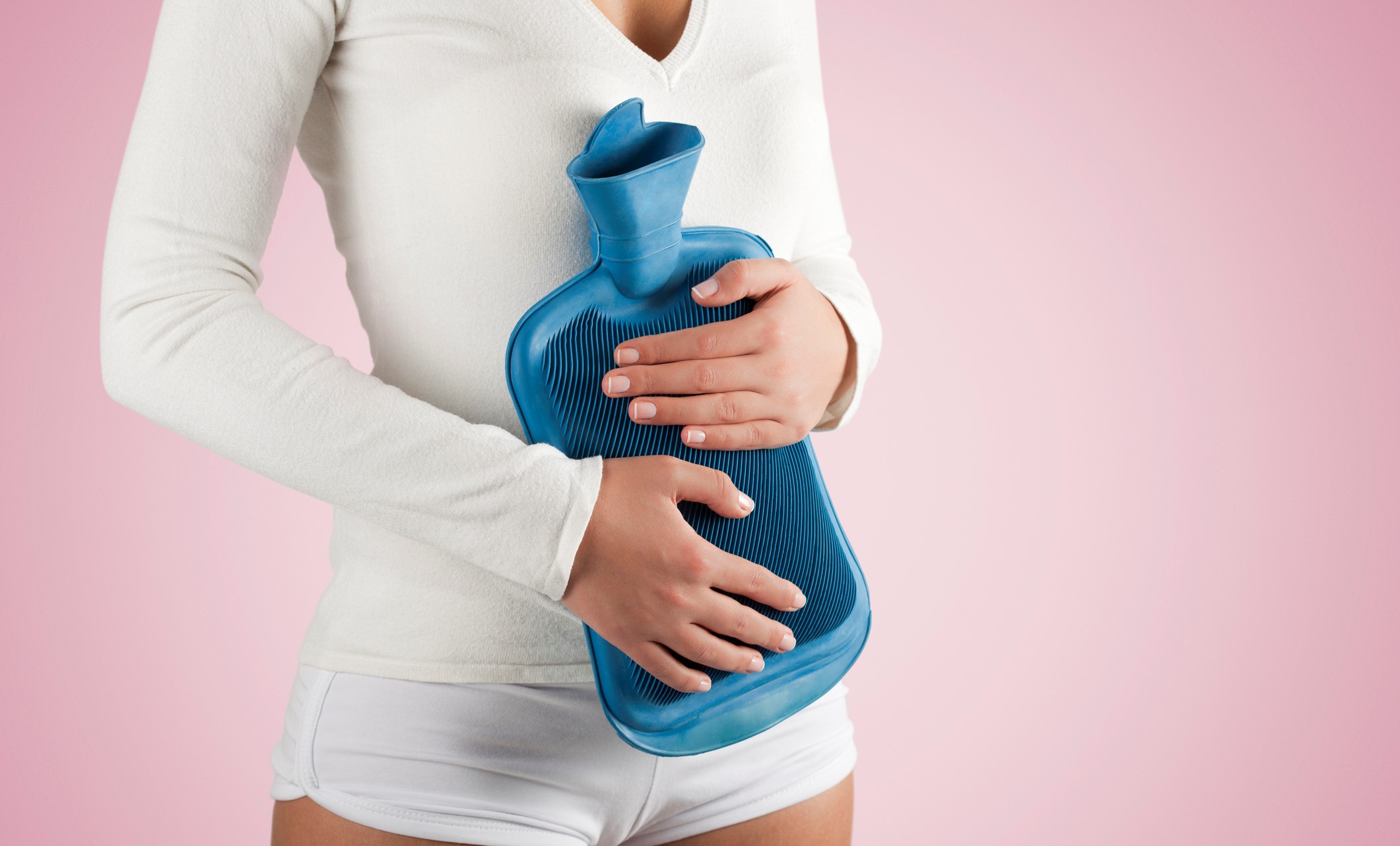
  • Applying heating pads to the lower abdomen ( Be sure to follow the instructions on the heating pad to avoid injuries)
  • Taking an over-the-counter pain reliever
  • Exercising ( Studies show that low to medium intensity exercises may help in reducing pain)
  • Taking magnesium supplements (This mineral is believed to be effective in relieving cramps)
  • Drinking water ( Dehydration can worsen to muscle cramps)
  • Trying acupressure
  • Trying acupuncture
  • Massaging the lower abdomen

If menstrual cramps and pain persist, you should schedule a doctor’s appointment. Your healthcare provider may order or conduct tests to see if these symptoms are caused by an underlying health problem.  Treatments will be recommended based on your diagnosis and may include medications or surgery.

To schedule an appointment with an OB/GYN at Flushing Hospital Medical Center, please call  718-670-8992.

All content of this newsletter is intended for general information purposes only and is not intended or implied to be a substitute for professional medical advice, diagnosis or treatment. Please consult a medical professional before adopting any of the suggestions on this page. You must never disregard professional medical advice or delay seeking medical treatment based upon any content of this newsletter. PROMPTLY CONSULT YOUR PHYSICIAN OR CALL 911 IF YOU BELIEVE YOU HAVE A MEDICAL EMERGENCY.
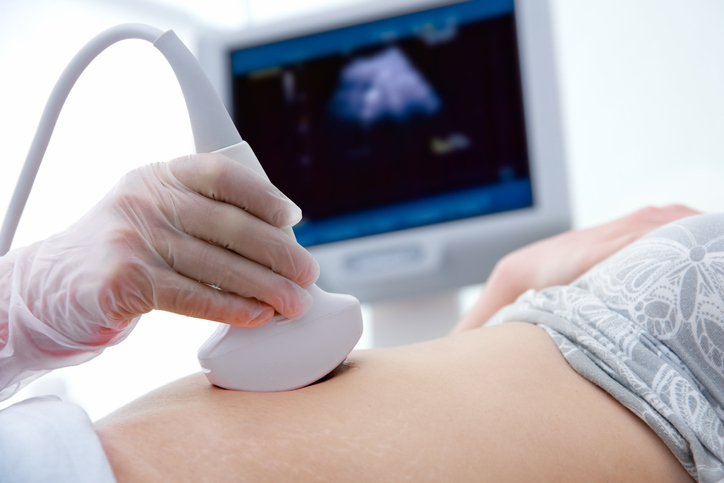
Pregnant Women And The COVID-19 Vaccination

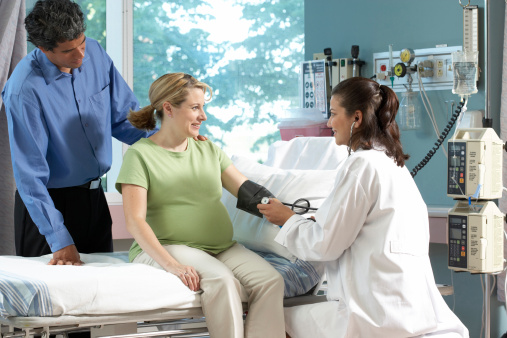
One of the most Frequently Asked Questions regarding the COVID-19 vaccine is, “Should pregnant women receive the vaccine?”

According to the Centers for Disease and Control (CDC), although the overall risk of severe illness is low, pregnant people are at an increased risk for severe illness from COVID-19 when compared to non-pregnant people. Severe illness includes illness that results in intensive care admission, mechanical ventilation, or death. Additionally, pregnant people with COVID-19 might be at increased risk of adverse pregnancy outcomes, such as preterm birth, compared with pregnant women without COVID-19.

The best answer is, getting vaccinated is a personal choice and, although not required, should be made with the advice of your Ob/Gyn.

If you are pregnant or thinking about getting pregnant and would like to learn more information about receiving the COVID-19 vaccine, you can make an appointment at the Flushing Hospital Medical Center’s, Department of Obstetrics and Gynecology by calling 718-670-5239.

All content of this newsletter is intended for general information purposes only and is not intended or implied to be a substitute for professional medical advice, diagnosis or treatment. Please consult a medical professional before adopting any of the suggestions on this page. You must never disregard professional medical advice or delay seeking medical treatment based upon any content of this newsletter. PROMPTLY CONSULT YOUR PHYSICIAN OR CALL 911 IF YOU BELIEVE YOU HAVE A MEDICAL EMERGENCY.
Diastasis Recti

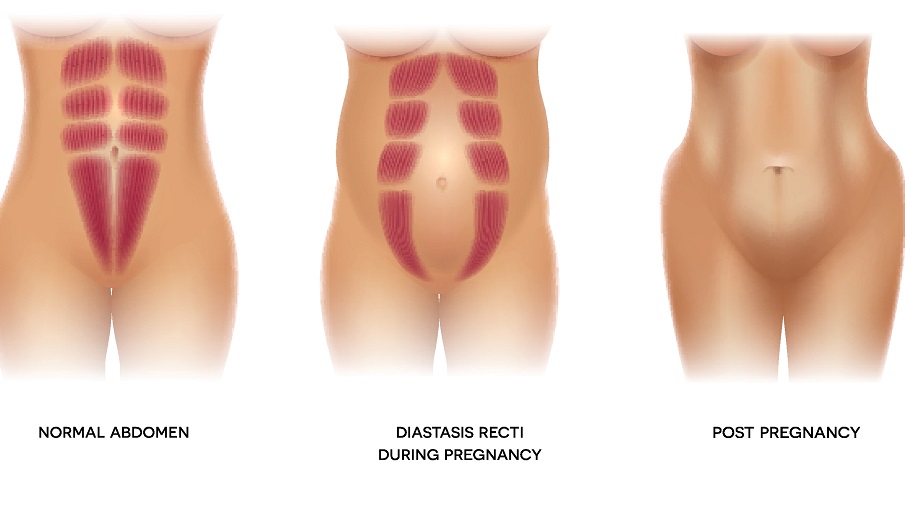
Diastasis recti is the separation of the left and right side of the rectus abdominis muscle, also known as the “six-pack muscle.”

Diastasis recti occurs in approximately 60% of pregnant women. The condition develops as a result of the uterus expanding during pregnancy and stretching the muscles of the abdomen.  Pushing during delivery can also cause the abdominal muscles to separate.

The separation of the rectus abdominis muscles causes the stomach to form a bulge or ridge in the abdomen during pregnancy.  Additional symptoms include:

  • Lower back pain
  • Poor posture
  • Bloating
  • Constipation
  • Urine leaking

Diastasis recti often resolves on its own a few months after giving birth. However, in some instances, the gap between the muscles can remain the same and leave some women looking pregnant months or years after having their baby.

Some women are more at risk than others for developing diastasis recti: They include:

  • Those who are pregnant with multiples
  • Those who are over 35 years old
  • Those who are carrying large babies to term
  • Those who are small in stature
  • Those with underlying abdominal muscle problems  such as weak core muscles

Prevention of diastasis recti includes strengthening your core before and during pregnancy. It is important to practice safe and modified exercises while pregnant. Treatment after delivery may include physical therapy or surgery.

All content of this newsletter is intended for general information purposes only and is not intended or implied to be a substitute for professional medical advice, diagnosis or treatment. Please consult a medical professional before adopting any of the suggestions on this page. You must never disregard professional medical advice or delay seeking medical treatment based upon any content of this newsletter. PROMPTLY CONSULT YOUR PHYSICIAN OR CALL 911 IF YOU BELIEVE YOU HAVE A MEDICAL EMERGENCY.
Ovarian Cancer Awareness Month

Ovarian cancer is one of the most serious cancers affecting women. In the United States, an estimated 21,000 women will be diagnosed every year with this disease and approximately 14,000 will die because of it.  This type of cancer usually affects women who are in their fifties and sixties, and who typically have a family history of the disease. When the disease is detected early, the five-year survival rate is approximately 92%.

Symptoms of ovarian cancer are:

• Bloating
• Nausea, indigestion, gas, and constipation
• Abdominal and pelvic pain
• Fatigue
• Backaches
• Frequent Urination with urgency

When a physician suspects ovarian cancer, they will perform certain tests to confirm the diagnosis. The exam will include a blood test for the CA-125 genetic marker, an examination of the abdomen to see if there is tenderness, a pelvic exam, ultrasound, and a biopsy.

There are four main stages of ovarian cancer:

. Stage I – completely confined to one or both ovaries.
. Stage II – Found in one or both ovaries with spread to other pelvic organs (bladder, colon, rectum, uterus).
. Stage III – Cancer is found in one or both ovaries and has spread to the lining of the abdomen and/or the lymph nodes.
. Stage IV – Most advanced stage of the disease with spread to additional organs such as liver and lung.

Treatment options for ovarian cancer include chemotherapy, surgical removal of the affected organ(s), hormone therapy, and radiation. The type of treatment will be determined by the type of ovarian cancer, the age of the patient, and the stage of the disease.

Remember that early detection is important and just may save your life. All women should see their OB/Gyn once a year for a pelvic exam. If you would like to make an appointment at Flushing Hospital Medical Center’s Ambulatory Care Center, please call 718-670-5486.

All content of this newsletter is intended for general information purposes only and is not intended or implied to be a substitute for professional medical advice, diagnosis or treatment. Please consult a medical professional before adopting any of the suggestions on this page. You must never disregard professional medical advice or delay seeking medical treatment based upon any content of this newsletter. PROMPTLY CONSULT YOUR PHYSICIAN OR CALL 911 IF YOU BELIEVE YOU HAVE A MEDICAL EMERGENCY.
Do you have Menorrhagia

According to the Mayo Clinic, menorrhagia is the medical term for menstrual periods with abnormally heavy or prolonged bleeding.

Women with menorrhagia are unable to continue their normal activities when they are menstruating or have their “period”.  When their period arrives, it is accompanied by abnormally heavy bleeding, clotting and cramping.

Some common signs and symptoms of menorrhagia are:

  • Saturated sanitary pads or tampons every hour for several hours
  • Bleeding for longer than a week
  • Passing blood clots larger than a quarter
  • Presenting with signs of anemia, lethargy, fatigue or shortness of breath

Menorrhagia can be caused by a hormone imbalance, dysfunctional ovaries, uterine fibroids, polyps, adenomyosis, and/or cancer.

Although heavy menstrual bleeding is a common concern, most women don’t experience enough blood loss to be defined as menorrhagia.

If you are experiencing heavier than normal periods and would like to make an appointment at Flushing Hospital‘s Women’s Health Center please call 718-670-5486 to schedule an appointment.

Flushing Hospital Medical Center has reopened many of its healthcare services. To learn about the safety measures the hospital has taken to protect your health, please visit https://flushinghospital.org/for-our-patients/


All content of this newsletter is intended for general information purposes only and is not intended or implied to be a substitute for professional medical advice, diagnosis or treatment. Please consult a medical professional before adopting any of the suggestions on this page. You must never disregard professional medical advice or delay seeking medical treatment based upon any content of this newsletter. PROMPTLY CONSULT YOUR PHYSICIAN OR CALL 911 IF YOU BELIEVE YOU HAVE A MEDICAL EMERGENCY.

Things to Consider When Taking Oral Contraceptives

Oral contraceptives, also called birth control pills, are one of the most popular forms of birth control used today. These oral contraceptives work by inhibiting ovulation and are considered to be safe when used properly.
Some studies have shown that the risks of breast cancer and cervical cancer might be increased when taking oral contraceptives. This is due to the fact that the female hormones estrogen and progesterone which are used to make the oral contraceptives, when found in higher levels in the body, are linked to the increased risk of cancer occurring. Conversely, the higher levels of these hormones may lower the risks for endometrial, ovarian and colorectal cancer.
Other complications from taking oral contraceptives while rare, may also include blood clots, stroke, heart attacks, and liver tumors.
There are some situations where combination oral contraceptives shouldn’t be used. These include:
• Women who smoke
• Have a history of breast cancer
• Experience uncontrolled high blood pressure
• Have liver disease or uncontrolled diabetes
Oral contraceptives are prescribed by a physician. It is important that a full medical history be taken and a physical examination be performed prior to starting to take them. If you are considering taking an oral contraceptive and would like to discuss this with a physician at Flushing Hospital Medical Center, please call 718-670-5486 to schedule an appointment.

All content of this newsletter is intended for general information purposes only and is not intended or implied to be a substitute for professional medical advice, diagnosis or treatment. Please consult a medical professional before adopting any of the suggestions on this page. You must never disregard professional medical advice or delay seeking medical treatment based upon any content of this newsletter. PROMPTLY CONSULT YOUR PHYSICIAN OR CALL 911 IF YOU BELIEVE YOU HAVE A MEDICAL EMERGENCY.
Pregnancy and Gastrointestinal Issues

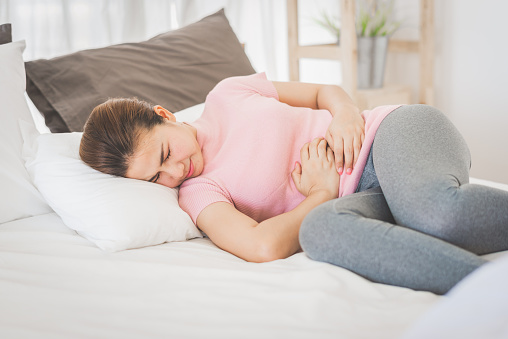
Gastrointestinal issues are common during pregnancy.  This may be due in part to several factors such as an increase in hormones or the limited amount of abdominal space available for digestive organs to function normally.

As your baby grows, your organs will rearrange themselves to accommodate uterine growth.   The enlarged uterus displaces the stomach, esophagus and intestines which can contribute to reflux of gastric contents or other digestive problems.

Hormonal changes can also contribute to digestive problems.  Pregnant women produce high levels of the hormone progesterone. This hormone causes bowel muscles to relax and can affect their ability to work efficiently.

These changes in a woman’s body during pregnancy may cause the following symptoms to develop:

  • Nausea and vomiting
  • Constipation
  • Acid Reflux
  • Diarrhea

If you are experiencing these symptoms, speak with your doctor right away.  Your doctor will determine if they are pregnancy-related and recommended the best treatment options for your health.

To schedule an appointment with a doctor at Flushing Hospital Medical Center, please call 718-670-5486.

All content of this newsletter is intended for general information purposes only and is not intended or implied to be a substitute for professional medical advice, diagnosis or treatment. Please consult a medical professional before adopting any of the suggestions on this page. You must never disregard professional medical advice or delay seeking medical treatment based upon any content of this newsletter. PROMPTLY CONSULT YOUR PHYSICIAN OR CALL 911 IF YOU BELIEVE YOU HAVE A MEDICAL EMERGENCY.

Benefits of an Annual Physical

An annual exam is a good way of tracking your health progress.  How would you categorize your commitment to getting an annual physical?

  1. Yearly
  2. Bi-Yearly
  3. When I don’t feel good
  4. I don’t do doctors

Some of the benefits are:

  • Primary prevention
  • To identify risk factors for common chronic diseases
  • To detect disease that has no apparent symptoms (secondary prevention)
  • A way for the doctor to counsel people to promote healthy behavior
  • To update clinical data since your last check-up
  • To enhance the relationship between you and your doctor
  • If you are interested in scheduling an exam, Flushing Hospital Medical Center’s Ambulatory Care Center is centrally located and has convenient hours.  Call 718-670-5486 to schedule an appointment.

All content of this newsletter is intended for general information purposes only and is not intended or implied to be a substitute for professional medical advice, diagnosis or treatment. Please consult a medical professional before adopting any of the suggestions on this page. You must never disregard professional medical advice or delay seeking medical treatment based upon any content of this newsletter. PROMPTLY CONSULT YOUR PHYSICIAN OR CALL 911 IF YOU BELIEVE YOU HAVE A MEDICAL EMERGENCY.