Signs of a Vitamin A Deficiency

Vitamin A is a fat-soluble vitamin, meaning it is present in foods containing fats and is stored in the body’s fat tissue and liver.

Vitamin A is essential in helping the body fight infection and maintaining healthy eyes and skin. Vitamin A also helps organs such as the lung, kidney, and heart to work properly.

A lack or deficiency of vitamin A in the body can lead to several health problems including decreased immunity, dry eyes, night blindness, dry skin, infertility, and growth problems in children. Some people are more at risk than others for vitamin A deficiency; this includes pregnant women, breastfeeding women, children, and those who are living with celiac disease or cystic fibrosis.

The human body doesn’t produce vitamin A on its own; therefore, it must be acquired by eating certain foods or taking supplements.

Here is a list of foods that are rich in vitamin A:

  • Dairy products such as milk and cheese
  • Organ meats such as beef liver
  • Green leafy vegetables such as broccoli
  • Oily fish such as salmon
  • Fruits such as mango, cantaloupe melon, apricots, and papaya

If you are experiencing symptoms of vitamin A deficiency or are concerned about your intake of nutrients, please contact your doctor for an evaluation.

To schedule an appointment with a doctor at Flushing Hospital Medical Center, please call 718-670-5486.

All content of this newsletter is intended for general information purposes only and is not intended or implied to be a substitute for professional medical advice, diagnosis or treatment. Please consult a medical professional before adopting any of the suggestions on this page. You must never disregard professional medical advice or delay seeking medical treatment based upon any content of this newsletter. PROMPTLY CONSULT YOUR PHYSICIAN OR CALL 911 IF YOU BELIEVE YOU HAVE A MEDICAL EMERGENCY.

Healthy Comfort Food Swaps

As a result of the stress that comes along with juggling home and work, it is easy to reach for the most comforting food choice to make us feel better.  Let’s talk about some ways to choose comforting foods without forsaking and maintaining healthy eating habits.

Since less healthy choices are so available while we are on-the-go. This can add to the level of difficulty when attempting to make healthy food choices. Here are some tips that may make your hectic lifestyle somewhat simpler by planning meals:

Plan your menu for both home and when eating out – Planning meals well in advance will help make sure your meals are healthier and well-balanced. Such as choosing, chicken, fish, salad, fruits and veggies over foods with higher fat and calories. You can substitute potatoes and pizza crust with cauliflower, flour oil and eggs with pumpkin and cook spaghetti squash instead of grain pasta.

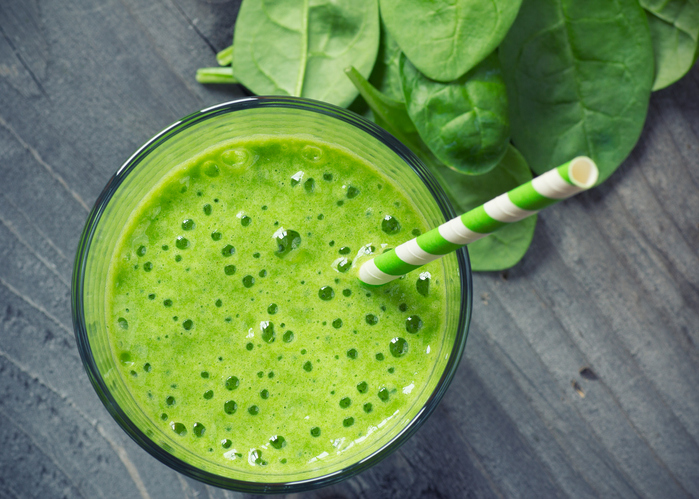
Avoid fast food baked goods for breakfast – Don’t be fooled by the healthy “looking” muffin, reach for a yogurt smoothie instead.  It will provide you with vitamin C and potassium, high fiber and keep you full from breakfast to lunch.

Prepare Coffee or Tea at home – Often times, barista coffee can be flavored with syrups that are high in fructose. Additionally, while waiting in line at your local coffee shop, you may be more apt to choose an unhealthy breakfast choice.  Skip the impulse purchase and brew your coffee or tea at home.

Passing on the less healthy comfort food choices can be more challenging when you’re busy. Often times, it’s easy to lose track of time and skip lunch.  No matter how heavy your workload, make time to leave the office and eat your lunch.  Starving through lunch will only lead to making unhealthy food choices later.

In order to maintain a healthy diet, you should prioritize time to purchase and prepare healthy eating choices. Although a home cooked substitution isn’t always possible, these tips can help you choose food that will give you all the comfort you need with none of the guilt.

All content of this newsletter is intended for general information purposes only and is not intended or implied to be a substitute for professional medical advice, diagnosis or treatment. Please consult a medical professional before adopting any of the suggestions on this page. You must never disregard professional medical advice or delay seeking medical treatment based upon any content of this newsletter. PROMPTLY CONSULT YOUR PHYSICIAN OR CALL 911 IF YOU BELIEVE YOU HAVE A MEDICAL EMERGENCY.

The Nutritional Benefit of Mangos

According to Healthline, Mango is a fruit that is native to India and Southeast Asia.  There are hundreds of types of mangos, each with a unique delicious taste that have an impressive nutritional profile.

The site notes that studies have linked the nutrients in mangos to health benefits such as improved immunity, digestive health, and eyesight, as well as lowering the risk of certain cancers.

Mangos are low in calories and full of nutrients.  Some of the benefits are:

One cup (165 grams) of sliced mango provides:

  • Calories: 99
  • Protein: 1.4 grams
  • Carbs: 24.7 grams
  • Fat: 0.6 grams
  • Dietary fiber: 2.6 grams
  • Vitamin C: 67% of the Reference Daily Intake (RDI)
  • Copper: 20% of the RDI
  • Folate: 18% of the RDI
  • Vitamin B6: 11.6% of the RDI
  • Vitamin A: 10% of the RDI
  • Vitamin E: 9.7% of the RDI
  • Vitamin B5: 6.5% of the RDI
  • Vitamin K: 6% of the RDI
  • Niacin: 7% of the RDI
  • Potassium: 6% of the RDI
  • Riboflavin: 5% of the RDI
  • Manganese: 4.5% of the RDI
  • Thiamine: 4% of the RDI
  • Magnesium: 4% of the RDI

It also contains small amounts of phosphorus, pantothenic acid, calcium, selenium and iron and are high in antioxidants.

To read these and other facts about the nutritional value of mangos, visit https://www.healthline.com/nutrition/mango


All content of this newsletter is intended for general information purposes only and is not intended or implied to be a substitute for professional medical advice, diagnosis or treatment. Please consult a medical professional before adopting any of the suggestions on this page. You must never disregard professional medical advice or delay seeking medical treatment based upon any content of this newsletter. PROMPTLY CONSULT YOUR PHYSICIAN OR CALL 911 IF YOU BELIEVE YOU HAVE A MEDICAL EMERGENCY.
The Benefits Of Beets and A Recipe Too!

According to Healthline, Beets are packed with essential nutrients. They are a great source of fiber, folate (vitamin B9), manganese, potassium, iron, and vitamin C. Beetroot and beetroot juice have been associated with numerous health benefits, including improved blood flow, lower blood pressure, and increased exercise performance.

If you are in the mood for a beet based citrus salad delight, try this recipe for a quick, nourishing, and delicious salad.

INGREDIENTS:

  • 1 bunch kale
  • 1 bunch lettuce
  • 1 kohlrabi
  • 1 beet
  • 2 carrots
  • 1 grapefruit
  • 4 tablespoons olive oil
  • 1 tablespoon honey
  • 1 teaspoon Dijon mustard
  • ½ teaspoon kosher salt
  • ¼ teaspoon freshly ground pepper
  • ¼ cup sunflower seeds or pepitas

DIRECTIONS:

  1. Remove the stems from the kale and chop it into bite-sized pieces. Chop the lettuce into bite-sized pieces. Peel the kohlrabi, beet, and 2 carrots and chop them into matchsticks (julienne) with a knife or using a food processor. Remove the sections from half of the grapefruit and peel them.
  2. In a small canning jar, combine juice from the remaining half grapefruit (around ¼ cup), 4 tablespoons olive oil, 1 tablespoon honey, 1 teaspoon Dijon mustard, ½ teaspoon kosher salt, and ¼ teaspoon freshly ground pepper. Cover the jar and shake vigorously to combine (or whisk all ingredients together in a bowl).
  3. To serve, place vegetables on serving plates or in bowls. Top with grapefruit vinaigrette and sunflower seeds or pepitas.

For this and other delicious seasonal recipes visit –  www.acouplecooks.com

If you want to learn more about the nutritional value of beets, visit: https://www.healthline.com/nutrition/foods/beetroot#:~:text=Packed%20with%20essential%20nutrients%2C%20beetroots,pressure%2C%20and%20increased%20exercise%20performance.

All content of this newsletter is intended for general information purposes only and is not intended or implied to be a substitute for professional medical advice, diagnosis or treatment. Please consult a medical professional before adopting any of the suggestions on this page. You must never disregard professional medical advice or delay seeking medical treatment based upon any content of this newsletter. PROMPTLY CONSULT YOUR PHYSICIAN OR CALL 911 IF YOU BELIEVE YOU HAVE A MEDICAL EMERGENCY.
Facts About Dietary Supplements

Did you know that more than two-third of adults in the United States are overweight or obese?

According to the National Institute of health (NIH), many ameri9cans are using dietary supplements for weight loss as a solution.  The trend towards dietary supplements could be attributed to the belief that these products may help you lose weight more quickly.  However, according to the NIH, “There’s little scientific evidence that weight-loss supplements work.  Many are expensive and some can interact or interfere with medications, and a few might be harmful.”

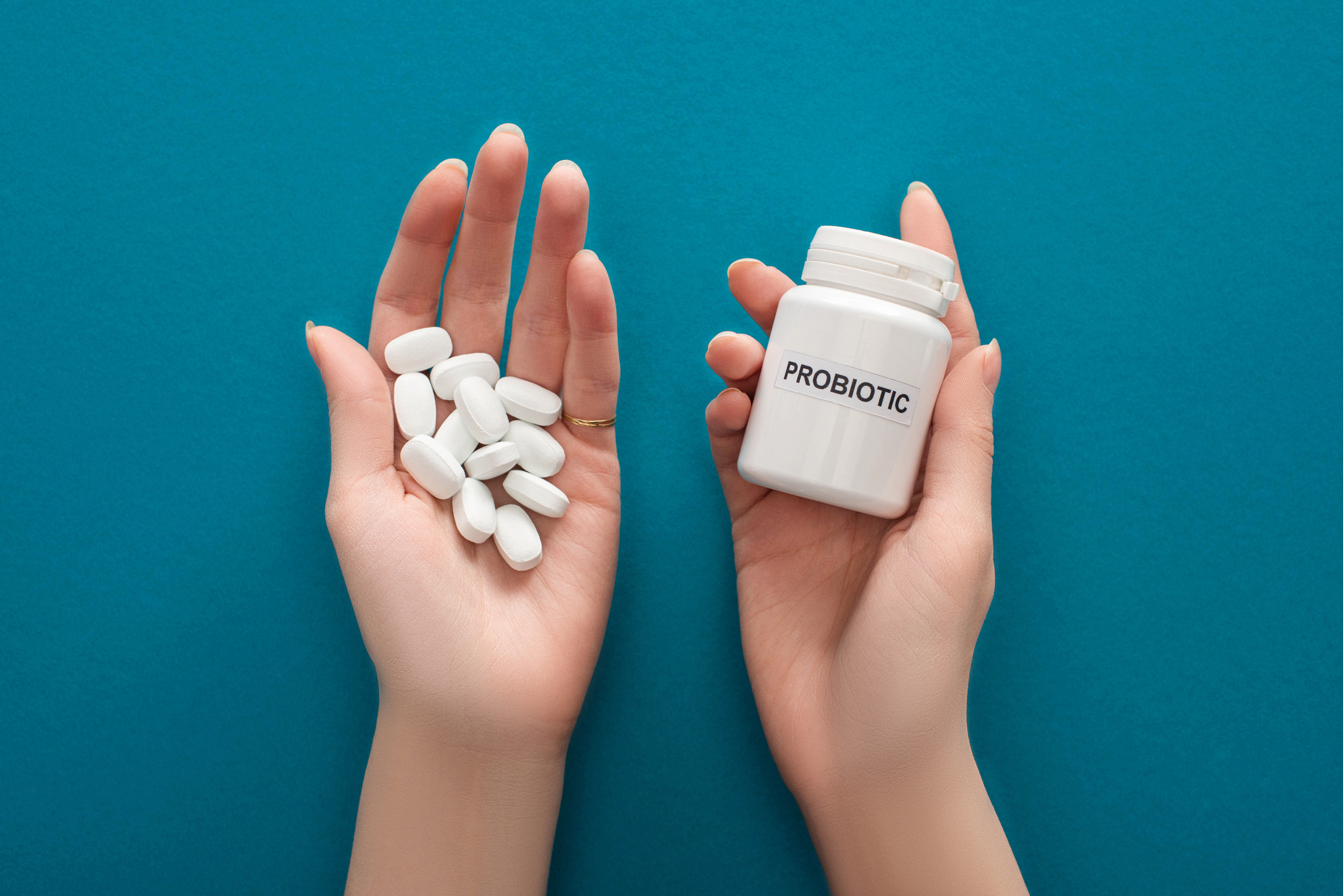
There are many kinds of dietary supplements.  They come in a variety of forms, such as capsules, tablets, liquids, powders, and bars.

Some of the more common ingredients in dietary supplements that are mostly save include:

  • Dietary fiber
  • Caffeine
  • Minerals (magnesium, calcium, potassium)

Certain ingredients included in supplements that might be harmful are:

  • Bitter orange
  • Hoodia
  • Yohimbe

Keep in mind, before choosing to take dietary supplements, it would be a good idea to consult with your doctor or a licensed nutritionist.  They may be able to assist you in preventing supplement-drug interactions and other risks.

The proven and healthy way to lose weight is by eating a balanced diet and exercising.  If you would like to speak with a nutritionist at Flushing Hospital Medical Center about how to get started on a healthier lifestyle, call 718-670-5486 for an appointment.

All content of this newsletter is intended for general information purposes only and is not intended or implied to be a substitute for professional medical advice, diagnosis or treatment. Please consult a medical professional before adopting any of the suggestions on this page. You must never disregard professional medical advice or delay seeking medical treatment based upon any content of this newsletter. PROMPTLY CONSULT YOUR PHYSICIAN OR CALL 911 IF YOU BELIEVE YOU HAVE A MEDICAL EMERGENCY.
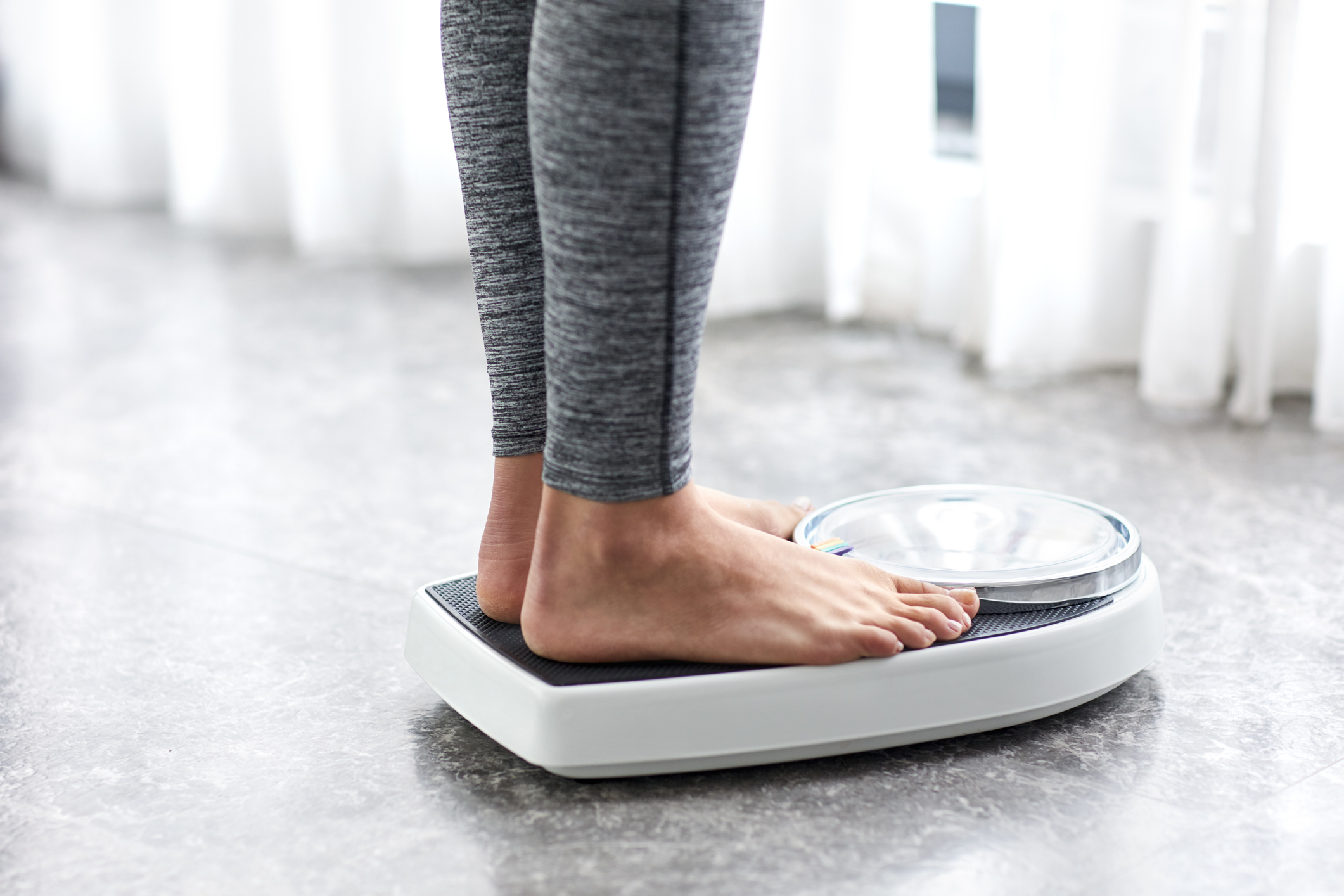
National Healthy Weight Week

The third week in January is designated as National Healthy Weight Week. In an effort to promote a healthy nutritional lifestyle, Flushing Hospital Medical Center would like to offer the following tips to help you achieve and maintain a healthy weight.

  • Set a Goal – You can’t set out on a mission to lose weight without knowing how you are going to do it. Create a detailed weight-loss plan and set a goal that is specific, measurable and realistic.
  • Be Patient – In most cases if you make modest adjustments in your lifestyle, you can lose the weight gradually, but steadily. Dietary changes are typically easier to follow when you take slow, small steps.
  • Drink Plenty of Water – Water is free of calories, inexpensive and provides your body with a quenching boost. Recommendations are to drink eights cups of water every day, but if that is unrealistic, try slowly increasing your intake by drinking a few ounces more than you did the previous day.
  • Avoid temptations to snack– It is very easy to lose track of how much we eat when we are constantly nibbling on snacks. To avoid constant grazing, try chewing gum or drinking water.  If you must snack, try choosing healthy alternatives.
  • Make a Deal to Indulge – Definitely remove your dietary weakness from your home, but totally banning your favorite foods is bound to backfire. Instead of totally eliminating temptations from your life, allow yourself to modestly indulge once a week.
  • Begin a Manageable Workout Program – Forking over money on an annual gym membership can be helpful, but simply signing up isn’t enough. Instead of setting unrealistic workout goals, create a convenient and realistic workout routine at home.
  • Have a Friend Help You – Starting healthy nutritional lifestyle can be more effective if you have someone to hold you accountable. Teaming up with a weight-loss companion can assist you reach your goal by helping you stick to your diet and accompany you with your workout routine.
  • Weigh yourself – Regular weight check-ins can help you maintain your desired weight. Keep track of your progress and, if you see a trend toward gaining weight, you can revert back to the steps you took to begin your weight loss.

Hopefully, these tips will help you reach and maintain your weight loss goals in 2021. If however, you need professional assistance, Flushing Hospital’s Bariatric Center can help. They offer a variety of non-invasive, medically managed surgical weight loss options for those who qualify.

To make an appointment, please call 718-670-8908.


All content of this newsletter is intended for general information purposes only and is not intended or implied to be a substitute for professional medical advice, diagnosis or treatment. Please consult a medical professional before adopting any of the suggestions on this page. You must never disregard professional medical advice or delay seeking medical treatment based upon any content of this newsletter. PROMPTLY CONSULT YOUR PHYSICIAN OR CALL 911 IF YOU BELIEVE YOU HAVE A MEDICAL EMERGENCY.

Foods That Are Good For Your Kidneys

The kidneys are two bean shaped organs in the body that help to filter waste products from the blood. They also help to regulate blood pressure.

People who have kidney disease should follow a diet that prevents the kidneys from losing their ability to function properly. It is important to maintain a diet low in sodium. This usually means less than 2,300 milligrams of sodium per day. Eating fresh foods is usually a healthier option due to a lower sodium content.  Eat small portions of protein, 2 to 3 ounces, is a good amount.

Protein can come from fish, skinless chicken, lean meat, eggs, or dairy. Avoiding alcohol is also important. Heart healthy meals are a good choice. Avoid deep fried foods. Broiled or baked is a better option. Eat foods lower in phosphorous include vegetables, bread, pasta, rice, corn, and foods low in potassium apples, carrots, green beans, white bread, apple, grape, cranberries. It is also important to drink six to eight glasses of water a day.

Things to avoid when you have kidney disease are:

  • Sodium
  • Potassium
  • Excess Protein
  • Fast food

There a certain foods that help to keep the kidneys functioning well. These include:

  • Cauliflower
  • Blueberries
  • Sea Bass
  • Red Grapes
  • Garlic
  • Buckwheat
  • Olive Oil
  • Cabbage
  • Bell peppers
  • Arugula
  • Macademia nuts
  • Radish
  • Turnips
  • Pineapple
  • Shiitake mushrooms

Speak to your physician if you are having kidney problems about the best choice of foods for you. You can schedule an appointment with a physician at Flushing Hospital Medical Center by calling 718-670-5486.

All content of this newsletter is intended for general information purposes only and is not intended or implied to be a substitute for professional medical advice, diagnosis or treatment. Please consult a medical professional before adopting any of the suggestions on this page. You must never disregard professional medical advice or delay seeking medical treatment based upon any content of this newsletter. PROMPTLY CONSULT YOUR PHYSICIAN OR CALL 911 IF YOU BELIEVE YOU HAVE A MEDICAL EMERGENCY.
Why is a Vitamin K Deficiency Dangerous ?

Vitamin K is a fat soluble vitamin that is responsible for the production of the components needed for blood clotting. It also may play a role in bone production. Without sufficient vitamin K we would potentially bleed too much.

There are two types of vitamin K: K1 which comes from leafy greens,  spinach, asparagus, broccoli, green beans and some other vegetables and K2 which comes from meats, cheeses, and eggs.

People who are at risk of vitamin K deficiency include those :

  • Taking certain antibiotics
  • Taking blood thinners including Coumadin
  • Having poor absorption by the intestines due to celiac disease
  • Having a diet poor in vitamin K
  • Drinking large amounts of alcohol frequently

Vitamin K does not transfer well with breast milk and for this reason many infants are given an injection of vitamin K at birth to help them get the necessary amount that the body requires.

To determine if a person has an adequate amount in the body, a prothrombin test is performed to check blood clotting time.

If you are experiencing blood clotting issues, you should speak to your physician about the possible causes. You can schedule an appointment with a physician at Flushing Hospital Medical Center by calling 718-670-5486.

All content of this newsletter is intended for general information purposes only and is not intended or implied to be a substitute for professional medical advice, diagnosis or treatment. Please consult a medical professional before adopting any of the suggestions on this page. You must never disregard professional medical advice or delay seeking medical treatment based upon any content of this newsletter. PROMPTLY CONSULT YOUR PHYSICIAN OR CALL 911 IF YOU BELIEVE YOU HAVE A MEDICAL EMERGENCY.

The Health Benefits of Watermelon

One of the foods most closely associated with summertime is watermelon. It is tasty and quenches your thirst but did you know that it is also healthy for you ?

It is believed that watermelon may help in the prevention of diabetes, cancer, high blood pressure, heat stroke, kidney disorders, and macular degeneration.


Some of the known benefits of watermelon are:

  • It is high in lycopene, an antioxidant believed to curb cancer and also protect the skin from the sun’s rays
  • It contains an amino acid citrulline which may lower blood pressure and also lower the risk of a heart attack
  • It contains beta-cryptoxanthin which lowers joint inflammation
  • It contains vitamin A which is good for the eyes
  • It is 92% water and good for keeping hydrated and feeling full
  • It contains vitamins A, B6, and C which keeps the skin soft and supple
  • It is low in calories
  • It is high in potassium which is important for flushing out the toxins through the kidneys
  • It is easy to digest
  • The potassium and magnesium helps insulin to function properly which controls diabetes

One of the risks associated with eating watermelon is that if it is pre-cut, there is a chance of being exposed to salmonella. It must be refrigerated below 40 degrees and washed thoroughly before eating.

Enjoy your summer and make watermelon a part of your summertime snacks.

All content of this newsletter is intended for general information purposes only and is not intended or implied to be a substitute for professional medical advice, diagnosis or treatment. Please consult a medical professional before adopting any of the suggestions on this page. You must never disregard professional medical advice or delay seeking medical treatment based upon any content of this newsletter. PROMPTLY CONSULT YOUR PHYSICIAN OR CALL 911 IF YOU BELIEVE YOU HAVE A MEDICAL EMERGENCY.

Does Adding More Protein To Your Diet Really Build Muscle?

Nutritionist in Flushing QueensIt is common for people to increase their intake of protein when building muscle. This may be the result of a common misconception that adding more protein to your diet helps to increase muscle mass. The truth is, excessive amounts of protein can do your body more harm than good (Experts recommend that anywhere between 10 to 30% of your diet should include protein).

An excessive amount of protein in your diet can have the following harmful effects:

  • A buildup of toxic ketones
  • An increase in the risk of dehydration
  • An elevation in blood lipids
  • An increase in the risk of heart disease
  • Protein being converted to fat

Another misconception about diet and building muscle is that carbohydrates should be avoided.  In fact, adequate amounts of good carbohydrates, found in whole grain bread and cereals can provide the energy needed to exercise and help your body process protein (Dietary guidelines suggest around 55% of your calories each day should come from carbohydrates).

To achieve the best results when building muscle, you must combine strength training exercises along with a diet that includes the right amounts of protein, carbohydrates, water, fruits and vegetables.

If you have questions about your diet and nutrition, please call 718-670-5486 to schedule an appointment with a dietitian at Flushing Hospital Medical Center.

All content of this newsletter is intended for general information purposes only and is not intended or implied to be a substitute for professional medical advice, diagnosis or treatment. Please consult a medical professional before adopting any of the suggestions on this page. You must never disregard professional medical advice or delay seeking medical treatment based upon any content of this newsletter. PROMPTLY CONSULT YOUR PHYSICIAN OR CALL 911 IF YOU BELIEVE YOU HAVE A MEDICAL EMERGENCY.