The Benefits Of Beets and A Recipe Too!

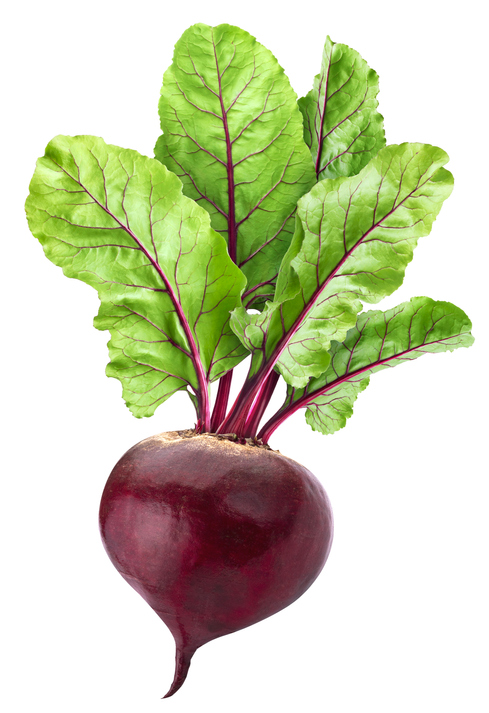
According to Healthline, Beets are packed with essential nutrients. They are a great source of fiber, folate (vitamin B9), manganese, potassium, iron, and vitamin C. Beetroot and beetroot juice have been associated with numerous health benefits, including improved blood flow, lower blood pressure, and increased exercise performance.

If you are in the mood for a beet based citrus salad delight, try this recipe for a quick, nourishing, and delicious salad.

INGREDIENTS:

  • 1 bunch kale
  • 1 bunch lettuce
  • 1 kohlrabi
  • 1 beet
  • 2 carrots
  • 1 grapefruit
  • 4 tablespoons olive oil
  • 1 tablespoon honey
  • 1 teaspoon Dijon mustard
  • ½ teaspoon kosher salt
  • ¼ teaspoon freshly ground pepper
  • ¼ cup sunflower seeds or pepitas

DIRECTIONS:

  1. Remove the stems from the kale and chop it into bite-sized pieces. Chop the lettuce into bite-sized pieces. Peel the kohlrabi, beet, and 2 carrots and chop them into matchsticks (julienne) with a knife or using a food processor. Remove the sections from half of the grapefruit and peel them.
  2. In a small canning jar, combine juice from the remaining half grapefruit (around ¼ cup), 4 tablespoons olive oil, 1 tablespoon honey, 1 teaspoon Dijon mustard, ½ teaspoon kosher salt, and ¼ teaspoon freshly ground pepper. Cover the jar and shake vigorously to combine (or whisk all ingredients together in a bowl).
  3. To serve, place vegetables on serving plates or in bowls. Top with grapefruit vinaigrette and sunflower seeds or pepitas.

For this and other delicious seasonal recipes visit –  www.acouplecooks.com

If you want to learn more about the nutritional value of beets, visit: https://www.healthline.com/nutrition/foods/beetroot#:~:text=Packed%20with%20essential%20nutrients%2C%20beetroots,pressure%2C%20and%20increased%20exercise%20performance.

All content of this newsletter is intended for general information purposes only and is not intended or implied to be a substitute for professional medical advice, diagnosis or treatment. Please consult a medical professional before adopting any of the suggestions on this page. You must never disregard professional medical advice or delay seeking medical treatment based upon any content of this newsletter. PROMPTLY CONSULT YOUR PHYSICIAN OR CALL 911 IF YOU BELIEVE YOU HAVE A MEDICAL EMERGENCY.

Facts About Dietary Supplements

Did you know that more than two-third of adults in the United States are overweight or obese?

According to the National Institute of health (NIH), many ameri9cans are using dietary supplements for weight loss as a solution.  The trend towards dietary supplements could be attributed to the belief that these products may help you lose weight more quickly.  However, according to the NIH, “There’s little scientific evidence that weight-loss supplements work.  Many are expensive and some can interact or interfere with medications, and a few might be harmful.”

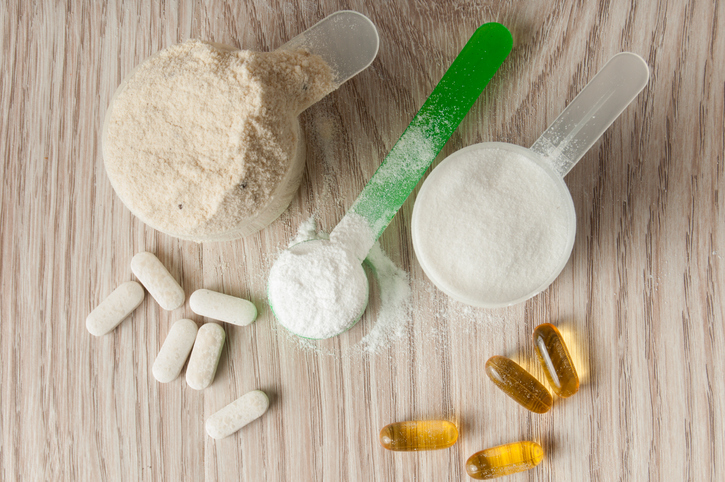
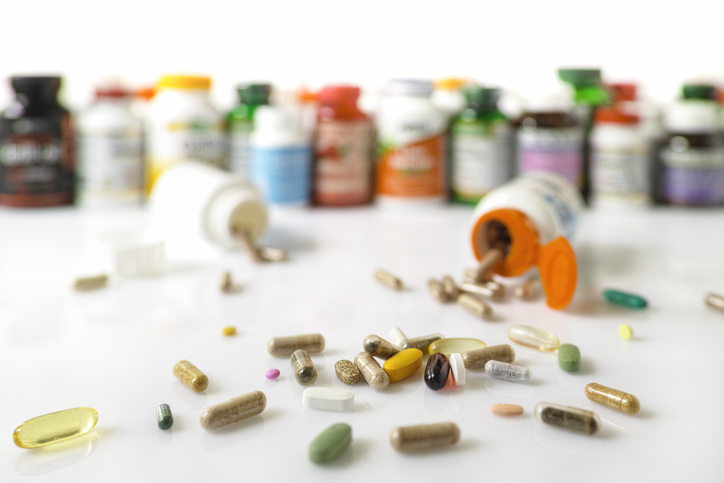
There are many kinds of dietary supplements.  They come in a variety of forms, such as capsules, tablets, liquids, powders, and bars.

Some of the more common ingredients in dietary supplements that are mostly save include:

  • Dietary fiber
  • Caffeine
  • Minerals (magnesium, calcium, potassium)

Certain ingredients included in supplements that might be harmful are:

  • Bitter orange
  • Hoodia
  • Yohimbe

Keep in mind, before choosing to take dietary supplements, it would be a good idea to consult with your doctor or a licensed nutritionist.  They may be able to assist you in preventing supplement-drug interactions and other risks.

The proven and healthy way to lose weight is by eating a balanced diet and exercising.  If you would like to speak with a nutritionist at Flushing Hospital Medical Center about how to get started on a healthier lifestyle, call 718-670-5486 for an appointment.

All content of this newsletter is intended for general information purposes only and is not intended or implied to be a substitute for professional medical advice, diagnosis or treatment. Please consult a medical professional before adopting any of the suggestions on this page. You must never disregard professional medical advice or delay seeking medical treatment based upon any content of this newsletter. PROMPTLY CONSULT YOUR PHYSICIAN OR CALL 911 IF YOU BELIEVE YOU HAVE A MEDICAL EMERGENCY.

National Healthy Weight Week

The third week in January is designated as National Healthy Weight Week. In an effort to promote a healthy nutritional lifestyle, Flushing Hospital Medical Center would like to offer the following tips to help you achieve and maintain a healthy weight.

  • Set a Goal – You can’t set out on a mission to lose weight without knowing how you are going to do it. Create a detailed weight-loss plan and set a goal that is specific, measurable and realistic.
  • Be Patient – In most cases if you make modest adjustments in your lifestyle, you can lose the weight gradually, but steadily. Dietary changes are typically easier to follow when you take slow, small steps.
  • Drink Plenty of Water – Water is free of calories, inexpensive and provides your body with a quenching boost. Recommendations are to drink eights cups of water every day, but if that is unrealistic, try slowly increasing your intake by drinking a few ounces more than you did the previous day.
  • Avoid temptations to snack– It is very easy to lose track of how much we eat when we are constantly nibbling on snacks. To avoid constant grazing, try chewing gum or drinking water.  If you must snack, try choosing healthy alternatives.
  • Make a Deal to Indulge – Definitely remove your dietary weakness from your home, but totally banning your favorite foods is bound to backfire. Instead of totally eliminating temptations from your life, allow yourself to modestly indulge once a week.
  • Begin a Manageable Workout Program – Forking over money on an annual gym membership can be helpful, but simply signing up isn’t enough. Instead of setting unrealistic workout goals, create a convenient and realistic workout routine at home.
  • Have a Friend Help You – Starting healthy nutritional lifestyle can be more effective if you have someone to hold you accountable. Teaming up with a weight-loss companion can assist you reach your goal by helping you stick to your diet and accompany you with your workout routine.
  • Weigh yourself – Regular weight check-ins can help you maintain your desired weight. Keep track of your progress and, if you see a trend toward gaining weight, you can revert back to the steps you took to begin your weight loss.

Hopefully, these tips will help you reach and maintain your weight loss goals in 2021. If however, you need professional assistance, Flushing Hospital’s Bariatric Center can help. They offer a variety of non-invasive, medically managed surgical weight loss options for those who qualify.

To make an appointment, please call 718-670-8908.


All content of this newsletter is intended for general information purposes only and is not intended or implied to be a substitute for professional medical advice, diagnosis or treatment. Please consult a medical professional before adopting any of the suggestions on this page. You must never disregard professional medical advice or delay seeking medical treatment based upon any content of this newsletter. PROMPTLY CONSULT YOUR PHYSICIAN OR CALL 911 IF YOU BELIEVE YOU HAVE A MEDICAL EMERGENCY.
Foods That Are Good For Your Kidneys

The kidneys are two bean shaped organs in the body that help to filter waste products from the blood. They also help to regulate blood pressure.

People who have kidney disease should follow a diet that prevents the kidneys from losing their ability to function properly. It is important to maintain a diet low in sodium. This usually means less than 2,300 milligrams of sodium per day. Eating fresh foods is usually a healthier option due to a lower sodium content.  Eat small portions of protein, 2 to 3 ounces, is a good amount.

Protein can come from fish, skinless chicken, lean meat, eggs, or dairy. Avoiding alcohol is also important. Heart healthy meals are a good choice. Avoid deep fried foods. Broiled or baked is a better option. Eat foods lower in phosphorous include vegetables, bread, pasta, rice, corn, and foods low in potassium apples, carrots, green beans, white bread, apple, grape, cranberries. It is also important to drink six to eight glasses of water a day.

Things to avoid when you have kidney disease are:

  • Sodium
  • Potassium
  • Excess Protein
  • Fast food

There a certain foods that help to keep the kidneys functioning well. These include:

  • Cauliflower
  • Blueberries
  • Sea Bass
  • Red Grapes
  • Garlic
  • Buckwheat
  • Olive Oil
  • Cabbage
  • Bell peppers
  • Arugula
  • Macademia nuts
  • Radish
  • Turnips
  • Pineapple
  • Shiitake mushrooms

Speak to your physician if you are having kidney problems about the best choice of foods for you. You can schedule an appointment with a physician at Flushing Hospital Medical Center by calling 718-670-5486.

All content of this newsletter is intended for general information purposes only and is not intended or implied to be a substitute for professional medical advice, diagnosis or treatment. Please consult a medical professional before adopting any of the suggestions on this page. You must never disregard professional medical advice or delay seeking medical treatment based upon any content of this newsletter. PROMPTLY CONSULT YOUR PHYSICIAN OR CALL 911 IF YOU BELIEVE YOU HAVE A MEDICAL EMERGENCY.
Why is a Vitamin K Deficiency Dangerous ?

Vitamin K is a fat soluble vitamin that is responsible for the production of the components needed for blood clotting. It also may play a role in bone production. Without sufficient vitamin K we would potentially bleed too much.

There are two types of vitamin K: K1 which comes from leafy greens,  spinach, asparagus, broccoli, green beans and some other vegetables and K2 which comes from meats, cheeses, and eggs.

People who are at risk of vitamin K deficiency include those :

  • Taking certain antibiotics
  • Taking blood thinners including Coumadin
  • Having poor absorption by the intestines due to celiac disease
  • Having a diet poor in vitamin K
  • Drinking large amounts of alcohol frequently

Vitamin K does not transfer well with breast milk and for this reason many infants are given an injection of vitamin K at birth to help them get the necessary amount that the body requires.

To determine if a person has an adequate amount in the body, a prothrombin test is performed to check blood clotting time.

If you are experiencing blood clotting issues, you should speak to your physician about the possible causes. You can schedule an appointment with a physician at Flushing Hospital Medical Center by calling 718-670-5486.

All content of this newsletter is intended for general information purposes only and is not intended or implied to be a substitute for professional medical advice, diagnosis or treatment. Please consult a medical professional before adopting any of the suggestions on this page. You must never disregard professional medical advice or delay seeking medical treatment based upon any content of this newsletter. PROMPTLY CONSULT YOUR PHYSICIAN OR CALL 911 IF YOU BELIEVE YOU HAVE A MEDICAL EMERGENCY.

The Health Benefits of Watermelon

One of the foods most closely associated with summertime is watermelon. It is tasty and quenches your thirst but did you know that it is also healthy for you ?

It is believed that watermelon may help in the prevention of diabetes, cancer, high blood pressure, heat stroke, kidney disorders, and macular degeneration.


Some of the known benefits of watermelon are:

  • It is high in lycopene, an antioxidant believed to curb cancer and also protect the skin from the sun’s rays
  • It contains an amino acid citrulline which may lower blood pressure and also lower the risk of a heart attack
  • It contains beta-cryptoxanthin which lowers joint inflammation
  • It contains vitamin A which is good for the eyes
  • It is 92% water and good for keeping hydrated and feeling full
  • It contains vitamins A, B6, and C which keeps the skin soft and supple
  • It is low in calories
  • It is high in potassium which is important for flushing out the toxins through the kidneys
  • It is easy to digest
  • The potassium and magnesium helps insulin to function properly which controls diabetes

One of the risks associated with eating watermelon is that if it is pre-cut, there is a chance of being exposed to salmonella. It must be refrigerated below 40 degrees and washed thoroughly before eating.

Enjoy your summer and make watermelon a part of your summertime snacks.

All content of this newsletter is intended for general information purposes only and is not intended or implied to be a substitute for professional medical advice, diagnosis or treatment. Please consult a medical professional before adopting any of the suggestions on this page. You must never disregard professional medical advice or delay seeking medical treatment based upon any content of this newsletter. PROMPTLY CONSULT YOUR PHYSICIAN OR CALL 911 IF YOU BELIEVE YOU HAVE A MEDICAL EMERGENCY.

Does Adding More Protein To Your Diet Really Build Muscle?

Nutritionist in Flushing QueensIt is common for people to increase their intake of protein when building muscle. This may be the result of a common misconception that adding more protein to your diet helps to increase muscle mass. The truth is, excessive amounts of protein can do your body more harm than good (Experts recommend that anywhere between 10 to 30% of your diet should include protein).

An excessive amount of protein in your diet can have the following harmful effects:

  • A buildup of toxic ketones
  • An increase in the risk of dehydration
  • An elevation in blood lipids
  • An increase in the risk of heart disease
  • Protein being converted to fat

Another misconception about diet and building muscle is that carbohydrates should be avoided.  In fact, adequate amounts of good carbohydrates, found in whole grain bread and cereals can provide the energy needed to exercise and help your body process protein (Dietary guidelines suggest around 55% of your calories each day should come from carbohydrates).

To achieve the best results when building muscle, you must combine strength training exercises along with a diet that includes the right amounts of protein, carbohydrates, water, fruits and vegetables.

If you have questions about your diet and nutrition, please call 718-670-5486 to schedule an appointment with a dietitian at Flushing Hospital Medical Center.

All content of this newsletter is intended for general information purposes only and is not intended or implied to be a substitute for professional medical advice, diagnosis or treatment. Please consult a medical professional before adopting any of the suggestions on this page. You must never disregard professional medical advice or delay seeking medical treatment based upon any content of this newsletter. PROMPTLY CONSULT YOUR PHYSICIAN OR CALL 911 IF YOU BELIEVE YOU HAVE A MEDICAL EMERGENCY.

Natural Ways To Lower Cholesterol


High cholesterol is one of the health issues that affects millions of Americans and is responsible for people experiencing a higher risk of heart attacks, heart disease and stroke. Poor diet, lack of exercise, heredity and lifestyle choices are some of the reasons people are affected. Physicians can prescribe medications that will help control cholesterol levels in the blood, but there are also some ways to bring cholesterol levels down without medication.

Diets that contain a lot of red meat, dairy products, eggs, chocolate, baked items, processed foods and sugar are not healthy. Eating foods that are healthier such lean cuts of meat, nuts, and oils such as olive oil, canola oil and safflower oil tend to be better choices when watching cholesterol levels.

Additionally, diets that are rich in the following will tend to help lower levels of bad cholesterol:

  • Whole grain cereals (oatmeal and bran)
  • Fruits (apples, prunes, pears, oranges)
  • Fish that are high in omega-3 fatty acids
  • High fiber foods (beans, legumes, apples )
  • Vegetables
  • Spices (oregano, mint, thyme, clove, cinnamon)
  • Soybeans
  • Green tea
  • Supplements that lower cholesterol (niacin, psyllium husk, L-carnitine)

Alcoholic beverages and smoking can raise bad cholesterol levels so these should be kept to a minimum if even at all. Obesity can also raise the cholesterol level.

It is recommended that you see your physician annually for a thorough examination and to have lab work performed to check your cholesterol level. If you would like to schedule an appointment with a physician at Flushing Hospital, please call 718-670-5486.

All content of this newsletter is intended for general information purposes only and is not intended or implied to be a substitute for professional medical advice, diagnosis or treatment. Please consult a medical professional before adopting any of the suggestions on this page. You must never disregard professional medical advice or delay seeking medical treatment based upon any content of this newsletter. PROMPTLY CONSULT YOUR PHYSICIAN OR CALL 911 IF YOU BELIEVE YOU HAVE A MEDICAL EMERGENCY.

The Medicinal Benefits of Cinnamon

Most people think of cinnamon as a spice that adds flavor to food and beverages. What many people don’t know however is that for thousands of years people have been using cinnamon for medicinal purposes.

Cinnamon is obtained from the inner bark of cinnamon trees. The bark is then crushed into a powder which we can use as a flavoring or for medicinal purposes.

Some of the known medicinal benefits of cinnamon are:
• Acts as an anti-inflammatory
• Lowers blood sugar
• Acts as an anti-oxidant
• Acts as an anti-microbial
• Helps manage symptoms of Alzheimer’s
• Helps manage symptoms of Parkinson’s
• Thought to have anti-carcinogenic properties
• Helps manage polycystic ovarian syndrome
• Help manage dry eye and conjunctivitis
• Can be used as an insect repellant

Though cinnamon usually has no side effects, too much can irritate the mouth and the lips. Some people may also be allergic to it. As with anything, speak to you your physician before using cinnamon to treat any medical condition.

If you would like to schedule an appointment with a physician at Flushing Hospital, please call 718-670-5486.

All content of this newsletter is intended for general information purposes only and is not intended or implied to be a substitute for professional medical advice, diagnosis or treatment. Please consult a medical professional before adopting any of the suggestions on this page. You must never disregard professional medical advice or delay seeking medical treatment based upon any content of this newsletter. PROMPTLY CONSULT YOUR PHYSICIAN OR CALL 911 IF YOU BELIEVE YOU HAVE A MEDICAL EMERGENCY.

Wound Care and Nutrition

The nutritional status of a patient plays a large role in their body’s ability undergo wound healing.  It requires a higher than normal level of energy and nutrients if it is going to be successful. The body requires an additional 35 calories per kilogram of body weight to help a chronic wound to heal.  This will include eating a well-balanced diet that includes protein, grains, fruits, vegetables, and dairy.

For proper wound healing, a well-balanced diet should include 1.5 grams of protein for every kilogram of body weight. A kilogram is equal to 2.2 pounds. Keeping hydrated is also very important, eight glasses of water per day should be the minimum and more if the person sweats profusely, has a wound that is draining, or if vomiting and or diarrhea are present.  Meals should include meats, eggs, milk, cheese, nuts, seeds, yogurt and dried beans. In some people who have difficulty obtaining proper caloric intake from their daily meals, high protein and high calorie shakes can be used as supplements. Two amino acids, found in foods having protein and that have been identified as having potential to help wound healing are arginine and glutamine.

People with diabetes often have difficulty with wound healing, and this is due to poor circulation, nerve damage which leads to the constant breakdown of healthy tissue components needed to heal,  and a higher than normal level of sugar in the blood which can lead to higher rates of infection and causes fluids to be drained from the body. It is therefore very important for a person with diabetes to keep tight control of their disease.
Wound healing also requires additional levels of vitamins and minerals, however care must be taken too not take in more that the daily recommended amounts because this can have a negative effect on the body.

It is important to consult with a physician about how to eat successfully when trying to heal a wound and also a nutritionist who specializes in wound care.

If you have a chronic or non-healing wound, you may be a candidate for Flushing Hospital Medical Center’s  outpatient Wound Care Center.  To schedule an appointment or speak with a clinician, please call 718-670-4542

All content of this newsletter is intended for general information purposes only and is not intended or implied to be a substitute for professional medical advice, diagnosis or treatment. Please consult a medical professional before adopting any of the suggestions on this page. You must never disregard professional medical advice or delay seeking medical treatment based upon any content of this newsletter. PROMPTLY CONSULT YOUR PHYSICIAN OR CALL 911 IF YOU BELIEVE YOU HAVE A MEDICAL EMERGENCY.