 A sore throat and strep throat may feel similar. However, they are not the same thing.
Most sore throats are caused by viruses, such as the common cold virus, and will go away in about a week or so. A sore throat can also stem from a bacterial infection. When this occurs, it is known as strep throat, which is caused by an infection from the group A Streptococcus bacterium. Symptoms of strep throat will last much longer than those caused by viral infections
Allergies, a dry environment, and smoking or exposure to secondhand smoke can also cause sore throats.
When you have a sore throat, the inside of your mouth, throat, and lymph nodes around the neck and head become inflamed and swollen. You may also notice that the inside of your mouth appears to be red from the inflammation. Other symptoms of a sore throat include:
- Dryness
- Hoarseness
- Painful swallowing
- Scratchy feeling in the throat
Symptoms of strep throat, on the other hand, can seem similar; however, the difference is that there are tiny red spots called petechiae on the roof of your mouth or white patches on your tonsils, which are the usual signs of a strep throat infection. Other symptoms of strep throat include:
- Painful swallowing
- Swollen lymph nodes and/or tonsils
- Fever
- Headache
- Loss of appetite
- Nausea
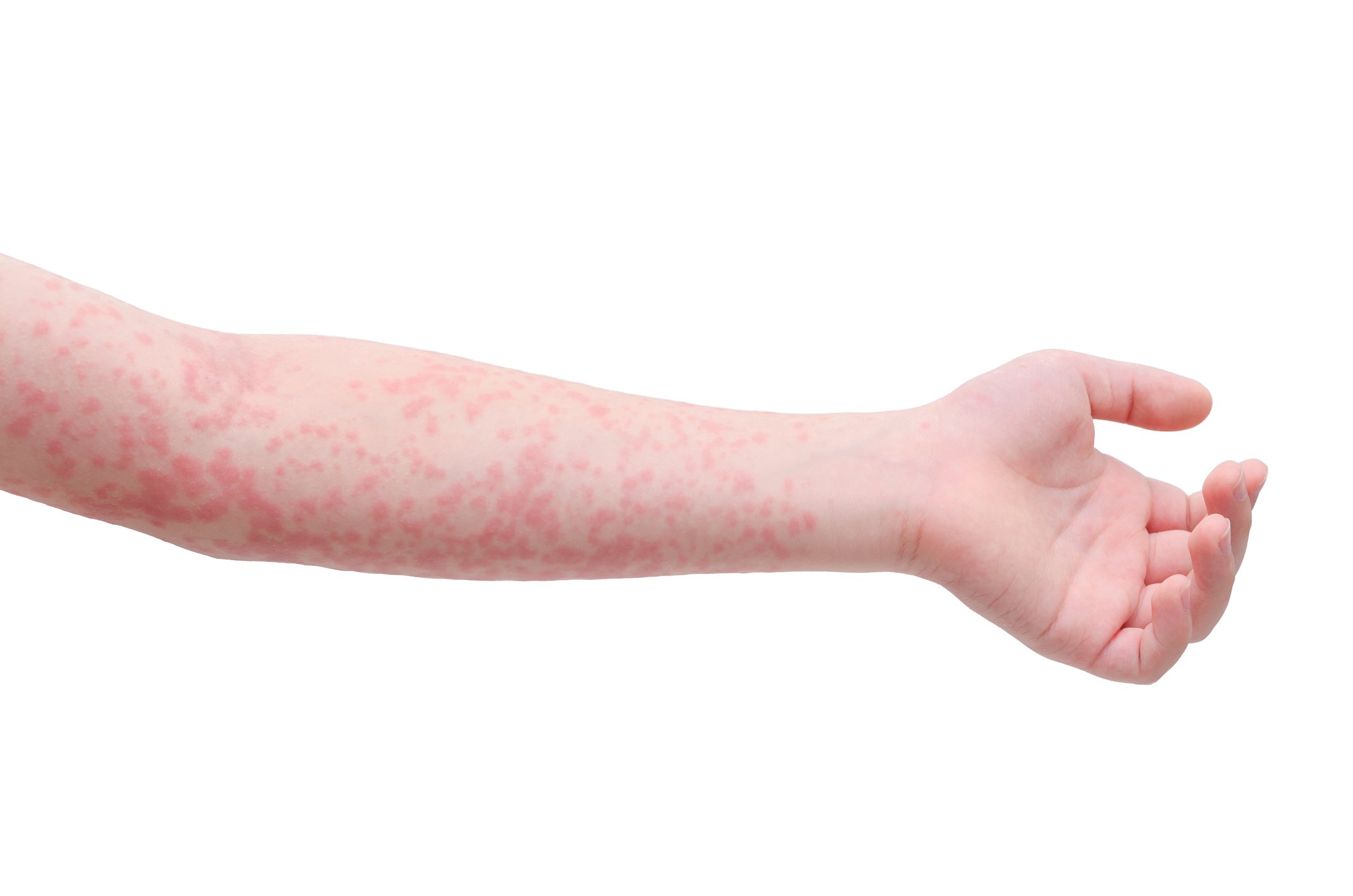
- Rash
- Stomach pain
There are many ways to relieve the pain caused by a sore throat, including:
- Gargling with salt water
- Hot tea
- Honey
- Taking over-the-counter pain relievers such as acetaminophen
- Ice chips or popsicles
- Using a humidifier to add cool mist to the air
- Getting plenty of rest
- Drinking plenty of water
- Lozenges
It is important to note that you should never give honey to children under one year old or lozenges to children under the age of four.
The same treatments used for a normal sore throat can be used to soothe a sore throat caused by a strep throat infection. However, the best treatment for strep throat is prescribed antibiotics as they are necessary to effectively treat a strep throat infection and prevent complications.
If you or a loved one is experiencing symptoms of a sore throat, you can receive treatment at Flushing Hospital Medical Center’s Ambulatory Care Center. To schedule an appointment, please call (718) 670-5486.
All content of this newsletter is intended for general information purposes only and is not intended or implied to be a substitute for professional medical advice, diagnosis or treatment. Please consult a medical professional before adopting any of the suggestions on this page. You must never disregard professional medical advice or delay seeking medical treatment based upon any content of this newsletter. PROMPTLY CONSULT YOUR PHYSICIAN OR CALL 911 IF YOU BELIEVE YOU HAVE A MEDICAL EMERGENCY.