
What is Panic Disorder?

Panic disorder is characterized by recurring, unexpected panic attacks over long periods of time. A panic attack is a sudden wave of intense fear coupled with physical reactions such as a rapid heart rate, shortness of breath, chest pain, or a headache; these symptoms appear despite the fact that no real, immediate danger is present. Many people may experience an occasional panic attack, but people with panic disorder experience these attacks more frequently than normal.

There is no specific known cause for panic disorder, but multiple factors may increase your risk of developing it, including:

  • Genetics
  • Continuous or extreme stress
  • Traumatic life events
  • Major or dramatic life changes
  • Changes in brain activity
  • Smoking
  • Excessive caffeine intake

Although the symptoms that accompany a panic attack are alarming and intense, they are not typically harmful or life-threatening. However, this can be difficult to remember or recognize when you are actively experiencing one. Additionally, even the possibility of having a panic attack (particularly for people with panic disorder, for whom attacks are more likely to occur) can have a detrimental effect on your life, potentially causing you to avoid certain situations and activities where panic attacks seem more likely to occur.

If you have experienced a recent panic attack, you should get medical treatment as soon as possible to prevent future attacks; this can help prevent panic disorder before it has a chance to develop. Lifestyle changes such as quitting smoking and getting regular exercise can also help prevent this condition.

Flushing Hospital Medical Center’s Psychiatric Department offers treatment for people at risk of experiencing panic attacks or developing panic disorder. To receive more information or to schedule an appointment, please call our outpatient psychiatric clinic at (718) 670-5562.

All content of this newsletter is intended for general information purposes only and is not intended or implied to be a substitute for professional medical advice, diagnosis or treatment. Please consult a medical professional before adopting any of the suggestions on this page. You must never disregard professional medical advice or delay seeking medical treatment based upon any content of this newsletter. PROMPTLY CONSULT YOUR PHYSICIAN OR CALL 911 IF YOU BELIEVE YOU HAVE A MEDICAL EMERGENCY.

Common Causes of Urinary Tract Infection

A urinary tract infection (UTI) can affect any part of your urinary system, which includes the bladder, kidneys, and urethra.

UTIs are very common, affecting up to about 10 million people each year. Infections occur most often in women and people assigned female at birth (AFAB), although they also occur in a smaller percentage of men and people assigned male at birth (AMAB).

UTIs generally develop due to the presence of bacteria, usually Escherichia coli (E. coli), in parts of your urinary system.  Bacteria can enter these parts of your body through the urethra to infect the bladder, but can also travel up from the bladder to infect the ureters and kidneys. Some common ways for a UTI to begin include:

Sexual intercourse: Sexual activity is one of the most common ways for people to develop a UTI. Bacteria can enter your urethra from your partner’s genitals or anus, allowing it to infect your urinary system. This exposure can also occur due to the usage of sex toys, particularly if they have not been adequately cleaned. Sexual UTIs may be prevented by washing your genital area daily and using contraceptives such as condoms during sex.

Bacteria from hands: Bacteria that are present on your hands or someone else’s can also enter your urethra by touching your genital area during sexual activity or while using the bathroom. This is most easily prevented by regularly washing your hands multiple times per day with soap and water.

Holding in urine: While holding in your urine does not cause a UTI on its own, it does increase your risk of developing one. Any bacteria present in your urine is forced to sit in your bladder system for a longer period of time, allowing it more time to multiply and potentially develop into an infection.

If you experience any typical symptoms of a UTI, such as a persistent urge to urinate, burning sensations while urinating, blood in your urine, or pelvic pain, you can receive treatment at Flushing Hospital Medical Center’s Ambulatory Care Center. To schedule an appointment, please call (718) 670-5486.

All content of this newsletter is intended for general information purposes only and is not intended or implied to be a substitute for professional medical advice, diagnosis or treatment. Please consult a medical professional before adopting any of the suggestions on this page. You must never disregard professional medical advice or delay seeking medical treatment based upon any content of this newsletter. PROMPTLY CONSULT YOUR PHYSICIAN OR CALL 911 IF YOU BELIEVE YOU HAVE A MEDICAL EMERGENCY.

Halloween 2023 Safety Tips

Halloween is a family-favorite holiday full of spooky fun and lots of candy.  However, it can also present many opportunities for injury as kids take to the streets in pursuit of trick-or-treat goodies.

Statistics show that roughly four times as many children between the ages of five and 14 are killed while walking on Halloween evening compared to other evenings of the year. Injuries due to falls and other accidents are also common among children on Halloween.

Parents can help minimize the risk of children getting injured on this holiday by following these safety tips from the American Academy of Pediatrics, the Centers for Disease Control and Prevention, and the National Safety Council.

On Halloween, children should:

  • Go only to well-lit houses.
  • Remain on porches without actually entering a house.
  • Travel in small groups accompanied by an adult.
  • Use flexible, non-sharp plastic props for costume pieces such as knives and swords.
  • When walking through neighborhoods trick-or-treating, use flashlights, stay on sidewalks, and avoid crossing yards.
  • Cross at appropriately-designated crosswalks and do not cross between parked cars.
  • Be sure to stop at all corners and stay together in a group before crossing.
  • Wear clothing or costumes that are bright, reflective, and flame-retardant.
  • Consider using face paint instead of masks that can obstruct a child’s vision.
  • Avoid wearing hats that will slide over children’s eyes.
  • Avoid wearing long, baggy, or loose costumes or oversized shoes that may cause kids to trip.
  • Be reminded to look left, right, and left again before crossing a street.

On Halloween, parents and adults should:

  • Supervise trick-or-treating for children under the age of 12.
  • Avoid giving choking hazards such as gum, peanuts, hard candies, or small toys as treats to young children.
  • Ensure the safety of pedestrian trick-or-treaters.
  • Make sure children under the age of 10 are supervised as they cross the street.
  • Drive slowly.
  • Watch for children in the street and on medians.
  • Exit driveways and alleyways slowly and carefully.
  • Have children get out of cars on the side of the sidewalk, not the street.

Follow these tips to keep both your children and yourself safe this year. Have a happy and fun Halloween!

All content of this newsletter is intended for general information purposes only and is not intended or implied to be a substitute for professional medical advice, diagnosis or treatment. Please consult a medical professional before adopting any of the suggestions on this page. You must never disregard professional medical advice or delay seeking medical treatment based upon any content of this newsletter. PROMPTLY CONSULT YOUR PHYSICIAN OR CALL 911 IF YOU BELIEVE YOU HAVE A MEDICAL EMERGENCY.
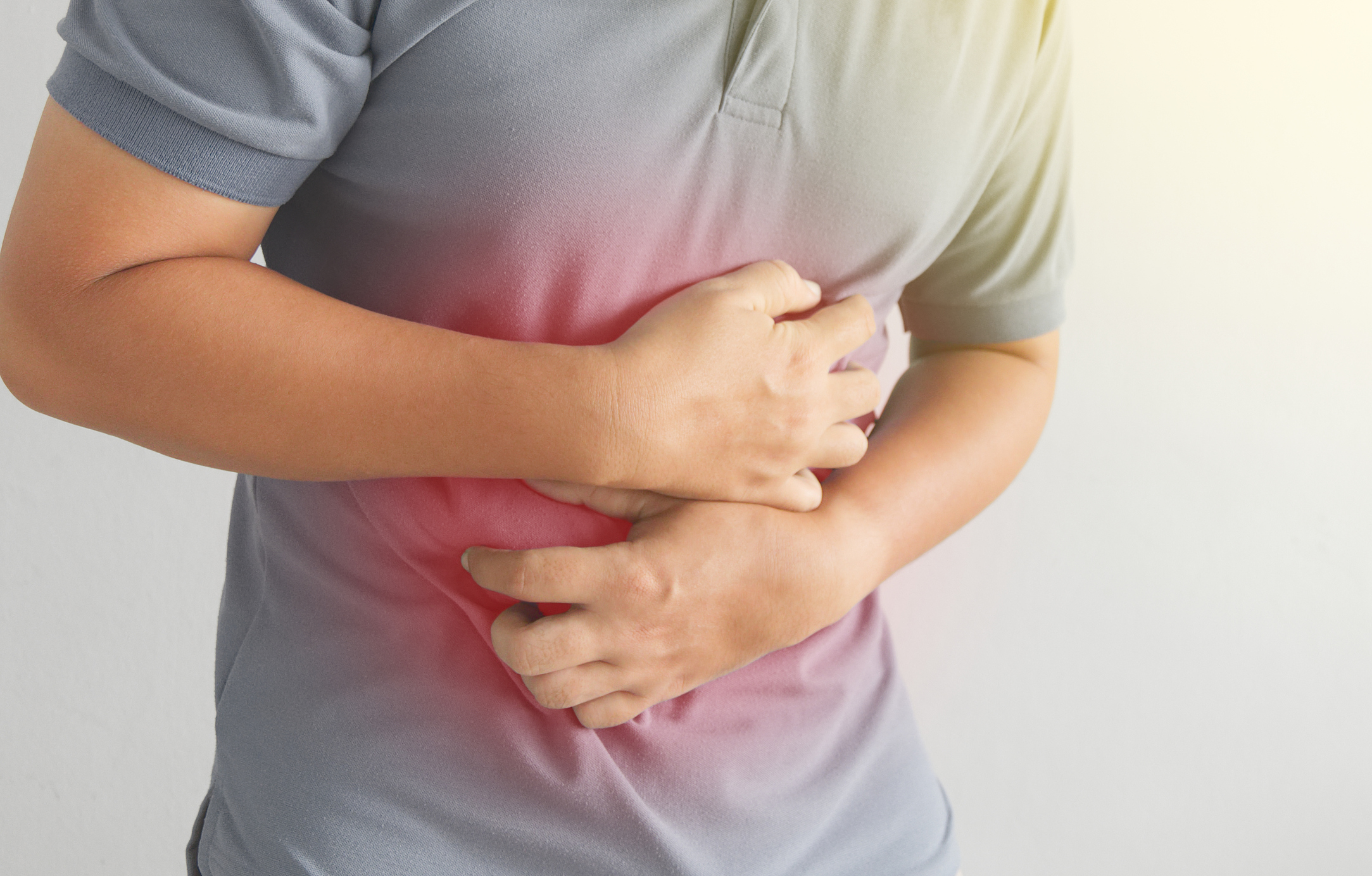
Warning Signs of Appendicitis

Appendicitis, or inflammation of the appendix, can quickly lead to life-threatening complications if left untreated. Inflammation causes the appendix to swell, which can then cause it to burst. When this happens, bacteria spreads throughout your bowels and abdominal cavity, causing infection and eventual sepsis, which can be fatal.

Appendicitis typically causes abdominal pain, nausea, and a loss of appetite. It can be difficult to get the prompt diagnosis and treatment necessary for appendicitis because its symptoms are similar to other, less serious conditions, such as gastroenteritis, urinary tract infections, or inflammatory bowel disease. It can also be particularly challenging for people assigned female at birth due to the similarity between appendicitis pain and menstrual cramps.

In order to identify appendicitis quickly and get the treatment you need to avoid serious complications, it may help to look for one or more of these warning signs:

McBurney’s Sign: A sign that many healthcare providers look for to diagnose appendicitis is tenderness at McBurney’s point, which is located in the lower right quadrant of the abdomen. You can locate this point by drawing a straight line from the right anterior superior iliac spine (ASIS), a projection of bone from your right hip, to your belly button. McBurney’s point is usually located about two inches along the line from the ASIS.

Blumberg’s sign: When your pain becomes worse after pressure is applied and released from the sore area, it could be an indicator of appendicitis. This is known as Blumberg’s sign.

Dunphy’s sign: This indicator refers to coughing that makes your pain worse.

Rovsing’s sign: If placing pressure on your lower left side causes pain on your lower right sign, it is referred to as Rovsing’s sign, which could be a warning sign of appendicitis.

Psoas or obturator sign: This indicator refers to the psoas muscle, which can become irritated by appendicitis if your appendix is located behind your colon rather than in front. If extending your right hip or rotating it outward causes pain, it is referred to as the psoas sign. However, if it hurts to rotate the right hip inward instead, it is the obturator sign, referring to irritation of the obturator internus muscle.

Appendicitis can cause your appendix to burst in as little as two days. If you experience sudden, severe abdominal pain that lasts for several hours, whether or not you notice other warning signs, please dial 911 or visit the nearest emergency room immediately.

All content of this newsletter is intended for general information purposes only and is not intended or implied to be a substitute for professional medical advice, diagnosis or treatment. Please consult a medical professional before adopting any of the suggestions on this page. You must never disregard professional medical advice or delay seeking medical treatment based upon any content of this newsletter. PROMPTLY CONSULT YOUR PHYSICIAN OR CALL 911 IF YOU BELIEVE YOU HAVE A MEDICAL EMERGENCY.

Common Signs of a Stomach Ulcer

Stomach ulcers (also known as peptic ulcers) are common; approximately 1 in 10 Americans will develop one at some point in their lifetime. Ulcers are painful sores that develop in the lining of the stomach or small intestine due to direct exposure to digestive fluids. Normally, these fluids are held back by a protective mucus membrane, but certain factors, such as a Helicobacter pylori (H. pylori) infection or overuse of nonsteroidal anti-inflammatory drugs (NSAIDs), can cause this membrane to weaken, allowing fluids to leak through.

Some of the most common symptoms that may indicate you have a stomach ulcer include:

Burning upper abdominal pain: Many stomach ulcers cause a painful burning sensation above the belly button, which often becomes worse at night or on an empty stomach. This pain can occur intermittently over the course of several days or weeks. It may improve temporarily when using antacids, but the pain will always return eventually.

Stomach fullness: If you have an ulcer, you may find that you feel fuller more of the time and cannot take in as much food as usual. This happens due to inflammation in the lining of the stomach, leaving less room for food.

Bloody stool or vomit: When left untreated, ulcers can start to bleed. This can cause blood to appear in your stool (causing it to look black or like it has dark red blood in it) and vomit (blood may be visibly present or it may look similar to coffee grounds). A bleeding ulcer can also lead to additional complications such as anemia, holes in the stomach lining, blocked intestines, stomach cancer, or life-threatening internal bleeding.

If you notice potential early signs of a stomach ulcer, it’s best to visit a doctor right away. You can schedule an appointment at Flushing Hospital Medical Center’s Ambulatory Care Center by calling (718) 670-5486. If any of your symptoms indicate that the ulcer may be bleeding, please dial 911 or get to the nearest emergency room immediately.

All content of this newsletter is intended for general information purposes only and is not intended or implied to be a substitute for professional medical advice, diagnosis or treatment. Please consult a medical professional before adopting any of the suggestions on this page. You must never disregard professional medical advice or delay seeking medical treatment based upon any content of this newsletter. PROMPTLY CONSULT YOUR PHYSICIAN OR CALL 911 IF YOU BELIEVE YOU HAVE A MEDICAL EMERGENCY.

Wellness Tips For a Healthy Fall Season

The fall season is full of activities and holidays to enjoy with friends and family. However, this part of the year also brings with it many different health concerns that can make the season more difficult to enjoy. There are a few important steps you should take to protect your health and the well-being of your loved ones this fall, including:

Getting vaccinated: A wide range of illnesses become more common during the fall season, such as the flu and COVID-19. The simplest step you can take to effectively protect yourself against these illnesses is to get vaccinated. While vaccination does not make it impossible for you to catch these diseases, it does make getting sick less likely, and if you do get sick, it can significantly reduce the severity of your symptoms.

Spending time outdoors: As the days become shorter throughout the fall, many people experience symptoms of mental conditions such as seasonal affective disorder, a form of depression that typically begins during the fall and continues throughout the winter. These symptoms can be reduced by getting adequate sunlight exposure and spending time on outdoor activities such as walking or jogging.

Wearing appropriate seasonal clothing: Throughout the fall season, the weather gradually becomes colder, making it important to have warm, comfortable clothing, such as long-sleeved shirts and pants, coats, and hats. These can protect you against issues such as dry skin and other cold-related health problems.

If you experience symptoms of a seasonal medical condition, you can schedule an appointment with a doctor at Flushing Hospital Medical Center’s Ambulatory Care Center by calling (718) 670-5486.

All content of this newsletter is intended for general information purposes only and is not intended or implied to be a substitute for professional medical advice, diagnosis or treatment. Please consult a medical professional before adopting any of the suggestions on this page. You must never disregard professional medical advice or delay seeking medical treatment based upon any content of this newsletter. PROMPTLY CONSULT YOUR PHYSICIAN OR CALL 911 IF YOU BELIEVE YOU HAVE A MEDICAL EMERGENCY.

Metastatic Breast Cancer Awareness Day

Metastatic Breast Cancer Awareness Day is observed on October 13th each year to spread awareness about metastatic breast cancer and the need to develop new, targeted treatments that will improve survival rates among patients.

Metastatic breast cancer, also known as advanced or stage four breast cancer, spreads beyond breast tissue to other organs in the body; typically, these include the bones, lungs, liver, and brain. The process through which cancer cells spread to these other organs is called metastasis.

Approximately 6% of all people assigned female at birth who receive a breast cancer diagnosis have metastatic breast cancer. Additionally, most cases of this advanced form of cancer are also cases of recurrent cancer, meaning that it is cancer that returned after previous treatment. This generally occurs when prior treatments did not destroy all cancer cells present at the original affected area.

Despite the fact that metastatic breast cancer spreads to other parts of the body, it is considered and treated as breast cancer. For example, breast cancer that has spread to the bones is still breast cancer (not bone cancer) and is treated with breast cancer drugs, rather than treatments for a cancer that began in the bones.

Treatment for metastatic breast cancer focuses on improving the length and quality of your life. It involves working with your doctor to develop a treatment plan that takes many different factors into account, including:

  • Characteristics of the cancer cells
  • Where the cancer has spread
  • Your current symptoms
  • Age and health
  • Past cancer treatments

The types of treatments available for metastatic breast cancer include chemotherapy, hormone therapy, and drugs that target genes spreading cancerous cells. Clinical trials also offer opportunities for new, experimental treatment options that may be beneficial to you. Talk to your doctor about recommended treatment options that are appropriate for your specific circumstances.

If you need diagnostic testing or treatment for breast cancer, you can work with a cancer care specialist through the MediSys Health Network’s collaborative oncology program with Memorial Sloan Kettering Cancer Center. To schedule an appointment, please call (718) 206-6742.

All content of this newsletter is intended for general information purposes only and is not intended or implied to be a substitute for professional medical advice, diagnosis or treatment. Please consult a medical professional before adopting any of the suggestions on this page. You must never disregard professional medical advice or delay seeking medical treatment based upon any content of this newsletter. PROMPTLY CONSULT YOUR PHYSICIAN OR CALL 911 IF YOU BELIEVE YOU HAVE A MEDICAL EMERGENCY.

5 Warning Signs of Low Testosterone

Testosterone is a hormone that affects appearance, physical development, and sex drive. It is produced by the testicles in people assigned male at birth. People assigned female at birth also produce it in smaller amounts.

Testosterone levels can decrease for several reasons; it’s common for this to occur as people age, but certain medical conditions can also cause levels to drop. This decrease can cause a variety of symptoms, including:

Sexual problems: Lower levels of testosterone decrease sex drive in both men and women and can lead to other issues, such as erectile dysfunction (ED).  Testosterone signals the brain to produce nitric oxide, which leads to chemical reactions that allow the body to achieve and maintain an erection.

Fatigue: Testosterone contributes significantly to energy levels in both men and women; when testosterone production drops, many people experience consistent tiredness, even if they’re getting plenty of sleep.

Mental health problems: People experiencing decreased testosterone production may find that their mood changes rapidly. Additionally, low testosterone can lead to symptoms of anxiety and depression.

Decreased bone and muscle mass: When levels of testosterone decrease, your body’s bone and muscle mass development is also affected. This may not necessarily affect your physical strength, but it does lead to decreased bone density, making you more susceptible to fractures.

Hair loss: Testosterone plays a role in the growth of hair in both men and women. When testosterone levels are decreased, this growth is impacted and no longer occurs at a normal rate, leading to thinning or patchy spots of hair at your hairline, temples, or other parts of your head. This occurs due to lower levels of dihydrotestosterone (DHT); when levels of DHT are too low or too high, hair growth is affected.

If you are experiencing one or more of these symptoms, you can schedule an appointment with an endocrinologist at Flushing Hospital Medical Center’s Ambulatory Care Center by calling (718) 670-5486.

All content of this newsletter is intended for general information purposes only and is not intended or implied to be a substitute for professional medical advice, diagnosis or treatment. Please consult a medical professional before adopting any of the suggestions on this page. You must never disregard professional medical advice or delay seeking medical treatment based upon any content of this newsletter. PROMPTLY CONSULT YOUR PHYSICIAN OR CALL 911 IF YOU BELIEVE YOU HAVE A MEDICAL EMERGENCY.

What Is Oil Pulling, And Can It Benefit Your Dental Health?

Oil pulling is an ancient home remedy that’s purported to significantly improve dental health in a variety of ways. It involves swishing about a tablespoon of oil around your mouth for 15 to 20 minutes, similarly to the way a person would use mouthwash. Most types of oil can be used for oil pulling, but extra virgin coconut oil is used most often.

Some of the commonly-claimed benefits of oil pulling have at least some scientific evidence to support them. These include:

Reducing bacteria in the mouth: Two studies (one for adults and one for children) examining the effects of oil pulling on bacteria in the mouth have found that this practice can be effective for significantly reducing Streptococcus mutans, one of the key bacteria that causes plaque buildup and tooth decay.

Improving bad breath: Some research has also demonstrated that oil pulling can be an effective treatment for bad breath. This benefit is believed to derive from the effectiveness of oil pulling when it comes to eliminating bacteria in the mouth; bad breath is often caused by chemicals and gases produced by these bacteria.

Treating gingivitis: The effectiveness of oil pulling for eliminating oral bacteria can also help with reducing inflammation of the gums (also known as gingivitis). Gingivitis often occurs as a result of the body’s immune system attacking these bacteria.

On the other hand, some of the other supposed benefits of oil pulling do not have any supporting scientific evidence. One common claim, for example, is that oil pulling can draw toxins from the blood; another is that it can whiten your teeth. At this time, no research so far has confirmed either of these claims.

If you’re experiencing dental health problems such as bad breath or gingivitis, it’s important for you to visit a dentist to ensure that you’re receiving the most effective treatment possible. To schedule an appointment at Flushing Hospital Medical Center’s Department of Dental Medicine, please call (718) 670-5521.


All content of this newsletter is intended for general information purposes only and is not intended or implied to be a substitute for professional medical advice, diagnosis or treatment. Please consult a medical professional before adopting any of the suggestions on this page. You must never disregard professional medical advice or delay seeking medical treatment based upon any content of this newsletter. PROMPTLY CONSULT YOUR PHYSICIAN OR CALL 911 IF YOU BELIEVE YOU HAVE A MEDICAL EMERGENCY.

Down Syndrome Awareness Month

Down syndrome is the most common chromosomal condition in the United States. According to the Centers for Disease Control and Prevention (CDC), approximately one in every 700 babies in the United States is born with Down syndrome.  It is most likely to occur in children whose mothers became pregnant with them at 35 years of age or older.

Typically, at the time of conception, a fetus receives genetic information from both parents in the form of 46 chromosomes.  Down syndrome develops as a result of the fetus receiving an extra copy of chromosome 21.  This extra chromosome affects the baby’s physical and mental development.   Some of the physical features and developmental problems associated with Down syndrome include:

  • Flattened face, particularly in the bridge of the nose
  • Almond-shaped eyes that slant up
  • A short neck
  • Small ears
  • A tongue that tends to stick out of the mouth
  • Tiny white spots on the iris (colored part) of the eye
  • Small hands and feet
  • A single line across the palm of the hand (palmar crease)
  • Small pinky fingers that sometimes curve toward the thumb
  • Poor muscle tone or loose joints
  • Shorter in height as children and adults

There are three main types of Down syndrome. Approximately 95% of people with this condition have Trisomy 21, in which each cell of their body has three copies of chromosome 21 instead of the typical two. About 3% of people with Down syndrome have translocation Down syndrome, in which an extra part or whole chromosome 21 is present, but attached to a different chromosome. The rarest form of Down syndrome is mosaic Down syndrome, in which only some cells have an extra copy of chromosome 21.

People with Down syndrome are at greater risk for certain medical problems. Some of these include hearing loss, obstructive sleep apnea, ear infections, eye diseases, and heart defects. Many people who live with Down syndrome are regularly monitored by a doctor to identify these conditions.

While Down syndrome is a lifelong condition, treatments such as speech, occupational, and physical therapy, when initiated at an early stage in life, can help individuals living with it develop to their full physical and intellectual potential. It is essential to work with your doctor during pregnancy to identify whether your child may have Down syndrome, as this will help with getting them the care they need as early as possible.

To speak with a doctor at Flushing Hospital Medical Center about screening or diagnostic testing for Down syndrome during pregnancy, please call (718) 670-5486.

All content of this newsletter is intended for general information purposes only and is not intended or implied to be a substitute for professional medical advice, diagnosis or treatment. Please consult a medical professional before adopting any of the suggestions on this page. You must never disregard professional medical advice or delay seeking medical treatment based upon any content of this newsletter. PROMPTLY CONSULT YOUR PHYSICIAN OR CALL 911 IF YOU BELIEVE YOU HAVE A MEDICAL EMERGENCY.