
What Are The Health Benefits of Pumpkins?

Pumpkins are a favorite fall vegetable for many people and are used as an ingredient in many different foods, including everything from pastries to pancakes, soup, and even curry. While many of the foods and beverages people associate with pumpkins (such as pumpkin spice lattes, for example) don’t actually include pumpkin as an ingredient, the ones that do can offer several significant health benefits.

Eating pumpkin can be helpful when it comes to boosting your immune system, making it easier for your body to fight off disease. This boost comes from the amount of beta carotene contained in pumpkins; beta carotene is partially converted into vitamin A, which is important for strengthening your immunity.

Beta carotene is also helpful when it comes to your eye health, as it improves your retina’s ability to absorb light. Pumpkins also contain several other vitamins and minerals that help protect you against age-related macular degeneration, which causes blurriness and loss in the center of your field of vision. In addition to beta carotene, these vitamins and minerals include vitamin C, vitamin E, and zinc.

Beta carotene, vitamin C, and vitamin E are also antioxidants, which are beneficial for your skin health, with beta carotene particularly providing a boost to your skin’s protection against ultraviolet (UV) rays from the sun; these rays are one of the primary causes of skin cancer in many people.

If you’re considering incorporating more pumpkin into your diet to enjoy these health benefits, one thing to keep in mind is the difference between carving pumpkins (typically used for decorating) and pie pumpkins (typically used for cooking). Carving pumpkins are the larger variety with stringier insides and more water weight. Pie pumpkins are smaller and contain sweeter, richer insides, making them more flavorful and appropriate for usage as an ingredient in your fall dishes.

All content of this newsletter is intended for general information purposes only and is not intended or implied to be a substitute for professional medical advice, diagnosis or treatment. Please consult a medical professional before adopting any of the suggestions on this page. You must never disregard professional medical advice or delay seeking medical treatment based upon any content of this newsletter. PROMPTLY CONSULT YOUR PHYSICIAN OR CALL 911 IF YOU BELIEVE YOU HAVE A MEDICAL EMERGENCY.

What is Merkel Cell Carcinoma?

Merkel cell carcinoma is a rare, aggressive form of skin cancer that only affects an estimated 3,000 Americans each year. It develops in Merkel cells, which are found deep in the outer layer of the skin, and causes them to grow uncontrollably. With this particular type of skin cancer, these cells tend to spread to other parts of the body quickly; additionally, the cancer often returns after treatment.

A person with Merkel cell carcinoma may notice one or more signs of the disease. Tumors typically appears on parts of the skin that have been exposed to the sun, such as the face, neck, or arms. These tumors can appear as shiny, pearly lumps that are:

  • Growing quickly
  • Firm, itchy, tender, and sore
  • Similar in appearance to a pimple or bug bite
  • Approximately the same size as a dime
  • Skin-colored, red, purple, or bluish-red

Merkel cell carcinoma usually develops in men who are fair-skinned and older than 50. This form of skin cancer is caused by exposure to ultraviolet (UV) rays, such as from the sun or artificial sources like tanning beds, as well as other risk factors such as Merkel cell polyomavirus, a common childhood virus that’s present in roughly 80% of people who develop Merkel cell carcinoma. However, despite this link, most people with the virus do not develop this cancer.

A person’s risk of developing Merkel cell carcinoma may also increase if they have other types of skin cancer, a history of severe sunburns, a weakened immune system, or frequently use light therapy (such as for psoriasis or other skin diseases) or take organ transplant medications.

Dermatologists (specialists who treat skin conditions) are the doctors who primarily diagnose and treat Merkel cell carcinoma and other forms of skin cancer. You can schedule an appointment with a dermatologist at Flushing Hospital Medical Center’s Ambulatory Care Center by calling (718) 670-5486.

All content of this newsletter is intended for general information purposes only and is not intended or implied to be a substitute for professional medical advice, diagnosis or treatment. Please consult a medical professional before adopting any of the suggestions on this page. You must never disregard professional medical advice or delay seeking medical treatment based upon any content of this newsletter. PROMPTLY CONSULT YOUR PHYSICIAN OR CALL 911 IF YOU BELIEVE YOU HAVE A MEDICAL EMERGENCY.
National Suicide Prevention Awareness Month

Suicide is currently the 11th leading cause of death in the United States. It can happen for a wide variety of reasons, but some of the most common risk factors include:

  • Personal or family history of suicide attempts
  • Personal or family history of mental disorders or substance use disorders
  • Chronic pain
  • Exposure to family violence, including physical or sexual abuse
  • The presence of firearms in the home
  • Recent release from prison or jail
  • Exposure to suicidal behavior from other people

While suicide is most common among middle-aged people, particularly men, it can happen among people of all ages. Many of the same warning signs apply to both adults and young people, but some may be different. Additionally, not all of these signs necessarily indicate that a person actually intends to commit suicide; however, they can indicate that the person is at risk and may benefit from preventative treatment.

For adults, suicide warning signs to watch out for include:

  • Talking about or planning suicide
  • Anxious, agitated, or reckless behavior
  • Talking about being a burden to others
  • Talking about feeling trapped or experiencing unbearable pain
  • Increased or frequent usage of alcohol and/or drugs
  • Talking about feeling hopeless or having no reason to live
  • Insufficient or excessive sleep
  • Social isolation
  • Extreme moods or mood swings

In addition to the above indicators, warning signs for young people include:

  • Expressing hopelessness about the future
  • Severe or overwhelming emotional pain or distress
  • Anger or hostility that seems increased and/or out of character

Whether or not you believe a person may genuinely commit suicide, do not dismiss these warning signs; they are indicators of serious underlying mental health problems. Let them know that you have recognized changes in their behavior, that they are not alone, and that you are there to support them.  You should also do what you can to make sure that they feel comfortable speaking openly with you about what’s troubling them.

Aside from providing support, the most helpful step you can take for someone who may be at risk of committing suicide is to encourage them to get professional help. You can reach Flushing Hospital Medical Center’s Outpatient Psychiatric Clinic to schedule an appointment or get more information by calling (718) 670-5562.

If you or someone you know is having suicidal thoughts or demonstrating suicidal behaviors, get help immediately. Call 911, 1-800-SUICIDE, or 1-800-273-TALK right away.

All content of this newsletter is intended for general information purposes only and is not intended or implied to be a substitute for professional medical advice, diagnosis or treatment. Please consult a medical professional before adopting any of the suggestions on this page. You must never disregard professional medical advice or delay seeking medical treatment based upon any content of this newsletter. PROMPTLY CONSULT YOUR PHYSICIAN OR CALL 911 IF YOU BELIEVE YOU HAVE A MEDICAL EMERGENCY.
What is the Difference Between Diabetes and Insulin Resistance?

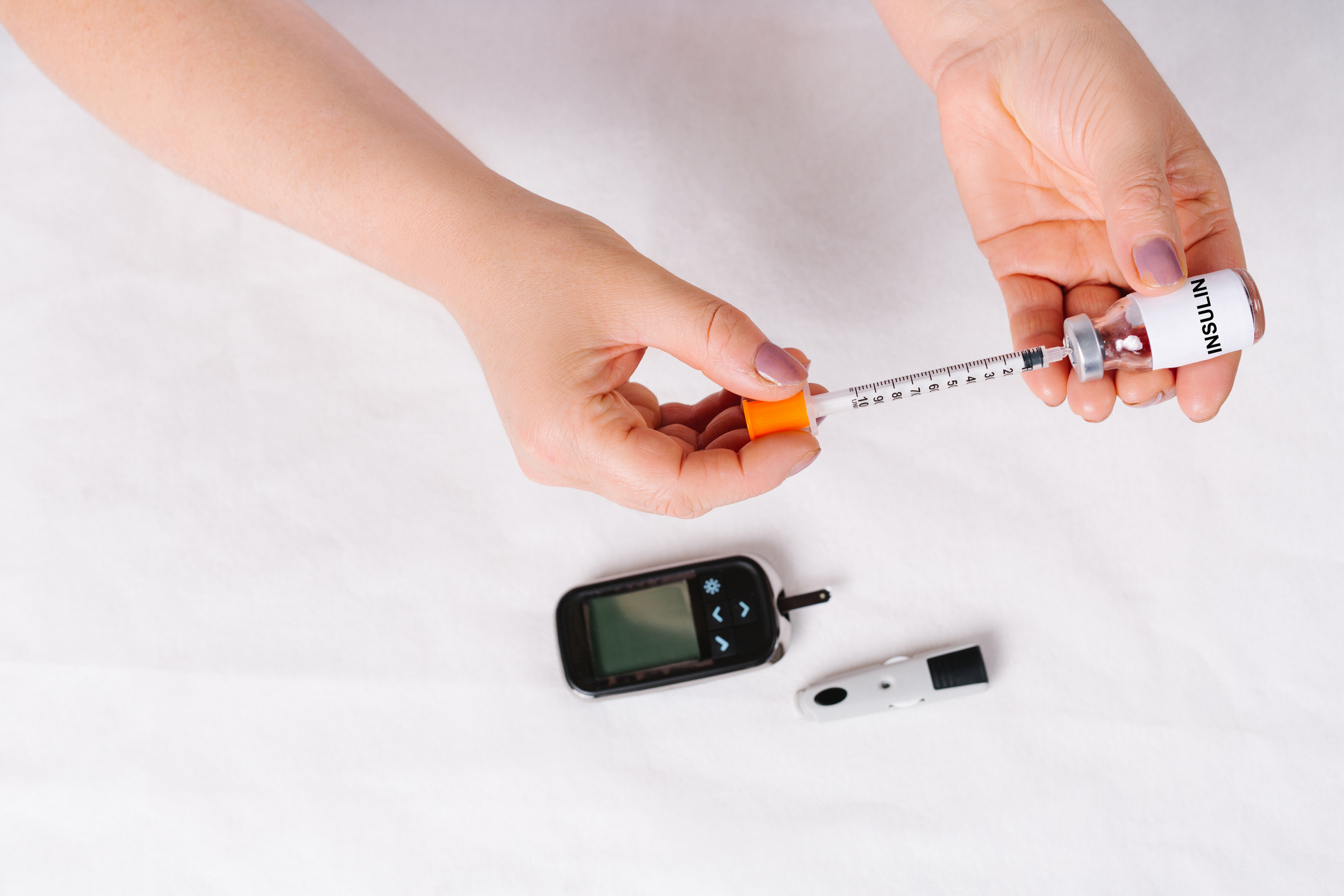
Diabetes and insulin resistance both involve some of the same elements. Specifically, a key factor in both conditions is the inability of the pancreas to produce enough insulin to control blood sugar levels in your body. Insulin allows your cells to absorb sugar from the blood, providing these cells with the energy they need to function and keep blood sugar levels normal.

Despite the similarities in terms of how insulin resistance and diabetes work, not everyone with one has the other. In a person with insulin resistance, cells in the muscles, fat, and liver do not respond as well as they should to insulin; the pancreas may be producing a normal amount of insulin, but because cells are not processing it effectively, this normal amount is not enough to support these cells’ ability to function.

A person with Type 1 or Type 2 diabetes can experience insulin resistance, but not everyone with diabetes is necessarily insulin resistant. Type 2 diabetes can occur as a result of the pancreas not making as much insulin as it’s normally supposed to; while the body’s cells may still be able to process insulin normally, not enough of it is being produced to support cell functions. This also occurs in people with Type 1 diabetes due to their immune system targeting insulin-producing cells in the pancreas.

Insulin resistance also doesn’t necessarily lead to diabetes in everyone who experiences it. While it can progress into prediabetes and, eventually, Type 2 diabetes if left untreated, it’s also associated with other conditions, including cardiovascular disease, fatty liver disease, metabolic syndrome, and polycystic ovary syndrome. Insulin resistance also isn’t necessarily a chronic condition; it can occur temporarily in some people.

If you’re experiencing symptoms of either insulin resistance or diabetes, you can receive treatment from an endocrinologist at Flushing Hospital Medical Center’s Ambulatory Care Center. To schedule an appointment, please call (718) 670-5486.

All content of this newsletter is intended for general information purposes only and is not intended or implied to be a substitute for professional medical advice, diagnosis or treatment. Please consult a medical professional before adopting any of the suggestions on this page. You must never disregard professional medical advice or delay seeking medical treatment based upon any content of this newsletter. PROMPTLY CONSULT YOUR PHYSICIAN OR CALL 911 IF YOU BELIEVE YOU HAVE A MEDICAL EMERGENCY.

National Head Lice Prevention Month

Head lice are parasitic insects that infest people’s hair, eyebrows, and eyelashes, feeding on human blood several times per day. They are not known to spread disease, but they are contagious and can spread through contact with the hair of a person who has them. Aside from direct personal contact, this can also occur through indirect means, such as sharing clothes with a person with head lice or laying on furniture after they’ve used it.

According to the Centers for Disease Control and Prevention, head lice infestations (also known as pediculosis) occur most commonly in the United States among pre-school and elementary school children, as well as among people living in the same household as children within these age groups.

Signs of pediculosis include the feeling of something moving through the hair, itching, the development of sores on the scalp, and difficulty sleeping due to the increased activity of head lice in the dark. A diagnosis is generally made when head lice are found on the scalp.

Preventing the spread of head lice can be challenging, as children are often in close contact with one another throughout each school day. Some steps you can take to protect them (and yourself) from an infestation include:

  • Discouraging your child from sharing clothes or close personal space with someone who may have head lice
  • Regularly combing your child’s hair and encouraging them to practice this habit on their own
  • Stocking up on lice removal kits, shampoos, creams, lotions, and medications

If you notice signs of a head lice infestation in your child, yourself, or another person in your household (and if non-prescription products aren’t helping enough), you can also visit a doctor for treatment. A doctor can prescribe specialized shampoos, lotions, and other products that aren’t available over-the-counter, as well as oral and topical medications.

You can receive treatment for head lice from a doctor at Flushing Hospital Medical Center’s Ambulatory Care Center. To schedule an appointment, please call (718) 670-5486.

All content of this newsletter is intended for general information purposes only and is not intended or implied to be a substitute for professional medical advice, diagnosis or treatment. Please consult a medical professional before adopting any of the suggestions on this page. You must never disregard professional medical advice or delay seeking medical treatment based upon any content of this newsletter. PROMPTLY CONSULT YOUR PHYSICIAN OR CALL 911 IF YOU BELIEVE YOU HAVE A MEDICAL EMERGENCY.
Back-To-School Health Tips

Both the new school year and flu season are approaching, and with other viral illnesses such as respiratory syncytial virus (RSV) and COVID-19 continuing to spread, it’s important to prepare your child with effective habits and strategies for staying healthy. Follow these tips to keep them (and the rest of your family) disease-free this fall:

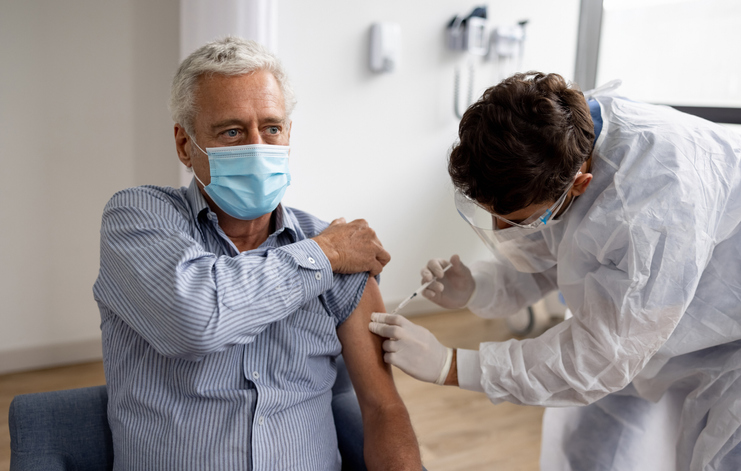
Get your child vaccinated: Many schools require students to receive the immunizations recommended by the Centers for Disease Control and Prevention (CDC) for their age group. This is a simple, effective method for boosting your child’s natural protection against some of the most common diseases they are likely to be exposed to at school.

Emphasize good hand-washing habits: Your child can come into contact with many different types of germs, bacteria, and viruses while they’re at school or traveling to or from home. Some of these substances, such as cold germs, can live for up to 24 hours on hard surfaces and up to an hour on hands; others, such as the flu, can last much longer, living on hard surfaces for up to 48 hours. Regular, thorough hand-washing is essential for minimizing your child’s contact with these germs and reducing their likelihood of becoming infected.

Take your child to a doctor if they feel sick: If your child starts to feel ill, you can reduce the amount of time they spend feeling sick (and, potentially, the amount of school days they may have to miss) by taking them to a doctor right away. A doctor can prescribe certain medications, such as antivirals or antibiotics (depending on whether your child has a virus or bacterial infection), and recommend other medications and treatments for relieving their symptoms effectively.

If your child has an infection, you can receive specialized treatment at Forest Hills Pediatric Specialists. To schedule an appointment or for more information about the office, please call (718) 704-5020.

All content of this newsletter is intended for general information purposes only and is not intended or implied to be a substitute for professional medical advice, diagnosis or treatment. Please consult a medical professional before adopting any of the suggestions on this page. You must never disregard professional medical advice or delay seeking medical treatment based upon any content of this newsletter. PROMPTLY CONSULT YOUR PHYSICIAN OR CALL 911 IF YOU BELIEVE YOU HAVE A MEDICAL EMERGENCY.

COVID-19 Boosters: Everything You Should Know to Stay Up-To-Date

Since the beginning of the COVID-19 pandemic, new variants of the virus have emerged, causing surges in infections and hospitalizations over time. Staying up to date with your vaccinations is essential for protecting yourself against this evolving health threat. However, recommendations may be different for some people based on factors such as age or other health concerns.

The Centers for Disease Control and Prevention (CDC) recommend that you receive the latest COVID-19 vaccine regardless of whether you received the original doses; the newest version of the vaccine is expected to be available during fall 2023. Additional recommendations include:

  • Children between six months and four years old who receive the Pfizer-BioNTech vaccine should get three doses, including at least one dose of the latest vaccine
  • Children aged five years or older who receive the Pfizer-BioNTech vaccine should get at least one dose of the updated vaccine
  • Children between six months and five years old receiving the Moderna vaccine should get two doses, including at least one dose of the latest vaccine
  • People who are unable or choose not to get a recommended mRNA vaccine should get the Novavax COVID-19 vaccine doses approved for their age group
  • People who got the Johnson & Johnson/Janssen COVID-19 vaccine should get one dose of the updated COVID-19 vaccine

If you are aged 65 or older, you are also eligible to receive an additional dose of the updated vaccine at least four months after your first dose. People who are moderately or severely immunocompromised may receive an additional dose of the vaccine at least two months after their first dose.

You can receive the latest COVID-19 vaccine at Flushing Hospital Medical Center’s Ambulatory Care Center. To schedule an appointment, please call (718) 670-5486.

All content of this newsletter is intended for general information purposes only and is not intended or implied to be a substitute for professional medical advice, diagnosis or treatment. Please consult a medical professional before adopting any of the suggestions on this page. You must never disregard professional medical advice or delay seeking medical treatment based upon any content of this newsletter. PROMPTLY CONSULT YOUR PHYSICIAN OR CALL 911 IF YOU BELIEVE YOU HAVE A MEDICAL EMERGENCY.

What are Cognitive Distortions?

Our thought patterns play a large role in the way we view the world around us, including things like our relationships, jobs, and living circumstances. The more experiences we have, the more patterns of thought we develop. Unfortunately, these patterns can often lead you to draw conclusions or interpret events in a way that is not actually based on facts or reality, typically in a negative way. When these false interpretations become a habitual way of thinking, they become cognitive distortions.

People often develop cognitive distortions in response to negative life situations as a coping mechanism. While they are not considered a form of mental illness on their own, they may be more likely to occur because of one.

Several types of cognitive distortions are particularly common. Some of these include:

  • Polarized thinking (thinking in extremes without considering all relevant facts)
  • Overgeneralization (applying a conclusion about one event to too many other events)
  • Catastrophizing (assuming the worst conclusion despite a lack of evidence)
  • Personalization (taking things personally that are not necessarily connected to you)
  • Mind reading (assuming to know what other people are thinking)
  • Mental filtering (ignoring positive things and focusing exclusively on the negatives)
  • Emotional reasoning (believing that emotions indicate the reality of a situation)
  • Labeling (classifying things in a negative way based on one negative event)

If you’re experiencing cognitive distortions, there are steps you can take to break out of these habitual ways of thinking. Once you’ve identified the thought, it can help to consider alternative evidence or interpretations that challenge your initial conclusion. Additionally, you may want to think in terms of how your initial thought is benefitting you as opposed to other conclusions.

Cognitive distortions can contribute to or indicate mental health problems such as anxiety or depression. Flushing Hospital Medical Center’s Psychiatric Department offers a variety of approaches to therapy that can help you achieve an improved state of mind and quality of life. To learn more or schedule an appointment, please call (718) 670-5562.

All content of this newsletter is intended for general information purposes only and is not intended or implied to be a substitute for professional medical advice, diagnosis or treatment. Please consult a medical professional before adopting any of the suggestions on this page. You must never disregard professional medical advice or delay seeking medical treatment based upon any content of this newsletter. PROMPTLY CONSULT YOUR PHYSICIAN OR CALL 911 IF YOU BELIEVE YOU HAVE A MEDICAL EMERGENCY.

Mental Health For New Mothers

Flushing Hospital Medical Center’s New Beginnings unit provides women in our community and their families with the ultimate birthing experience. Each month, we cover a new topic exploring an important aspect of health and well-being for expectant mothers. This month, we’ll discuss some important details concerning mental health.

According to the American College of Obstetricians and Gynecologists, anxiety and mood disorders are some of the most common complications to occur during pregnancy or within the first year after delivery. Some of these conditions include:

  • Baby blues
  • Major depression
  • Bipolar disorder
  • Anxiety disorders
  • Schizophrenia
  • Postpartum psychosis
  • Borderline personality disorder
  • Post-traumatic stress disorder
  • Obsessive compulsive disorder

While common, mental health disorders are frequently undiagnosed or inadequately treated. Therefore, if you begin to experience mental health problems as a new or expectant mother, make sure to discuss them with your obstetrician, who can offer recommendations for helpful activities and lifestyle adjustments, as well as prescribe medication when necessary. Your doctor can also provide a referral to a licensed mental health care provider who can offer specialized treatment for any psychiatric condition you experience.

Flushing Hospital’s New Beginnings unit offers spacious, modern delivery suites and advanced postpartum care, providing you with a safe environment to give birth and comprehensive follow-up medical support for you and your baby. To learn more about the unit, including accommodations and services provided, please call us at (718) 670-5702.

All content of this newsletter is intended for general information purposes only and is not intended or implied to be a substitute for professional medical advice, diagnosis or treatment. Please consult a medical professional before adopting any of the suggestions on this page. You must never disregard professional medical advice or delay seeking medical treatment based upon any content of this newsletter. PROMPTLY CONSULT YOUR PHYSICIAN OR CALL 911 IF YOU BELIEVE YOU HAVE A MEDICAL EMERGENCY.

What is Prediabetes?

Prediabetes refers to a person’s blood sugar level being higher than normal. It can potentially cause skin to become darker in certain parts of the body, such as the neck, armpits, and groin; however, in most cases, it does not cause any identifiable signs or symptoms.

Prediabetes occurs when your body can no longer process glucose properly, causing it to accumulate in your bloodstream. This can happen as a result of the pancreas’ inability to produce sufficient amounts of insulin, or because your cells have developed a resistance to insulin.

A variety of factors can increase your likelihood of developing prediabetes and, by extension, type 2 diabetes. They include:

  • Family history
  • Black, Hispanic, Native American, or Asian background
  • Being over 35 years of age
  • Lack of physical activity
  • Being overweight or obese
  • Consuming a diet high in red or processed meat and sugary drinks
  • Smoking

Additionally, several conditions can also increase your risk of developing prediabetes or type 2 diabetes, such as:

  • Gestational diabetes (diabetes during pregnancy)
  • Polycystic ovary syndrome
  • Sleep apnea
  • High blood pressure
  • High triglyceride levels
  • Low levels of high-density lipoprotein (“good”) cholesterol
  • High blood sugar levels
  • Metabolic syndrome

You may still be able to avoid developing type 2 diabetes if you have prediabetes. The most beneficial steps you can take to prevent this progression include:

  • Developing a regular exercise routine
  • Improving your diet by replacing unhealthy foods with more nutritious options
  • Quitting or avoiding smoking
  • Maintaining a healthy weight
  • Working with a doctor to monitor your health and control potential risk factors such as high blood pressure

If you are at risk for prediabetes, you can schedule an appointment for diagnosis and treatment from a board-certified doctor at Flushing Hospital Medical Center’s Ambulatory Care Center by calling (718) 670-5486.

All content of this newsletter is intended for general information purposes only and is not intended or implied to be a substitute for professional medical advice, diagnosis or treatment. Please consult a medical professional before adopting any of the suggestions on this page. You must never disregard professional medical advice or delay seeking medical treatment based upon any content of this newsletter. PROMPTLY CONSULT YOUR PHYSICIAN OR CALL 911 IF YOU BELIEVE YOU HAVE A MEDICAL EMERGENCY.