
Meet Our Doctors: Dr. Morteza Modaber

Dr. Morteza Modaber, Director of Neurology at Jamaica Hospital and Flushing Hospital Medical Center.We are is pleased to introduce Dr. Morteza Modaber, the new Director of Neurology for both Jamaica Hospital and Flushing Hospital Medical Center.

Dr. Modaber obtained his medical degree at Shahid Behesti University of Medical Sciences in Tehran, Iran, before coming to practice medicine in the United States. After four years of neuromodulation research at the University of California, Los Angeles, he completed an internship program in internal medicine at SUNY Upstate Medical University from 2016 to 2017. He then completed a residency program in neurology at the Zucker School of Medicine at Hofstra/Northwell from 2017 to 2020, where he also completed a fellowship program in vascular neurology.

Part of what Dr. Modaber finds so engaging about his new role is the opportunity it offers to serve unmet needs for patients living in Queens. “There’s a massive need in the Queens community for neurological care,” said Dr. Modaber. “There isn’t enough access to medical professionals with a neurological background. I’m very excited to be able to help provide that care.”

Both the community he serves and the people that he works with bring joy and purpose to Dr. Modaber’s career. “Our hospitals and the communities they serve are melting pots of different cultures and different groups of people from a variety of backgrounds. I’m very happy to be working in an environment where diversity is celebrated,” said Dr. Modaber.

As Director of Neurology, Dr. Modaber plans to expand the Neurology Department in ways that will allow it to provide comprehensive neurological care to the Queens community. “I want to be able to offer people in Queens the best neurological care they can get in New York without having to take a long trip to Manhattan, Long Island, or somewhere else to get it,” said Dr. Modaber. “We’ve been recruiting a lot of highly-skilled people and are well on our way to achieving that goal.”

We are proud to welcome Dr. Modaber to our team and looks forward to the work that he and the rest of the Neurology Department will do to provide high-quality neurological care to our community.

All content of this newsletter is intended for general information purposes only and is not intended or implied to be a substitute for professional medical advice, diagnosis or treatment. Please consult a medical professional before adopting any of the suggestions on this page. You must never disregard professional medical advice or delay seeking medical treatment based upon any content of this newsletter. PROMPTLY CONSULT YOUR PHYSICIAN OR CALL 911 IF YOU BELIEVE YOU HAVE A MEDICAL EMERGENCY.
Will You Need a C-Section to Deliver Your Baby?

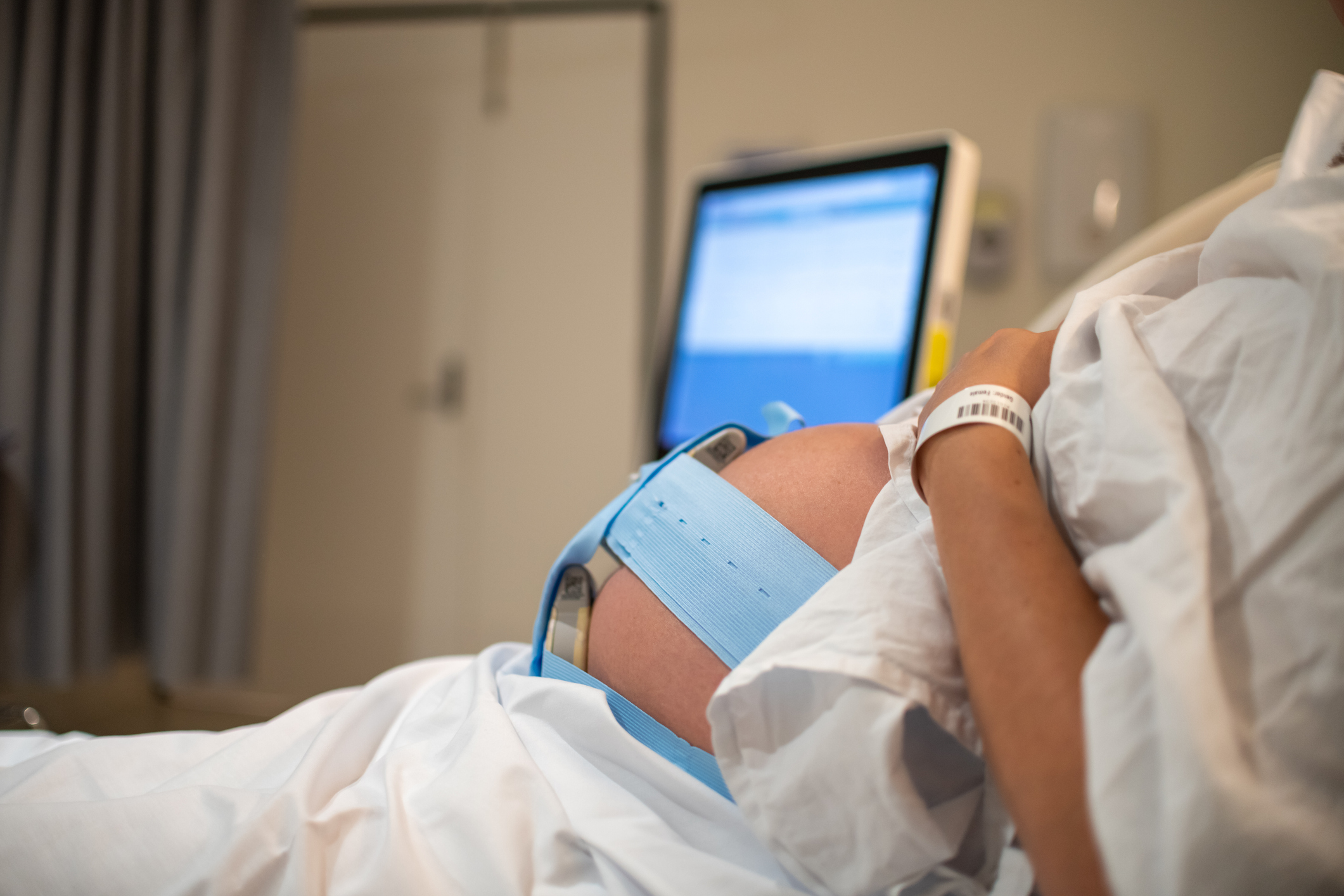
A woman laying in a hospital bed going into labor while connected to a monitor.Flushing Hospital Medical Center’s New Beginnings unit provides the women in our community and their families with the ultimate birthing experience. Each month, we cover a new topic exploring an important aspect of health and well-being for expectant mothers. This month, we’ll discuss some of what you need to know about cesarean birth (also known as a C-section).

During a C-section, your baby is delivered through incisions made in your abdomen and uterus. This happens when the health risks of vaginal delivery are too significant for either yourself or your baby. It can be planned ahead of time if:

  • You experience serious medical conditions that could worsen with a vaginal birth
  • You’ve had a previous C-section
  • You’re expecting multiple babies
  • Your baby’s exit from the cervix is obstructed
  • Your baby is in an abnormal position in your uterus

Even if these factors do not apply to you, unforeseen circumstances can occur that make a C-section necessary for safely delivering your baby, such as when:

  • You experience prolonged labor
  • Your baby develops an irregular heart rate
  • The umbilical cord compresses your baby’s head, neck, or body, or comes out of the cervix before the baby
  • The placenta separates from the wall of your uterus, preventing your baby from receiving oxygen and nutrients

Flushing Hospital’s New Beginnings unit offers spacious, modern delivery suites and advanced postpartum care, providing you with a safe environment to give birth and comprehensive follow-up medical support for you and your baby. To learn more about the unit, including accommodations and services provided, please call us at (718) 670-5702.

All content of this newsletter is intended for general information purposes only and is not intended or implied to be a substitute for professional medical advice, diagnosis or treatment. Please consult a medical professional before adopting any of the suggestions on this page. You must never disregard professional medical advice or delay seeking medical treatment based upon any content of this newsletter. PROMPTLY CONSULT YOUR PHYSICIAN OR CALL 911 IF YOU BELIEVE YOU HAVE A MEDICAL EMERGENCY.
Depression in Older Adults

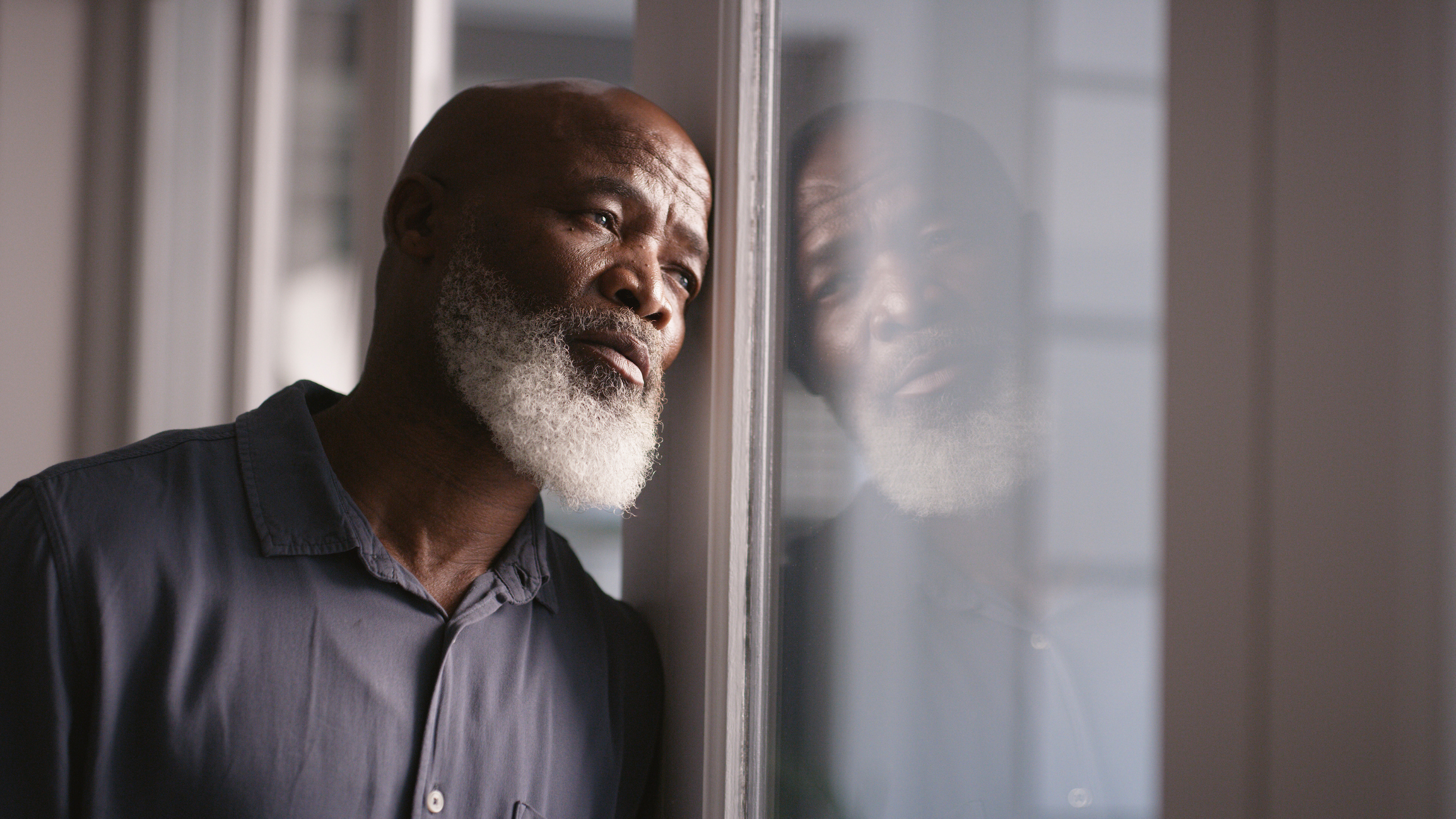
A man with a sad expression staring out a window.Older adults face a higher risk of experiencing depression than younger people. However, this does not mean that depression is a normal part of aging. Like many other health problems that can develop as we get older, depression is a medical condition that needs to be managed and treated under the direction of a doctor.

It may not always be clear whether what you’re experiencing is depression. It’s normal to feel sadness over things such as major life changes, difficulty coping with long-term medical conditions, or the loss of loved ones as we get older, even if that sadness lasts for a long period of time. However, this feeling of sadness is not necessarily the same thing as depression. Some signs that you may be depressed include:

  • Loss of interest in activities you previously enjoyed
  • Frequent negative feelings, such as hopelessness, guilt, or low self-esteem
  • Fatigue and difficulty with thinking and concentrating
  • Overeating or loss of appetite
  • Insomnia or excessive sleeping
  • Frequent aches and pains that do not improve with treatment
  • Thoughts of suicide

While most older adults do not experience depression, those who experience chronic health conditions are significantly more likely to develop it. According to the Centers for Disease Control and Prevention (CDC), approximately 5% of older adults in general are depressed, but this number rises to 13.5% in people who require home health care and 11.5% in those who are hospitalized.

Healthy lifestyle habits such as regular physical exercise, a balanced diet, sufficient sleep, and frequent socialization are all helpful for preventing depression or coping with its symptoms as we age. Additionally, most older adults who experience depression respond positively to treatment that includes psychotherapy, antidepressant medication, or both.

You can receive treatment for depression from a psychiatrist at Flushing Hospital Medical Center’s Outpatient Psychiatric Clinic. To schedule an appointment, please call (718) 670-5562.

All content of this newsletter is intended for general information purposes only and is not intended or implied to be a substitute for professional medical advice, diagnosis or treatment. Please consult a medical professional before adopting any of the suggestions on this page. You must never disregard professional medical advice or delay seeking medical treatment based upon any content of this newsletter. PROMPTLY CONSULT YOUR PHYSICIAN OR CALL 911 IF YOU BELIEVE YOU HAVE A MEDICAL EMERGENCY.
Control Your Blood Pressure in the New Year

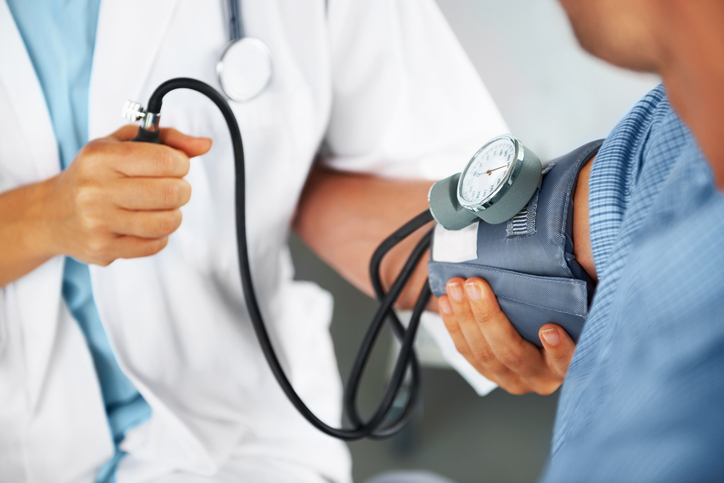
A doctor measuring a patient's blood pressure.It is the beginning of the New Year and many of us will make resolutions to do things better than the previous year. For many people this means living healthy, losing weight, and keeping our blood pressure under control.

High blood pressure affects one in three Americans. If not controlled well it can lead to kidney problems, damaged blood vessels, stroke, and heart attacks. There are many factors that can cause blood pressure to be elevated including obesity, stress, smoking, high sodium diets and elevated cholesterol. Ideally, managing some of these factors can help to maintain a blood pressure that is as close to normal range (120/80mmHg) as possible.

There are many ways that doctors can help us to control our blood pressure, Your doctor can prescribe medication that will help. Additionally other methods include:

  • Quitting smoking
  • Lose weight
  • Stress reduction
  • Exercise regularly
  • Eat less salty food
  • Eliminate beverages that contain caffeine
  • Eat dark chocolate
  • Cut back on sugar
  • Drink less alcohol

Keeping your blood pressure under control is probably one of the most important things you can do to keep yourself healthy. Speak to your doctor about methods that would work best for you.

If you would like to schedule an appointment with a doctor at Flushing Hospital Medical Center to discuss how you can lower your blood pressure in 2024, please call 718-670-5486.

All content of this newsletter is intended for general information purposes only and is not intended or implied to be a substitute for professional medical advice, diagnosis or treatment. Please consult a medical professional before adopting any of the suggestions on this page. You must never disregard professional medical advice or delay seeking medical treatment based upon any content of this newsletter. PROMPTLY CONSULT YOUR PHYSICIAN OR CALL 911 IF YOU BELIEVE YOU HAVE A MEDICAL EMERGENCY.

National Birth Defects Prevention Month

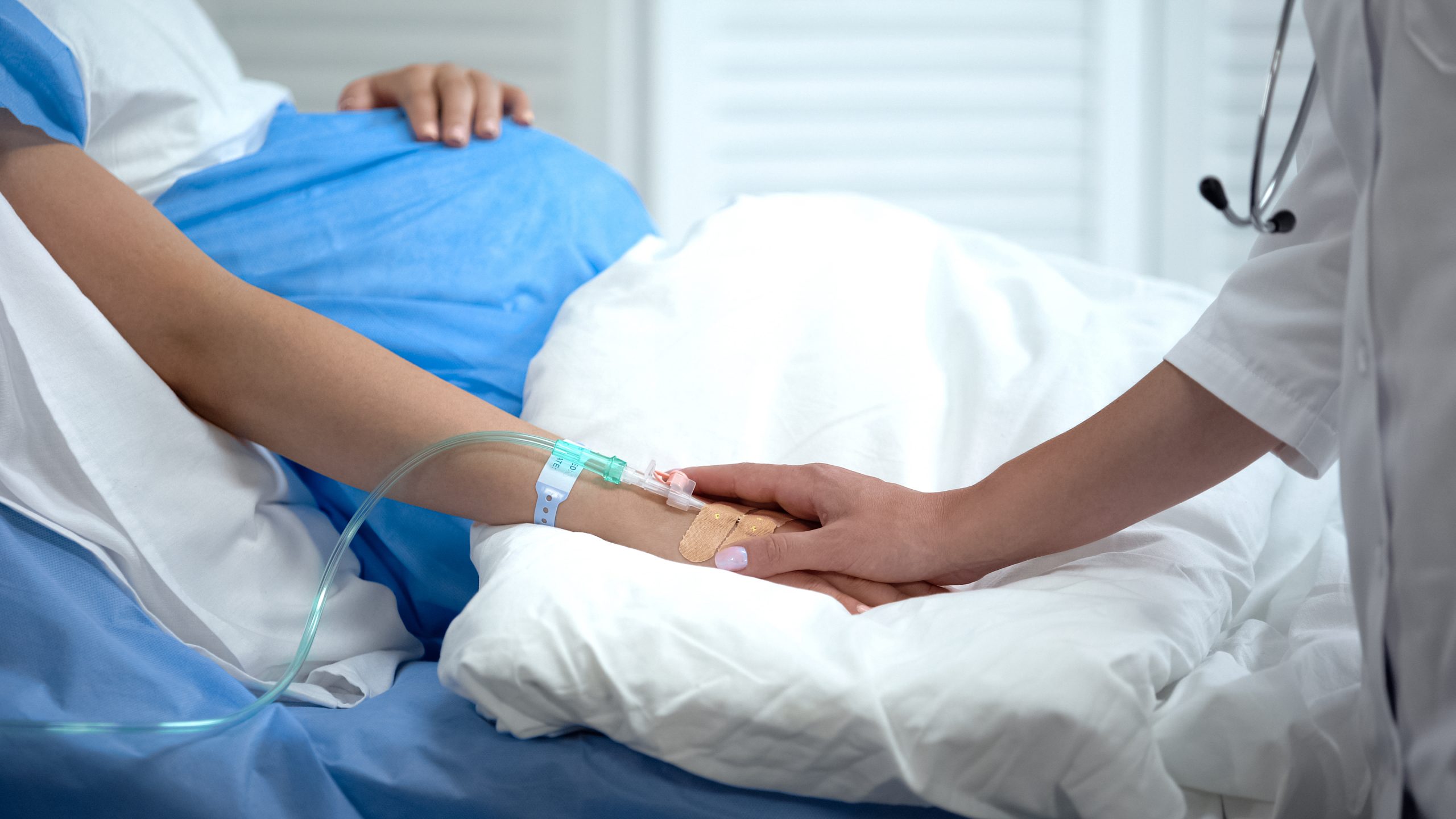
Doctor holding pregnant woman's hand with catheter.According to the Centers for Disease Control and Prevention (CDC), birth defects occur in approximately one out of every 33 babies born in the United States each year. Birth defects generally appear during fetal development and can cause a wide range of medical problems in children, such as physical deformities, physical or mental developmental impairments, and potentially fatal diseases such as sickle cell anemia.

While some birth defects happen due to avoidable factors during pregnancy, not all causes are preventable. However, it’s still important to know the most common ways birth defects occur so that you can prevent these causes (when possible) or manage symptoms effectively as your child ages. Typical causes of birth defects include:

Genetic factors: Conditions such as Down syndrome, as well as inherited medical conditions, occur due to abnormalities in the child’s chromosomes, which contain genes and control physical development. While these defects are not necessarily preventable in your child, it can help for you to get genetic testing done before pregnancy to screen for potential medical problems that your child could inherit.

Exposure to substances: Substances such as alcohol, caffeine, prescription medications, and non-prescription drugs can all contribute to your child’s likelihood of developing a birth defect. Make sure to discuss any medications you take with your doctor before getting pregnant and to avoid alcohol and caffeine as much as possible while pregnant.

Complications during pregnancy: Birth defects can occur due to complications that occur during pregnancy, such as infections, amniotic band syndrome, or a lack of amniotic fluid around the fetus in your uterus. Talk to your doctor about ways you can keep yourself and your baby healthy during pregnancy and prevent these complications from occurring.

Other risk factors, including age and chronic medical conditions such as diabetes and obesity, can also increase your baby’s likelihood of developing birth defects.

You can get help from a specialist at Flushing Hospital Medical Center’s Women’s Health Department to manage risks during pregnancy and keep yourself and your baby healthy. To schedule an appointment, please call (718) 670-5702.

All content of this newsletter is intended for general information purposes only and is not intended or implied to be a substitute for professional medical advice, diagnosis or treatment. Please consult a medical professional before adopting any of the suggestions on this page. You must never disregard professional medical advice or delay seeking medical treatment based upon any content of this newsletter. PROMPTLY CONSULT YOUR PHYSICIAN OR CALL 911 IF YOU BELIEVE YOU HAVE A MEDICAL EMERGENCY.

Outdoor Exercises For Winter Weather

Young male runner preparing his sneakers for running. Tying shoelaces on a snowy road.It can be easy to use the cold winter weather as an excuse to stay inside and avoid outdoor physical activities. However, many forms of outdoor exercise are actually well-suited to lower temperatures and can even offer some added benefits, assuming that you take the appropriate precautions to protect your health. A few of these recommended outdoor exercises include:

Running: Winter is a great time to go out for a run. Running is a simple way to incorporate moderately intense aerobic exercise into each week; the Centers for Disease Control and Prevention (CDC) recommends an average of 150 minutes of this type of exercise each week. Running in cold temperatures may also increase your metabolism, making it easier to burn excess calories. Make sure to wear two layers (including a jacket) and appropriately-fitting running shoes.

Ice Skating: Another popular outdoor winter activity that can double as a great form of exercise is ice skating. It’s a low-impact type of aerobic exercise, meaning that it puts minimal stress on your joints. It can also be helpful for improving your balance and strengthening your leg muscles. In order to avoid injury or medical problems due to the cold weather, make sure to wear appropriately-fitting skates and additional layers of clothing.

Snow Shoveling: While shoveling snow is typically more of a chore than a popular exercise choice, it does offer a few benefits for your physical health. Snow shoveling requires effort from your legs and arms to lift and move snow, strengthening muscles in these parts of your body. As with other outdoor exercises, make sure to wear an appropriate number of layers of clothing. Additionally, make sure to lift from your legs to avoid injuries to your back, and take frequent rests as needed to avoid over-stressing your heart. 

If you experience medical problems while exercising, you can schedule an appointment with a doctor at Flushing Hospital Medical Center’s Ambulatory Care Center. To schedule an appointment, please call (718) 670-5486.


All content of this newsletter is intended for general information purposes only and is not intended or implied to be a substitute for professional medical advice, diagnosis or treatment. Please consult a medical professional before adopting any of the suggestions on this page. You must never disregard professional medical advice or delay seeking medical treatment based upon any content of this newsletter. PROMPTLY CONSULT YOUR PHYSICIAN OR CALL 911 IF YOU BELIEVE YOU HAVE A MEDICAL EMERGENCY.

Holiday Loneliness

Lonely senior woman sitting at home in Christmas celebration. Close-up of an elderly woman's hand against background of decorated Christmas tree. For a variety of reasons, many people may feel particularly lonely during the holiday season. In some cases, it can be due to the loss of a loved one who they would normally spend the holidays with; for others, it may be due to illnesses or other circumstances that isolate them from friends and family members.

No matter your personal situation, there are steps you can take to help either yourself or someone else feel less lonely during the holidays. Some of these steps include:

Calling family members or friends you don’t talk to often: If you feel disconnected from family members or friends during the holiday season, this may be a great time to give them a call and check in on them.

Joining a community or volunteer group: If you don’t have any plans or expectations of seeing anyone during the holidays, you may be able to find opportunities to participate in local community events. You may also be able to volunteer your time either at these events or at other needed places during the holidays.

Finding activities to enjoy on your own: It’s perfectly okay to enjoy the holiday season on your own doing things that you enjoy, whether it involves activities at home, going out to enjoy activities.

Loneliness during the holidays may be harder for some people to cope with than others; don’t be afraid or ashamed of seeking help from a mental health professional. You can schedule an appointment at Flushing Hospital Medical Center’s Outpatient Psychiatric Clinic by calling (718) 670-5562.

All content of this newsletter is intended for general information purposes only and is not intended or implied to be a substitute for professional medical advice, diagnosis or treatment. Please consult a medical professional before adopting any of the suggestions on this page. You must never disregard professional medical advice or delay seeking medical treatment based upon any content of this newsletter. PROMPTLY CONSULT YOUR PHYSICIAN OR CALL 911 IF YOU BELIEVE YOU HAVE A MEDICAL EMERGENCY.

Holiday Mental Health Tips

Woman in Santa hat looking frustrated in front of Christmas tree.Despite the cheerfulness surrounding the holiday season, it can also be a difficult time for many people, bringing with it a variety of mental and emotional challenges. Some people may associate the season with a significant loss of a loved one, while others may become overwhelmed by the typical demands and expectations that come with this part of the year.

Whatever these challenges may look like for you, it’s essential to have healthy tools and coping mechanisms to help you overcome them while getting as much joy as possible out of the holiday season. A few helpful tips include:

Spending time with other people: A large number of people tend to feel lonely during the holidays. Some people may be distant from loved ones or may have lost multiple people they’d typically spend this time with. Whatever your circumstances may be, it can be helpful to spend time with any loved ones who are available, whether they’re friends, family, or any other important people in your life. If nothing else, it may help to find a local community, support group, club, or meetup to engage with during this time.

Giving yourself space as needed: While many people may feel lonely during the holiday season, others may encounter the opposite problem: feeling overwhelmed by gatherings, events, and expectations from the people around them. It’s okay to recognize and be up front about what you’re able to handle at this point in time, and to say no to anything that you feel would be too much for you.

Recognizing when you need help: It may not be easy for everyone to identify when they need mental help, or to make time to get that help, even if they recognize that it’s needed. However, your mental health should be a priority at all times, and you should get help from a licensed, qualified therapist when issues such as stress, anxiety, or depression start to overwhelm you.

If you need help from a psychiatrist during this holiday season, you can schedule an appointment at Flushing Hospital Medical Center’s Outpatient Psychiatric Clinic by calling (718) 670-5562.

All content of this newsletter is intended for general information purposes only and is not intended or implied to be a substitute for professional medical advice, diagnosis or treatment. Please consult a medical professional before adopting any of the suggestions on this page. You must never disregard professional medical advice or delay seeking medical treatment based upon any content of this newsletter. PROMPTLY CONSULT YOUR PHYSICIAN OR CALL 911 IF YOU BELIEVE YOU HAVE A MEDICAL EMERGENCY.

What Can Cause Delayed Puberty in Children?

Puberty typically starts between the ages of 9 and 14 for boys and between the ages of 8 and 13 for girls. However, some children may experience this process later than normal. This usually does not indicate a medical problem, but in some cases, it can be caused by genetic factors or an underlying condition.

Delayed puberty is defined as a lack of increase in testicle size by the age of 14 for boys and a lack of increase in breast development by the age of 13 for girls. Even if a child is experiencing other indicators of puberty, such as public hair growth or body odor, they may still meet the definition of delayed puberty.

Some of the medical conditions that can cause delayed puberty include cardiac problems, celiac disease, Klinefelter syndrome (in boys), Turner syndrome (in girls), and conditions that disrupt normal hormonal processes. Delayed puberty may also result from hereditary factors. If one or both of a child’s parents experienced puberty at a slower rate than most children, it is more likely that it will happen to that child, as well.

Many cases of delayed puberty (particularly in boys) are also associated with constitutional growth delay (CGD). CGD causes skeletal growth to be temporarily delayed. While potentially alarming, this delay is recognized as a normal part of physical development for some children and is not a cause for concern.

Treatment for delayed puberty often involves hormone therapy to jumpstart the overall process. However, it also partially depends on the factors that are causing it to occur. If the delay is the result of an underlying medical problem, treatment will also need to focus on resolving or managing that problem. Aside from a physical examination, these problems can be diagnosed through x-ray imaging (to look at bone development) and blood tests (to check hormone levels and identify signs of underlying disorders).

If your child is experiencing delayed puberty, you can visit a pediatric endocrinologist at Forest Hills Pediatric Specialists. To schedule an appointment, please call (718) 704-5020.

All content of this newsletter is intended for general information purposes only and is not intended or implied to be a substitute for professional medical advice, diagnosis or treatment. Please consult a medical professional before adopting any of the suggestions on this page. You must never disregard professional medical advice or delay seeking medical treatment based upon any content of this newsletter. PROMPTLY CONSULT YOUR PHYSICIAN OR CALL 911 IF YOU BELIEVE YOU HAVE A MEDICAL EMERGENCY.

How Should You Prepare for an X-Ray?

X-rays are typically used to created detailed images of your bones and soft tissues. These images help to diagnose medical problems such as bone fractures, structural issues, or foreign objects in your body, all of which can cause symptoms such as pain, swelling, or impaired physical functionality. An x-ray creates these images using a small amount of ionizing radiation.

The minimal amount of radiation exposure that occurs during an x-ray poses few health risks for people of any age. However, depending on your medical circumstances or the type of x-ray you’re receiving, there may be certain steps you should take to further minimize any potential risks from this test. Before getting an x-ray, you should:

Ask your doctor about specific steps to prepare for your x-ray: Certain types of x-rays may require you to take specific steps before your procedure. If you’re receiving an x-ray for your upper gastrointestinal tract, for example, you should typically avoid eating or drinking for several hours ahead of time. For other types of x-rays, you may need to remove metal objects (such as jewelry) or avoid applying topical substances (such as lotions or creams.)

Wear comfortable clothing: When you receive an x-ray, you’ll usually need to change out of your clothes and into a medical gown, so it may be best to wear comfortable clothing that’s easy to remove and put back on once the procedure is completed.

You can receive an x-ray at Flushing Hospital Medical Center’s Department of Radiology. To get more information or to schedule an appointment, please call (718) 670-5458.

All content of this newsletter is intended for general information purposes only and is not intended or implied to be a substitute for professional medical advice, diagnosis or treatment. Please consult a medical professional before adopting any of the suggestions on this page. You must never disregard professional medical advice or delay seeking medical treatment based upon any content of this newsletter. PROMPTLY CONSULT YOUR PHYSICIAN OR CALL 911 IF YOU BELIEVE YOU HAVE A MEDICAL EMERGENCY.