Flushing Hospital Supports World Suicide Prevention Day

Suicide affects millions; over 800,000 people take their lives each year, and the number of people who attempt suicide is twenty five times that amount. In addition to the lives lost, suicide also affects the many friends and family members devastated by the loss of their loved one.

Suicide is largely preventable though. Through education and awareness, we can get those people who are contemplating suicide the help they need.

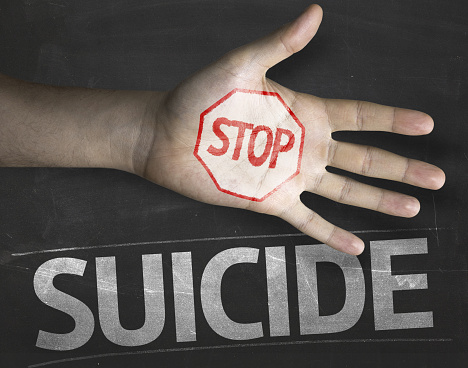
Educational and Creative composition with the message Stop Suicide

One of the best tools in preventing suicide is to know the risk factors. Over 90% of people who attempt suicide live with depression or another mental disorder. Alcohol or substance abuse is often a contributing factor. Adverse reactions to traumatic events or stress can also lead to someone wanting to take their own life.

Other risk factors for suicide include:
• Family history of mental disorder or substance abuse
• Family history of suicide
• Family violence
• Physical or sexual abuse
• Keeping firearms in the home
• Chronic physical illness, including chronic pain
• Exposure to the suicidal behavior of others

Someone who is considering suicide usually displays certain behaviors. Loved ones should look for the following warning signs:

Always talking or thinking about death
Trouble sleeping and eating — that gets worse over time
Displaying reckless behavior that could result in death, such as driving fast or running red lights
Losing interest in things one used to care about
Making comments about being hopeless, helpless, or worthless
Talking about suicide or killing one’s self
Visiting or calling people to say goodbye

If someone you know appears to be contemplating suicide, take the issue seriously. Let the person know that you care and understand and are listening and attempt to get them immediate help from a health care professional.

If your loved one appears to be in imminent danger of committing suicide, do not leave him or her alone. Remove any weapons or drugs he or she could use. Accompany him or her to the nearest emergency room or call 911.

September 10 has been designated World Suicide Prevention Day. Many organizations from around the world have joined this cause. Flushing Hospital’s supports their efforts and the hospital’s Department of Psychiatry offers many inpatient and outpatient services to help those in need.

All content of this newsletter is intended for general information purposes only and is not intended or implied to be a substitute for professional medical advice, diagnosis or treatment. Please consult a medical professional before adopting any of the suggestions on this page. You must never disregard professional medical advice or delay seeking medical treatment based upon any content of this newsletter. PROMPTLY CONSULT YOUR PHYSICIAN OR CALL 911 IF YOU BELIEVE YOU HAVE A MEDICAL EMERGENCY.

Top 5 Women’s Health Issues

Do you know which health conditions pose the biggest threat to American women? The good news is that many of the leading threats to women’s health, which can vary based on a woman’s age and background, are preventable. Find out which conditions to be aware of to maximize your health today.

  1. Heart disease is the leading cause of death among women. Luckily, there are many lifestyle changes you can make to ward off heart disease, such as not smoking, following a heart-smart diet, and being physically active.


  1. Stroke poses a significant risk to women’s health in the United States. Almost 55,000 women suffer from stroke each year, and about 60 percent of overall stroke deaths occur among women.


  1. Two of the most common cancers affecting women are breast and cervical cancers. Early detection is the key to keeping women alive and healthy. The most recent figures show that around half a million women die from cervical cancer and half a million from breast cancer each year.


  1. Sexually transmitted diseases are responsible for one third of health issues for women between the ages of 15 and 44 years. Unsafe sex is a major risk factor – particularly among women and girls in developing countries.


  1. Depression is the most common mental health problem for women and suicide a leading cause of death for women under 60. Evidence suggests that women are more prone than men to experience anxiety, depression, and somatic complaints – physical symptoms that cannot be explained medically.


The first step to staying healthy is educating yourself, and then taking the necessary precautions to reduce your risk. While you can’t eliminate risk factors such as family history, you can control many other risk factors for heart disease, stroke and cancer. Also be sure to consult your doctor about when you should have mammograms and other cancer screenings. The Outpatient Mental Health Division at Flushing Hospital Medical Center has an experienced and friendly staff readily available to assist you. To make an appointment please call, 718-670-5562. If you are experiencing stroke or heart disease symptoms please refer to the Ambulatory Care Center at Flushing Hospital. To make an appointment, please call 718-670-5486.

All content of this newsletter is intended for general information purposes only and is not intended or implied to be a substitute for professional medical advice, diagnosis or treatment. Please consult a medical professional before adopting any of the suggestions on this page. You must never disregard professional medical advice or delay seeking medical treatment based upon any content of this newsletter. PROMPTLY CONSULT YOUR PHYSICIAN OR CALL 911 IF YOU BELIEVE YOU HAVE A MEDICAL EMERGENCY.

Stress and Mental Health: Know Your Limits


 Stress—even the word alone can make you tense up a bit or set off a chain reaction of things that constantly keep your mind going. Some people may handle their stress more effectively or recover from stressful events quicker than others. We hear a lot of sayings about not worrying about the things we cannot control and not sweating the small stuff but, the fact remains, everyone feels stressed from time to time.

How often have you daydreamed of being an adult as a kid? When we’re younger we envy the freedom to do what we want as adults but, once we become adults we begin to miss the freedom of being a kid and not having to do too much. As an adult we have to cater to responsibilities, work to pay bills, meet deadlines, sometimes raise children and provide for our families. All of these things if not managed properly can lead to stress.

Prolonged exposure to stress can result in a decline in mental health.  There at least three different types of stress, all of which carry physical and mental health risks:

  1. Routine stress related to the pressures of work, family and other routine responsibilities
  2. Stress caused by a sudden negative change such as, losing a job, past due bills, or illness
  3. Traumatic stress from an event like a major accident, war, or assault

Stress that continues without relief can lead to a condition called distress — a negative stress reaction. Distress can lead to physical symptoms including headaches, upset stomach, elevated blood pressure, chest pain, and problems sleeping. Research suggests that stress also can bring on or worsen certain symptoms or diseases. The effects of stress usually build up over time. Taking practical measures to maintain your health and outlook can reduce or prevent these effects.

Managing your time is an important part of keeping your stress levels low. The following are some tips that may help you to cope with stress:

  • Talk about your problems to friends, family for emotional support or write them down in a journal. Sometimes releasing our problems helps us to deal with them.
  • Recognize signs of your body’s response to stress, such as trouble sleeping, increased alcohol intake or substance abuse, feeling depressed, having low energy, and being short-tempered.
  • Exercise regularly. A short walk can help boost your mood and reduce stress.
  • Set your priorities in order of importance and know when to say no when your tasks begin piling up.
  • Schedule regular times for healthy and relaxing activities.
  • Explore stress coping techniques like yoga, meditation or other gentle exercises.
  • Avoid dwelling on problems. Take note of all that you have accomplished without focusing on what you haven’t been able to complete yet.
  • Breathing exercises when you feel yourself becoming tense

All content of this newsletter is intended for general information purposes only and is not intended or implied to be a substitute for professional medical advice, diagnosis or treatment. Please consult a medical professional before adopting any of the suggestions on this page. You must never disregard professional medical advice or delay seeking medical treatment based upon any content of this newsletter. PROMPTLY CONSULT YOUR PHYSICIAN OR CALL 911 IF YOU BELIEVE YOU HAVE A MEDICAL EMERGENCY.

Are You Experiencing The Holiday Blues?

Holiday Depression 527116059The holiday season may be a time of happiness for many but for others it can also be the time of year that they are likely to feel depressed.

Financial stress, increased alcohol or food consumption, Seasonal Affective Disorder and loneliness are common contributors to depression during the holidays.

While the source of depression may vary from person to person, there are chronic behaviors and health problems that are widely recognized as symptoms of the disorder.  Some of these include:

  • Fatigue
  • Insomnia
  • Sleeping excessively
  • Loss of interest in activities or hobbies that were once enjoyable
  • Loss of appetite
  • Difficulty concentrating
  • Feelings of hopelessness or worthlessness

People who experience bouts of depression during the holidays can reduce these symptoms by:

  • Asking for help when holiday stressors become overwhelming
  • Moderating alcohol consumption
  • Spending time with loved ones
  • Exercising
  • Eating a healthy and balanced diet
  • Getting enough sleep
  • Practicing relaxation techniques such as yoga or meditation

If symptoms of depression persist or progress into self-harming thoughts, please seek the help of a mental health professional immediately. It is important to remember there is no shame in receiving assistance from mental health professionals; they will help you to identify the source of your depression and offer several options for treatment.

To schedule an appointment with a mental health professional at Flushing Hospital Medical Center, please call 718-670-5316 or 718-670-5562


All content of this newsletter is intended for general information purposes only and is not intended or implied to be a substitute for professional medical advice, diagnosis or treatment. Please consult a medical professional before adopting any of the suggestions on this page. You must never disregard professional medical advice or delay seeking medical treatment based upon any content of this newsletter. PROMPTLY CONSULT YOUR PHYSICIAN OR CALL 911 IF YOU BELIEVE YOU HAVE A MEDICAL EMERGENCY.