Can Hand Sanitizer Prevent the Flu?

During the flu season and throughout the year, protecting against bacteria is a battle fought nationally. There may be varying medical opinions, but the Centers for Disease Control and Prevention (CDC) is clear on their opinion

According to the CDC, if soap and water is not available, it is recommended that you use an alcohol-based hand sanitizer that contains at least 60% alcohol.

The CDC cautions that when using a hand sanitizer, you should make sure that all organics (i.e. dirt, food) should be removed from hands prior to applying the hand sanitizer.

After removing the surface substance, it is recommended that you apply a dime sized amount of waterless hand sanitizer to the palm of your hand, rub your hands together making sure to cover all surfaces of the hands and fingers and rub until the hand sanitizer is absorbed.

Some benefits of using a waterless hand sanitizer are:

  • Requires less time than hand washing with soap and water
  • Dries quickly on hands
  • Is more accessible than sinks
  • Reduces the bacterial count on hands
  • Can be less irritating to skin than soap and water

Although medical professionals may have different opinions on how to most effectively protect against bacteria, they all agree that hand washing with soap and water is the best way to reduce the number of germs in most instances.


All content of this newsletter is intended for general information purposes only and is not intended or implied to be a substitute for professional medical advice, diagnosis or treatment. Please consult a medical professional before adopting any of the suggestions on this page. You must never disregard professional medical advice or delay seeking medical treatment based upon any content of this newsletter. PROMPTLY CONSULT YOUR PHYSICIAN OR CALL 911 IF YOU BELIEVE YOU HAVE A MEDICAL EMERGENCY.

Flushing Hospital Shares Facts About Meningitis

This Sunday, April 24 in World Meningitis Awareness Day and Flushing Hospital Medical Center wants to share the following facts about meningitis.

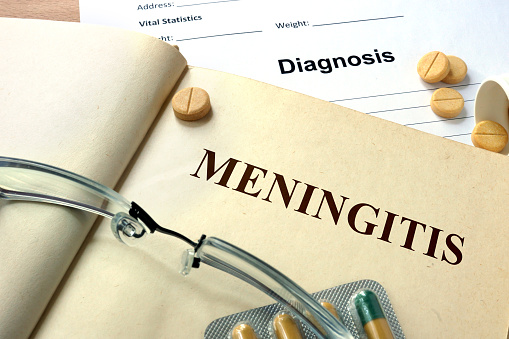
Word Meningitis on a book and pills.

Meningitis is an inflammation of the fluid that covers the brain and spinal cord. It is an extremely serious condition that can result in death. Although anyone can develop meningitis, those most at risk are children under five and adolescents between 15-19 years old.
There are two main kinds of meningitis:

Bacterial meningitis is the more severe form of the disease and requires treatment in a hospital setting. Viral meningitis is more common, and most people with this form of the illness get better in a couple of weeks. With mild cases, you may only need home treatment, including taking medicine for fever and pain and drinking enough fluids to stay hydrated.

Meningitis isn’t as contagious as viruses, such as those that cause the common cold, but it can spread from person to person via coughing, sneezing, kissing, sexual contact, or contact with infected blood or stool. A mother can also pass the germs that cause meningitis to her baby during birth.

Meningitis can be hard to diagnose because many of the early symptoms match those of the flu. The most common symptoms are fever, vomiting, headaches, stiff neck, sensitivity to light, drowsiness, and muscle pain. Babies may also develop a rash, have a lack of appetite and seem more irritable.

The best way to protect your child from meningitis is to make sure he or she gets all the standard immunizations for children, including shots for measles, chickenpox, and pneumococcal infection. When children reach adolescence, it is recommended that they receive two doses of a meningococcal vaccine to prevent bacterial meningitis.

Flushing Hospital encourages everyone to know the symptoms of meningitis and speak to their doctor about the meningitis vaccine.

All content of this newsletter is intended for general information purposes only and is not intended or implied to be a substitute for professional medical advice, diagnosis or treatment. Please consult a medical professional before adopting any of the suggestions on this page. You must never disregard professional medical advice or delay seeking medical treatment based upon any content of this newsletter. PROMPTLY CONSULT YOUR PHYSICIAN OR CALL 911 IF YOU BELIEVE YOU HAVE A MEDICAL EMERGENCY.

Avoid the “Double Dip” at Your Next Party

You may have seen the infamous episode of the popular sitcom, Seinfeld where George “double dips” at a social gathering – basically scooping dip onto his chip, taking a bite, and then placing that same chip back in the bowl for another serving. Someone sees this and tells him that double dipping is like “putting your whole mouth in the dip”. The scene is often referenced and has become part of pop-culture lure, but is there any truth to this notion? Are “double dippers” really spreading germs by committing this offense?

ThinkstockPhotos-99700139The topic was so intriguing, that it prompted students at Clemson University to conduct an investigation about the potential dangers of double dipping. By comparing how much bacteria is transferred into dip from unbitten versus bitten crackers, the students were able to draw some interesting conclusions. First the dip was tested after the unbitten cracker was used. The results found no detectable bacteria present in the dip after that cracker was used. Next the dip was tested after the bitten, or double dipped cracker was submerged. Here the results were much different. Once subjected to double dipping, as many as 1,000 bacteria were detected in the dip.

What does this mean? There are thousands of different types of bacteria living in our mouths, and some of them transmit viruses like the flu. While Seinfeld made the term double dipping popular, perhaps the most infamous double dipper of all time was cook 19th century cook Mary Mallon, better known as Typhoid Mary. She was thought to have spread typhoid to many New England families as she tasted the food she was preparing for them.

Keeping that in mind, there is still a concern over transmitting bacteria via the double dip. So the next time you are at a party and you notice someone double dipping, you might want to avoid partaking in the dip and chips.

All content of this newsletter is intended for general information purposes only and is not intended or implied to be a substitute for professional medical advice, diagnosis or treatment. Please consult a medical professional before adopting any of the suggestions on this page. You must never disregard professional medical advice or delay seeking medical treatment based upon any content of this newsletter. PROMPTLY CONSULT YOUR PHYSICIAN OR CALL 911 IF YOU BELIEVE YOU HAVE A MEDICAL EMERGENCY.