Exocrine Pancreatic Insufficiency

Exocrine pancreatic insufficiency (EPI) occurs when the pancreas doesn’t make enough digestive enzymes. Enzymes are proteins that cause chemical reactions in the body. Digestive enzymes break down food, allowing the body to get nutrients.

When you have EPI, food passes through the intestines in an undigested state, resulting in the body not receiving the needed nutrients. There are different types of pancreatic enzymes, including:

  • Amylase
  • Lipase
  • Protease and elastase

The main cause of EPI in adults is chronic pancreatitis. As many as 8 in 10 adults with this disorder develop EPI. Pancreatitis causes inflammation and swelling of the pancreas. Over time, chronic inflammation can damage the digestive enzyme-making pancreatic cells. Other causes of EPI in adults include:

  • Celiac disease
  • Diabetes
  • Inflammatory bowel disease (IBD)
  • Pancreatic cancer
  • Surgery on the digestive tract, including weight loss surgery

Cystic fibrosis is the top cause of EPI in infants and children. Children inherit cystic fibrosis from a parent. Cystic fibrosis causes thick mucus to build up in the lungs, making breathing hard. Mucus can also collect in the pancreas, keeping digestive enzymes from reaching the small intestines.

Nearly 9 in 10 infants with cystic fibrosis develop EPI within the first year. The rest are at risk of developing EPI during childhood or adulthood.

Shwachman-Diamond syndrome (SDS) is another inherited condition that causes EPI in children. SDS causes the part of the pancreas that makes enzymes not to work properly.

People with EPI have a particularly difficult time absorbing fats from foods, which leads to uncomfortable digestive problems, such as:

  • Abdominal pain, gas, and bloating
  • Constipation
  • Diarrhea
  • Fatty stools
  • Unexplained weight loss or failure to thrive in infants and children

Many digestive problems can cause symptoms similar to EPI. A healthcare provider may suspect EPI if you have a condition that affects your pancreas.

You may get one or more pancreas function tests that include:

  • Fecal elastase test (FE-1)
  • Fecal fat test
  • Secretin pancreatic function test

You may also get a CT scan, abdominal ultrasound, or other imaging tests that can spot problems with the pancreas that lead to EPI.

People with EPI can’t absorb enough fats, proteins, and carbohydrates from the foods they eat. This problem is called malabsorption. Your body needs these nutrients for energy and to maintain organ function. Malabsorption of nutrients can lead to malnutrition. Signs of malnutrition include:

  • Dry skin
  • Depression
  • Edema
  • Fatigue or dizziness
  • Feeling cold all the time
  • Irritability
  • Memory and concentration issues
  • Muscle loss

EPI is a lifelong condition. Treatments for the condition focus on the body receiving the necessary nutrients to maintain good health. Treatments include:

  • Pancreatic enzyme replacement therapy (PERT)
  • High-calorie, high-fat diet
  • Vitamins

To prevent EPI, it is helpful to avoid smoking and alcohol use as they make the pancreas work harder and can contribute to pancreatitis, which leads to EPI.

Unfortunately, cystic fibrosis and SDS are inherited, so they can’t be prevented, and the risk of EPI with these conditions can’t be lowered. Keeping a close eye on symptoms can help identify possible EPI and treat it immediately.

If you are experiencing symptoms of exocrine pancreatic insufficiency, you can schedule an appointment with a gastroenterologist at Flushing Hospital’s Ambulatory Care Center by ca

All content of this newsletter is intended for general information purposes only and is not intended or implied to be a substitute for professional medical advice, diagnosis or treatment. Please consult a medical professional before adopting any of the suggestions on this page. You must never disregard professional medical advice or delay seeking medical treatment based upon any content of this newsletter. PROMPTLY CONSULT YOUR PHYSICIAN OR CALL 911 IF YOU BELIEVE YOU HAVE A MEDICAL EMERGENCY.

Fatty Liver Disease

Steatotic liver disease (SLD), formerly known as fatty liver disease, describes the buildup of excess fat in the liver. A healthy, high-functioning liver contains a small amount of fat. However, fat buildup can become a problem when it reaches over 5% of your liver’s weight.

Healthcare providers classify SLD based on its causes and the conditions associated with it. The types of steatotic liver disease include:

  • Alcohol-related liver disease
  • Metabolic dysfunction-associated steatotic liver disease (MASLD). Risk factors associated with MASLD include:
    • Obesity
    • Type 2 diabetes
    • High blood pressure
    • Lipid normalities
  • Metabolically associated steatohepatitis (MASH)
  • MASLD and increased alcohol intake (MetALD)

In most cases, the fat buildup in the liver doesn’t cause serious problems or prevent it from functioning normally. In some cases, the condition progresses to liver disease. It usually progresses in stages:

Hepatitis– in this first stage, called steatohepatitis, your liver goes from fatty to inflamed, damaging the tissue.

Fibrosis– in this second stage, causes bands of scar tissue to form where the inflammation damages the liver, causing it to stiffen.

Cirrhosis– in this third stage, extensive scar tissue caused by inflammation replaces healthy tissue. This is called cirrhosis of the liver. Without treatment, cirrhosis can lead to potentially fatal conditions like liver failure and liver cancer. About 90% of people who develop hepatocellular carcinoma (a type of liver cancer) have cirrhosis.

Steatotic liver disease doesn’t always cause symptoms. When they are present, symptoms can include:

  • Abdominal pain or a feeling of fullness in the upper right side of your abdomen
  • Extreme exhaustion or fatigue

People will more commonly notice symptoms once SLD has progressed to cirrhosis of the liver. When cirrhosis develops, you may experience:

  • Nausea
  • Loss of appetite
  • Unexplained weight loss
  • Jaundice
  • Swelling in the abdomen
  • Swelling in the legs, feet, or hands
  • Bleeding in the esophagus, stomach, or rectum

Steatotic liver disease has multiple causes. You are more likely to develop SLD if you have a cardiometabolic risk factor, if you consume unhealthy amounts of alcohol, or both. You have a greater chance of developing SLD if you have the following:

  • Alcohol use disorder
  • Metabolic syndrome
  • Type 2 diabetes
  • Are overweight (a BMI of 25 to 29.9 kg/m2)
  • Obesity (a BMI of 30 kg/m2 and above)
  • Polycystic ovary syndrome (PCOS)
  • Obstructive sleep apnea
  • Hypothyroidism
  • Hypopituitarism
  • Hypogonadism
  • Take certain prescription medications

Without treatment, a steatotic liver can progress to cirrhosis of the liver, which can lead to liver failure, liver cancer, and cancers outside the liver. People with MASLD are also at increased risk of heart disease, which is the leading cause of death in people with MASLD.

Because SLD doesn’t usually cause symptoms, a healthcare provider may be the first person to notice an issue. High levels of liver enzymes that turn up on a blood test for other conditions can raise a red flag. Elevated liver enzymes are a sign of liver damage.

To diagnose SLD, a healthcare provider may ask about your medical history and perform a physical exam, imaging tests, and a liver biopsy.

There are no specific treatments or medications for SLD. Instead, healthcare providers focus on helping you manage risk factors that contribute to the condition. This can include making lifestyle changes that can improve your health. Your healthcare provider may recommend that you:

  • Avoid alcohol
  • Lose weight
  • Take medications to manage metabolic conditions
  • Get vaccinated for hepatitis A and hepatitis B

A healthcare provider may change your prescriptions if your medicine is causing fat to accumulate in your liver.

The best way to avoid SLD is to maintain your overall health. You can prevent SLD by:

  • Exercising regularly
  • Limiting your alcohol consumption
  • Maintaining a weight that is healthy for you
  • Taking medications as prescribed if you have Type 2 diabetes or metabolic syndrome.

Working with a specialist at Flushing Hospital Medical Center’s Ambulatory Care Center can help you determine your biggest risk factors for liver damage, identify medications that may lead to further damage, and find the right treatment for any scarring or disease you are experiencing. To schedule an appointment, please call (718) 670-5486.

All content of this newsletter is intended for general information purposes only and is not intended or implied to be a substitute for professional medical advice, diagnosis or treatment. Please consult a medical professional before adopting any of the suggestions on this page. You must never disregard professional medical advice or delay seeking medical treatment based upon any content of this newsletter. PROMPTLY CONSULT YOUR PHYSICIAN OR CALL 911 IF YOU BELIEVE YOU HAVE A MEDICAL EMERGENCY.

Risk Factors for Gallstones

Gallstones are hardened deposits of digestive fluid that can form in your gallbladder. They can range in size from as small as a grain of sand to as large as a golf ball. Some people develop just one gallstone, while others develop many gallstones at the same time.

People who experience symptoms from their gallstones usually require gallbladder removal surgery. Gallstones that don’t cause any signs or symptoms typically don’t need treatment.

Gallstones may cause no signs or symptoms. If a gallstone lodges in a duct and causes a blockage, the resulting signs and symptoms may include:

  • Sudden and rapidly intensifying pain in the upper right portion of the abdomen
  • Sudden and rapidly intensifying pain in the center of the abdomen, just below the breastbone
  • Back pain between your shoulder blades
  • Pain in your right shoulder
  • Nausea or vomiting

Gallstone pain may last several minutes to a few hours.

It isn’t clear what causes gallstones to form. Doctors think gallstones may occur when:

  • Your bile contains too much cholesterol
  • Your bile contains too much bilirubin
  • Your gallbladder doesn’t empty correctly

The types of gallstones that can form in the gallbladder include:

  • Cholesterol gallstones
  • Pigment gallstones

Factors that may increase your risk of gallstones include:

  • Being female
  • Being 40 years old or older
  • Being Native American
  • Being Hispanic of Mexican origin
  • Being overweight or obese
  • Being sedentary
  • Being pregnant
  • Eating a high-fat diet
  • Eating a high-cholesterol diet
  • Eating a low-fiber diet
  • Having a family history of gallstones
  • Having diabetes
  • Having certain blood disorders such as sickle cell anemia or leukemia
  • Losing weight very quickly
  • Taking medications that contain estrogen such as oral contraceptives or hormone therapy drugs
  • Having liver disease

There are several complications of gallstones, including:

  • Inflammation of the gallbladder
  • Blockage of the common bile duct
  • Blockage of the pancreatic duct
  • Gallbladder cancer

You can reduce your risk of gallstones by:

  • Not skipping meals
  • Losing weight slowly
  • Eating more high-fiber foods
  • Maintaining a healthy weight

There are several tests and procedures used to diagnose gallstones and complications of gallstones, including:

  • Abdominal ultrasound
  • Endoscopic ultrasound (EUS)
  • Other imaging tests
  • Blood tests

A healthcare provider will determine if treatment for gallstones is indicated based on your symptoms and the results of diagnostic testing. Treatment options for gallstones include:

  • Gallbladder surgery (cholecystectomy)
  • Medications to dissolve gallstones

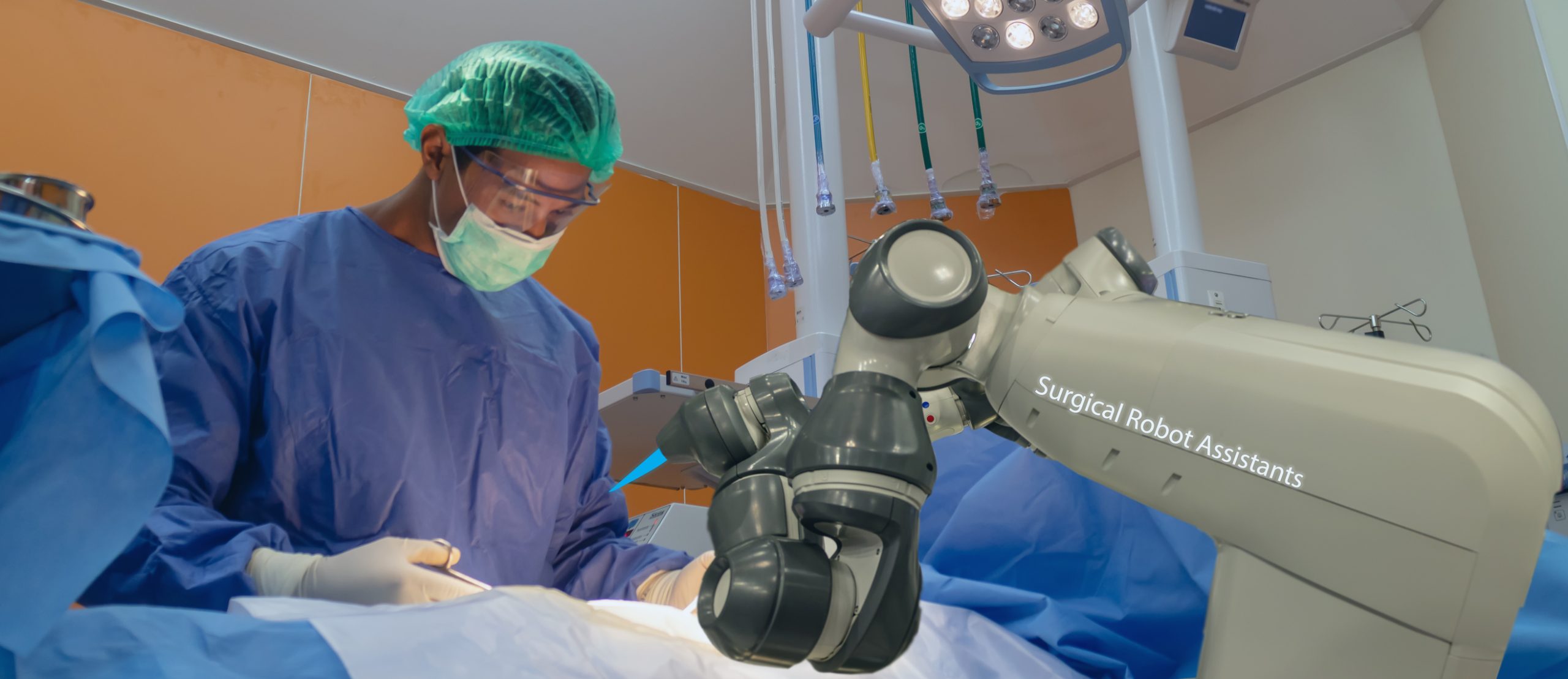
Flushing Hospital Medical Center offers multiple options for gallbladder removal surgery, this includes robotic surgery. To schedule an appointment with a specialist, please call (718) 670-5000.

All content of this newsletter is intended for general information purposes only and is not intended or implied to be a substitute for professional medical advice, diagnosis or treatment. Please consult a medical professional before adopting any of the suggestions on this page. You must never disregard professional medical advice or delay seeking medical treatment based upon any content of this newsletter. PROMPTLY CONSULT YOUR PHYSICIAN OR CALL 911 IF YOU BELIEVE YOU HAVE A MEDICAL EMERGENCY.

Alcohol Awareness Month

April is Alcohol Awareness Month. It is an opportunity to raise awareness and understanding of alcohol use and misuse, and its impact on health.

The National Council on Alcoholism and Drug Dependence (NCADD) started the Alcohol Awareness Month program in 1987. The program targets teenagers and college-aged youth, aiming to educate them on the dangers of heavy drinking and other harmful behaviors that can be common during these years.

Binge drinking and heavy drinking are two patterns of excessive alcohol use. The Centers for Disease Control and Prevention (CDC) defines binge drinking as consuming four or more drinks for women and five or more for men on a single occasion. Heavy drinking is defined as consuming eight or more drinks per week for women and 15 or more drinks per week for men.

There are several ways to support Alcohol Awareness Month, including:

  • Wear a red ribbon
  • Participate in an alcohol-free 72 hours
  • Host dry parties
  • Talk with kids and teens about alcohol
  • Talk with friends and family about alcohol
  • Reflect on your relationship with alcohol

Alcohol Awareness Month’s primary goal is to increase public awareness and education about alcohol and alcohol use disorder (AUD), formerly known as “alcoholism”.

All content of this newsletter is intended for general information purposes only and is not intended or implied to be a substitute for professional medical advice, diagnosis or treatment. Please consult a medical professional before adopting any of the suggestions on this page. You must never disregard professional medical advice or delay seeking medical treatment based upon any content of this newsletter. PROMPTLY CONSULT YOUR PHYSICIAN OR CALL 911 IF YOU BELIEVE YOU HAVE A MEDICAL EMERGENCY.
Preparing for Allergy Season

Spring has arrived, and with it comes longer days, warmer weather, and the blooming of trees and flowers. However, as trees and flowers bloom they release pollen, causing those who suffer from seasonal allergies to experience allergy symptoms. Spring allergy symptoms can include:

  • Runny nose
  • Watery eyes
  • Sneezing
  • Itchy eyes and nose
  • Dark circles under your eyes.

Some ways you can reduce your exposure to allergy triggers include:

  • Staying indoors on dry, windy days. The best time to go outside is after a good rain, which helps clear pollen from the air.
  • Avoiding garden chores like mowing the lawn and pulling weeds that stir up allergens.
  • Removing clothes worn outside and showering to rinse pollen from your skin and hair.
  • Avoid hanging laundry outside because pollen can stick to sheets and towels.
  • Wearing a face mask when doing chores outside.
  • Checking your local TV or the internet for pollen forecasts and the current pollen levels.
  • Taking allergy medication before symptoms start or if high pollen counts are forecasted.
  • Closing doors and windows at night when there are high pollen counts.
  • Avoiding outdoor activity when pollen counts are highest.

There isn’t a miracle product that can get rid of all allergens from the air in your home, but ways to keep indoor air clean include:

  • Using air conditioning in your house.
  • Using high-efficiency filters if you have a forced air conditioning or heating system, and following regular maintenance schedules.
  • Keeping indoor air dry with a dehumidifier.
  • Using a portable HEPA filter in your bedroom.
  • Cleaning floors with a vacuum cleaner that has a HEPA filter regularly.

Here are some over-the-counter medications that can help ease allergy symptoms:

  • Oral antihistamines
  • Corticosteroid nasal sprays
  • Cromolyn sodium nasal spray
  • Oral decongestants

If you are experiencing seasonal allergy symptoms, you can get an allergy test and treatment at Flushing Hospital Medical Center’s Ambulatory Care Center. To schedule an appointment, please call (718) 670-5486.

All content of this newsletter is intended for general information purposes only and is not intended or implied to be a substitute for professional medical advice, diagnosis or treatment. Please consult a medical professional before adopting any of the suggestions on this page. You must never disregard professional medical advice or delay seeking medical treatment based upon any content of this newsletter. PROMPTLY CONSULT YOUR PHYSICIAN OR CALL 911 IF YOU BELIEVE YOU HAVE A MEDICAL EMERGENCY.

Healthy Eating Tips for Seniors

As we age, our metabolism slows down, causing us to require fewer calories than we did in our younger years. Our body also needs more of certain nutrients. Eating a healthy diet can support healthy aging.

Here are some tips to help get the most nutrition out of your meals:

  • Know what a healthy plate looks like
  • Eat more whole foods and limit processed foods
  • Look for essential nutrients
  • Read the “Nutrition Facts” label
  • Use recommended servings
  • Stay hydrated by drinking water with your meals and eating water-rich foods
  • Focus on getting enough protein to prevent muscle loss
  • Eat fiber-rich foods
  • Watch your sodium intake
  • Subscribe to a grocery or meal delivery service

Making these simple adjustments to your eating habits can go a long way toward building healthier eating habits. Getting the most out of foods and beverages can help you meet your nutrition needs and reduce the risk of disease. Be sure to speak with your healthcare provider about creating a dietary plan that works best for you before making changes to your diet.

All content of this newsletter is intended for general information purposes only and is not intended or implied to be a substitute for professional medical advice, diagnosis or treatment. Please consult a medical professional before adopting any of the suggestions on this page. You must never disregard professional medical advice or delay seeking medical treatment based upon any content of this newsletter. PROMPTLY CONSULT YOUR PHYSICIAN OR CALL 911 IF YOU BELIEVE YOU HAVE A MEDICAL EMERGENCY.

Vertigo

Vertigo is a sensation that makes the environment around you spin in circles. It can make you feel dizzy and off-balance. Vertigo is a symptom of several health conditions rather than a disease itself, however, it can occur along with other symptoms.

Other symptoms that might be experienced when you have vertigo include:

  • Nausea and vomiting
  • Dizziness
  • Balance issues
  • Hearing loss in one or both ears
  • Tinnitus
  • Headaches
  • Motion sickness
  • A feeling of fullness in your ear
  • Nystagmus

There are two main types of vertigo: peripheral and central. Peripheral vertigo is the most common type. It occurs when there is an issue with the inner ear or vestibular nerve.

Subtypes of peripheral vertigo include:

  • Benign paroxysmal positional vertigo (BPPV)
  • Labyrinthitis
  • Vestibular neuritis
  • Ménière’s disease.

Central vertigo is less common. It occurs when a condition affects the brain, such as an infection, stroke, or traumatic brain injury. People with central vertigo usually have more severe symptoms like severe instability or difficulty walking.

The causes of vertigo vary from person to person. Causes can include:

  • Migraine headaches
  • Certain medications such as antibiotics, anti-inflammatories, and cardiovascular drugs
  • Stroke
  • Arrhythmia
  • Diabetes
  • Head injuries
  • Prolonged bed rest
  • Shingles in or near your ear
  • Ear surgery
  • Perilymphatic fistula
  • Hyperventilation
  • Low blood pressure
  • Ataxia
  • Syphilis
  • Otosclerosis
  • Brain diseases
  • Multiple sclerosis (MS)
  • Acoustic neuroma

Vertigo can cause falls resulting in bone fractures or other injuries. It can also interfere with your quality of life and hinder your ability to drive or go to work.

To diagnose vertigo, a healthcare provider will perform a physical exam and ask questions about your symptoms. They may also recommend one or more tests to confirm your diagnosis. Healthcare providers can also perform tests to diagnose vertigo, including:

  • Fukuda-Unterberger test
  • Romberg’s test
  • Head impulse test
  • Vestibular test battery
  • Imaging tests

Treatments for vertigo depend on the underlying cause. Healthcare providers use a variety of treatments, including:

  • Repositioning maneuvers
  • Vertigo medication
  • Vestibular rehabilitation therapy (vertigo exercises)
  • Surgery

If you are experiencing vertigo symptoms, visit Flushing Hospital Medical Center’s Ambulatory Care Center. To schedule an appointment, please call (718) 670-5486.


All content of this newsletter is intended for general information purposes only and is not intended or implied to be a substitute for professional medical advice, diagnosis or treatment. Please consult a medical professional before adopting any of the suggestions on this page. You must never disregard professional medical advice or delay seeking medical treatment based upon any content of this newsletter. PROMPTLY CONSULT YOUR PHYSICIAN OR CALL 911 IF YOU BELIEVE YOU HAVE A MEDICAL EMERGENCY.

Bloating

Bloating describes a feeling of fullness or tightness in the abdomen. It may or may not be accompanied by a visibly distended or swollen abdomen. The feeling can range from mildly uncomfortable to intensely painful. It usually goes away after a while, but it can be a recurring problem for some people.

The most common cause of stomach pain and bloating is excess intestinal gas. Another cause may be a digestive issue after eating. It could be as simple as eating too much too fast, a food intolerance, or another condition that can cause gas and digestive contents to build up. Digestive issues and hormone fluctuations can cause cyclical bloating. Menstrual cycles are another common cause of temporary bloating.

Between 10% and 25% of otherwise healthy people complain of occasional abdominal bloating. As many as 75% describe their symptoms as moderate to severe. About 10% say they experience it regularly. Among those diagnosed with irritable bowel syndrome (IBS), it may be as much as 90%. Up to 75% of women experience bloating before and during their period. Only 50% of people who experience bloating also report a distended abdomen.

If your bloating is due to something you ate or drank, or hormone fluctuations, it should begin to ease within a few hours or days. If you are constipated, bloat won’t go down until you start pooping. Water, exercise, and herbal teas may help. If bloating doesn’t go away or gets worse, seek medical attention.

If bloating is caused by diet or alcohol consumption, it can be prevented by making certain lifestyle choices such as:

  • Eating enough fiber
  • Drinking enough water
  • Getting exercise
  • Avoiding processed foods
  • Practicing mindful eating
  • Notice stomach sensitivities

What can help relieve bloating depends on the cause. A professional diagnosis may be needed to get to the bottom of it. However, if you are looking to combat bloating in the interim, some home remedies can include:

  • Peppermint oil capsules
  • Antacids
  • Magnesium supplements
  • Probiotics
  • Fiber supplements
  • Regular exercise

To schedule an appointment with a gastroenterologist or dietitian at Flushing Hospital Medical Center, please call 718-670-5486.


All content of this newsletter is intended for general information purposes only and is not intended or implied to be a substitute for professional medical advice, diagnosis or treatment. Please consult a medical professional before adopting any of the suggestions on this page. You must never disregard professional medical advice or delay seeking medical treatment based upon any content of this newsletter. PROMPTLY CONSULT YOUR PHYSICIAN OR CALL 911 IF YOU BELIEVE YOU HAVE A MEDICAL EMERGENCY.

Folliculitis

Folliculitis is a common skin condition in which hair follicles become infected or inflamed.

Folliculitis can look similar to acne and be uncomfortable or itchy, and because of its appearance, it can often have a psychosocial impact.

The two main forms of folliculitis are superficial and deep. The superficial form involves part of the follicle, while the deep form involves the entire follicle and is usually more severe.

There are many different types of folliculitis. Each type is unique based on the cause, the infectious organism, and its impact on the skin. The different types of folliculitis include:

  • Bacterial folliculitis
  • Hot tub rash
  • Malassezia folliculitis
  • Razor bumps
  • Sycosis barbae
  • Gram-negative folliculitis
  • Boils
  • Carbuncles
  • Eosinophilic folliculitis

Folliculitis appears anywhere on the body that has hair, such as the face, arms, upper back, and lower legs. Hair follicles can gather bacteria and other materials from the outside world that could cause inflammation or infection. When something is inflamed, it is swollen. A swollen hair follicle will bulge up and make a bump on the skin. If you have an infected hair follicle, you may experience:

  • Redness
  • Irritation
  • Itching
  • Bumps on the skin

Folliculitis is caused when a hair follicle is inflamed or infected with bacteria, commonly Staphylococcus aureus. This causes the follicle to swell under the skin, creating uncomfortable bumps on the surface. For many specific types of folliculitis, the cause isn’t always known. However, certain factors can increase the risk of developing this condition, including:

  • If you shave often
  • If you have been using an oral antibiotic for a long time
  • If you are overweight or obese
  • If you do activities that make you sweat a lot and don’t fully clean off afterward
  • If you spend time in a hot tub or sauna that isn’t properly cleaned

Signs and symptoms of folliculitis include:

  • Clusters of small bumps of pimples around hair follicles
  • Pus-filled blisters that break open and crust over
  • Itchy, burning skin
  • Painful, tender skin
  • An inflamed bump

To diagnose folliculitis, a healthcare provider will examine your skin and ask about your medical history. If early treatments don’t clear up the infection, the healthcare provider will run tests, including:

  • Scraping the skin to look for yeast under the microscope
  • They may take a swab for culture to determine the cause of the infection
  • In rare cases, they may do a skin biopsy to rule out other conditions

Treatment for folliculitis depends on the type and severity of the condition, what self-care measures were tried, and how you would like to proceed.

If you have tried nonprescription products for a few weeks and they haven’t helped, ask a healthcare provider about prescription-strength medications. A dermatologist can help you:

  • Control your folliculitis
  • Figure out whether a drug you take might be causing your symptoms and whether you can stop taking it
  • Avoid scarring or other damage to the skin
  • Make scars less noticeable

There are many ways that you can prevent folliculitis, including the following:

  • Washing your skin regularly
  • Doing laundry regularly
  • Avoiding friction or pressure on your skin
  • Avoiding shaving, if possible
  • Shaving with care
  • Trying hair-removing products or other methods of hair removal
  • Treating related conditions
  • Using only clean hot tubs and heated pools

Sometimes, folliculitis goes away without medical treatment. Self-care measures such as applying a warm, moist washcloth to the affected skin followed by an anti-itch cream may help relieve your symptoms.

If you have symptoms of folliculitis, you can receive treatment at Flushing Hospital Medical Center’s Ambulatory Care Center. To schedule an appointment, please call (718) 670-5486.


All content of this newsletter is intended for general information purposes only and is not intended or implied to be a substitute for professional medical advice, diagnosis or treatment. Please consult a medical professional before adopting any of the suggestions on this page. You must never disregard professional medical advice or delay seeking medical treatment based upon any content of this newsletter. PROMPTLY CONSULT YOUR PHYSICIAN OR CALL 911 IF YOU BELIEVE YOU HAVE A MEDICAL EMERGENCY.

The Loneliness Epidemic

In May 2023, former U.S. Surgeon General Dr. Vivek Murthy issued a report that drew attention to an epidemic that affects half of American adults: loneliness and social isolation.

Dr. Murthy said that loneliness and social isolation are “urgent public health concerns, more widespread than smoking, diabetes, or anxiety”.

Loneliness is feeling lonely or disconnected from others and not having meaningful or close relationships or a sense of belonging. It also describes the negative feelings that can occur when your needs for social connection aren’t met.

Social isolation is when a person doesn’t have relationships or contact with others and has little to no social support. It can pose a health risk to people, even if they don’t feel lonely.

Certain conditions or experiences may increase a person’s risk of social isolation and loneliness, including:

  • Having a mental or physical challenge, such as:
    • Chronic disease or condition
    • Psychiatric or depressive condition
    • Long-term disability
  • Being marginalized or discriminated against
  • Having limited or no access to resources, which may result in:
    • Living in rural areas
    • Limited transportation
    • Language barriers
    • Being a victim of violence or abuse
  • Facing a divorce, unemployment, or the loss of a loved one

Loneliness may impact some groups more than others, including:

  • Low-income adults
  • Young adults
  • Older adults
  • Adults living alone
  • Immigrants
  • People who identify as LGBTQ+

Social isolation and loneliness can increase a person’s risk for:

  • Heart disease and stroke
  • Type 2 diabetes
  • Depression, anxiety, suicide, and self-harm
  • Dementia
  • Earlier death

It is important to make meaningful social connections, as those who do experience benefits, including:

  • Less stress
  • Better sleep
  • A longer, healthier life

Making social connections can be hard, especially if you are in poor health, have money problems, or live alone. However, a few small acts of connection can build supportive and meaningful relationships.

You can take various steps to fight against loneliness, including the following:

  • Talking to family, friends, neighbors, and co-workers
  • Connecting with others on social media
  • Volunteering in your community
  • Being kind to yourself
  • Learning more about ways to improve social connectedness
  • Getting help from a professional

To find out more about Flushing Hospital Medical Center’s outpatient mental health services or to schedule a virtual appointment, please call (718) 670-5316 to speak with our intake coordinator or (718) 670-5562 to reach the clinic.


All content of this newsletter is intended for general information purposes only and is not intended or implied to be a substitute for professional medical advice, diagnosis or treatment. Please consult a medical professional before adopting any of the suggestions on this page. You must never disregard professional medical advice or delay seeking medical treatment based upon any content of this newsletter. PROMPTLY CONSULT YOUR PHYSICIAN OR CALL 911 IF YOU BELIEVE YOU HAVE A MEDICAL EMERGENCY.