
Shin Splints

Shin splints are a common overuse injury that occurs when the muscles and bones in your lower leg become strained and irritated. Athletes (especially runners), dancers, members of the military, and individuals with osteoporosis, flat feet, and high or very rigid arches are at a higher risk of developing shin splints.

If you have shin splints, you may notice tenderness, soreness, or pain along the inner side of your shinbone and mild swelling in your lower leg. Initially, the pain may subside when you stop exercising. However, the pain can be continuous and might progress to a stress reaction or stress fracture, so it is best to take it easy while they heal.

Shin splints are caused by repetitive stress on the shinbone and the connective tissue that attaches the muscles to the bone.

Healthcare providers diagnose shin splints based on your medical history and by performing a physical exam. They will observe how you walk and examine your lower leg, ankle, and foot.

In some cases, they may also perform an X-ray or other imaging tests that can help identify other possible causes for your pain, such as a stress fracture.

Shin splints can be treated with simple self-care steps that include:

  • Rest
  • Ice
  • Taking an over-the-counter pain reliever
  • Supplements
  • Shin splint stretches
  • Slow increases in activity levels
  • Wearing supportive shoes and shoe inserts
  • Resting in between activities to allow your bones and muscles time to heal
  • Physical therapy

There are several ways to help avoid shin splints, including:

  • Analyzing your movement
  • Avoiding overdoing high-impact activities
  • Choosing the right shoes
  • Considering arch support
  • Considering shock-absorbing insoles
  • Lessening the impact on your shins
  • Adding strength training to your workout

If you experience shin splints often, you can schedule an appointment with a doctor at Flushing Hospital Medical Center’s Ambulatory Care Center. To schedule an appointment, please call (718) 670-5486.


All content of this newsletter is intended for general information purposes only and is not intended or implied to be a substitute for professional medical advice, diagnosis or treatment. Please consult a medical professional before adopting any of the suggestions on this page. You must never disregard professional medical advice or delay seeking medical treatment based upon any content of this newsletter. PROMPTLY CONSULT YOUR PHYSICIAN OR CALL 911 IF YOU BELIEVE YOU HAVE A MEDICAL EMERGENCY.
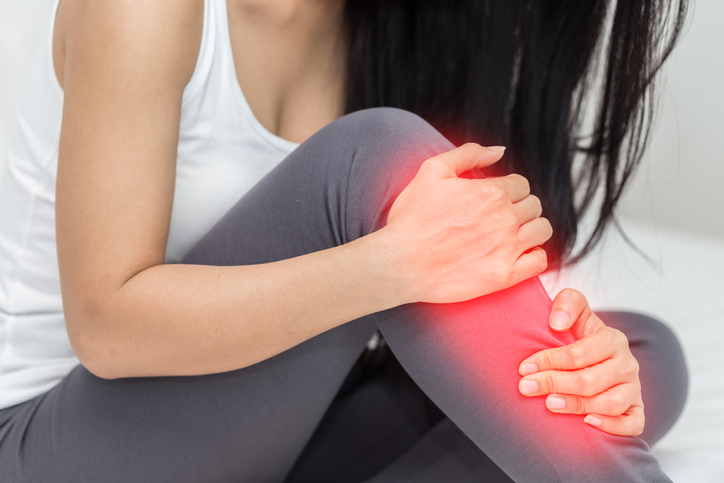
What are Shin Splints?

Dancers, runners, and other athletes are at a heightened risk for a variety of different physical injuries and conditions affecting the feet and legs. Shin splints (also known as medial tibial stress syndrome) are a particularly common type of athletic injury, though anyone can get them.

People with shin splints typically experience soreness, tenderness, pain, and swelling along the inner side of the shin bone and lower leg. Rest, ice, and over-the-counter pain medication are often enough to treat shin splints, but if left untreated, they may lead to a stress fracture.

Although you’re likely to experience shin splints at some point as an athlete, there are several steps you can take to reduce your risk or the severity of your injury. These include:

Exercising in moderation: Shin splints are strongly tied to excessive workouts involving running or other high-impact activities. Work out at a consistent, moderate intensity to allow your muscles, joints, and bones time to recover.

Using supportive footwear: Shoes, arch supports, and insoles also play a significant role in preventing injuries to your feet and legs. You should periodically replace the shoes you wear while exercising, use arch supports to manage shin splint pain, and use shock-absorbing insoles.

Include lower-impact activities in your workout: You can reduce your risk of sustaining shin splints by adding less intense activities, such as walking or biking, to your workout. Strength training can also help your feet and legs withstand the effects of high-impact exercises.

Ease into changes in your workout routine: Shin splints often occur in athletes that have made sudden changes to their workouts. You can reduce your risk by making more gradual changes to your routine.

If you start to experience pain in your lower legs that may indicate shin splints, you can schedule an appointment with a podiatrist at Flushing Hospital Medical Center’s Ambulatory Care Center by calling (718) 670-5486.

All content of this newsletter is intended for general information purposes only and is not intended or implied to be a substitute for professional medical advice, diagnosis or treatment. Please consult a medical professional before adopting any of the suggestions on this page. You must never disregard professional medical advice or delay seeking medical treatment based upon any content of this newsletter. PROMPTLY CONSULT YOUR PHYSICIAN OR CALL 911 IF YOU BELIEVE YOU HAVE A MEDICAL EMERGENCY.

Shin Splints

A shin splint is a condition characterized by tenderness running along the tibial bone which is the large bone in the lower leg, also referred to as the shin bone. They are the result of an increased amount of repetitive activity, such as running, dancing, walking, or working out that causes the overworking of the tendons, muscles or bone tissue in the lower leg.
Contributing factors of shin splints:
• Poorly fitting shoes
• Weak ankles or hips
• Flat feet
• Failure to warm up prior to exercising
• Lack of support in shoes
Treatment of shin splints requires some time to heal. It is important to give the leg time to rest. In the acute phase, putting ice on the shin for 20-30 minutes every three to four hours for the first few days will help. It may be helpful to take an anti-inflammatory medication to ease the swelling and to help with the discomfort. It is also sometimes helpful to use orthotics, either custom made or over the counter, to give the foot support. Physical therapy is also very helpful to build up muscle strength and also to help ease the discomfort.
Preventing shin splints is as important as treating them. Some of the things you can do to prevent them from occurring are stretching exercises, wearing good shoes, participating in activities that are low impact, add shock absorbing insoles to your footwear.
If you would like to schedule an appointment with an orthopedic physician at Flushing Hospital, please call 718-670-5486.

All content of this newsletter is intended for general information purposes only and is not intended or implied to be a substitute for professional medical advice, diagnosis or treatment. Please consult a medical professional before adopting any of the suggestions on this page. You must never disregard professional medical advice or delay seeking medical treatment based upon any content of this newsletter. PROMPTLY CONSULT YOUR PHYSICIAN OR CALL 911 IF YOU BELIEVE YOU HAVE A MEDICAL EMERGENCY.