Glaucoma Awareness Month

January is Glaucoma Awareness Month. Glaucoma is a group of eye diseases and the leading cause of vision loss and blindness in the U.S., as it affects more than 3 million people in the country. The National Eye Institute projects that this number will reach 4.2 million by 2030, a 58% increase.

Anyone can get glaucoma, but some people are at a higher risk than others, including:

  • People who are over 60 years of age
  • People who are Black/African American and over 40 years of age
  • People who are Asian American
  • People who are Hispanic/Latino
  • People who have a family history of glaucoma

Glaucoma has no early symptoms. Vision loss begins with peripheral or side vision, so you may not notice anything until significant vision is lost. The best way to prevent vision loss is with a comprehensive dilated eye exam. There is no cure for glaucoma, but starting treatment as early as possible can help prevent vision loss.

To schedule an appointment with an eye doctor at Flushing Hospital Medical Center, please call 718- 670-5486.

All content of this newsletter is intended for general information purposes only and is not intended or implied to be a substitute for professional medical advice, diagnosis or treatment. Please consult a medical professional before adopting any of the suggestions on this page. You must never disregard professional medical advice or delay seeking medical treatment based upon any content of this newsletter. PROMPTLY CONSULT YOUR PHYSICIAN OR CALL 911 IF YOU BELIEVE YOU HAVE A MEDICAL EMERGENCY.

Norovirus

Norovirus is a group of viruses that cause severe vomiting and diarrhea. It is very common and highly contagious. About 685 million cases are reported globally each year. Of those cases, over 200 million affect children.

Norovirus outbreaks occur most often between November and April in countries above the equator and between April and September in countries below the equator.

There are several symptoms of norovirus, including:

  • Nausea
  • Stomach pain
  • Headache
  • Fever
  • Body aches

Symptoms usually appear 12 to 48 hours after exposure and last one to three days. Norovirus symptoms are generally the same in adults and children, but adults may experience more diarrhea than children and children may vomit more than adults.

A virus in the Caliciviridae family causes norovirus. When the virus enters your body, it causes your stomach and intestines to swell or become inflamed. This is called gastroenteritis, which leads to norovirus symptoms.

There are many ways to contract norovirus, including:

  • Through close contact with someone who has the virus
  • Touching contaminated surfaces and then touching your mouth or nose
  • Eating or drinking contaminated foods or beverages

Norovirus is the biggest cause of illness from contaminated food in the U.S. The virus typically spreads when someone who has the virus touches food before serving it to someone else. Sometimes, certain foods such as oysters and other seafood are naturally contaminated with norovirus.

Anyone can get infected by norovirus. Factors that put you at risk for norovirus include:

  • Coming in contact with someone who has the virus
  • Having genes that make you more likely to develop symptoms

A healthcare provider will diagnose norovirus after learning about your symptoms. Testing isn’t usually necessary, but a healthcare provider may ask for a stool sample to confirm your diagnosis. Testing will be done if you have an underlying medical condition that affects the performance of your immune system and your ability to fight infections.

There isn’t a cure for norovirus. Treatment for the infection focuses on relieving symptoms, which will go away in one to three days. You can manage the symptoms of norovirus by:

  • Drinking plenty of fluids, especially those rich in electrolytes
  • Getting a lot of rest
  • Eating soft, bland foods

There are many precautions you can take to reduce the risk of getting norovirus, including:

  • Washing your hands often with soap and water
  • Washing fruits and vegetables before eating them
  • Cooking your food thoroughly (especially seafood or shellfish) or to an appropriate temperature
  • Avoiding contact with people who are infected with norovirus
  • Cleaning and sanitizing frequently touched objects and surfaces
  • Washing your clothes thoroughly, especially if they are soiled

Please note that using hand sanitizer doesn’t kill norovirus particles as effectively as washing your hands with soap and water. If you are infected with norovirus, you shouldn’t prepare food or care for others, as you can spread the infection.

If you experience vomiting, diarrhea, or other symptoms of norovirus, schedule an appointment with a doctor at Flushing Hospital Medical Center’s Ambulatory Care Center as soon as possible by calling (718) 670-5486.

All content of this newsletter is intended for general information purposes only and is not intended or implied to be a substitute for professional medical advice, diagnosis or treatment. Please consult a medical professional before adopting any of the suggestions on this page. You must never disregard professional medical advice or delay seeking medical treatment based upon any content of this newsletter. PROMPTLY CONSULT YOUR PHYSICIAN OR CALL 911 IF YOU BELIEVE YOU HAVE A MEDICAL EMERGENCY.

Making Your Mental Health a Priority for the New Year

Anxiety and depression are mental health issues that many people face daily. As we begin a new year, it is important to identify any mental health issues you are experiencing, the potential causes of those issues, and what you can do to improve them.

Some steps you can take to make positive changes for your mental health include:

  • Improving your physical health – your mental and physical health are closely connected as they can impact each other. Exercising regularly, eating a balanced diet, and getting a good night’s sleep can greatly improve your mood, outlook, ability to focus, and cope more effectively when mental health challenges arise.
  • Recognizing the positive things in your life – if you begin to have negative emotions or thoughts, it is important to recognize and be grateful for the positive things you have in your life.
  • Developing healthy and effective coping mechanisms – coping mechanisms are an important tool for those who experience mental health issues. They allow you to adjust how you process things that distress you, making them easier to deal with. Some healthy coping mechanisms include:
    • Finding ways to resolve what is causing the distress
    • Looking at the problem(s) from a different point of view
    • Talking to someone in your support system

You can make positive, effective changes to improve your mental health this year with help from the outpatient mental health services at Flushing Hospital Medical Center. To schedule a virtual appointment, please call (718) 670-5316 to speak with our intake coordinator, or call (718) 670-5562 to reach the clinic.

All content of this newsletter is intended for general information purposes only and is not intended or implied to be a substitute for professional medical advice, diagnosis or treatment. Please consult a medical professional before adopting any of the suggestions on this page. You must never disregard professional medical advice or delay seeking medical treatment based upon any content of this newsletter. PROMPTLY CONSULT YOUR PHYSICIAN OR CALL 911 IF YOU BELIEVE YOU HAVE A MEDICAL EMERGENCY.
Scooter Safety

E-scooters can be a fun and efficient way to travel, but they can also be dangerous. Unsafe riding and collisions can cause serious injury or death.

The U.S. Consumer Product Safety Commission recommends the following safety tips when riding an e-scooter:

  • Wear a helmet
  • Check your scooter for damage before riding
  • Test the brakes
  • Alert others and be seen
  • Watch out for obstacles
  • Keep your hands on the handlebars
  • Slow down and lean back when riding over bumps
  • Never ride under the influence of drugs or alcohol
  • Ride your scooter alone
  • Avoid distractions while riding your scooter
  • Don’t perform stunts on your scooter
  • Follow all of the manufacturer’s directions
  • Park your scooter correctly
  • Ride responsibly

Take the proper precautions to keep you and others safe when riding your scooter.

If you experience any accidents while on your scooter, visit Flushing Hospital Medical Center’s Ambulatory Care Center. To schedule an appointment, please call (718) 670-5486. If there is an emergency, please call 911.


All content of this newsletter is intended for general information purposes only and is not intended or implied to be a substitute for professional medical advice, diagnosis or treatment. Please consult a medical professional before adopting any of the suggestions on this page. You must never disregard professional medical advice or delay seeking medical treatment based upon any content of this newsletter. PROMPTLY CONSULT YOUR PHYSICIAN OR CALL 911 IF YOU BELIEVE YOU HAVE A MEDICAL EMERGENCY.
Remedies for Sinus Congestion- Nasal Irrigation

Sinus congestion happens when an irritant irritates the tissues lining the inside of your nose. The irritation sets off a chain reaction of inflammation, swelling, and mucus production, making it difficult to breathe through your nose. When left untreated, nasal congestion can cause sinusitis, nasal polyps, or middle ear infections.

Sinus congestion symptoms can include:

  • Sneezing
  • Coughing
  • Headaches

There are many causes of sinus congestion, with the most common causes being viruses, bacteria, and allergens. Other causes of sinus congestion include:

  • Smoking
  • Frequent travel

You may deal with sinus pressure, pain, and more when you suffer from sinus congestion. A good remedy for sinus congestion is nasal irrigation.

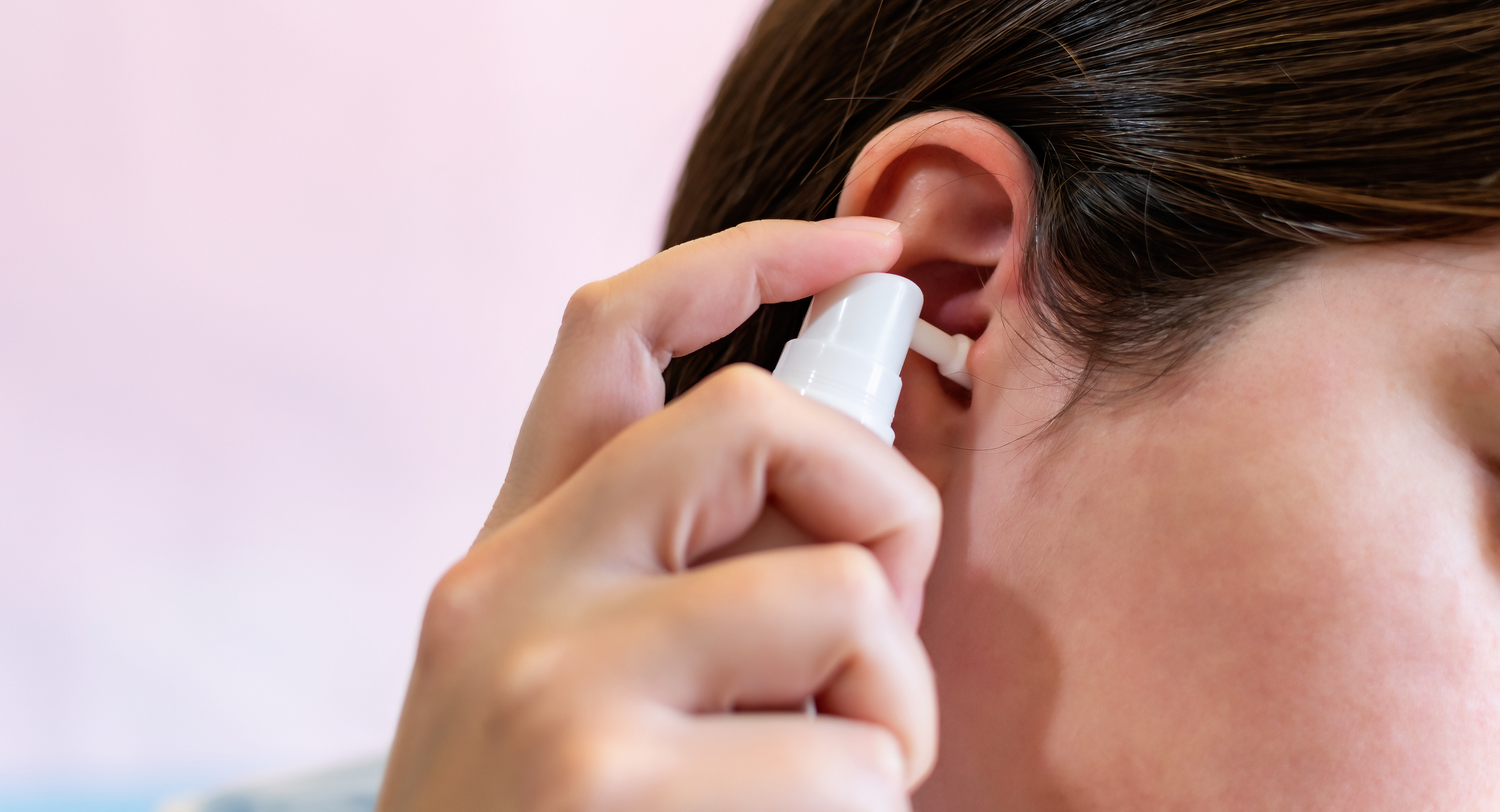
Nasal irrigation is an at-home treatment used to rinse your sinuses when they are clogged. With nasal irrigation, you flush away the clog using a saline solution with a Neti pot or a rinse bottle. Irrigation thins the mucus causing the clog and rinses away any substances that cause swelling.

Using water that doesn’t contain substances that could irritate your sinuses or make you sick is essential. Most water contains trace amounts of minerals, germs, pesticides, and other substances. You don’t want to introduce these substances to your sinuses during nasal irrigation. The water that should be used for nasal irrigation includes:

  • Distilled or sterile water- distilled water is purified. It has gone through a process to remove materials that could irritate your nasal passageways and germs that may make you sick.
  • Boiled water- boiling water kills harmful organisms like bacteria. Boil water for five minutes to ensure you have killed all the germs. If you can’t use it immediately, place a lid on the container and use it within 24 hours.
  • Filtered water- certain water filters remove harmful organisms making the water safe to use. The Centers for Disease Control (CDC) offers detailed guidance about which filters are safe for nasal irrigation.

Unfortunately, not everyone can use nasal irrigation. You shouldn’t use nasal irrigation if you:

  • Have an ear infection
  • Have pressure in one or both ears
  • Have a nostril that is completely blocked
  • Had recent surgery on your ears or sinuses

If you cannot use nasal irrigation, some alternative remedies for sinus congestion include:

  • Drinking fluids
  • Moisturizing your sinuses
  • Applying warm compresses to your face
  • Sleeping with your head elevated
  • Eating spicy foods
  • Taking a decongestant
  • Trying a nasal spray

If you are experiencing any problems from sinus congestion, visit Flushing Hospital Medical Center’s Ambulatory Care Center. To schedule an appointment, please call (718) 670-5486. If there is an emergency, please call 911.

All content of this newsletter is intended for general information purposes only and is not intended or implied to be a substitute for professional medical advice, diagnosis or treatment. Please consult a medical professional before adopting any of the suggestions on this page. You must never disregard professional medical advice or delay seeking medical treatment based upon any content of this newsletter. PROMPTLY CONSULT YOUR PHYSICIAN OR CALL 911 IF YOU BELIEVE YOU HAVE A MEDICAL EMERGENCY.

Flu Season Precautions

We are in December and physician’s offices and hospital emergency rooms are reporting flu cases. No one wants to catch the flu, so it is important to take proper precautions to help keep you and others healthy.

Here are a few ways we can prevent getting the flu:

  • Everyone who is six months and older should get vaccinated every year
  • Avoid close contact with people who are sick
  • Wash your hands frequently with soap and water
  • Keep hand sanitizer handy for the times when soap and water aren’t available
  • Avoid touching your hands to your eyes, nose, and mouth
  • Disinfect surfaces that are frequently used by others often
  • Clean your drinking glasses and dishes with hot soapy water
  • Keep your immune system healthy by eating a balanced diet, exercising regularly, and getting a good night’s sleep
  • Tobacco can suppress the immune system, so it is recommended to quit smoking

If you are experiencing flu symptoms, visit Flushing Hospital Medical Center’s Ambulatory Care Center. To schedule an appointment, please call (718) 670-5486. If there is an emergency, please call 911.

All content of this newsletter is intended for general information purposes only and is not intended or implied to be a substitute for professional medical advice, diagnosis or treatment. Please consult a medical professional before adopting any of the suggestions on this page. You must never disregard professional medical advice or delay seeking medical treatment based upon any content of this newsletter. PROMPTLY CONSULT YOUR PHYSICIAN OR CALL 911 IF YOU BELIEVE YOU HAVE A MEDICAL EMERGENCY.

Holiday Cooking Safety Tips

The holiday season brings families and friends together. They gather around to eat a delicious meal. Unfortunately, many dangers can occur when preparing a delicious holiday meal. Here are some helpful tips to keep you safe when cooking for the holidays:

  • Wash your hands frequently when handling food
  • Keep raw meat away from fresh produce
  • Cook food thoroughly
  • Use separate cutting boards, plates, and utensils for uncooked and cooked meats to avoid cross-contamination
  • Refrigerate hot or cold leftover food within two hours of serving it
  • Don’t wear loose clothing while cooking
  • Never leave food that is cooking unattended
  • Clean cooking surfaces regularly to prevent grease buildup
  • Keep children and pets away from the cooking area
  • Keep any objects that may be flammable away from the stove
  • Use a timer to remind yourself that the stove or oven is on
  • Install a smoke alarm near your kitchen, on each level of your home, near sleeping areas, and inside and outside bedrooms if you sleep with doors closed
  • Consider purchasing a fire extinguisher to keep in your kitchen
  • Always check the kitchen before bed or leaving the house to ensure all stoves, ovens, and small appliances are turned off
  • Keep the floor clear of any tripping hazards
  • Exercise caution when handling hot liquids and foods

Whether you are prepping, cooking, or serving food this holiday season, it is important to take the proper precautions to ensure that you and your loved ones enjoy a happy, healthy, safe holiday. If you experience any problems, visit Flushing Hospital Medical Center’s Ambulatory Care Center. To schedule an appointment, please call (718) 670-5486. If there is an emergency, please call 911.


All content of this newsletter is intended for general information purposes only and is not intended or implied to be a substitute for professional medical advice, diagnosis or treatment. Please consult a medical professional before adopting any of the suggestions on this page. You must never disregard professional medical advice or delay seeking medical treatment based upon any content of this newsletter. PROMPTLY CONSULT YOUR PHYSICIAN OR CALL 911 IF YOU BELIEVE YOU HAVE A MEDICAL EMERGENCY.

Alcohol Addiction during the Holidays

There are plenty of occasions during the holidays to celebrate with an alcoholic beverage. According to the National Institute on Alcohol Abuse and Alcoholism (NIAAA), there is a noticeable increase in alcohol consumption during the holidays, such as Christmas and New Year’s.

Studies suggest that there is a significant gender disparity when it comes to holiday drinking as men are more likely to engage in risky behaviors and consume larger quantities of alcohol during the holidays. On the other hand, women may be at a greater risk of adverse health effects due to their typically lower tolerance for alcohol.

Binge drinking is also a significant concern during the holidays as individuals may consume excessive amounts of alcohol in a short time. This can lead to alcohol poisoning, accidents, and impaired decision-making.

Maintaining sobriety during the holidays can be challenging. Some helpful tips to help you abstain from drinking alcohol include:

  • Plan ahead
  • Seek support
  • Avoid Triggers
  • Focus on non-alcoholic options
  • Practice self-care
  • Develop coping strategies
  • Communicate with loved ones
  • Lend a helping hand

If you are experiencing an alcohol use disorder, Flushing Hospital Medical Center’s Division of Addiction Services can help. To learn more about our Chemical Dependence Unit, a safe place to experience alcohol withdrawal, please call (718) 670-5693 or (718) 670-5540. To learn more about our Reflections addiction treatment program, please call (718) 670-5078.

All content of this newsletter is intended for general information purposes only and is not intended or implied to be a substitute for professional medical advice, diagnosis or treatment. Please consult a medical professional before adopting any of the suggestions on this page. You must never disregard professional medical advice or delay seeking medical treatment based upon any content of this newsletter. PROMPTLY CONSULT YOUR PHYSICIAN OR CALL 911 IF YOU BELIEVE YOU HAVE A MEDICAL EMERGENCY.
Winter Dehydration

Dehydration in the winter may seem less likely than in the summertime, but it is still a risk. According to the U.S. National Academies of Sciences, Engineering, and Medicine, the recommended amount of daily fluid intake is around 15.5 cups for men and 11.5 for women. For many of us, it might be harder to reach these quantities during the winter months.

Some causes of winter dehydration include:

  • Indoor heat
  • Bundling up in too many layers
  • Lack of thirst
  • Fluid loss from respiration
  • More frequent urination

There are many signs of dehydration, including:

  • The color of your urine
  • Constipation
  • Fatigue
  • Dry mouth and chapped lips
  • Dry skin
  • Headaches
  • Difficulty concentrating
  • Irritability
  • Feeling faint or dizzy
  • A rapid heart rate

Here are some tips for staying hydrated in the winter:

  • Drink warm fluids if it is too difficult to drink cold water when it’s cold outside.
  • Infuse plain water by adding flavorings such as a wedge of lemon or lime, other pieces of fruit, or unsweetened water enhancers.
  • Carry a reusable water bottle with you to encourage daily hydration.
  • Eat homemade soups and water-rich fruits and vegetables to help increase fluid intake.
  • Avoid drinking caffeine as it can contribute to dehydration.
  • Swap drinking an alcoholic beverage for a mocktail.
  • Make hydration a routine by drinking a certain amount of water daily.

If you have symptoms of dehydration, consult with a physician immediately. A severe case of dehydration can lead to complications and potentially death. For less severe cases, you can schedule an appointment with a physician at Flushing Hospital Medical Center by calling 718-670-5486.

All content of this newsletter is intended for general information purposes only and is not intended or implied to be a substitute for professional medical advice, diagnosis or treatment. Please consult a medical professional before adopting any of the suggestions on this page. You must never disregard professional medical advice or delay seeking medical treatment based upon any content of this newsletter. PROMPTLY CONSULT YOUR PHYSICIAN OR CALL 911 IF YOU BELIEVE YOU HAVE A MEDICAL EMERGENCY.

Smoking and Oral Health

Most people know that smoking is bad for their health. It causes many different health problems and fatal diseases. However, many people don’t realize the damage that smoking does to their mouths, gums, and teeth.

Smoking can lead to tooth staining, gum disease, tooth decay, tooth loss, and in more severe cases oral cancer. Smoking can also lead to other dental problems, including:

  • Bad breath
  • Cavities
  • Inflammation of the salivary gland openings on the roof of the mouth
  • Increased buildup of plaque and tartar on the teeth
  • Increased loss of bone within the jaw
  • Increased risk of white patches inside the mouth called leukoplakia
  • Delayed healing process following tooth extraction, periodontal treatment, or oral surgery
  • Lower success rate of dental implant procedures

If you smoke cigarettes or use other types of tobacco products, quitting is an important health decision to make for many reasons. Here are some tips to help you quit smoking:

  • Set a quit date
  • Seek support
  • Find healthy alternatives
  • Remove triggers
  • Consider nicotine replacement theory (NRT)
  • Stay positive
  • Reward yourself

Enrolling in a smoking cessation program can greatly improve your chances of quitting successfully.

For more information about smoking cessation programs or to register for our program, call: (718) 206-8494.

If you’re experiencing dental health problems, it is important to visit a dentist to ensure you’re receiving the most effective treatment possible. To schedule an appointment at Flushing Hospital Medical Center’s Department of Dental Medicine, please call (718) 670-5521.

All content of this newsletter is intended for general information purposes only and is not intended or implied to be a substitute for professional medical advice, diagnosis or treatment. Please consult a medical professional before adopting any of the suggestions on this page. You must never disregard professional medical advice or delay seeking medical treatment based upon any content of this newsletter. PROMPTLY CONSULT YOUR PHYSICIAN OR CALL 911 IF YOU BELIEVE YOU HAVE A MEDICAL EMERGENCY.