Dealing With Holiday Stress

During the holiday season, many of us struggle to complete an extensive list of tasks in what often feels like very little time.   We run rampant decorating our homes, attending social gatherings, shopping for loved ones, volunteering, traveling or cooking.  These activities are often added to our already busy schedules, which can make us feel overwhelmed.

Contrary to what we may think, these activities which should make us feel happy can actually increase our stress levels.

Although there are various factors such as unrealistic expectations or financial strain that contribute to holiday stress, finding ways to avoid stressors or minimize their effects is very important. If stress is not managed well, it can have a significantly negative impact on our health.

Mental health professionals at Flushing Hospital Medical Center offers  five tips to help you cope with holiday stress and maintain good mental health:

  1. Set realistic goals– Unrealistic goals often equal added pressure and expectations that cannot be met. If these goals are not met, they can lead to negative feelings such as inadequacy or hopelessness.
  2. Know when to take a moment for yourself (Take a break) – We are often pulled in multiple directions during this time of the year. Know when to take a breather to decompress and clear your mind.
  3. Communicate- The added pressures of the holidays are clearly overwhelming and one of the ways that people sometimes deal with this is to isolate themselves. This is not recommended; instead, reach out to loved ones or a trained mental health professional to communicate how you feel.
  4. Do not neglect healthy habits– Taking good care of your health can help combat holiday stress. Moderating your food intake, fitting in a few minutes of exercise and getting adequate amounts of sleep can be profoundly beneficial for your health.   Additionally, maintaining a healthy daily routine can help take your mind off holiday demands.
  5. Ask for help- We live in a time where multitasking has become the norm but if you begin to feel overwhelmed, ask for help. Soliciting the help of friends or family can alleviate some of the holiday pressure. The holidays can also trigger depression; if you are experiencing symptoms of depression ask for help from loved ones or seek the assistance of a mental health professional.

The holiday season can be overwhelming; however, by applying these helpful tips you can take the steps needed to minimize stress and make this time of year more enjoyable.  If you find that you continue to experience elevated levels of stress or symptoms of depression, it is recommended that you seek the help of mental health professional immediately.

To schedule an appointment with the Mental Health Clinic at Flushing Hospital Medical Center, please call 718-670-5562.

All content of this newsletter is intended for general information purposes only and is not intended or implied to be a substitute for professional medical advice, diagnosis or treatment. Please consult a medical professional before adopting any of the suggestions on this page. You must never disregard professional medical advice or delay seeking medical treatment based upon any content of this newsletter. PROMPTLY CONSULT YOUR PHYSICIAN OR CALL 911 IF YOU BELIEVE YOU HAVE A MEDICAL EMERGENCY.


Choosing Safe Toys For Children This Holiday Season

The holiday season is the best time of the year to buy toys for children. However, parents are often overwhelmed by a larger selection and choosing the best toy can become challenging.  The most important thing to remember when choosing toys for toddlers is picking toys that are safe and appropriate for their age.

Each year hospital E.R.’s are visited by over 200,000 young children, typically under the age of three, who have incurred toy-related injuries.   These injuries can be avoided if parents keep these guidelines in mind when buying toys:

  • Carefully read warning labels
  • Do not buy toys with small and removable parts
  • Check to see if toys are on a recall list by visiting sites such as recalls.gov or cpsc.gov.
  • Avoid buying toys with parts that launches or projects
  • Do not purchase toys with sharp edges or points
  • Make certain that cords or strings are shorter that seven inches
  • Avoid buying toys that make extremely loud noises
  • Check to see if toys have been tested for lead based paint by visiting websites such as www.ecocenter.org

Most toys come with warning labels that advise parents of potential choking hazards and compatibility by age group. Parents should pay close attention to these labels and also do due diligence by researching toys and inspecting them for further dangers.

All content of this newsletter is intended for general information purposes only and is not intended or implied to be a substitute for professional medical advice, diagnosis or treatment. Please consult a medical professional before adopting any of the suggestions on this page. You must never disregard professional medical advice or delay seeking medical treatment based upon any content of this newsletter. PROMPTLY CONSULT YOUR PHYSICIAN OR CALL 911 IF YOU BELIEVE YOU HAVE A MEDICAL EMERGENCY.

Safe COVID-19 Holiday Shopping Tips

2020 has been a year where we have altered so many aspects of our daily lives. With the arrival of the holiday season, it only makes sense that we will also be forced to change the way we do our holiday shopping.

Normally, during this time of year, malls would be packed as shoppers seek the perfect holiday gifts for their loved ones. Unfortunately, the COVID-19 pandemic has affected our ability (or comfort level) to go to conventional brick-and-mortar stores.

To help you prepare for a very different holiday shopping season, Flushing Hospital is offering the following safety tips:

  • Shop from home – Recent studies have indicated that nearly half of Americans plan to complete most of their holiday shopping online this year. If you plan to do this, please keep in mind that this uptick in online shopping could mean inventory shortages and shipping delays, so it is recommended to start early.
  • Look at alternative types of gifts – There has never been a time when do-it-yourself gifts are more appropriate. In addition to helping you avoid going to stores, they are also fun gifts to receive because they are thoughtful and made with love. If you are not that crafty, you should consider other gift options, such as gift cards, streaming service subscriptions, meal kits or boxes, or even making a charitable donation on behalf of the gift recipient.
  • Start early – Some gifts however might be best purchased in person. If you plan on going to the mall, try to start your shopping early before the holiday rush. Many stores have not waited for “Black Friday” to begin their holiday sales, so it is easier to find bargains now and avoid last-second craziness. Also try to shop at non-peak times such as early in the day or during the week to avoid the crowds.
  • Support local businesses – If possible, try to shop locally and support some of the smaller businesses in your community. These “mom and pop” stores could benefit from your support and they may also be a safer option than some of the larger, more crowded stores.
  • Understand the new reality – Many stores have put into place shopping restrictions and regulations for the safety of their employees and customers. This may include limiting the number of shoppers allowed into the store at one time. Some stores are even creating shopping appointments for their customers. While these regulations might prolong your shopping experience, they are intended for your protection so please exercise patience.

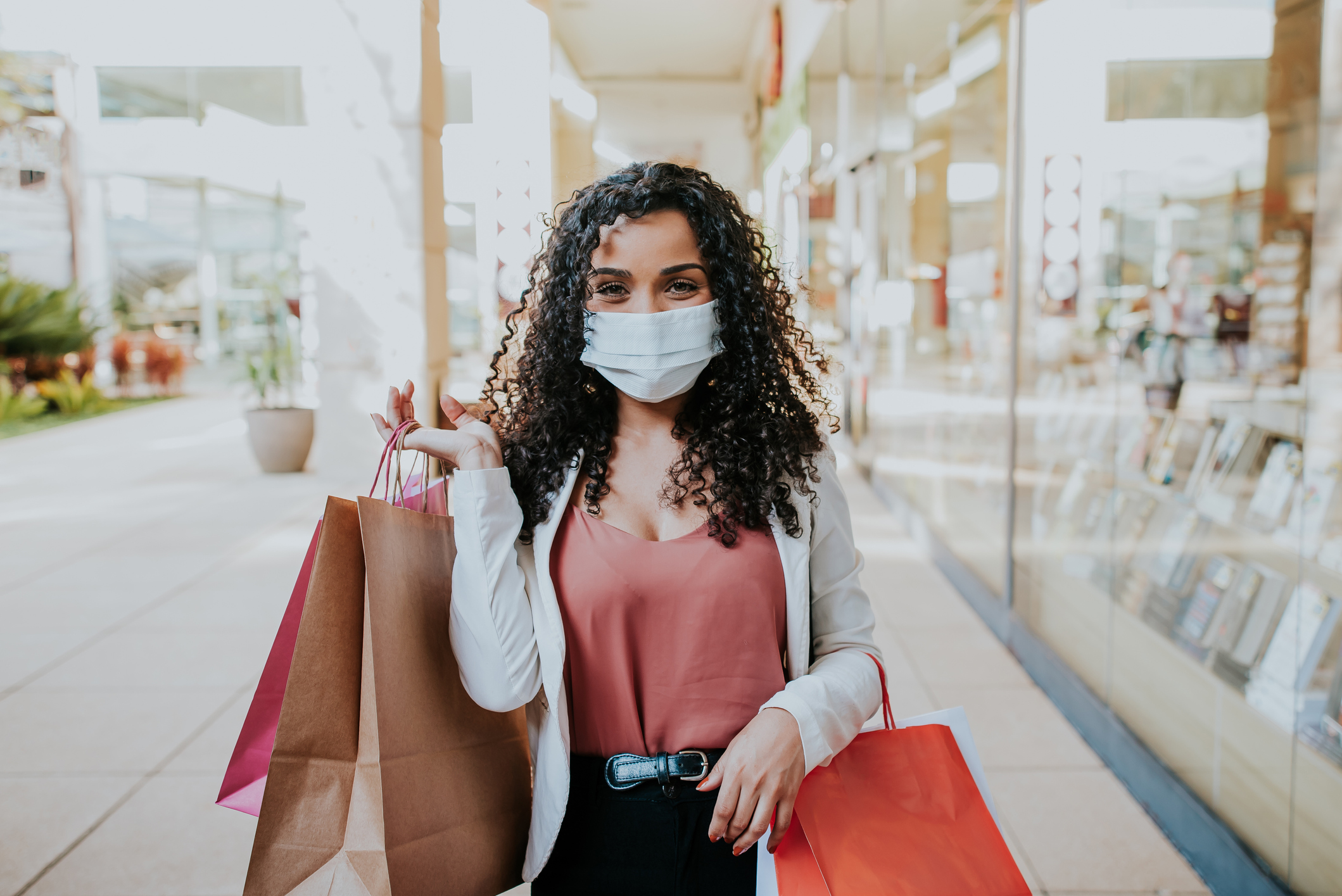
As with every other aspect of life, when shopping, it is extremely important to follow all safety measures when shopping. This includes wearing a mask at all times and practicing proper hand washing and social distancing rules to limit your chances of contracting COVID or any other transmittable disease.

All content of this newsletter is intended for general information purposes only and is not intended or implied to be a substitute for professional medical advice, diagnosis or treatment. Please consult a medical professional before adopting any of the suggestions on this page. You must never disregard professional medical advice or delay seeking medical treatment based upon any content of this newsletter. PROMPTLY CONSULT YOUR PHYSICIAN OR CALL 911 IF YOU BELIEVE YOU HAVE A MEDICAL EMERGENCY.

What Type Of Flu Vaccine Is Best For Seniors

With flu season upon us, it is recommended that everyone six months and older receive their annual influenza (flu) vaccine.  This is especially true for senior citizens as they are at a greater risk of developing serious complications from the flu. While there is no debate over whether or not seniors should get their flu shot, there is one about what type of vaccine they should receive.

Many providers are now recommending that patients over the age of 65 receive the vaccine Fluzone, a higher dose injectable vaccine formulated specially for seniors.  Like other flu vaccines, Fluzone is comprised of three different strains of the influenza virus that are most likely to cause the flu during the upcoming season.  However, Fluzone contains four times the amount of antigen (the inactivated virus that promotes a protective immune response) as a regular flu vaccine and produces a stronger immune response.

This high-dose vaccine was created specifically for seniors because their immune defenses are weakened due to their age. It is estimated that approximately 75% of seasonal flu-related deaths have occurred in people 65 years and older and between 50% and 70% of seasonal flu-related hospitalizations have occurred among people in this age group.

The results of seniors who have taken high-dose vaccines are promising. Initial studies have indicated that 25% fewer cases of influenza occurred in adults 65 years or older who took the high-dose vaccine compared with those who took the standard-dose vaccine, but other studies also revealed that seniors who received the high-dose vaccine were more likely to develop side effects, such as a fever and soreness at the injection site, during the week after vaccination.

If you are over 65 years old and still haven’t received your flu vaccine this year, speak to your doctor about whether or not a high-dose vaccine is right for you.

If you would like to make an appointment with a doctor at Flushing Hospital, please call 718-670-5486.

All content of this newsletter is intended for general information purposes only and is not intended or implied to be a substitute for professional medical advice, diagnosis or treatment. Please consult a medical professional before adopting any of the suggestions on this page. You must never disregard professional medical advice or delay seeking medical treatment based upon any content of this newsletter. PROMPTLY CONSULT YOUR PHYSICIAN OR CALL 911 IF YOU BELIEVE YOU HAVE A MEDICAL EMERGENCY.

Taking Care of Your Skin in Winter

Winter can be a particularly harsh season for our skin. Not only is the cold temperature to blame but also the dry air which affects the skin.  A major reason skin becomes dry is because of the low humidity in the environment. Another reason is because we spend more time indoors where heating systems tend to warm the air and deplete the water content in the environment.

Dry skin most commonly appears as being rough and flaky patches on the arms and legs which are typically the areas exposed to the air. In more severe cases, the skin will develop creases and cracks when it is extremely dry. The feet and hands frequently show deep fissures and cracks during the winter months because the skin tends to be thinner and there is less protection from micro trauma.

The outer layer of the skin is called the stratum corneum. It is composed of dead skin cells and natural oils that act as a protective layer, preventing water from evaporating from the surface. When the outer layer becomes compromised, water begins to evaporate, outer skin cells become flaky and will cause cracks and fissures.

Steps we can take to prevent dry skin:

• Bathe in warm water, never hot
• Use mild soaps that contain moisturizing creams
• Pat the skin dry with soft towels
• Use a moisturizer several times a day on exposed areas of the body.
• Drink a lot of water
• Apply sunscreen to prevent drying out from the sun’s rays
• Wear gloves
• Avoid wearing wet articles of clothes outdoors.
• Have a humidifier in the home

If you would like to schedule an appointment with a dermatologist at Flushing Hospital Medical Center to discuss dry skin and how best to treat it, please call 718-670-5486.

All content of this newsletter is intended for general information purposes only and is not intended or implied to be a substitute for professional medical advice, diagnosis or treatment. Please consult a medical professional before adopting any of the suggestions on this page. You must never disregard professional medical advice or delay seeking medical treatment based upon any content of this newsletter. PROMPTLY CONSULT YOUR PHYSICIAN OR CALL 911 IF YOU BELIEVE YOU HAVE A MEDICAL EMERGENCY.

Holiday Safety Tips For the Home

Decorating your home for the holidays is always so much fun, but did you know that each year an estimated 250 house fires nationwide are caused by faulty holiday lights? Here are some tips for keeping your home safe this year:

• Before stringing holiday lights always check the sockets to ensure they are not broken or cracked.

• Never use indoor lights for outdoors use.

• Turn off the indoor tree lights before going to bed or whenever you leave the house.

• Do not connect more than three sets of lights to each extension cord.

• Make sure that your lights have safety labels and are made by reputable companies.

• Do not use candles on or near a tree.

• Place your tree and gift wrapped presents away from sources of heat such as fireplaces.

• Make sure that your tree is secured firmly to its base so that it can’t tip over.

• Artificial trees should be fire resistant.

• Always keep a fire extinguisher handy and accessible in case of emergency.

Benny Quiles, Director of Safety and Fire Safety at Flushing Hospital says “a small Christmas tree fire can spread and grow large very quickly. Use flame retardant decorations. make sure your smoke detectors have working batteries and never block fire exits.”

Don’t ruin your holiday by being careless. A little common sense and taking some precautions will ensure a joyous holiday for you and your family.

All content of this newsletter is intended for general information purposes only and is not intended or implied to be a substitute for professional medical advice, diagnosis or treatment. Please consult a medical professional before adopting any of the suggestions on this page. You must never disregard professional medical advice or delay seeking medical treatment based upon any content of this newsletter. PROMPTLY CONSULT YOUR PHYSICIAN OR CALL 911 IF YOU BELIEVE YOU HAVE A MEDICAL EMERGENCY.

How to Prevent Dehydration During the Summer Heat

With the summer and warmer weather upon us causing more and more people to begin to participate in outdoor activities. Before you begin, make sure you drink plenty of water in order to avoid dehydration. Here are some tips to help you stay hydrated:


  • The rule that you need to drink eight glasses of water per day is a myth. The Institute of Medicine recommends women should receive 2.2 liters of fluid intake per day and men should get three liters. Keep in mind that fluid intake can come from beverages other than water.
  • While thirst is your body’s way of preventing dehydration, being thirsty doesn’t mean that you are dehydrated. Thirst is our brain’s way of telling us to drink more to avoid dehydration.
  • The color of your urine is a good, real-time indicator of dehydration, but the misconception is that urine should be clear. In truth, urine should be a pale-yellow color.
  • Caffeinated beverages, such as coffee or tea will not dehydrate you if consumed in moderate amounts. Caffeine is considered a mild diuretic, the amount of water in it offsets the amount of fluid it will cause you to lose through increased urination.
  • Drinking isn’t the only way of increasing your water intake. It is estimated that we get up to 20% of our daily water intake from the foods we eat. Fruits and vegetables contain the most, with cucumbers, celery, and watermelon having the highest concentration of water.
  • There is also such a thing as drinking too much water and becoming overhydrated. This can be very dangerous and can lead to a condition called hyponatremia. Symptoms include nausea, vomiting, headache, and fatigue. To avoid this problem, do not drink to the point that you are full from water alone.

All content of this newsletter is intended for general information purposes only and is not intended or implied to be a substitute for professional medical advice, diagnosis or treatment. Please consult a medical professional before adopting any of the suggestions on this page. You must never disregard professional medical advice or delay seeking medical treatment based upon any content of this newsletter. PROMPTLY CONSULT YOUR PHYSICIAN OR CALL 911 IF YOU BELIEVE YOU HAVE A MEDICAL EMERGENCY.

Flushing Hospital Offers Tips to Avoid Mosquito Bites This Summer

The summer is here and that means longer days and evenings spent outdoors. It also means an increased risk of getting bitten by mosquitos.

Mosquito bites occur when a female mosquito feeds on your blood. Mosquitoes select their victims by evaluating scent, exhaled carbon dioxide and the chemicals in a person’s sweat. When bitten, the proteins in the mosquito’s saliva trigger a mild immune system reaction. That reaction appears as a white, itchy bump on our skin.

The bump usually clears up on its own in a few days, but occasionally a mosquito bite can cause a large area of swelling, soreness and redness. This type of reaction is most common in children or adults not previously exposed to the type of mosquito that bit them, and people with immune system disorders. In these people, mosquito bites can also trigger a low-grade fever, hives, or swollen lymph nodes.

If mosquito bites lead to more serious symptoms — such as fever, headache, body aches and signs of infection — contact your doctor.

Mosquitos are also carriers of many diseases, including West Nile virus, malaria, yellow fever and dengue fever. While most of the diseases carried by mosquitos are found in other parts of the world, West Nile virus is now transmissible in the United States. In fact, doctors from Flushing Hospital were the first to identify the initial outbreak in 1999 and worked with health authorities to limit the exposure to the community.

Now Flushing Hospital wants to offer our community the following tips on how they can protect themselves from mosquito bites:

  • Wear protective clothing such as long pants and long sleeved shirts, particularly between dusk and dawn when mosquitos are most active
  • Avoid shaded, bushy areas where mosquitos like to rest
  • Remove any places where standing water can collect on your property, such as tires, cans, plastic containers fire pits, or pots
  • Make sure your roof gutters drain properly. Clean clogged gutters in the spring and the fall
  • Clean and chlorinate your swimming pools, outdoor saunas or hot tubs and drain water from pool covers
  • Change the water in your bird baths at least every three to four days
  • If you have severe reactions to mosquito bites, consider taking a non-drowsy, nonprescription antihistamine when you know you’ll be exposed to mosquitoes
  • Apply insect repellents that contain DEET as they are considered most effective

When applying insect repellent, it is important to follow a few safety measures including making sure you spray it on outdoors and away from food. If you’re using sunscreen, put it on about 20 minutes before applying the repellent and don’t apply repellent over sunburns, cuts, wounds or rashes.  When you go indoors, wash with soap and water to remove any remaining repellent.

Insect repellent with DEET is generally safe for children and adults, with a few exceptions. It is important to read the label carefully as infants and those with immunity complications should not use it. If you have any questions, you should consult your doctor.

By taking these precautions, Flushing Hospital hopes to help you limit your chances of becoming bit by a mosquito this summer.

All content of this newsletter is intended for general information purposes only and is not intended or implied to be a substitute for professional medical advice, diagnosis or treatment. Please consult a medical professional before adopting any of the suggestions on this page. You must never disregard professional medical advice or delay seeking medical treatment based upon any content of this newsletter. PROMPTLY CONSULT YOUR PHYSICIAN OR CALL 911 IF YOU BELIEVE YOU HAVE A MEDICAL EMERGENCY.

Can Hand Sanitizer Prevent the Flu?

During the flu season and throughout the year, protecting against bacteria is a battle fought nationally. There may be varying medical opinions, but the Centers for Disease Control and Prevention (CDC) is clear on their opinion

According to the CDC, if soap and water is not available, it is recommended that you use an alcohol-based hand sanitizer that contains at least 60% alcohol.

The CDC cautions that when using a hand sanitizer, you should make sure that all organics (i.e. dirt, food) should be removed from hands prior to applying the hand sanitizer.

After removing the surface substance, it is recommended that you apply a dime sized amount of waterless hand sanitizer to the palm of your hand, rub your hands together making sure to cover all surfaces of the hands and fingers and rub until the hand sanitizer is absorbed.

Some benefits of using a waterless hand sanitizer are:

  • Requires less time than hand washing with soap and water
  • Dries quickly on hands
  • Is more accessible than sinks
  • Reduces the bacterial count on hands
  • Can be less irritating to skin than soap and water

Although medical professionals may have different opinions on how to most effectively protect against bacteria, they all agree that hand washing with soap and water is the best way to reduce the number of germs in most instances.


All content of this newsletter is intended for general information purposes only and is not intended or implied to be a substitute for professional medical advice, diagnosis or treatment. Please consult a medical professional before adopting any of the suggestions on this page. You must never disregard professional medical advice or delay seeking medical treatment based upon any content of this newsletter. PROMPTLY CONSULT YOUR PHYSICIAN OR CALL 911 IF YOU BELIEVE YOU HAVE A MEDICAL EMERGENCY.

Safety Tips For Shoveling Snow This Winter

Winter and snow go hand in hand and this weekend’s forecast calls for snow. In preparation of this, Flushing Hospital would like to provide you with some heart health tips before you go out to shovel snow.

By now, we have all heard about the risk of shoveling snow and suffering a heart attack, but is this true? The fact is shoveling snow (or to a less extent, even pushing a heavy snow blower) is considered a more strenuous activity than running full speed on a treadmill.  But why should pushing around some white flakes be more dangerous than any other form of exercise?

The biggest reason why heart attacks are so common while snow shoveling has as much to do with the weather as it does with the activity.  The cold temperature is a key contributor to the onset of a heart attack. Frozen temperatures can boost blood pressure, interrupt blood flow to the heart, and make blood more likely to clot.

Another factor to consider is who is doing the shoveling.  If you are a healthy and physically fit individual there is much less of a risk to suffer a heart attack, but unfortunately not everyone who attempts to shovel snow fits into that category. For those who do not exercise as frequently, (especially during the winter when we tend to be less active) or have a history of hypertension or heart disease need to follow the following tips before going out to shovel:

  • Avoid shoveling as soon as you wake up as this is when most heart attacks occur
  • Do not drink coffee, eat a heavy meal or smoke cigarettes immediately before or while shoveling
  • Warm up your muscles before you begin
  • Shovel many light loads instead of fewer heavy ones
  • Take frequent breaks
  • Drink plenty of water to avoid dehydration

Know the early signs and symptoms of a heart attack. If you experience a squeezing pain in your chest, shortness of breath, racing heartbeat, pain radiating from your left shoulder and down your left arm, cold sweats, accompanied by fatigue and nausea, stop shoveling, go inside and call 911 immediately.
If you are at a high risk of suffering a heart attack, avoid shoveling snow completely. Try asking a family member, friend or neighborhood teen to help you out.

All content of this newsletter is intended for general information purposes only and is not intended or implied to be a substitute for professional medical advice, diagnosis or treatment. Please consult a medical professional before adopting any of the suggestions on this page. You must never disregard professional medical advice or delay seeking medical treatment based upon any content of this newsletter. PROMPTLY CONSULT YOUR PHYSICIAN OR CALL 911 IF YOU BELIEVE YOU HAVE A MEDICAL EMERGENCY.