3 Diet Tips for Healthy Holiday Eating

If you’re pursing a weight loss goal or must abide by specific dietary restrictions due to a medical problem, you may be concerned about how your gatherings with friends and family for the holidays may affect your health.

Many celebrations with family and friends include plenty of indulgent meals and treats that can potentially set your weight loss goals back or otherwise negatively impact your health.

Although holiday gatherings may present certain challenges, there is no need to stress yourself out about sticking to your diet. A few key guidelines that emphasize moderation and patience can help you navigate your way through this part of the year in a way that preserves your health and allows you to focus on enjoying your time with your loved ones. These include:

Arriving with (and sticking to) a plan: Before your holiday gathering begins, determine ahead of time how much food you intend to eat. This may vary depending on your individual dietary restrictions and weight goals; if possible, find out what kind of food is being prepared ahead of time. If a particular option would be ideal for you, make it known to the hosts of the gathering ahead of time or prepare it yourself. Once you’ve determined the types and amounts of food you plan to eat, stick to that plan throughout the day.

Drink plenty of water: You will find your food to be much more filling when you drink lots of water. Try to drink roughly one glass of water each hour; you may find this easier by drinking one cup of water before your meal, one cup during the meal, and one cup afterward.

Talk to your loved ones: Remember that the main point of your holiday gathering is to spend time with the people you love and enjoy their company. Instead of absent-mindedly picking at hors d’oeuvres, focus on having conversations with the people around you and participating in the moment.

If you struggle to manage your diet during the holidays or any other part of the year, a doctor at Flushing Hospital Medical Center’s Ambulatory Care Center may be able to help. To schedule an appointment, please call (718) 670-5486.

All content of this newsletter is intended for general information purposes only and is not intended or implied to be a substitute for professional medical advice, diagnosis or treatment. Please consult a medical professional before adopting any of the suggestions on this page. You must never disregard professional medical advice or delay seeking medical treatment based upon any content of this newsletter. PROMPTLY CONSULT YOUR PHYSICIAN OR CALL 911 IF YOU BELIEVE YOU HAVE A MEDICAL EMERGENCY.
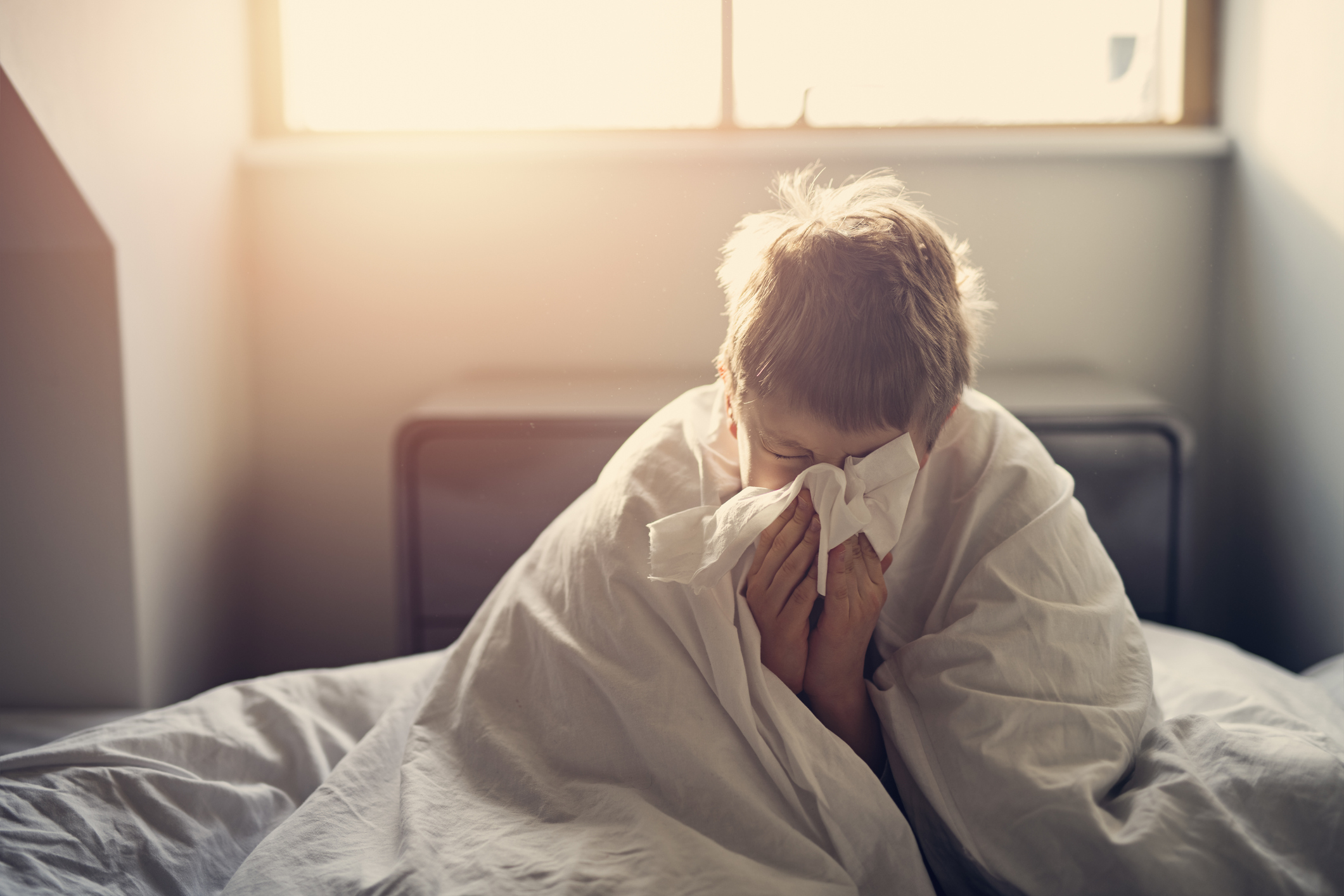
How to Cope with Holiday Depression

While the holiday season is a typically cheerful time of year, many people may feel the opposite, particularly those who suffer from mental health conditions such as chronic depression. However, even people without existing mental health problems may feel the “holiday blues” for two common reasons: loneliness and stress.

A variety of factors may cause many people to isolate themselves from friends and family during the holiday season. This can take a toll on someone mentally, particularly if they are repeatedly subjected to social media posts, movies, and other imagery depicting other people enjoying their own holiday gatherings.

Even people preparing for gatherings with large numbers of loved ones, however, may find themselves experiencing symptoms of depression, particularly if they’re responsible for hosting their group. Whether you’re striving to meet the high expectations of your family, friends, or yourself, cleaning, preparing food, and picking out the right gifts can create a significant amount of stress. If this stress builds up too much, it may cause you to start feeling depressed as you take on a negative view of yourself or look for an escape.

Regardless of the causes of your holiday depression, there are steps you can take to manage your symptoms and enjoy the season to the best of your ability. These include:

Getting out of the house: This may be your first holiday season without some or all of your family and friends. However, this does not mean you have to spend it alone at home. Whether it involves contacting family members or friends you haven’t spoken to in a long time or treating yourself to a restaurant dinner, make a plan that involves being in the company of other people during the holidays.

Accepting your best instead of “perfect:” If you’re preparing to join or host a gathering of loved ones for the holidays and are responsible for any part of the celebration, don’t judge yourself or your efforts according to the expectations of others or a “perfect” image of your results. Instead, treat both yourself and others with kindness and patience; you are making the best effort you can as an act of love to the people around you, and that is good enough.

Check in on friends and family members: You are most likely not the only person experiencing symptoms of depression during this time of year. Certain friends and family members, even those who appear happy and content, may be feeling the same way you do. Remind them you care by contacting them to find out how they are doing and wish them well for the holidays.

If your depression symptoms worsen during the holiday season, you can talk to a mental health professional at Flushing Hospital Medical Center’s Outpatient Psychiatric Clinic by calling (718) 670-5562.

If you are experiencing severe mental health symptoms such as thoughts or actions of self-harm or are contemplating suicide, please call the Substance Abuse and Mental Health Services Administration’s confidential, 24/7 National Help Line at 1-800-662-4357 immediately.

All content of this newsletter is intended for general information purposes only and is not intended or implied to be a substitute for professional medical advice, diagnosis or treatment. Please consult a medical professional before adopting any of the suggestions on this page. You must never disregard professional medical advice or delay seeking medical treatment based upon any content of this newsletter. PROMPTLY CONSULT YOUR PHYSICIAN OR CALL 911 IF YOU BELIEVE YOU HAVE A MEDICAL EMERGENCY.

Thanksgiving Food Safety Tips

An important part of making happy memories with your family this Thanksgiving is avoiding risks such as food poisoning that may commonly occur at this time of year.

One in six people throughout the United States becomes sick from food poisoning annually. Common Thanksgiving staples such as turkey, beef, and gravy can transmit contaminants such as salmonella and clostridium perfringens, leading to a variety of potential symptoms such as nausea, vomiting, diarrhea, and fever.

Contamination can occur before your purchase, during food prep, or at any other point up until dinner is eaten, meaning that preventing foodborne illness will require effort from your whole family in a few different ways.

During food prep, you should:

  • Store frozen turkey at zero degrees Fahrenheit or below until it’s ready to thaw.
  • Thaw your turkey safely in the refrigerator, microwave, or cold water.
  • Wash your hands before and after preparing your turkey.
  • Keep produce or other foods on separate plates and cutting boards from raw turkey.
  • Thoroughly wash all items used to handle raw turkey before using them for other items.
  • Cook all food thoroughly at a safe temperature.
  • Use a meat thermometer on the innermost part of your turkey’s wing and thigh and the thickest area of its breast to ensure that it’s cooked fully to 165 degrees Fahrenheit.
  • Store leftovers at 40 degrees Fahrenheit or lower within two hours of cooking them.
  • Eat leftovers within four days of cooking them.

If you’re enjoying Thanksgiving dinner as a guest this year, you should:

  • Wash your hands frequently throughout the day, especially before touching food.
  • Point out or avoid eating any food that seems undercooked.
  • Keep unfinished food in your host’s refrigerator until you’re ready to return home.

If you experience symptoms of foodborne illness that aren’t going away, you can schedule an appointment with a doctor at Flushing Hospital Medical Center’s Ambulatory Care Center by calling (718) 670-5486. If you experience severe symptoms such as bloody vomit or diarrhea, extreme stomach pain, or blurry vision, dial 911 or get to an emergency room immediately.

Happy a happy and safe Thanksgiving!

All content of this newsletter is intended for general information purposes only and is not intended or implied to be a substitute for professional medical advice, diagnosis or treatment. Please consult a medical professional before adopting any of the suggestions on this page. You must never disregard professional medical advice or delay seeking medical treatment based upon any content of this newsletter. PROMPTLY CONSULT YOUR PHYSICIAN OR CALL 911 IF YOU BELIEVE YOU HAVE A MEDICAL EMERGENCY.

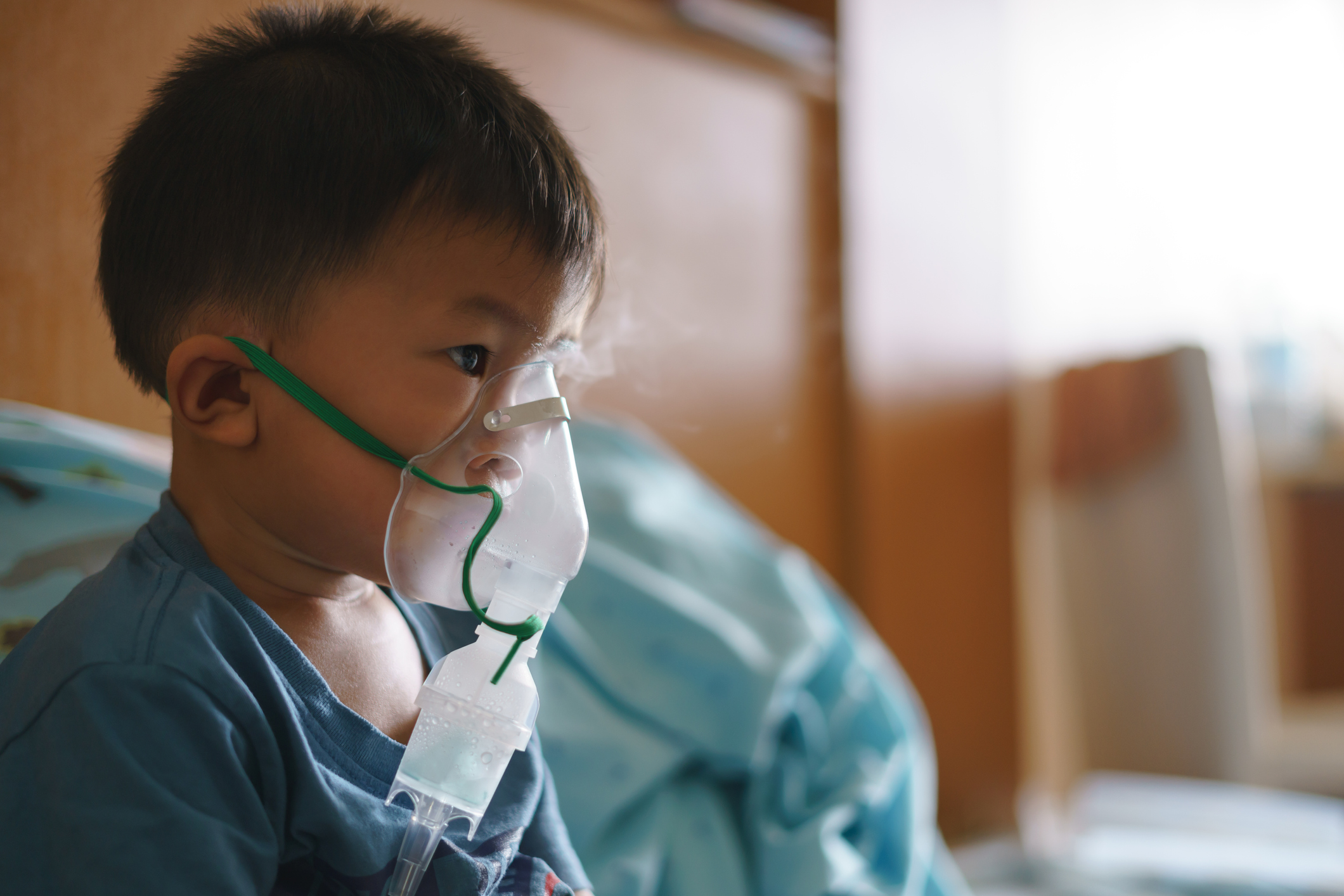
What is RSV?

RSV (respiratory syncytial virus) is a respiratory illness that is typically most prevalent during the fall, winter, and early spring seasons. Most children born in the United States will have experienced it at some point before their second birthday.

The virus often presents symptoms similar to those of a cold, including a runny nose, coughing or wheezing, fever, and decreased appetite. These symptoms usually appear approximately four to six days after infection, but may not appear all at once.

While it usually does not lead to hospitalization, RSV can be particularly dangerous to children if it causes bronchiolitis or pneumonia to develop; it’s the most common cause of both of these illnesses in children under the age of one. If an infant develops either of these conditions, becomes dehydrated, or experiences significant difficulty breathing, the situation could become more serious and require hospital care.

RSV can also be especially dangerous for older adults, accounting for approximately 177,000 hospitalizations in adults over the age of 65.

The virus is usually spread through:

  • Bodily fluids such as mucus, saliva, or droplets
  • Surfaces that have the virus on them
  • Direct contact such as kissing an infected person

The best way to decrease the risk of an older adult or infant developing RSV is to prevent as many means of transmission as possible and promptly get them medical care if their symptoms seem to be worsening.

People and children who are at risk of developing severe cases of RSV should:

  • Avoid close contact with infected people and, if possible, close-contact settings such as daycare centers where RSV can more easily spread
  • Frequently wash their hands with soap and water for 20 seconds and refrain from touching their face until after they’ve done so

If you are sick with RSV, you should:

  • Avoid close contact with non-infected people
  • Frequently clean surfaces you’ve touched with disinfectant
  • Wear a mask and/or cover coughs and sneezes with a sleeve or tissue
  • Frequently wash your hands with soap and water for 20 seconds

If you or someone you know has developed RSV symptoms that require medical attention, you can schedule an appointment at Flushing Hospital Medical Center’s Ambulatory Care Center by calling (718) 670-5486 now.

All content of this newsletter is intended for general information purposes only and is not intended or implied to be a substitute for professional medical advice, diagnosis or treatment. Please consult a medical professional before adopting any of the suggestions on this page. You must never disregard professional medical advice or delay seeking medical treatment based upon any content of this newsletter. PROMPTLY CONSULT YOUR PHYSICIAN OR CALL 911 IF YOU BELIEVE YOU HAVE A MEDICAL EMERGENCY.

Halloween 2022 Safety Tips

Halloween is a family-favorite holiday full of spooky fun and lots of candy.  However, it can also present many opportunities for injury as kids take to the streets in pursuit of trick-or-treat goodies.

Statistics show that roughly four times as many children between the ages of five and 14 are killed while walking on Halloween evening compared to other evenings of the year. Injuries due to falls and other accidents are also common among children on Halloween.

Parents can help minimize the risk of children getting injured on this holiday by following these safety tips from the American Academy of Pediatrics, the Centers for Disease Control and Prevention, and the National Safety Council.

On Halloween, children should:

  • Go only to well-lit houses.
  • Remain on porches without actually entering a house.
  • Travel in small groups accompanied by an adult.
  • Use flexible, non-sharp plastic props for costume pieces such as knives and swords.
  • When walking through neighborhoods trick-or-treating, use flashlights, stay on sidewalks, and avoid crossing yards.
  • Cross at appropriately-designated crosswalks and do not cross between parked cars.
  • Be sure to stop at all corners and stay together in a group before crossing.
  • Wear clothing or costumes that are bright, reflective, and flame-retardant.
  • Consider using face paint instead of masks that can obstruct a child’s vision.
  • Avoid wearing hats that will slide over children’s eyes.
  • Avoid wearing long, baggy, or loose costumes or oversized shoes that may cause kids to trip.
  • Be reminded to look left, right, and left again before crossing a street.

On Halloween, parents and adults should:

  • Supervise trick-or-treating for children under the age of 12.
  • Avoid giving choking hazards such as gum, peanuts, hard candies, or small toys as treats to young children.
  • Ensure the safety of pedestrian trick-or-treaters.
  • Make sure children under the age of 10 are supervised as they cross the street.
  • Drive slowly.
  • Watch for children in the street and on medians.
  • Exit driveways and alleyways slowly and carefully.
  • Have children get out of cars on the side of the sidewalk, not the street.

Follow these tips to keep both your children and yourself safe this year. Have a happy and fun Halloween!

All content of this newsletter is intended for general information purposes only and is not intended or implied to be a substitute for professional medical advice, diagnosis or treatment. Please consult a medical professional before adopting any of the suggestions on this page. You must never disregard professional medical advice or delay seeking medical treatment based upon any content of this newsletter. PROMPTLY CONSULT YOUR PHYSICIAN OR CALL 911 IF YOU BELIEVE YOU HAVE A MEDICAL EMERGENCY.

National Bullying Prevention Month

As much as 20% of children aged 12 to 18 experiencing bullying throughout the United States. It is a prevalent issue that can happen at school, home, online, or in any other place where children regularly spend time.

Bullying is a problem that holds consequences for both victims and perpetrators. Kids who get bullied are at higher risk for mental and emotional issues such as depression and anxiety, health issues, and decreased academic performance. Bullies themselves are at higher risk for substance abuse, criminal behavior, and dropping out of school. Even kids who witness bullying may face a higher risk of substance abuse, mental health problems, and absenteeism.

Deadly consequences can occur as a result of bullying. It can contribute to a victim’s risk of committing suicide or, in rare cases, to extremely violent retaliatory measures such as a mass shooting.

Preventing bullying effectively involves helping children understand bullying, teaching them how to respond to it, and providing positive examples for them to follow. You can achieve these objectives by:

  • Providing a clear explanation of what bullying is and how it affects others.
  • Helping children to identify bullying and encouraging them to report it to an adult.
  • Teaching children to treat people with respect, kindness, and empathy.

If you believe that your child is experiencing mental health or developmental problems that are causing them to bully other children or are a result of their experiences as a victim of bullying, you can schedule an appointment at Flushing Hospital Medical Center’s Developmental and Behavioral Pediatric Department by calling (718) 670-5213 now.

All content of this newsletter is intended for general information purposes only and is not intended or implied to be a substitute for professional medical advice, diagnosis or treatment. Please consult a medical professional before adopting any of the suggestions on this page. You must never disregard professional medical advice or delay seeking medical treatment based upon any content of this newsletter. PROMPTLY CONSULT YOUR PHYSICIAN OR CALL 911 IF YOU BELIEVE YOU HAVE A MEDICAL EMERGENCY.
Healthy Aging Month

For this year’s Healthy Aging Month, Flushing Hospital Medical Center is taking the opportunity to provide our community with information that can help you maximize your potential health benefits as you age.

Some of the best ways to stay healthy as an older person include staying physically active, maintaining a nutritious diet, consistently socializing with supportive friends and family, and routinely visiting your doctor to prevent potential health risks.

Many people gradually engage in less physical activity as they get older, with half of all women and one third of all men aged 75 and older becoming completely inactive. Keeping up with light or moderate physical activity such as walking or weight-lifting is associated with significant health benefits, including better-maintained muscles, bones, and joints, a reduced risk of physical injury, improved blood pressure, and a more positive mood.

Nutrition also factors into your physical and mental health way as you age. A healthy diet full of fruits, vegetables, lean protein, and water can be helpful for staying active and reducing your risk of developing chronic medical conditions.

Socialization is also important when it comes to your health. Friends and family can act as a safety net in times of need, support the activities that keep you healthy and provide companionship that can help you maintain a positive state of mind.

Finally, routine check-ins with your doctor can help identify and promptly treat any medical issues that may arise as you age. You can schedule an appointment with a doctor at Flushing Hospital’s Ambulatory Care Center by calling (718) 670-5486.

All content of this newsletter is intended for general information purposes only and is not intended or implied to be a substitute for professional medical advice, diagnosis or treatment. Please consult a medical professional before adopting any of the suggestions on this page. You must never disregard professional medical advice or delay seeking medical treatment based upon any content of this newsletter. PROMPTLY CONSULT YOUR PHYSICIAN OR CALL 911 IF YOU BELIEVE YOU HAVE A MEDICAL EMERGENCY.

Head Lice Prevention Month

Since 1985, healthcare organizations have informed communities about head lice symptoms, diagnosis, and prevention for National Pediculosis Prevention Month, also known as Head Lice Prevention Month.

Although reliable data isn’t available on this condition, pediculosis (head lice infestation) is fairly common. According to the Centers for Disease Control and Prevention, approximately six to 12 million infestations affect children between the ages of three to 11 each year. Adults can also develop infestations through contact with both children and other adults.

Head lice typically spread through contact with the hair of an infested person, though it can also occur when people share clothes or lay on furniture after an infested person has recently used them. Lice typically remain on a person’s scalp; however, in rare instances, they may move to the eyelashes or eyebrows.

Signs of pediculosis include the feeling of something moving through the hair, itching, the development of sores on the scalp, and difficulty sleeping due to the increased activity of head lice in the dark. A diagnosis is generally made when live head lice are found on the scalp.

You can prevent the spread of head lice by teaching your child to avoid sharing clothes or supplies, using furniture recently used by an infested person, or coming into head-to-head contact with friends or classmates. It’s also helpful to encourage them to regularly comb their hair. You can keep yourself free of head lice by following these recommendations, as well.

If an infestation has already developed, lice removal kits are a non-chemical solution for combing lice out of an infested person’s hair. Several over-the-counter and prescription lice removal shampoos, creams, lotions, and drugs are also available.

If you or your child need a diagnosis or treatment for head lice, schedule an appointment at Flushing Hospital Medical Center’s Ambulatory Care Center at (718) 670-5486.

All content of this newsletter is intended for general information purposes only and is not intended or implied to be a substitute for professional medical advice, diagnosis or treatment. Please consult a medical professional before adopting any of the suggestions on this page. You must never disregard professional medical advice or delay seeking medical treatment based upon any content of this newsletter. PROMPTLY CONSULT YOUR PHYSICIAN OR CALL 911 IF YOU BELIEVE YOU HAVE A MEDICAL EMERGENCY.

Lyme Disease

With summer in full swing, we will be spending more time doing activities outdoors in areas such as parks, forests and hiking trails.  While getting out and keeping physically fit is strongly encouraged it is important to keep in mind that being in these areas can put you at risk for Lyme disease.

Dr. Sherman Klein, MD, specializing in Internal Medicine at Flushing Hospital Medical Center’s Ambulatory Care Center offers the following information on Lyme disease, how it is spread, its symptoms, and treatment.

Lyme disease is the most common tick-born infection in New York City and in the United States.  On the east coast, Lyme disease is spread by the bite of a black-legged tick infected with the bacterium Borrelia burgdorferi.  Not all black-legged ticks carry this bacterium and, even if they are infected, they must be attached for at least 36 – 48 hours after a person is bitten to transmit the disease.

Blacklegged ticks are rarely found in NYC, but if you have been traveling in more rural areas of New York such as Westchester and Long Island you are at greater risk of coming into contact with an infected tick.

The annual number of cases of Lyme disease reported continues to rise each year in non-rural communities.

Some of the early warning signs of Lyme disease are:

  • Muscle aches
  • Headache
  • Fatigue
  • Fever
  • Rash

These signs and symptoms may occur anywhere from three to 30 days after being bitten.  After an infected tick bite, a widening red area may appear at the infected site that is clear in the center, forming a bull’s eye appearance.

Dr. Klein suggests that the best way to avoid contracting Lyme disease is to avoid direct contact with ticks.  You can do this by avoiding wooded and brushy areas, and high grass.  If you are hiking, try to walk in the center of the trails and wear long pants and a long-sleeved shirt. If in a wooded area you should use a strong repellent.  Dr. Klein cautions that when using any repellent, you should avoid applying the solution to your hands, eyes and mouth.

Some of the tips to find and remove ticks from your body and clothing are:

  • Do a check of your entire body viewing under your arms, behind and in your ears, inside your navel, behind your knees, along your legs, waist and hair. Also, check your pet.
  • Take a shower soon after returning indoors. If you wash within two hours of returning indoors, the ticks are more easily found and washed off your body.
  • Once you are indoors, take your clothing and place them in the wash using hot water and then put them in the dryer on “high” for at least 10 minutes; if the clothes were washed in cold water, place them in the dryer on “high” for at least 90 minutes

If Lyme disease is left untreated, it can spread to other parts of the body causing arthritis cardiac and nervous system problems.   Dr. Sherman Klein is one of the many qualified doctors specializing in Internal Medicine at Flushing Hospital Medical Center.  To schedule an appointment with him, or any of our other doctors, please call 718-670-5486

All content of this newsletter is intended for general information purposes only and is not intended or implied to be a substitute for professional medical advice, diagnosis or treatment. Please consult a medical professional before adopting any of the suggestions on this page. You must never disregard professional medical advice or delay seeking medical treatment based upon any content of this newsletter. PROMPTLY CONSULT YOUR PHYSICIAN OR CALL 911 IF YOU BELIEVE YOU HAVE A MEDICAL EMERGENCY.

Avoid Food Poisoning This Summer

It is estimated  that around 48 million cases of foodborne illnesses occur each year in the U.S.  These illnesses  develop when an individual consumes food that is contaminated with bacteria, viruses or parasites.

One of the most common types of  foodborne illnesses is food poisoning.

The chances of getting food poisoning are higher during the summer months as the warmer weather promotes the growth of harmful organisms and increases the likelihood of contamination.

According to United States Department of Agriculture (USDA) Food Safety and Inspection Service, “Foodborne bacteria grow fastest at temperatures between 90 to 110 °F (32 to 43°C.)” In higher temperatures, food will produce the nutrients and moisture needed for pathogens (virus, bacteria and other microorganisms that cause disease) to flourish.  Some of the most common pathogens that cause food poisoning are Salmonella, Listeria, Toxoplasma, E. coli and norovirus.

In addition to warmer temperatures, summer provides us with more opportunities to cook outdoors. It is difficult to utilize food safety controls such as refrigeration, thermostat-controlled cooking and convenient facilities to wash our hands when cooking outside. These factors can further increase the risk of food contamination.

Food poisoning is preventable and there are several safety measures that can be exercised to reduce the risk of exposure. Flushing Hospital Medical Center shares the following tips to prevent contamination:

  • Clean hands and food preparation stations often– It is important to wash your hands. Unclean hands can spread germs and cause foodborne illness. It is equally as important to keep the areas where you prepare food clean; germs can thrive on hard surfaces as well.
  • Cook food at proper temperatures- The USDA recommends that you cook the following meats and poultry until they reach these internal temperatures:

Poultry (whole, pieces & ground): 165 °F /74 °C

Ground meats: 160 °F /71 °C

Beef, pork, lamb and veal (steaks, roasts & chops): 145 °F /63 °C

  • Keep raw and cooked foods separate- Avoid cross contamination of food by wrapping raw meats and poultry separately during storage. Keep them away from other foods in coolers or similar storage devices. Do not place cooked meats on plates or other utensils that previously contained raw meat; unless they have been properly cleaned with soap and hot water.
  • Refrigerate perishables and leftovers promptly- The Centers for Disease Control and Prevention (CDC) states that, “Germs can grow in many foods within 2 hours unless you refrigerate them. (During the summer heat, cut that time down to 1 hour.)”
  • Clean produce- Before cutting, preparing and serving produce, it is important to wash them.

Food poisoning is characterized by symptoms that include diarrhea, vomiting, fever, abdominal cramps and nausea. Symptoms may take a few hours or days to present.  These symptoms typically run their course and go away on their own.  Your doctor will recommend that you keep hydrated, and may suggest that along with water, drink clear broths and non-caffeinated sport drinks.  Getting plenty of rest and avoiding foods that contain dairy, alcohol, caffeine, high concentration of fats and seasoning may also be recommended.  Before taking over the counter medications such as anti-diarrhea medicine, consult your doctor first.

If severe symptoms such as the following persist, see your physician right away”:

  • Blood in vomit or stool
  • Diarrhea for more than three days
  • Frequent vomiting and the inability to keep liquids down
  • Signs of dehydration, such as lightheadedness, dizziness, excessive thirst, severe abdominal cramps,  weak or no urination and dry mouth
  • Neurological symptoms such as tingling in the arms, blurry vision and weakness in muscles
  • Confusion
  • Rapid heartbeat
  • Fever over 101.5 F

Food poisoning can be very dangerous for the elderly, pregnant women and people with weakened immune systems. Flushing Hospital warns to not take symptoms lightly  and seek treatment immediately

All content of this newsletter is intended for general information purposes only and is not intended or implied to be a substitute for professional medical advice, diagnosis or treatment. Please consult a medical professional before adopting any of the suggestions on this page. You must never disregard professional medical advice or delay seeking medical treatment based upon any content of this newsletter. PROMPTLY CONSULT YOUR PHYSICIAN OR CALL 911 IF YOU BELIEVE YOU HAVE A MEDICAL EMERGENCY.