West Nile Virus

Lately, there have been mosquitoes testing positive for West Nile Virus in many U.S. states, including here in New York. West Nile virus is one of the leading mosquito-borne illnesses in the U.S., with 98 cases reported so far this year, according to the Centers for Disease Control and Prevention (CDC).  

Since the first cases in the country were discovered by the late Dr. Deborah Asnis here at Flushing Hospital Medical Center in 1999, there have been over 51,000 symptomatic cases in the U.S. 

The symptoms of West Nile virus include: 

  • Fever  
  • Headache 
  • Muscle aches 
  • Nausea and vomiting  
  • Diarrhea 
  • A rash that is concentrated around the chest and back 
  • Swollen lymph nodes 
  • Sore throat 
  • Pain behind the eyes 

West Nile virus can cause serious infections such as encephalitis and meningitis. Their symptoms include: 

  • An intense, painful headache 
  • A high fever above 103 degrees 
  • A stiff neck 
  • Confusion 
  • Muscle weakness 
  • Uncontrollable muscle movements such as tremors and convulsions 
  • Seizures 
  • Paralysis 
  • Coma  

West Nile virus can be diagnosed by testing your blood or cerebrospinal fluid to look for antibodies or other signs of infection. These tests are only performed if you’re seriously ill.  

If you have signs of brain inflammation, you will need your brain scanned using a CT scan or MRI.  

There are no specific medicines available to treat West Nile virus. Please note that antibiotics do not treat viruses.  

Rest, fluids, and over-the-counter medications may relieve some symptoms. In severe cases, patients often need to be hospitalized to receive supportive treatment, such as intravenous fluids, pain medication, and nursing care. 

If you become sick with severe symptoms, particularly after potential exposure to the West Nile virus, you must receive treatment from a doctor as soon as possible. You can schedule an appointment at Flushing Hospital Medical Center’s Ambulatory Care Center by calling (718) 670-5486. 


All content of this newsletter is intended for general information purposes only and is not intended or implied to be a substitute for professional medical advice, diagnosis or treatment. Please consult a medical professional before adopting any of the suggestions on this page. You must never disregard professional medical advice or delay seeking medical treatment based upon any content of this newsletter. PROMPTLY CONSULT YOUR PHYSICIAN OR CALL 911 IF YOU BELIEVE YOU HAVE A MEDICAL EMERGENCY.
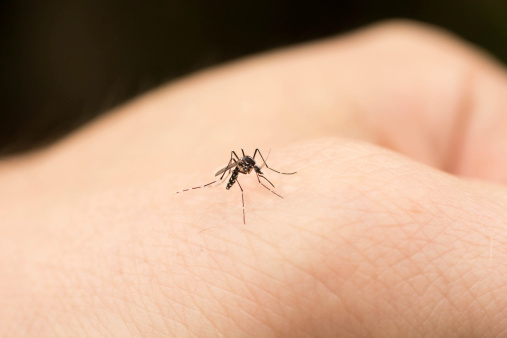
Flushing Hospital Offers Tips to Avoid Mosquito Bites This Summer

The summer is here and that means longer days and evenings spent outdoors. It also means an increased risk of getting bitten by mosquitos.

Mosquito bites occur when a female mosquito feeds on your blood. Mosquitoes select their victims by evaluating scent, exhaled carbon dioxide and the chemicals in a person’s sweat. When bitten, the proteins in the mosquito’s saliva trigger a mild immune system reaction. That reaction appears as a white, itchy bump on our skin.

The bump usually clears up on its own in a few days, but occasionally a mosquito bite can cause a large area of swelling, soreness and redness. This type of reaction is most common in children or adults not previously exposed to the type of mosquito that bit them, and people with immune system disorders. In these people, mosquito bites can also trigger a low-grade fever, hives, or swollen lymph nodes.

If mosquito bites lead to more serious symptoms — such as fever, headache, body aches and signs of infection — contact your doctor.

Mosquitos are also carriers of many diseases, including West Nile virus, malaria, yellow fever and dengue fever. While most of the diseases carried by mosquitos are found in other parts of the world, West Nile virus is now transmissible in the United States. In fact, doctors from Flushing Hospital were the first to identify the initial outbreak in 1999 and worked with health authorities to limit the exposure to the community.

Now Flushing Hospital wants to offer our community the following tips on how they can protect themselves from mosquito bites:

  • Wear protective clothing such as long pants and long sleeved shirts, particularly between dusk and dawn when mosquitos are most active
  • Avoid shaded, bushy areas where mosquitos like to rest
  • Remove any places where standing water can collect on your property, such as tires, cans, plastic containers fire pits, or pots
  • Make sure your roof gutters drain properly. Clean clogged gutters in the spring and the fall
  • Clean and chlorinate your swimming pools, outdoor saunas or hot tubs and drain water from pool covers
  • Change the water in your bird baths at least every three to four days
  • If you have severe reactions to mosquito bites, consider taking a non-drowsy, nonprescription antihistamine when you know you’ll be exposed to mosquitoes
  • Apply insect repellents that contain DEET as they are considered most effective

When applying insect repellent, it is important to follow a few safety measures including making sure you spray it on outdoors and away from food. If you’re using sunscreen, put it on about 20 minutes before applying the repellent and don’t apply repellent over sunburns, cuts, wounds or rashes.  When you go indoors, wash with soap and water to remove any remaining repellent.

Insect repellent with DEET is generally safe for children and adults, with a few exceptions. It is important to read the label carefully as infants and those with immunity complications should not use it. If you have any questions, you should consult your doctor.

By taking these precautions, Flushing Hospital hopes to help you limit your chances of becoming bit by a mosquito this summer.

All content of this newsletter is intended for general information purposes only and is not intended or implied to be a substitute for professional medical advice, diagnosis or treatment. Please consult a medical professional before adopting any of the suggestions on this page. You must never disregard professional medical advice or delay seeking medical treatment based upon any content of this newsletter. PROMPTLY CONSULT YOUR PHYSICIAN OR CALL 911 IF YOU BELIEVE YOU HAVE A MEDICAL EMERGENCY.