
Tips for Helping Children with Autism During the Holidays

The holiday season can be overwhelming for children with autism spectrum disorder (ASD).  Bright lights, loud noises, various scents, large crowds, busy schedules, festive dishes, and social gatherings are all common this time of year. These experiences can result in hypersensitivity to stimuli or sensory overload, making what is exciting for most children a stressful environment for those with ASD.

Preparation is essential for avoiding triggers that may cause stress and anxiety in children. Here are a few tips to make the holidays less stressful and more enjoyable for children with ASD:

  • Maintain routines or minimize disruptions to an established routine
  • Prepare your child for the holiday by communicating what they should expect. You can do this with the help of visual aids.
  • Decorate your home gradually
  • Consider avoiding holiday decorations with bright or blinking lights
  • Plan meals ahead of time
  • Prepare your child for conversations they may have with relatives or guests ahead of time
  • Practice unwrapping gifts or inform your child about the gifts they are unwrapping to avoid surprises or minimize anxiety
  • Practice giving gifts
  • Bring comfort or safety items such as earphones, ear plugs, or fidgets to gatherings or events
  • Create a quiet area where they can go and relax if needed

Understanding your child’s limits can help you select appropriate activities and anticipate challenges they may encounter. By using effective strategies, you can minimize stress and anxiety for children with ASD, allowing the holiday season to be a joyful time for everyone.

All content of this newsletter is intended for general information purposes only and is not intended or implied to be a substitute for professional medical advice, diagnosis or treatment. Please consult a medical professional before adopting any of the suggestions on this page. You must never disregard professional medical advice or delay seeking medical treatment based upon any content of this newsletter. PROMPTLY CONSULT YOUR PHYSICIAN OR CALL 911 IF YOU BELIEVE YOU HAVE A MEDICAL EMERGENCY.

National Family Caregivers Month

November is observed as National Family Caregivers Month. It is dedicated to recognizing and honoring the selfless individuals who provide essential care and support to ill, disabled, or elderly loved ones.

National Family Caregivers Month was established to recognize their significant contributions and raise awareness about their challenges. President Bill Clinton officially proclaimed it in 1997 as a time to honor and support caregivers across the country.

Celebrating family caregivers during National Family Caregivers Month enables all of us to:

  • Raise awareness of family caregiver issues
  • Celebrate the efforts of family caregivers
  • Educate family caregivers about self-identification
  • Increase support for family caregivers
  • Reduce feelings of isolation

Families are often the primary source of support for older adults and people with disabilities. Today in America, more than 53 million family caregivers provide unpaid care.

There are several ways to get involved and show your support for family caregivers during National Caregivers Month, including:

  • Express your gratitude
  • Offer assistance
  • Join support groups
  • Advocate for caregiver rights
  • Donate to caregiver organizations

Family caregivers should be celebrated every day. This is a time to recognize and honor caregivers nationally, raise awareness around caregiving issues, educate communities, and work to increase support for our nation’s caregivers.

All content of this newsletter is intended for general information purposes only and is not intended or implied to be a substitute for professional medical advice, diagnosis or treatment. Please consult a medical professional before adopting any of the suggestions on this page. You must never disregard professional medical advice or delay seeking medical treatment based upon any content of this newsletter. PROMPTLY CONSULT YOUR PHYSICIAN OR CALL 911 IF YOU BELIEVE YOU HAVE A MEDICAL EMERGENCY.

Healthy Aging Month

September is recognized as healthy aging month. The observation was created to encourage people to focus on their health and take steps to help them face the challenges that come with aging.

As we age, we become aware of changes in our mental and physical health, and changes in our social needs. You can take charge of your well-being by taking steps to age with a healthy mind and body. Flushing Hospital Medical Center would like to offer these tips to help boost your health as you age:

  • Get moving
    • It is important to consult your doctor before exercising. Start slow, know your limitations, and modify activities if needed
    • Aim for at least 150 minutes of moderate-intensity physical activities each week
  • Maintain a healthy diet
  • Eat proper portion sizes
  • Avoid excess processed foods
  • Stay hydrated
  • Stay socially active
    • Stay in touch with friends and family
    • Try doing something new that interests you
  • Balance your body and mind
    • Keep a positive attitude
    • Keep your mind active by reading or doing puzzles
    • Keep your body active with yoga and stretches
  • Be proactive
    • Receive regular checkups, physicals, and medical tests when needed
    • Take vitamins, supplements, and medications as prescribed or needed

Healthy aging month is a time to celebrate life and the positive aspects of growing older. Healthy living is healthy aging. Developing and maintaining healthy aging practices throughout your life contributes to greater resilience and opportunities to thrive as we age. Making small changes in your daily life can help you live longer and better.

If you have questions about any medical issues that may arise as you age, you can schedule an appointment with a doctor at Flushing Hospital’s Ambulatory Care Center by calling (718) 670-5486.

All content of this newsletter is intended for general information purposes only and is not intended or implied to be a substitute for professional medical advice, diagnosis or treatment. Please consult a medical professional before adopting any of the suggestions on this page. You must never disregard professional medical advice or delay seeking medical treatment based upon any content of this newsletter. PROMPTLY CONSULT YOUR PHYSICIAN OR CALL 911 IF YOU BELIEVE YOU HAVE A MEDICAL EMERGENCY.

National Senior Citizens Day

August 21st, 2024 is National Senior Citizens Day. It’s a day that recognizes seniors who have contributed to society and impacted everyone’s lives for the better.

In 1988, President Ronald Reagan honored senior citizens by signing Proclamation 5847, establishing August 21st as National Senior Citizens Day.

A senior citizen is anyone 60 years of age and older. They are pioneers of science, medicine, psychology, civil rights, and more. Their valuable contributions to our communities have made them better places to live. The day honors their achievements and encourages us to support them in living their lives to the fullest and as independently as possible.

In honor of National Senior Citizens Day, Flushing Hospital Medical Center is offering these health tips for older adults:

  • Stay physically active for a healthy body and mind
  • Stay socially active with friends and family
  • Follow a healthy, well-balanced diet
  • Don’t neglect yourself, schedule checkups and stick to them
  • Take all medications as directed by your doctor

There are many ways that you and your loved ones can observe National Senior Citizens Day, including:

  1. Donate to a nursing/retirement home- one of the kindest and most rewarding things you can do is to donate essential goods or gifts to a nursing/retirement home.
  2. Reach out to a senior family member- visit and spend time with a family member who is a senior citizen. If you can’t see them, call them.
  3. Have fun- if you are a senior citizen, the day is about you. Spend time with your favorite people, and do something fun and exciting. Live it up and treat yourself.
  4. Take the time to recreate your family’s traditions. Be sure to include your grandparents and other elderly people in your family.

National Senior Citizen Day is a day to acknowledge and celebrate the seniors in our lives. Let’s make them know how much we care about and appreciate them.


All content of this newsletter is intended for general information purposes only and is not intended or implied to be a substitute for professional medical advice, diagnosis or treatment. Please consult a medical professional before adopting any of the suggestions on this page. You must never disregard professional medical advice or delay seeking medical treatment based upon any content of this newsletter. PROMPTLY CONSULT YOUR PHYSICIAN OR CALL 911 IF YOU BELIEVE YOU HAVE A MEDICAL EMERGENCY.
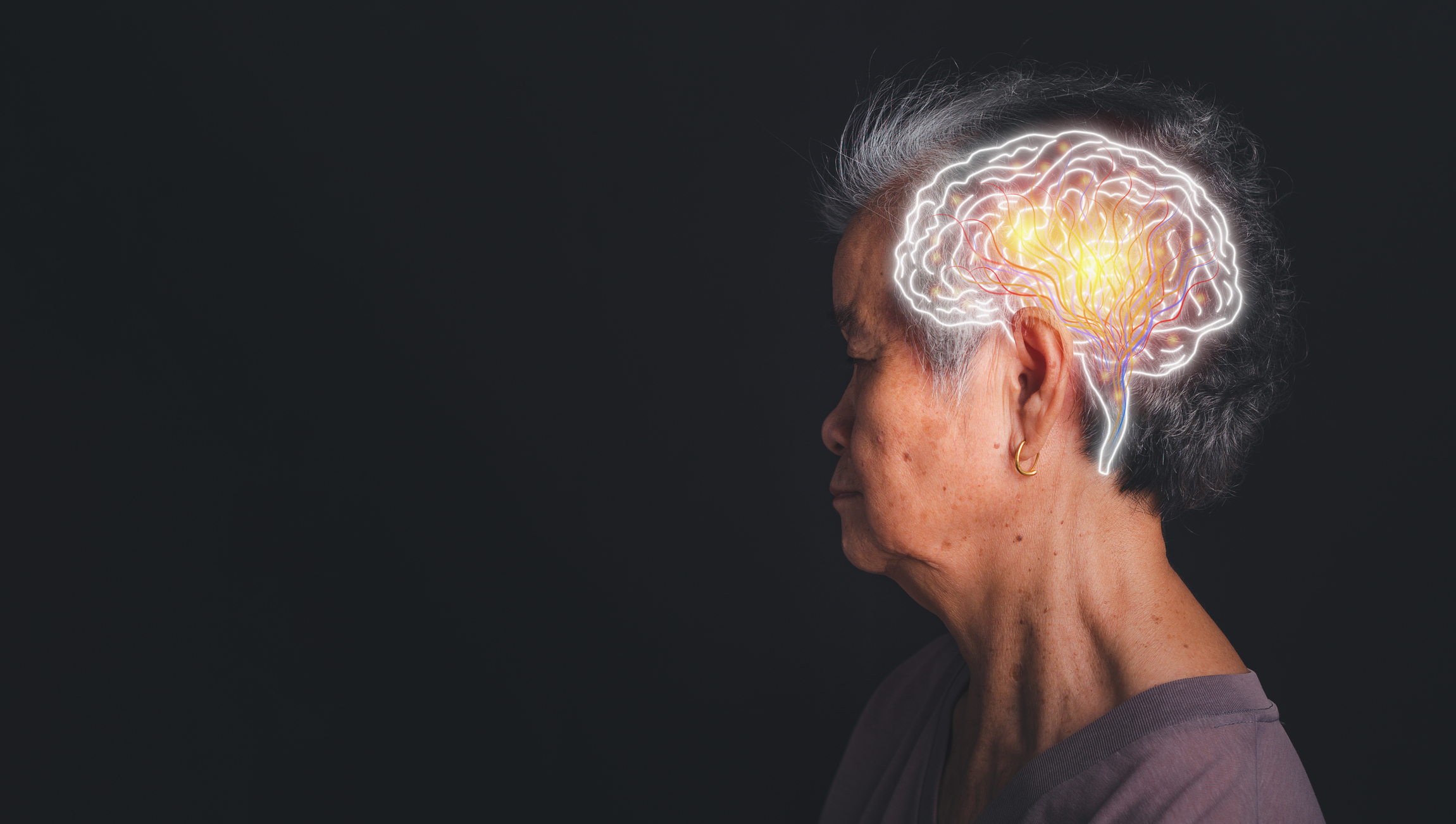
Dementia

Dementia is a general term that represents a group of diseases and illnesses that cause the loss of cognitive functioning to the point that it interferes with a person’s daily life and activities.

Cognitive changes they may experience include:

  • Memory loss, usually noticed by someone else
  • Problems communicating or finding words
  • Trouble with visual and spatial abilities, such as getting lost while driving
  • Problems with reasoning or problem-solving
  • Trouble performing complex tasks
  • Trouble with planning and organizing
  • Poor coordination and control of movements
  • Confusion and disorientation

Some people with dementia can’t control their emotions, and they may also have psychological changes, such as:

  • Personality changes
  • Depression
  • Anxiety
  • Agitation
  • Inappropriate behavior
  • Hallucinations

Dementia is caused by damage to your brain, affecting its nerve cells and destroying the brain’s ability to communicate with its various areas. Dementia can also result from blocked blood flow to your brain, depriving it of oxygen and nutrients. Without oxygen and nutrients, brain tissue dies.

Progressive dementias get worse over time. Types of dementias that worsen and aren’t reversible include:

  • Alzheimer’s disease (the most common cause of dementia)
  • Vascular dementia
  • Lewy body dementia
  • Frontotemporal dementia
  • Mixed dementia

Other disorders linked to dementia include:

  • Huntington’s disease
  • Traumatic brain injury (TBI)
  • Creutzfeldt-Jakob disease
  • Parkinson’s disease

Some causes of dementia-like symptoms can be reversed with treatment including:

  • Infections and immune disorders
  • Metabolic or endocrine problems
  • Low levels of certain nutrients
  • Medicine side effects
  • Subdural bleeding
  • Brain tumors
  • Normal-pressure hydrocephalus

Many risk factors can contribute to dementia, including:

  • Age
  • Family history

A healthcare provider must recognize the pattern of loss of skills and function to be able to diagnose the cause of dementia. No single test can diagnose dementia, therefore, a series of tests may be conducted to determine a diagnosis. These tests include:

  • Cognitive and neuropsychological tests
  • Neurological evaluation
  • Brain scans
    • CT or MRI
    • PET scans
  • Laboratory tests
  • Psychiatric evaluation

Most types of dementia can’t be cured, but there are ways to manage your symptoms including:

  • Medications
  • Therapies

If you or a loved one is experiencing symptoms associated with dementia, you can receive treatment from a neurologist at Flushing Hospital Medical Center’s Ambulatory Care Center. To schedule an appointment, please call (718) 670-5486.


All content of this newsletter is intended for general information purposes only and is not intended or implied to be a substitute for professional medical advice, diagnosis or treatment. Please consult a medical professional before adopting any of the suggestions on this page. You must never disregard professional medical advice or delay seeking medical treatment based upon any content of this newsletter. PROMPTLY CONSULT YOUR PHYSICIAN OR CALL 911 IF YOU BELIEVE YOU HAVE A MEDICAL EMERGENCY.

Older Americans Month 2024

An image for Older Americans Month, which shows a side profile silhouette of a man against the American flag.

May is Older Americans Month. During this time, Flushing Hospital Medical Center would like to spotlight the importance of meaningful social connections for the health and well-being of aging members of our community. 

Socialization is beneficial for people of any age when it comes to mental and physical health. However, it becomes even more important as we age as a way of managing a wide range of increasing health risks. 

According to the National Academies of Science, Engineering, and Medicine (NASEM), approximately one third of adults aged 45 or older feel socially isolated. Several factors, such as the loss of loved ones or other significant life events, can contribute to this feeling. It is important that we pay attention to the effects of social isolation as they have been linked to a significantly increased risk of experiencing a variety of medical problems, including mental health conditions, such as depression, as well as chronic physical problems, such as heart disease.

The negative mental and physical impacts of social isolation on older adults are intertwined. Social isolation has specifically been linked to a 50% increase in the risk of developing dementia, as well as a significantly increased risk of developing heart disease or experiencing a stroke. These medical problems, in turn, increase the risk of developing mental health problems such as depression, which is more likely to occur in people with a chronic or disabling medical problem.

Older adults who feel socially isolated have a variety of options for seeking out opportunities for social interaction. A few of these include:

  • Calling or visiting family members or friends regularly
  • Joining a local community group or attending local events
  • Joining a gym or exercise class
  • Going out for a walk each day and visiting a specific location, such as a cafe or shop

Taking these steps may not immediately make you feel better or lead you to instantly develop close, high-quality relationships. However, making a point to interact with people regularly allows you to cultivate these relationships gradually over time and develop a healthier, more active social life. 

If you feel socially isolated and start to experience symptoms of a medical problem, such as depression, dementia, or heart disease, it is important that you see a doctor as soon as possible. You can schedule an appointment at Flushing Hospital Medical Center’s Ambulatory Care Center by calling (718) 670-5486.

All content of this newsletter is intended for general information purposes only and is not intended or implied to be a substitute for professional medical advice, diagnosis or treatment. Please consult a medical professional before adopting any of the suggestions on this page. You must never disregard professional medical advice or delay seeking medical treatment based upon any content of this newsletter. PROMPTLY CONSULT YOUR PHYSICIAN OR CALL 911 IF YOU BELIEVE YOU HAVE A MEDICAL EMERGENCY.
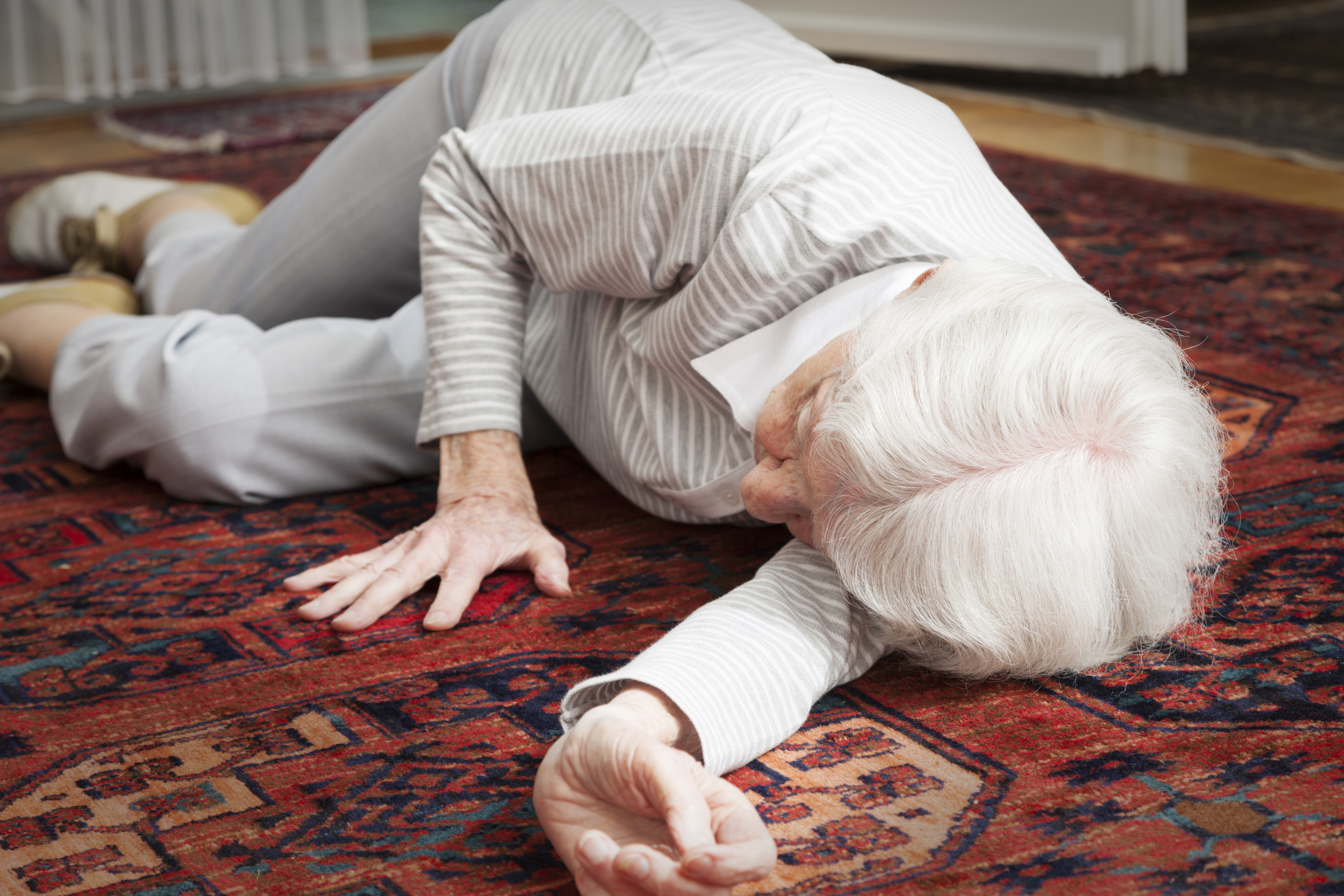
5 Tips for Preventing Older Adult Falls

Falls can prove both costly and dangerous as you get older. Millions of older Americans fall each year, with many sustaining serious injuries such as broken bones or concussions. However, there are steps you can take to prevent falls and avoid serious complications when they do occur. You should:

Stay in shape: Regular exercise provides a vast number of benefits to your health and can help you remain strong and mobile as you get older. In particular, exercises that help you improve your balance (such as Tai Chi) can significantly reduce your likelihood of falling or getting seriously injured from a fall.

Remove home hazards: A variety of hazards may make a fall more likely at home, such as clutter in your walking paths, lights that are not properly functioning, or a lack of handrails or bars in places such as your bathroom or stairs. Make sure to keep clutter out of your way, that all lights remain functioning normally in and around your home, and that you have bars and railings available where needed to help keep your balance.

Get your eyes and feet checked: Poor eyesight or conditions that affect your feet can impact your ability to move normally and remain upright. Make sure to get both of these parts of your body checked by a specialist; prescription glasses and recommended footwear can help you safely stay mobile and functional.

Review medication side-effects: Certain medications may have side-effects that cause dizziness, fatigue, or other symptoms that may affect your balance. Discuss these potential side-effects and how to manage them with your doctor or pharmacist before taking any medication.

Talk to a doctor immediately if you fall: If you fall but don’t sustain any serious injuries, you should consult your doctor immediately to determine the cause and the best ways to prevent future incidents. If you do experience a serious injury (such as head trauma), call 911.

If you’ve been injured from a fall or are at risk of falling, you can schedule an appointment with Flushing Hospital Medical Center’s Department of Physical Medicine and Rehabilitation by calling (718) 670-5515.

All content of this newsletter is intended for general information purposes only and is not intended or implied to be a substitute for professional medical advice, diagnosis or treatment. Please consult a medical professional before adopting any of the suggestions on this page. You must never disregard professional medical advice or delay seeking medical treatment based upon any content of this newsletter. PROMPTLY CONSULT YOUR PHYSICIAN OR CALL 911 IF YOU BELIEVE YOU HAVE A MEDICAL EMERGENCY.

Dementia Home Safety Tips

Dementia is a general term used to describe the loss of cognitive functioning, this includes memory, language, reasoning, and other mental abilities. It is also common to experience changes in vision, depth perception, hearing, and sensitivity to temperatures. Although dementia occurs more commonly in the elderly, it is not a normal part of aging.

Symptoms of dementia can affect a person’s ability to conduct normal activities. They can also pose a threat to personal safety.

Individuals with dementia may get lost in a familiar neighborhood, become confused, forget the name of objects around the house, have trouble with balance, or may not be able to complete tasks independently.  Following these tips can reduce the risk of potential hazards and help keep someone living with dementia safe at home:

  • Display emergency numbers and your loved one’s home address near all telephones.
  • Install smoke and carbon monoxide detectors throughout the home, and make sure they are in working order.
  • Avoid clutter.
  • Keep plastic bags out of reach.
  • Remove or lock up all guns or weapons.
  • Install safety locks on guns or remove ammunition.
  • Keep all medications in a locked cabinet or drawer.
  • Install grab bars in showers, bathtubs, and on toilets.
  • Secure large furniture to prevent tipping.
  • Mark the edges of stairs with neon-colored, glow-in-the-dark tape.
  • Place stickers or decals on glass doors.
  • Place “STOP” signs on all doors leading outside.
  • Install alarms on doors and windows.
  • Place deadbolts or latches on doors above eye level.
  • Keep car keys hidden.
  • Keep potentially dangerous kitchen tools such as knives locked up.
  • Remove the knobs from stoves.
  • Install appliances with an automatic shut-off feature.
  • Throw away decorative food or toxic plants that may be mistaken for real food.
  • Lower the temperature setting on water heaters.
  • Cover heating pipes and radiators.

These tips will help loved ones remain safe in their homes and live independently for as long as possible. As the disease progresses, safety precautions will have to be adjusted to adapt to a person’s abilities.


All content of this newsletter is intended for general information purposes only and is not intended or implied to be a substitute for professional medical advice, diagnosis or treatment. Please consult a medical professional before adopting any of the suggestions on this page. You must never disregard professional medical advice or delay seeking medical treatment based upon any content of this newsletter. PROMPTLY CONSULT YOUR PHYSICIAN OR CALL 911 IF YOU BELIEVE YOU HAVE A MEDICAL EMERGENCY.

What is Sundowning?

If a friend or loved one is displaying symptoms of confusion that occur or worsen in the late afternoon and evening, they may be experiencing sundowning, also known as sundown syndrome.

Sundowning is typically characterized by problems with memory, thinking, reasoning, and mood regulation which present themselves through behaviors such as pacing, wandering, or closely following someone, in addition to more dramatic outbursts of yelling, crying, or violence. A person experiencing sundowning may suffer from paranoia, delusions, or insomnia, as well. Although these symptoms usually occur in the latter half of the day, they can also appear during the morning.

Over 20% of people diagnosed with Alzheimer’s and other forms of dementia suffer from sundown syndrome. The exact causes of sundowning are unknown, but physical discomfort, infections, sleep cycle disruptions, overstimulation, and low lighting can all worsen its symptoms.

Managing triggers is the best way to prevent or decrease the severity of sundowning episodes. Light therapy, music therapy, and familiar environments can also help. Additionally, antidepressant, anti-anxiety, or antipsychotic medications may provide relief in some cases. For people whose sundowning symptoms are linked to sleep-related triggers, melatonin can be used to help restore a normal sleep cycle.

It’s important to get a loved one suffering from sundown syndrome to a doctor as soon as possible and to advocate for them throughout the treatment process to ensure that any issues they can’t communicate on their own are identified promptly. Schedule an appointment at Flushing Hospital Medical Center’s Ambulatory Care Center now by calling (718) 670-5486.

All content of this newsletter is intended for general information purposes only and is not intended or implied to be a substitute for professional medical advice, diagnosis or treatment. Please consult a medical professional before adopting any of the suggestions on this page. You must never disregard professional medical advice or delay seeking medical treatment based upon any content of this newsletter. PROMPTLY CONSULT YOUR PHYSICIAN OR CALL 911 IF YOU BELIEVE YOU HAVE A MEDICAL EMERGENCY.

What is RSV?

RSV (respiratory syncytial virus) is a respiratory illness that is typically most prevalent during the fall, winter, and early spring seasons. Most children born in the United States will have experienced it at some point before their second birthday.

The virus often presents symptoms similar to those of a cold, including a runny nose, coughing or wheezing, fever, and decreased appetite. These symptoms usually appear approximately four to six days after infection, but may not appear all at once.

While it usually does not lead to hospitalization, RSV can be particularly dangerous to children if it causes bronchiolitis or pneumonia to develop; it’s the most common cause of both of these illnesses in children under the age of one. If an infant develops either of these conditions, becomes dehydrated, or experiences significant difficulty breathing, the situation could become more serious and require hospital care.

RSV can also be especially dangerous for older adults, accounting for approximately 177,000 hospitalizations in adults over the age of 65.

The virus is usually spread through:

  • Bodily fluids such as mucus, saliva, or droplets
  • Surfaces that have the virus on them
  • Direct contact such as kissing an infected person

The best way to decrease the risk of an older adult or infant developing RSV is to prevent as many means of transmission as possible and promptly get them medical care if their symptoms seem to be worsening.

People and children who are at risk of developing severe cases of RSV should:

  • Avoid close contact with infected people and, if possible, close-contact settings such as daycare centers where RSV can more easily spread
  • Frequently wash their hands with soap and water for 20 seconds and refrain from touching their face until after they’ve done so

If you are sick with RSV, you should:

  • Avoid close contact with non-infected people
  • Frequently clean surfaces you’ve touched with disinfectant
  • Wear a mask and/or cover coughs and sneezes with a sleeve or tissue
  • Frequently wash your hands with soap and water for 20 seconds

If you or someone you know has developed RSV symptoms that require medical attention, you can schedule an appointment at Flushing Hospital Medical Center’s Ambulatory Care Center by calling (718) 670-5486 now.

All content of this newsletter is intended for general information purposes only and is not intended or implied to be a substitute for professional medical advice, diagnosis or treatment. Please consult a medical professional before adopting any of the suggestions on this page. You must never disregard professional medical advice or delay seeking medical treatment based upon any content of this newsletter. PROMPTLY CONSULT YOUR PHYSICIAN OR CALL 911 IF YOU BELIEVE YOU HAVE A MEDICAL EMERGENCY.