Back to School Anxiety

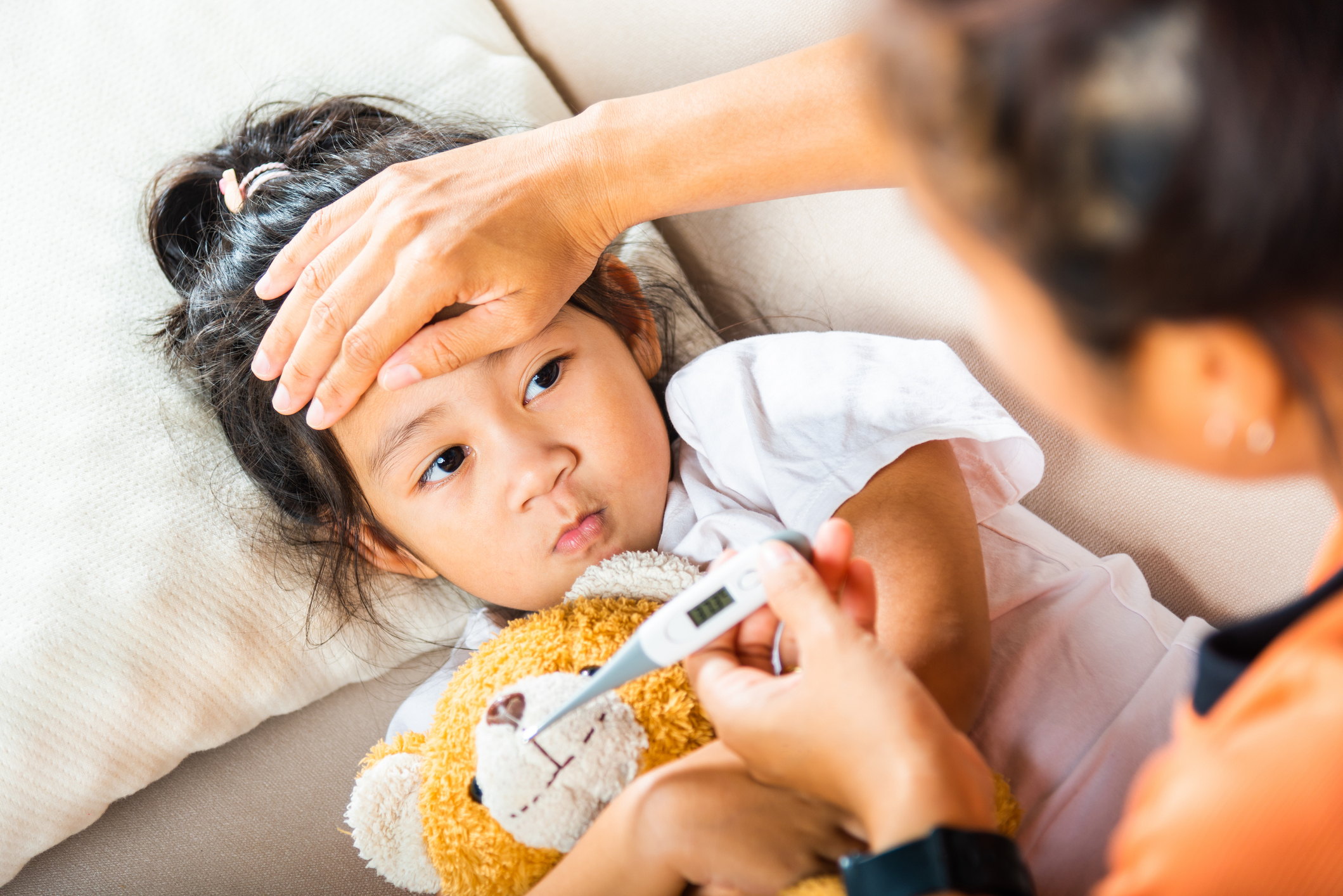
A new school year is fast approaching. And with it comes lots of excitement, but it can also cause anxiety for children.

Starting a new school or being away from parents can cause much anxiety in children. That anxiety fades for most children as the year progresses. But for others, it doesn’t. Here are some examples of behaviors that may indicate your child is continuing to struggle with anxiety:

Continually seeking reassurance or asking repeated, worried questions despite receiving an answer

  • Tantrums when separating from parents or caregivers before going to school
  • Increased complaints of experiencing headaches, stomachaches, and fatigue in the absence of an illness
  • A significant change in their sleep pattern, such as taking an hour to fall asleep, or waking you up with worries during the night when they might typically sleep well
  • Difficulty getting along with family members or friends
  • Avoidance of normal activities in and outside of school

Here are some tips to help ease back-to-school anxiety:

  • Approach anxiety instead of avoiding it
  • Practice school routines
  • Model behavior you’d like to see
  • Ensure they are getting enough sleep
  • Check-in with stress levels
  • Talk to school mental health professionals
  • Blend back to school with fun activities so the transition is less sudden

To learn more about our outpatient mental health services or to schedule a virtual appointment, please call (718) 670-5316 to speak with our intake coordinator or (718) 670-5562 to reach the clinic.

All content of this newsletter is intended for general information purposes only and is not intended or implied to be a substitute for professional medical advice, diagnosis or treatment. Please consult a medical professional before adopting any of the suggestions on this page. You must never disregard professional medical advice or delay seeking medical treatment based upon any content of this newsletter. PROMPTLY CONSULT YOUR PHYSICIAN OR CALL 911 IF YOU BELIEVE YOU HAVE A MEDICAL EMERGENCY.


National Senior Citizens Day

August 21st, 2024 is National Senior Citizens Day. It’s a day that recognizes seniors who have contributed to society and impacted everyone’s lives for the better.

In 1988, President Ronald Reagan honored senior citizens by signing Proclamation 5847, establishing August 21st as National Senior Citizens Day.

A senior citizen is anyone 60 years of age and older. They are pioneers of science, medicine, psychology, civil rights, and more. Their valuable contributions to our communities have made them better places to live. The day honors their achievements and encourages us to support them in living their lives to the fullest and as independently as possible.

In honor of National Senior Citizens Day, Flushing Hospital Medical Center is offering these health tips for older adults:

  • Stay physically active for a healthy body and mind
  • Stay socially active with friends and family
  • Follow a healthy, well-balanced diet
  • Don’t neglect yourself, schedule checkups and stick to them
  • Take all medications as directed by your doctor

There are many ways that you and your loved ones can observe National Senior Citizens Day, including:

  1. Donate to a nursing/retirement home- one of the kindest and most rewarding things you can do is to donate essential goods or gifts to a nursing/retirement home.
  2. Reach out to a senior family member- visit and spend time with a family member who is a senior citizen. If you can’t see them, call them.
  3. Have fun- if you are a senior citizen, the day is about you. Spend time with your favorite people, and do something fun and exciting. Live it up and treat yourself.
  4. Take the time to recreate your family’s traditions. Be sure to include your grandparents and other elderly people in your family.

National Senior Citizen Day is a day to acknowledge and celebrate the seniors in our lives. Let’s make them know how much we care about and appreciate them.


All content of this newsletter is intended for general information purposes only and is not intended or implied to be a substitute for professional medical advice, diagnosis or treatment. Please consult a medical professional before adopting any of the suggestions on this page. You must never disregard professional medical advice or delay seeking medical treatment based upon any content of this newsletter. PROMPTLY CONSULT YOUR PHYSICIAN OR CALL 911 IF YOU BELIEVE YOU HAVE A MEDICAL EMERGENCY.

Dementia

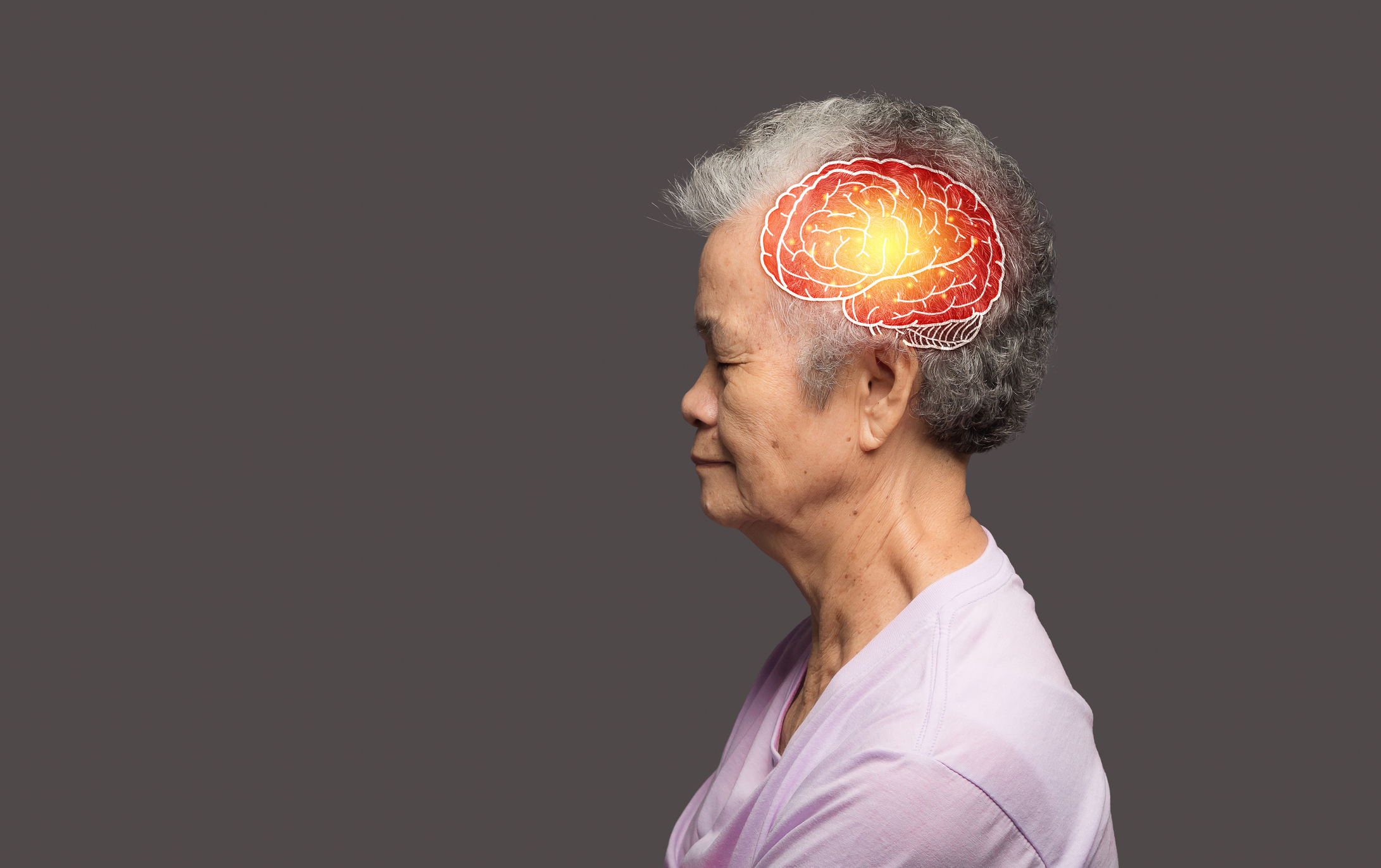
Dementia is a general term that represents a group of diseases and illnesses that cause the loss of cognitive functioning to the point that it interferes with a person’s daily life and activities.

Cognitive changes they may experience include:

  • Memory loss, usually noticed by someone else
  • Problems communicating or finding words
  • Trouble with visual and spatial abilities, such as getting lost while driving
  • Problems with reasoning or problem-solving
  • Trouble performing complex tasks
  • Trouble with planning and organizing
  • Poor coordination and control of movements
  • Confusion and disorientation

Some people with dementia can’t control their emotions, and they may also have psychological changes, such as:

  • Personality changes
  • Depression
  • Anxiety
  • Agitation
  • Inappropriate behavior
  • Hallucinations

Dementia is caused by damage to your brain, affecting its nerve cells and destroying the brain’s ability to communicate with its various areas. Dementia can also result from blocked blood flow to your brain, depriving it of oxygen and nutrients. Without oxygen and nutrients, brain tissue dies.

Progressive dementias get worse over time. Types of dementias that worsen and aren’t reversible include:

  • Alzheimer’s disease (the most common cause of dementia)
  • Vascular dementia
  • Lewy body dementia
  • Frontotemporal dementia
  • Mixed dementia

Other disorders linked to dementia include:

  • Huntington’s disease
  • Traumatic brain injury (TBI)
  • Creutzfeldt-Jakob disease
  • Parkinson’s disease

Some causes of dementia-like symptoms can be reversed with treatment including:

  • Infections and immune disorders
  • Metabolic or endocrine problems
  • Low levels of certain nutrients
  • Medicine side effects
  • Subdural bleeding
  • Brain tumors
  • Normal-pressure hydrocephalus

Many risk factors can contribute to dementia, including:

  • Age
  • Family history

A healthcare provider must recognize the pattern of loss of skills and function to be able to diagnose the cause of dementia. No single test can diagnose dementia, therefore, a series of tests may be conducted to determine a diagnosis. These tests include:

  • Cognitive and neuropsychological tests
  • Neurological evaluation
  • Brain scans
    • CT or MRI
    • PET scans
  • Laboratory tests
  • Psychiatric evaluation

Most types of dementia can’t be cured, but there are ways to manage your symptoms including:

  • Medications
  • Therapies

If you or a loved one is experiencing symptoms associated with dementia, you can receive treatment from a neurologist at Flushing Hospital Medical Center’s Ambulatory Care Center. To schedule an appointment, please call (718) 670-5486.


All content of this newsletter is intended for general information purposes only and is not intended or implied to be a substitute for professional medical advice, diagnosis or treatment. Please consult a medical professional before adopting any of the suggestions on this page. You must never disregard professional medical advice or delay seeking medical treatment based upon any content of this newsletter. PROMPTLY CONSULT YOUR PHYSICIAN OR CALL 911 IF YOU BELIEVE YOU HAVE A MEDICAL EMERGENCY.

Art Therapy

Art therapy is a mental health profession that enriches the lives of individuals, families, and communities through active art-making, creative processes, applied psychological theory, and human experience within a psychotherapeutic relationship.

Art therapy is facilitated by a clinician with a master’s-level or higher degree trained in art and therapy who helps patients interpret, express, and resolve their emotions and thoughts. Art therapy uses integrative methods and engages the mind, body, and spirit in ways distinct from verbal articulation alone.

During a session, an art therapist works with clients to understand what is causing them distress. Then the art therapist guides the client to create art that addresses the cause of their issue. During a session, art therapists will:

  • Describe the goal of art therapy
  • Explain that clients don’t have to think of themselves as creative or artistic to benefit
  • Help the client choose and use a medium, such as drawing, sculpture, collage, or painting
  • Guide the client through expressing themselves through art, usually by asking questions
  • Discuss the results of both the work of art and what the client felt
  • Plan for another session or for the client to work on their own

Art therapists work with individuals, couples, families, and groups in diverse settings, including:

  • Hospitals
  • Schools
  • Veteran’s clinics
  • Private practice
  • Psychiatric and rehabilitation facilities
  • Community clinics
  • Crisis centers
  • Forensic institutions
  • Senior communities

There is growing evidence that art therapy helps conditions that relate to mood, such as anxiety and depression, trauma, low self-esteem, and similar disorders. It is also effective for people with a serious health condition, such as cancer, and for people working to develop effective coping skills, including prison inmates. Art therapy can also help people who are experiencing physical pain during hospitalization. Evidence also shows that it can be effective for post-traumatic stress disorder.

To find out more about our outpatient mental health services or to schedule a virtual appointment, call (718) 670-5316 to speak with our intake coordinator or call (718) 670-5562 to reach the clinic.


All content of this newsletter is intended for general information purposes only and is not intended or implied to be a substitute for professional medical advice, diagnosis or treatment. Please consult a medical professional before adopting any of the suggestions on this page. You must never disregard professional medical advice or delay seeking medical treatment based upon any content of this newsletter. PROMPTLY CONSULT YOUR PHYSICIAN OR CALL 911 IF YOU BELIEVE YOU HAVE A MEDICAL EMERGENCY.

Bilateral Hernia Robot-Assisted Surgery

A bilateral hernia is a type of inguinal or groin hernia that occurs on both sides of the abdomen. An inguinal hernia happens when part of the membrane lining the abdominal cavity or intestine protrudes through a weak spot in the abdomen, often along the inguinal canal, which carries the spermatic cord in men.

Some signs and symptoms of a bilateral inguinal hernia include:

  • A bulge in the area on both sides of your pubic bone, which becomes more obvious when you’re upright, especially if you cough or strain
  • A burning or aching sensation at the bulge
  • Pain or discomfort in your groin, especially when bending over, coughing, or lifting
  • A heavy or dragging sensation in your groin
  • Weakness or pressure in your groin
  • Occasionally, pain, and swelling around the testicles when the protruding intestine descends into the scrotum

Some inguinal hernias have no apparent cause. Other causes of hernias can include:

  • Increased pressure within the abdomen
  • A preexisting weak spot in the abdominal wall
  • Straining during bowel movements or urination
  • Strenuous activity
  • Pregnancy
  • Chronic coughing or sneezing

Some risk factors that contribute to developing an inguinal hernia include:

  • Being male
  • Being older
  • Family history
  • Premature birth and low birth weight
  • Previous inguinal hernia or hernia repair

A physical exam is usually all that is needed to diagnose an inguinal hernia. Your doctor will check for a bulge in the groin area. They can also ask you to stand and cough or strain because standing and coughing can make a hernia more prominent.

Healthcare providers recommend surgery for most inguinal hernias. The types of surgeries used to repair inguinal hernias include:

  • Open surgery
  • Laparoscopic surgery
  • Robotic-assisted surgery

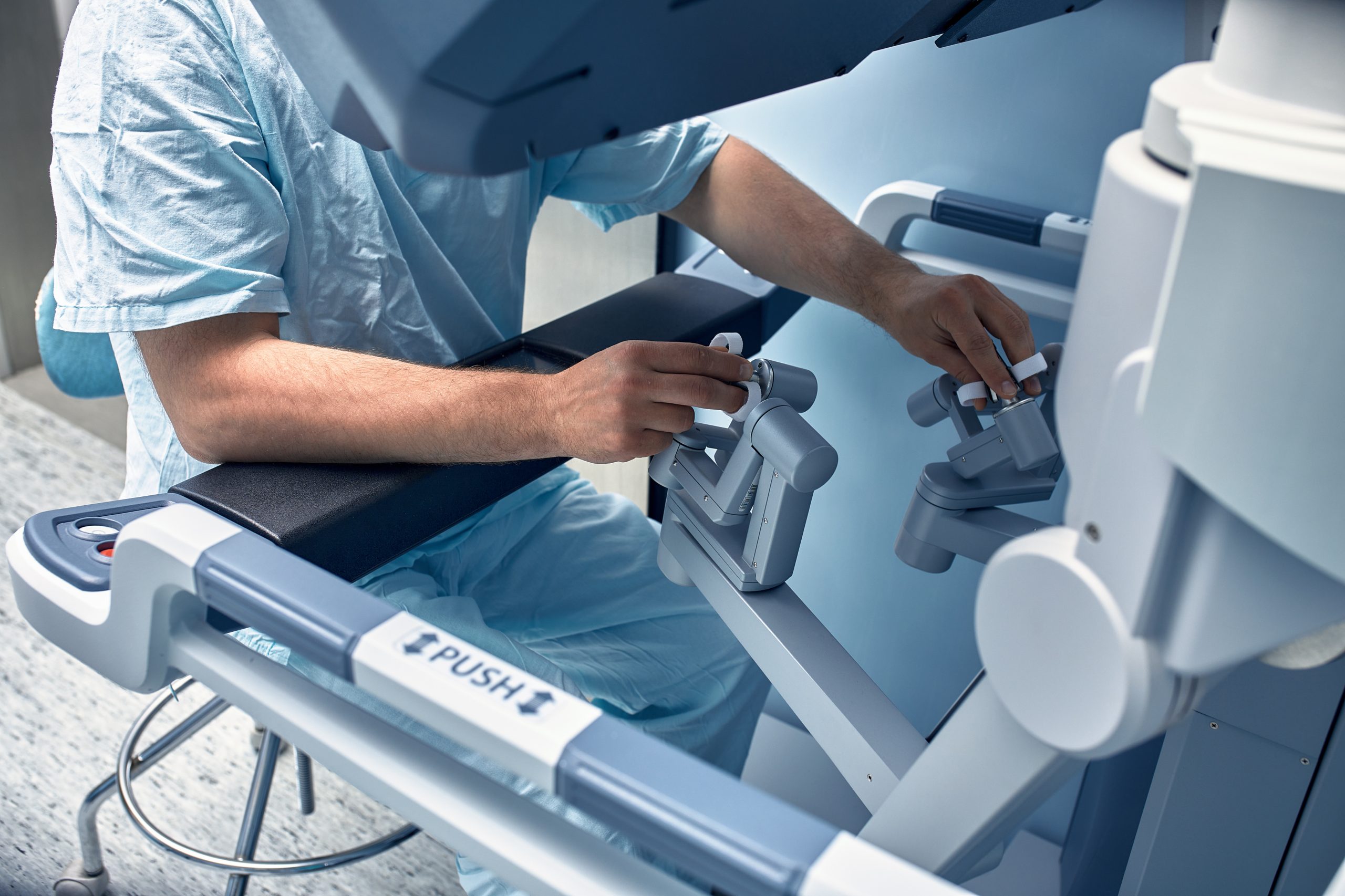
Robot-assisted surgery can repair smaller hernias or rebuild your entire abdominal wall. There are many potential advantages of robotic-assisted surgery over other types of surgery including:

  • Robot-assisted surgery provides the surgeon with 3D images of inside your abdomen that create a clearer picture for them to reference as they operate compared to the 2D images used during laparoscopic surgery
  • Under the surgeon’s direction, the robot can move more freely and with more versatility than a human hand
  • You’ll have a few tiny scars rather than one large incision scar (as with open surgery)
  • You’re more likely to experience less pain and less bleeding after surgery compared to open surgery
  • You’re more likely to have a quicker recovery time than with open surgery

For more information about robotic surgery or procedures performed by our surgeons, you can call Flushing Hospital’s Department of Surgery at 718-670-3135.

All content of this newsletter is intended for general information purposes only and is not intended or implied to be a substitute for professional medical advice, diagnosis or treatment. Please consult a medical professional before adopting any of the suggestions on this page. You must never disregard professional medical advice or delay seeking medical treatment based upon any content of this newsletter. PROMPTLY CONSULT YOUR PHYSICIAN OR CALL 911 IF YOU BELIEVE YOU HAVE A MEDICAL EMERGENCY.

Cellulitis

Cellulitis is a common, potentially serious bacterial infection of the skin and tissue beneath the skin. The affected area is typically swollen, inflamed, painful, and warm to the touch.

Cellulitis commonly affects the lower part of your body, including your legs, feet, and toes. However, it can occur in any part of your body like your face, arms, hands, and fingers.

Some symptoms of cellulitis include:

  • An irritated area of skin that tends to expand
  • Swelling
  • Tenderness
  • Pain
  • Warmth
  • Fever
  • Chills
  • Spots
  • Blisters
  • Skin dimpling
  • Headache
  • Weakness
  • Red streaks from the original site of the cellulitis

When you first get cellulitis, your skin looks slightly discolored. It may feel slightly warm to the touch. As the infection spreads, the discoloration gets darker and your skin swells and becomes tender.

Some severe symptoms that will need immediate emergency care include:

  • If you have a large area of red inflamed skin
  • Fever
  • If the affected area is causing numbness, tingling, or other changes in a hand, arm, leg, or foot
  • If the skin appears black
  • If the area that is red and swollen is around your eyes or behind the ears
  • If you have diabetes or a weakened immune system

Cellulitis is caused when bacteria, most commonly streptococcus and staphylococcus enter through a crack or break in the skin. Bacteria are more likely to enter broken, dry, flaky, or swollen skin such as a recent surgical site, cuts, puncture wounds, ulcers, athlete’s foot, or dermatitis. If the wound isn’t treated properly, there is potential to encounter a more severe staphylococcus infection called methicillin-resistant Staphylococcus aureus (MRSA).

Another cause of cellulitis occurs due to poor hygiene. Ways to maintain good hygiene include:

  • Washing your hands regularly with soap and warm water
  • Cleaning and trimming your fingernails and toenails
  • Regularly showering and thoroughly drying your skin afterward
  • Wearing clean clothes
  • Keeping small wounds clean

To diagnose cellulitis, your healthcare provider will ask about your symptoms and examine the affected area. If you have a severe case of cellulitis, your physician may recommend tests to ensure the infection hasn’t spread to other parts of your body. These tests include:

  • Blood test
  • Skin test
  • Bacterial culture

Cellulitis is usually treated with oral antibiotics. However, severe cases of cellulitis may not respond to oral antibiotics. You may require hospitalization and intravenous antibiotics.

The fastest way to get rid of cellulitis is to take the full course of antibiotics. Some home treatments that can help the healing process include:

  • A warm compress
  • Elevation
  • Compression wraps or stockings

Some ways you can reduce your risk of cellulitis include:

  • Cleaning your wounds or sores with antibacterial soap and water
  • Applying an antibiotic ointment on your wounds or sores
  • Covering your wounds or sores with bandages to prevent dirt or bacteria from entering the area
  • Refraining from touching or rubbing your affected areas
  • Getting medical attention right away for any deep cuts or puncture wounds

If you are experiencing symptoms of cellulitis, you can make an appointment with a qualified physician at Flushing Hospital Medical Center by calling 718-670-5486.


All content of this newsletter is intended for general information purposes only and is not intended or implied to be a substitute for professional medical advice, diagnosis or treatment. Please consult a medical professional before adopting any of the suggestions on this page. You must never disregard professional medical advice or delay seeking medical treatment based upon any content of this newsletter. PROMPTLY CONSULT YOUR PHYSICIAN OR CALL 911 IF YOU BELIEVE YOU HAVE A MEDICAL EMERGENCY.

West Nile Virus

West Nile Virus is a virus that spreads through mosquito bites. Named after the West Nile district of Uganda where it was first identified, the virus can be found in many parts of the world, including North America, Europe, Africa, the Middle East, Asia, and Australia.

West Nile Virus is the most common mosquito-transmitted virus in the U.S., with cases reported in 49 states. There have been over 51,000 symptomatic cases in the U.S. since the first cases in the country were discovered by the late Dr. Deborah Asnis here at Flushing Hospital Medical Center in 1999.

The symptoms of West Nile virus include:

  • Fever
  • Headache
  • Muscle aches
  • Nausea and vomiting
  • Diarrhea
  • A rash that is concentrated around the chest and back
  • Swollen lymph nodes
  • Sore throat
  • Pain behind the eyes

West Nile virus can cause serious infections like encephalitis and meningitis. Their symptoms include:

  • An intense, painful headache
  • A high fever above 103 degrees
  • A stiff neck
  • Confusion
  • Muscle weakness
  • Uncontrollable muscle movements such as tremors and convulsions
  • Seizures
  • Paralysis
  • Coma

West Nile virus can be diagnosed by testing your blood or cerebrospinal fluid to look for antibodies or other signs of infection. These tests are only performed if you’re seriously ill.

If you have signs of brain inflammation, you will need your brain scanned using a CT scan or MRI.

There are no specific medicines available to treat West Nile virus. Please note that antibiotics do not treat viruses.

Rest, fluids, and over-the-counter medications may relieve some symptoms. In severe cases, patients often need to be hospitalized to receive supportive treatment, such as intravenous fluids, pain medication, and nursing care.

If you become sick with severe symptoms, particularly after potential exposure to West Nile virus, you must receive treatment from a doctor as soon as possible. You can schedule an appointment at Flushing Hospital Medical Center’s Ambulatory Care Center by calling (718) 670-5486.


All content of this newsletter is intended for general information purposes only and is not intended or implied to be a substitute for professional medical advice, diagnosis or treatment. Please consult a medical professional before adopting any of the suggestions on this page. You must never disregard professional medical advice or delay seeking medical treatment based upon any content of this newsletter. PROMPTLY CONSULT YOUR PHYSICIAN OR CALL 911 IF YOU BELIEVE YOU HAVE A MEDICAL EMERGENCY.

Children’s Eye Health and Safety Month

August is Children’s Eye Health and Safety Month. With children going back to school, it is important to get their eyes checked.

Vision is a vital part of a child’s development. It is how they learn, play, and interact with the world around them.

Unfortunately, many eye problems in children go undetected, which can lead to long-term issues. Regular eye exams are critical in identifying problems early which ensures your child has the best chance for healthy vision. Good vision is essential for their performance in school, in sports, and their overall well-being.

Children are vulnerable to many eye problems, including:

  • Injuries
  • Infections
  • Nearsightedness

There are many things to be aware of that may indicate a problem with your child’s eyes. They include:

  • Their eyes do not line up or appear crossed
  • Their eyelids are red-rimmed, crusted, or swollen
  • Their eyes are watery or inflamed
  • They rub their eyes a lot
  • They close or cover one eye
  • They tilt their head forward
  • They have trouble reading or doing other close-up work
  • They hold objects close to their eyes to see
  • They blink more than usual or seem cranky when doing close-up work
  • Things are blurry or hard to see for them

There are many ways to protect your child’s eye health, including:

  • Getting regular eye exams
  • Wearing protective eyewear during sports and other activities
  • Limiting screen time
  • Practicing healthy nutrition

If you would like to schedule an eye exam for your child, you can visit an ophthalmologist at Flushing Hospital Medical Center. To schedule an appointment, please call (718) 670-5486.

All content of this newsletter is intended for general information purposes only and is not intended or implied to be a substitute for professional medical advice, diagnosis or treatment. Please consult a medical professional before adopting any of the suggestions on this page. You must never disregard professional medical advice or delay seeking medical treatment based upon any content of this newsletter. PROMPTLY CONSULT YOUR PHYSICIAN OR CALL 911 IF YOU BELIEVE YOU HAVE A MEDICAL EMERGENCY.

National Immunization Awareness Month

August is National Immunization Awareness Month or NIAM. It is an annual observance highlighting the importance of getting routine vaccinations for people of all ages. 

Vaccines work by stimulating the immune system to protect our bodies against viruses or bacteria that cause infection. After vaccination, the immune system is better prepared to respond quickly when the body encounters disease-causing organisms.

Vaccinations are important at every stage of life. They are one of the safest preventative care measures available and help play a vital role in keeping you healthy. When you skip vaccines, you leave yourself vulnerable to illnesses such as shingles, influenza (flu), and both HPV and hepatitis B which are leading causes of cancer. 

Getting vaccinated also helps keep your family and community healthy, as vaccinations can help lessen the severity of illness and keep diseases from spreading. Additionally, vaccinations help protect those most vulnerable to illness, such as infants, elders, and people with weakened immune systems. 

If you or a loved one would like to get vaccinated, schedule an appointment with a physician at Flushing Hospital’s Department of Internal Medicine or your primary care physician as soon as possible.

To schedule an appointment for you or a loved one to get up to date on vaccinations, you can call Flushing Hospital Medical Center’s Ambulatory Care Center at (718) 670-5486.

All content of this newsletter is intended for general information purposes only and is not intended or implied to be a substitute for professional medical advice, diagnosis or treatment. Please consult a medical professional before adopting any of the suggestions on this page. You must never disregard professional medical advice or delay seeking medical treatment based upon any content of this newsletter. PROMPTLY CONSULT YOUR PHYSICIAN OR CALL 911 IF YOU BELIEVE YOU HAVE A MEDICAL EMERGENCY.

Diverticulitis

Diverticulitis is caused when the diverticula- irregular bulging pouches in the colon wall develop over time and become inflamed, tear, swell, and become infected. Diverticula can form due to spasms or straining.

Pain in the lower abdomen is a common symptom of diverticulitis. Other symptoms include:

  • Nausea and vomiting
  • Fever
  • Tenderness in the abdomen when touched
  • Changes in stool which include constipation or diarrhea
  • Rectal bleeding
  • A distended abdomen

Diverticulitis is more common in people over 50. Other factors that put you at risk of diverticulitis include:

  • Obesity
  • Smoking
  • A low-fiber diet
  • A high-red meat diet
  • Heavy alcohol use
  • Lack of exercise.
  • Low vitamin D levels
  • Certain medicines such as steroids, opioids, and nonsteroidal anti-inflammatory drugs like ibuprofen and naproxen sodium.

Many conditions can cause pain and other symptoms related to diverticulitis. A healthcare provider will perform a physical exam where they gently touch different parts of the abdomen to learn where the pain and tenderness are.

They may also order laboratory tests to determine what is causing your symptoms and use them to rule out other conditions and make a diagnosis. These tests include:

  • Blood tests for signs of infection and immune system activity.
  • Urine test
  • Stool test
  • Pregnancy test
  • Liver enzyme test to rule out liver disease.

A CT scan can show inflamed diverticula, abscesses, fistulas, or other complications.

There are many ways to help prevent diverticulitis including:

  • Exercising regularly.
  • Eating a high-fiber diet.
  • Maintaining a healthy weight.
  • Drinking plenty of fluids.
  • Limiting alcohol use and quitting smoking.

Treatment for diverticulitis depends on the severity of the condition. Uncomplicated diverticulitis is when there are mild symptoms and no complications, and you can be treated at home. A healthcare provider will recommend a liquid diet and then a gradual increase to low-fiber solid foods. You may also be prescribed antibiotics.

Complicated diverticulitis is when the symptoms are serious and there are signs of complications. You will need to be in the hospital for treatment.

Surgery on the colon may be performed if complicated diverticulitis is diagnosed. Other reasons surgery may be needed include:

  • Complications include ruptures in the colon wall, fistulas, or other serious tissue damage.
  • There were multiple episodes of uncomplicated diverticulitis.
  • You have a weakened immune system.

Surgery is usually performed laparoscopically. Two procedures used for treating diverticulitis include:

  • The diseased section of the colon is removed. The remaining healthy tissues are connected to recreate a complete colon.
  • The healthy section and the diseased section are separated. The healthy section is directed to an opening in the abdomen wall. Waste is collected using a colostomy bag giving the diseased section time to heal. When it is healed, the two sections are reconnected, and the opening in the abdomen wall is closed.

If you are experiencing signs and symptoms of diverticulitis and would like to schedule an appointment with a physician at Flushing Hospital, please call 718-670-5486.

All content of this newsletter is intended for general information purposes only and is not intended or implied to be a substitute for professional medical advice, diagnosis or treatment. Please consult a medical professional before adopting any of the suggestions on this page. You must never disregard professional medical advice or delay seeking medical treatment based upon any content of this newsletter. PROMPTLY CONSULT YOUR PHYSICIAN OR CALL 911 IF YOU BELIEVE YOU HAVE A MEDICAL EMERGENCY.