October is National Bullying Prevention Awareness Month

October was declared as National Bullying Prevention Awareness Month in 2006. The purpose of the designation is to bring nationwide attention to bullying.

Bullying can occur in many different ways. It can be done through verbal or physical exchanges. Bullying can involve playing practical jokes, making threats, verbal abuse, and spreading rumors. It can also be done through posting hurtful things on social media platforms, as well as through texts, emails, and telephone calls.

Bullying is the result of one person, or group of people, who have the need to feel more powerful than the person they are bullying. The bully, or bullies, may be bigger in size or strength, they may be more assertive, have a perceived higher social status, or may derive pleasure from making someone fear them.

It is important to note that while bullying is thought to primarily affect school age children, it can also occur in other places, such as at work.

Bullying can affect the target’s mental, emotional, and physical health. Some of the signs that a person exhibits when they are being bullied are:

  • Avoidance of the place where the bullying is taking place
  • Loss of self-esteem
  • Experiencing headaches, stomach aches, high blood pressure and insomnia
  • Increase in level of anxiety
  • Exhibiting signs of depression
  • Failing to do well in school or in the workplace
  • Experiencing suicidal thoughts

There are ways to prevent bullying. These include training in awareness of the effects of bullying, empowering people to enlist the help of others, such as teachers, parents, clergy, and co-workers to assist them when they are targeted, establishing school or workplace policies on bullying, and when possible, directly addressing the person or persons who are doing the bullying. This should not be done alone, but rather with a teacher, co-worker, supervisor, or someone authoritative.

All content of this newsletter is intended for general information purposes only and is not intended or implied to be a substitute for professional medical advice, diagnosis or treatment. Please consult a medical professional before adopting any of the suggestions on this page. You must never disregard professional medical advice or delay seeking medical treatment based upon any content of this newsletter. PROMPTLY CONSULT YOUR PHYSICIAN OR CALL 911 IF YOU BELIEVE YOU HAVE A MEDICAL EMERGENCY.
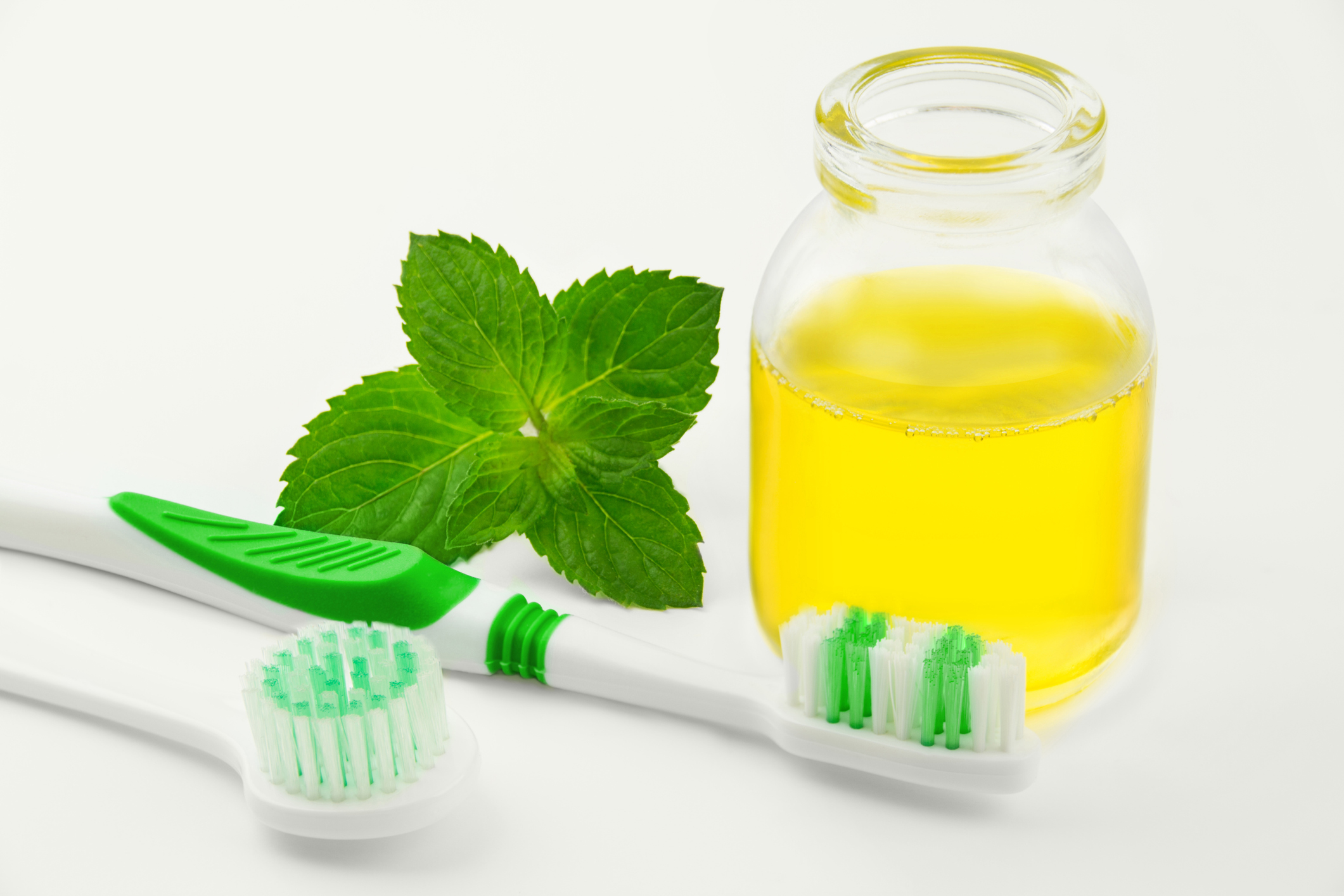
What Is Oil Pulling, And Can It Benefit Your Dental Health?

Oil pulling is an ancient home remedy that’s purported to significantly improve dental health in a variety of ways. It involves swishing about a tablespoon of oil around your mouth for 15 to 20 minutes, similarly to the way a person would use mouthwash. Most types of oil can be used for oil pulling, but extra virgin coconut oil is used most often.

Some of the commonly-claimed benefits of oil pulling have at least some scientific evidence to support them. These include:

Reducing bacteria in the mouth: Two studies (one for adults and one for children) examining the effects of oil pulling on bacteria in the mouth have found that this practice can be effective for significantly reducing Streptococcus mutans, one of the key bacteria that causes plaque buildup and tooth decay.

Improving bad breath: Some research has also demonstrated that oil pulling can be an effective treatment for bad breath. This benefit is believed to derive from the effectiveness of oil pulling when it comes to eliminating bacteria in the mouth; bad breath is often caused by chemicals and gases produced by these bacteria.

Treating gingivitis: The effectiveness of oil pulling for eliminating oral bacteria can also help with reducing inflammation of the gums (also known as gingivitis). Gingivitis often occurs as a result of the body’s immune system attacking these bacteria.

On the other hand, some of the other supposed benefits of oil pulling do not have any supporting scientific evidence. One common claim, for example, is that oil pulling can draw toxins from the blood; another is that it can whiten your teeth. At this time, no research so far has confirmed either of these claims.

If you’re experiencing dental health problems such as bad breath or gingivitis, it’s important for you to visit a dentist to ensure that you’re receiving the most effective treatment possible. To schedule an appointment at Flushing Hospital Medical Center’s Department of Dental Medicine, please call (718) 670-5521.


All content of this newsletter is intended for general information purposes only and is not intended or implied to be a substitute for professional medical advice, diagnosis or treatment. Please consult a medical professional before adopting any of the suggestions on this page. You must never disregard professional medical advice or delay seeking medical treatment based upon any content of this newsletter. PROMPTLY CONSULT YOUR PHYSICIAN OR CALL 911 IF YOU BELIEVE YOU HAVE A MEDICAL EMERGENCY.

Down Syndrome Awareness Month

Down syndrome is the most common chromosomal condition in the United States. According to the Centers for Disease Control and Prevention (CDC), approximately one in every 700 babies in the United States is born with Down syndrome.  It is most likely to occur in children whose mothers became pregnant with them at 35 years of age or older.

Typically, at the time of conception, a fetus receives genetic information from both parents in the form of 46 chromosomes.  Down syndrome develops as a result of the fetus receiving an extra copy of chromosome 21.  This extra chromosome affects the baby’s physical and mental development.   Some of the physical features and developmental problems associated with Down syndrome include:

  • Flattened face, particularly in the bridge of the nose
  • Almond-shaped eyes that slant up
  • A short neck
  • Small ears
  • A tongue that tends to stick out of the mouth
  • Tiny white spots on the iris (colored part) of the eye
  • Small hands and feet
  • A single line across the palm of the hand (palmar crease)
  • Small pinky fingers that sometimes curve toward the thumb
  • Poor muscle tone or loose joints
  • Shorter in height as children and adults

There are three main types of Down syndrome. Approximately 95% of people with this condition have Trisomy 21, in which each cell of their body has three copies of chromosome 21 instead of the typical two. About 3% of people with Down syndrome have translocation Down syndrome, in which an extra part or whole chromosome 21 is present, but attached to a different chromosome. The rarest form of Down syndrome is mosaic Down syndrome, in which only some cells have an extra copy of chromosome 21.

People with Down syndrome are at greater risk for certain medical problems. Some of these include hearing loss, obstructive sleep apnea, ear infections, eye diseases, and heart defects. Many people who live with Down syndrome are regularly monitored by a doctor to identify these conditions.

While Down syndrome is a lifelong condition, treatments such as speech, occupational, and physical therapy, when initiated at an early stage in life, can help individuals living with it develop to their full physical and intellectual potential. It is essential to work with your doctor during pregnancy to identify whether your child may have Down syndrome, as this will help with getting them the care they need as early as possible.

To speak with a doctor at Flushing Hospital Medical Center about screening or diagnostic testing for Down syndrome during pregnancy, please call (718) 670-5486.

All content of this newsletter is intended for general information purposes only and is not intended or implied to be a substitute for professional medical advice, diagnosis or treatment. Please consult a medical professional before adopting any of the suggestions on this page. You must never disregard professional medical advice or delay seeking medical treatment based upon any content of this newsletter. PROMPTLY CONSULT YOUR PHYSICIAN OR CALL 911 IF YOU BELIEVE YOU HAVE A MEDICAL EMERGENCY.

Health Benefits of Napping

Napping can provide more than a moment of rest; for many adults, it may also offer various benefits for their health. Studies show that taking short naps can improve memory, ease stress, improve mood, and enhance alertness.

While taking a nap can be advantageous, sleep experts discourage taking long naps which have been found to contribute to insomnia and sleep inertia. Shorter naps, for about 10 to 20 minutes, are recommended instead because they allow the body to rest without going into the deeper stages of sleep, which can be problematic.

Napping for longer periods may result in adverse effects such as lost sleep at night. This habit is also linked to the development of several health conditions. According to Harvard Health, “studies have found that adults who take long naps during the day may be more likely to have conditions such as diabetes, heart disease, and depression.”

Napping at the wrong time of day is also disadvantageous. The best time to take a nap for most is typically in the early afternoon, ideally before 3 p.m. Napping later in the day or closer to bedtime may interfere with nighttime sleep.

In addition to napping at the right time of day and for the right length of time, creating a comfortable sleep environment can help greatly with getting a good nap. For high-quality rest, find a cool and quiet place with few distractions to sleep.

All content of this newsletter is intended for general information purposes only and is not intended or implied to be a substitute for professional medical advice, diagnosis or treatment. Please consult a medical professional before adopting any of the suggestions on this page. You must never disregard professional medical advice or delay seeking medical treatment based upon any content of this newsletter. PROMPTLY CONSULT YOUR PHYSICIAN OR CALL 911 IF YOU BELIEVE YOU HAVE A MEDICAL EMERGENCY.

What Is Narcan?

Naloxone, also known by the brand name Narcan, is a Food and Drug Administration-approved medication that can rapidly reverse an overdose from opioids such as oxycodone, fentanyl, methadone, or heroin.  It is an opioid antagonist that works by blocking the effects of these drugs on the brain and restoring normal breathing.

An opioid overdose can occur as a result of illicit drug use, when a person accidentally takes an extra dose of their prescription, or when someone mixes opioids with certain medications or alcohol.

Naloxone should be given immediately to someone who is showing signs of an opioid overdose, and 911 should also be called right away. Signs of an overdose include:

  • Breathing that is slow, abnormal, or has stopped
  • Bluish nose or lips
  • Discolored fingernails
  • Pin-point sized pupils
  • Cold or clammy skin
  • Not waking or responding to touch or voice

Naloxone can be administered by nasal spray, or it can be injected under the skin or into the muscle. It can also be given intravenously.  This medication is often used by paramedics, emergency medical technicians, or police officers. Families or loved ones of those who struggle with addiction to opioids are also encouraged to have naloxone nearby.

There are a few things to keep in mind when using naloxone:

  • Naloxone is only effective if opioids are present in the body; therefore, it cannot be used to reverse an overdose caused by other drugs such as cocaine.
  • Naloxone is a temporary treatment that works to reverse an overdose in the body for only 30 to 90 minutes. Therefore, a person may still experience the effects of an overdose after the medication has worn off. This is why it’s important to call 911.
  • Multiple doses of naloxone may be needed for stronger opioids like fentanyl.
  • A person should be monitored constantly after naloxone is given and until emergency care arrives.

According to the New York City Department of Health, New Yorkers can get naloxone without a prescription at community programs throughout the City. A list of these programs can be found by visiting health.ny.gov/overdose or calling 311.  The agency also provides a list of participating pharmacies on its website, nyc.gov/health/map.

If you or someone you know is struggling with addiction, Flushing Hospital Medical Center’s Reflections Treatment Program utilizes a holistic model to treat addiction. To learn more about our program or schedule an appointment, please call (718) 670-5078.

All content of this newsletter is intended for general information purposes only and is not intended or implied to be a substitute for professional medical advice, diagnosis or treatment. Please consult a medical professional before adopting any of the suggestions on this page. You must never disregard professional medical advice or delay seeking medical treatment based upon any content of this newsletter. PROMPTLY CONSULT YOUR PHYSICIAN OR CALL 911 IF YOU BELIEVE YOU HAVE A MEDICAL EMERGENCY.
What Are The Health Benefits of Pumpkins?

Pumpkins are a favorite fall vegetable for many people and are used as an ingredient in many different foods, including everything from pastries to pancakes, soup, and even curry. While many of the foods and beverages people associate with pumpkins (such as pumpkin spice lattes, for example) don’t actually include pumpkin as an ingredient, the ones that do can offer several significant health benefits.

Eating pumpkin can be helpful when it comes to boosting your immune system, making it easier for your body to fight off disease. This boost comes from the amount of beta carotene contained in pumpkins; beta carotene is partially converted into vitamin A, which is important for strengthening your immunity.

Beta carotene is also helpful when it comes to your eye health, as it improves your retina’s ability to absorb light. Pumpkins also contain several other vitamins and minerals that help protect you against age-related macular degeneration, which causes blurriness and loss in the center of your field of vision. In addition to beta carotene, these vitamins and minerals include vitamin C, vitamin E, and zinc.

Beta carotene, vitamin C, and vitamin E are also antioxidants, which are beneficial for your skin health, with beta carotene particularly providing a boost to your skin’s protection against ultraviolet (UV) rays from the sun; these rays are one of the primary causes of skin cancer in many people.

If you’re considering incorporating more pumpkin into your diet to enjoy these health benefits, one thing to keep in mind is the difference between carving pumpkins (typically used for decorating) and pie pumpkins (typically used for cooking). Carving pumpkins are the larger variety with stringier insides and more water weight. Pie pumpkins are smaller and contain sweeter, richer insides, making them more flavorful and appropriate for usage as an ingredient in your fall dishes.

All content of this newsletter is intended for general information purposes only and is not intended or implied to be a substitute for professional medical advice, diagnosis or treatment. Please consult a medical professional before adopting any of the suggestions on this page. You must never disregard professional medical advice or delay seeking medical treatment based upon any content of this newsletter. PROMPTLY CONSULT YOUR PHYSICIAN OR CALL 911 IF YOU BELIEVE YOU HAVE A MEDICAL EMERGENCY.

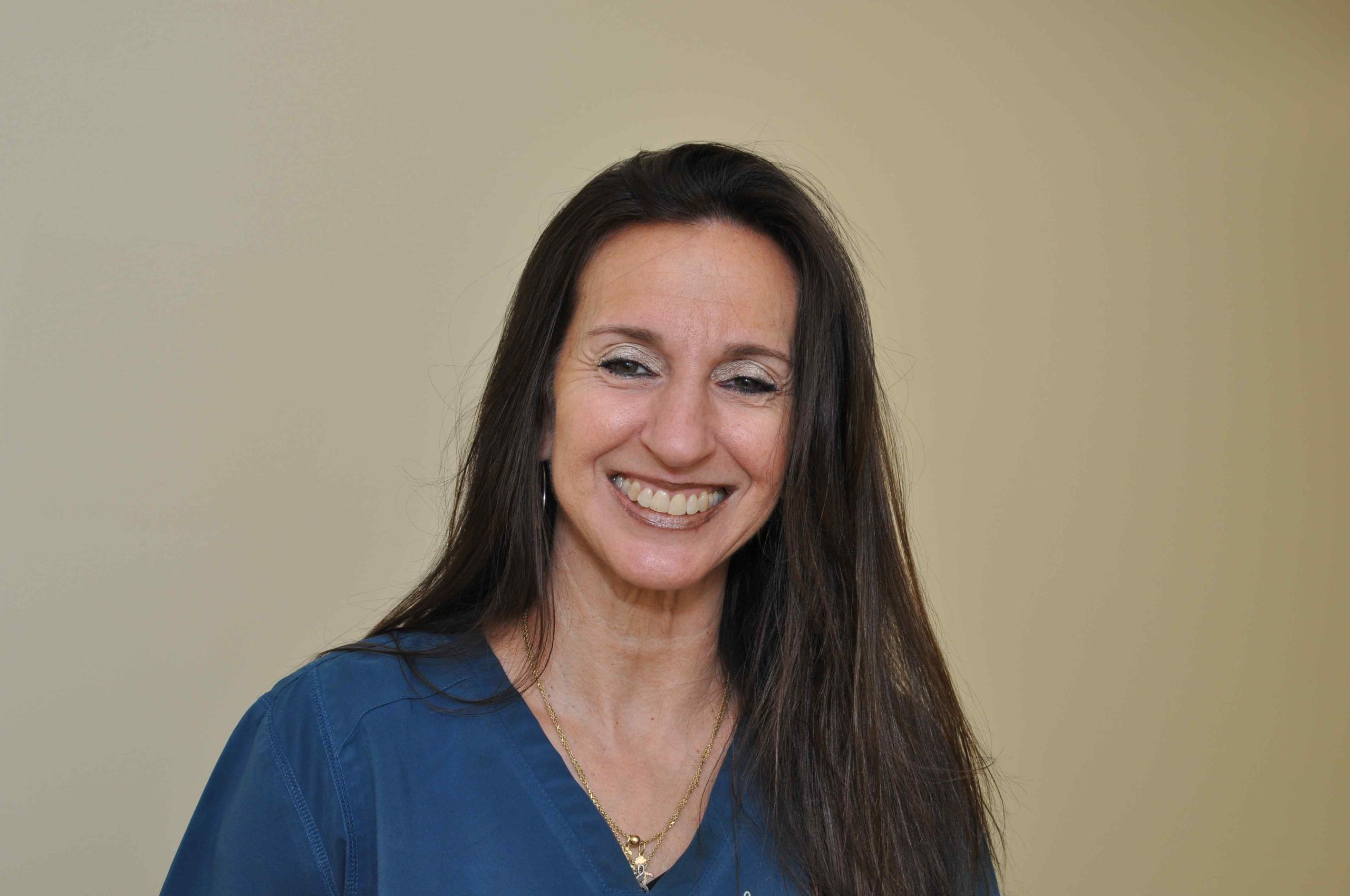
Employee Spotlight Shines on Donna Provenzano, RN, CEN, Assistant Head Nurse of the Emergency Department

This month, we are proud to shine our Employee Spotlight on Donna Provenzano, RN, CEN, and Assistant Head Nurse of the Emergency Department at Flushing Hospital Medical Center.

Donna began her nursing career at Flushing Hospital in 1989 as a student nurse and was welcomed with open arms on 2 West, formerly the med/ surg floor, by amazing nurses.

After obtaining her RN degree, Donna remained on 2 West until 1995 when she began to work as a float in the Emergency Department.  This is where she found her passion for providing emergency care and remained there for the past 27 years.

Donna was raised in the Borough of Queens. She attended Catholic schools through high school and obtained her nursing degree from Queensborough Community College. She continues to perfect her trauma nursing skills by participating in initiatives that promote critical thinking and solidify communication.

When she is not working, Donna enjoys reading, cooking, and listening to music daily, especially while she exercises. This helps her to relax after a challenging shift. Donna also enjoys traveling with family and friends and going to new places every year. Her favorite destinations typically include warm weather and beautiful beaches.

Donna feels as though she grew up working at Flushing Hospital and credits her career growth to having wonderful mentors. They helped her to become the nurse that she is today. Donna now tries her best to be a supportive mentor to the young nurses she works with. She is always willing to teach, guide, and share her knowledge with them. Donna also encourages new nurses to continue their education and to keep updated on the changing trends in emergency medicine.

Flushing Hospital has been like a second home and family to Donna. She likes the fact that she gets to spend so much time with her colleagues and that they can share their happiness, sadness, stress, and sense of fulfillment for taking care of patients.

Donna has had a long and successful career at Flushing Hospital. We look forward to her continuing to work with us for many more years to come.

All content of this newsletter is intended for general information purposes only and is not intended or implied to be a substitute for professional medical advice, diagnosis or treatment. Please consult a medical professional before adopting any of the suggestions on this page. You must never disregard professional medical advice or delay seeking medical treatment based upon any content of this newsletter. PROMPTLY CONSULT YOUR PHYSICIAN OR CALL 911 IF YOU BELIEVE YOU HAVE A MEDICAL EMERGENCY.
What is Merkel Cell Carcinoma?

Merkel cell carcinoma is a rare, aggressive form of skin cancer that only affects an estimated 3,000 Americans each year. It develops in Merkel cells, which are found deep in the outer layer of the skin, and causes them to grow uncontrollably. With this particular type of skin cancer, these cells tend to spread to other parts of the body quickly; additionally, the cancer often returns after treatment.

A person with Merkel cell carcinoma may notice one or more signs of the disease. Tumors typically appears on parts of the skin that have been exposed to the sun, such as the face, neck, or arms. These tumors can appear as shiny, pearly lumps that are:

  • Growing quickly
  • Firm, itchy, tender, and sore
  • Similar in appearance to a pimple or bug bite
  • Approximately the same size as a dime
  • Skin-colored, red, purple, or bluish-red

Merkel cell carcinoma usually develops in men who are fair-skinned and older than 50. This form of skin cancer is caused by exposure to ultraviolet (UV) rays, such as from the sun or artificial sources like tanning beds, as well as other risk factors such as Merkel cell polyomavirus, a common childhood virus that’s present in roughly 80% of people who develop Merkel cell carcinoma. However, despite this link, most people with the virus do not develop this cancer.

A person’s risk of developing Merkel cell carcinoma may also increase if they have other types of skin cancer, a history of severe sunburns, a weakened immune system, or frequently use light therapy (such as for psoriasis or other skin diseases) or take organ transplant medications.

Dermatologists (specialists who treat skin conditions) are the doctors who primarily diagnose and treat Merkel cell carcinoma and other forms of skin cancer. You can schedule an appointment with a dermatologist at Flushing Hospital Medical Center’s Ambulatory Care Center by calling (718) 670-5486.

All content of this newsletter is intended for general information purposes only and is not intended or implied to be a substitute for professional medical advice, diagnosis or treatment. Please consult a medical professional before adopting any of the suggestions on this page. You must never disregard professional medical advice or delay seeking medical treatment based upon any content of this newsletter. PROMPTLY CONSULT YOUR PHYSICIAN OR CALL 911 IF YOU BELIEVE YOU HAVE A MEDICAL EMERGENCY.
National Suicide Prevention Awareness Month

Suicide is currently the 11th leading cause of death in the United States. It can happen for a wide variety of reasons, but some of the most common risk factors include:

  • Personal or family history of suicide attempts
  • Personal or family history of mental disorders or substance use disorders
  • Chronic pain
  • Exposure to family violence, including physical or sexual abuse
  • The presence of firearms in the home
  • Recent release from prison or jail
  • Exposure to suicidal behavior from other people

While suicide is most common among middle-aged people, particularly men, it can happen among people of all ages. Many of the same warning signs apply to both adults and young people, but some may be different. Additionally, not all of these signs necessarily indicate that a person actually intends to commit suicide; however, they can indicate that the person is at risk and may benefit from preventative treatment.

For adults, suicide warning signs to watch out for include:

  • Talking about or planning suicide
  • Anxious, agitated, or reckless behavior
  • Talking about being a burden to others
  • Talking about feeling trapped or experiencing unbearable pain
  • Increased or frequent usage of alcohol and/or drugs
  • Talking about feeling hopeless or having no reason to live
  • Insufficient or excessive sleep
  • Social isolation
  • Extreme moods or mood swings

In addition to the above indicators, warning signs for young people include:

  • Expressing hopelessness about the future
  • Severe or overwhelming emotional pain or distress
  • Anger or hostility that seems increased and/or out of character

Whether or not you believe a person may genuinely commit suicide, do not dismiss these warning signs; they are indicators of serious underlying mental health problems. Let them know that you have recognized changes in their behavior, that they are not alone, and that you are there to support them.  You should also do what you can to make sure that they feel comfortable speaking openly with you about what’s troubling them.

Aside from providing support, the most helpful step you can take for someone who may be at risk of committing suicide is to encourage them to get professional help. You can reach Flushing Hospital Medical Center’s Outpatient Psychiatric Clinic to schedule an appointment or get more information by calling (718) 670-5562.

If you or someone you know is having suicidal thoughts or demonstrating suicidal behaviors, get help immediately. Call 911, 1-800-SUICIDE, or 1-800-273-TALK right away.

All content of this newsletter is intended for general information purposes only and is not intended or implied to be a substitute for professional medical advice, diagnosis or treatment. Please consult a medical professional before adopting any of the suggestions on this page. You must never disregard professional medical advice or delay seeking medical treatment based upon any content of this newsletter. PROMPTLY CONSULT YOUR PHYSICIAN OR CALL 911 IF YOU BELIEVE YOU HAVE A MEDICAL EMERGENCY.

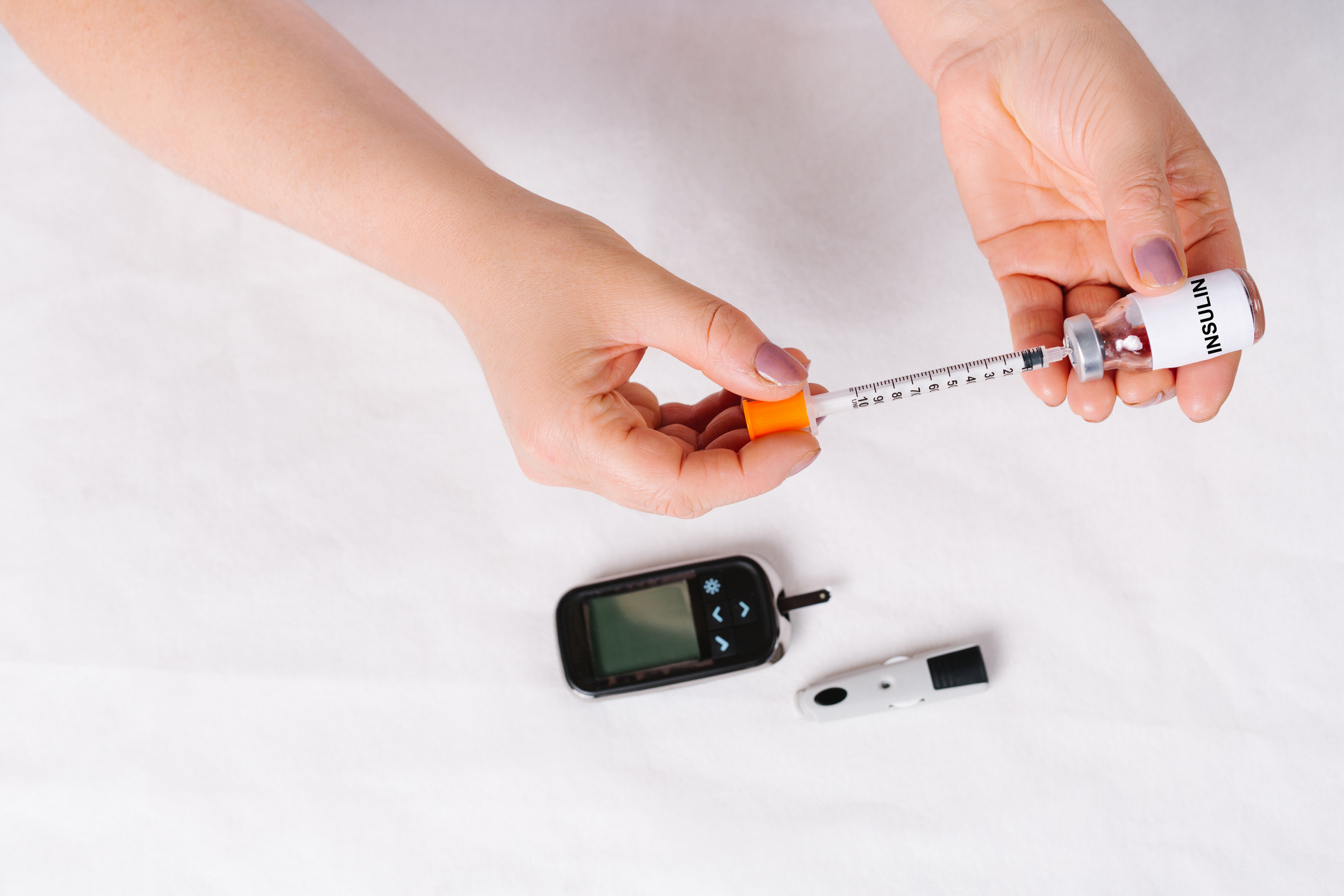
What is the Difference Between Diabetes and Insulin Resistance?

Diabetes and insulin resistance both involve some of the same elements. Specifically, a key factor in both conditions is the inability of the pancreas to produce enough insulin to control blood sugar levels in your body. Insulin allows your cells to absorb sugar from the blood, providing these cells with the energy they need to function and keep blood sugar levels normal.

Despite the similarities in terms of how insulin resistance and diabetes work, not everyone with one has the other. In a person with insulin resistance, cells in the muscles, fat, and liver do not respond as well as they should to insulin; the pancreas may be producing a normal amount of insulin, but because cells are not processing it effectively, this normal amount is not enough to support these cells’ ability to function.

A person with Type 1 or Type 2 diabetes can experience insulin resistance, but not everyone with diabetes is necessarily insulin resistant. Type 2 diabetes can occur as a result of the pancreas not making as much insulin as it’s normally supposed to; while the body’s cells may still be able to process insulin normally, not enough of it is being produced to support cell functions. This also occurs in people with Type 1 diabetes due to their immune system targeting insulin-producing cells in the pancreas.

Insulin resistance also doesn’t necessarily lead to diabetes in everyone who experiences it. While it can progress into prediabetes and, eventually, Type 2 diabetes if left untreated, it’s also associated with other conditions, including cardiovascular disease, fatty liver disease, metabolic syndrome, and polycystic ovary syndrome. Insulin resistance also isn’t necessarily a chronic condition; it can occur temporarily in some people.

If you’re experiencing symptoms of either insulin resistance or diabetes, you can receive treatment from an endocrinologist at Flushing Hospital Medical Center’s Ambulatory Care Center. To schedule an appointment, please call (718) 670-5486.

All content of this newsletter is intended for general information purposes only and is not intended or implied to be a substitute for professional medical advice, diagnosis or treatment. Please consult a medical professional before adopting any of the suggestions on this page. You must never disregard professional medical advice or delay seeking medical treatment based upon any content of this newsletter. PROMPTLY CONSULT YOUR PHYSICIAN OR CALL 911 IF YOU BELIEVE YOU HAVE A MEDICAL EMERGENCY.