

Who Should Be Screened for Lung Cancer?

Doctor and senior patient pointing on computerMany people who have smoked tobacco for an extended period of time often wonder if they should get screened for lung cancer. According to the American Cancer Society, if you fall under the category of a “high-risk patient,” it is recommended that you speak to your doctor about receiving lung cancer screening.

Patients who are at a high risk of developing lung cancer are defined as those who:

One of the greatest benefits of screening is it can allow doctors to detect cancer in its early stages, when it is easier to treat and the chance for a cure is greater. In a study published by the New England Journal of Medicine, “screening with low-dose computed tomography (CT) resulted in a 20% reduction in lung-cancer mortality,” in high-risk patients (http://www.nejm.org/doi/full/10.1056/NEJMoa1301851)

The most recommended and effective tool utilized for lung cancer screening is low-dose computed tomography or low-dose CT scan. It is currently recognized as the only tool that is effective in reducing the risk of lung cancer-related deaths in high-risk patient populations. While effective, there are complications that could result from repeated screenings such as receiving false positive results.

In addition to receiving screenings one of the best things you can do for your lungs’ health as a smoker is to quit smoking.  It is never too late to quit.

If you believe you are a candidate for lung cancer screening, it is important to speak with your doctor about all the risks and benefits. To learn more about lung cancer, please visit www.medisyscares.org or https://www.cancer.org/cancer/lung-cancer.html.

All content of this newsletter is intended for general information purposes only and is not intended or implied to be a substitute for professional medical advice, diagnosis or treatment. Please consult a medical professional before adopting any of the suggestions on this page. You must never disregard professional medical advice or delay seeking medical treatment based upon any content of this newsletter. PROMPTLY CONSULT YOUR PHYSICIAN OR CALL 911 IF YOU BELIEVE YOU HAVE A MEDICAL EMERGENCY.
Alcohol Awareness Month

April is Alcohol Awareness Month.  It was established in 1987 as a way to lessen the stigma associated with alcoholism.  During this month, people are especially urged to participate in community outreach activities to disseminate information about alcohol, alcoholism and recovery.

Flushing Hospital Medical Center is reaching out to the social media community to raise awareness and share some ideas on how to take action and prevent alcohol abuse at home and in the community.

Here are just a few ideas:

  • Encourage friends or family members to make small changes, like keeping track of their drinking and setting drinking limits.
  • Share tips with parents to help them talk with their kids about the risks of alcohol use.
  • Ask loved ones and friends to talk to their doctor about the benefits of drinking less or quitting.

Many people are unaware that alcoholism is a chronic progressive disease, genetically predisposed and can be fatal if left untreated.  The good news is that people can and have recovered.  To date, there are as many as 20 million individuals and family members who are living lives of recovery.

For more information on what you can do to help visit –

All content of this newsletter is intended for general information purposes only and is not intended or implied to be a substitute for professional medical advice, diagnosis or treatment. Please consult a medical professional before adopting any of the suggestions on this page. You must never disregard professional medical advice or delay seeking medical treatment based upon any content of this newsletter. PROMPTLY CONSULT YOUR PHYSICIAN OR CALL 911 IF YOU BELIEVE YOU HAVE A MEDICAL EMERGENCY.
Is It A Cold Or Is It Allergies?

The transition from winter to spring can be challenging to your health. The change in seasons often results in an overlap of symptoms that could be either the remnants of a winter cold or the first signs of spring allergies.

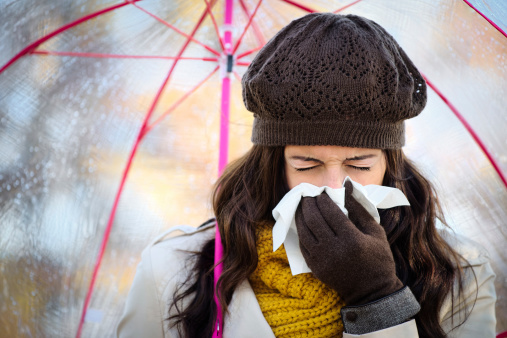
Woman coughing and blowing her nose in autumn

While many of the symptoms of colds and allergies are similar, the causes of each are very different.

Colds are contagious and they are contracted when a person is exposed to an individual infected with a cold virus.  Our body’s immune system will launch a counter attack against the virus. This response usually brings on the classic symptoms, such as a runny nose or cough.

An allergic reaction is caused by an overactive immune system that mistakes harmless things, such as pollen, and attacks them. To combat what it thinks are germs, your body releases chemicals called histamines as a defense. The release of these histamines can cause a swelling of the nasal passages and result in coughing and sneezing. Allergies are not contagious.

While many of the symptoms are similar, the easiest way to determine if you have a cold or are suffering from allergies is the duration of your condition. While most colds last from three to 14 days, allergies can last for months as long as the person is in contact with the allergen. Other differences are:

  • An allergic reaction will begin immediately after exposure to an allergen while cold symptoms usually take approximately three days to appear after exposure
  • Colds can sometimes cause fever and body aches while allergies never do
  • An allergic reaction can often result in itchy, watery eyes, which a cold rarely produces this type of reaction

Once a determination between cold or allergy is made, the appropriate treatment can be applied.

There is no cure for a cold, but there are medications that can help alleviate the symptoms. Cough syrups, pain relievers, decongestant sprays, or multi-symptom cold relief medicines can all be used to help, but should only be taken after consulting your doctor, especially if you are taking other medications or if you have other underlying health conditions. Drinking plenty of liquids also speeds up the recovery process.

To treat allergies, your doctor may recommend an over-the-counter antihistamine to block the reaction to the allergens. There are many forms of antihistamines and some may cause drowsiness so be sure to look for the non-drowsy formula or only take them at night. Decongestants may also be suggested to relieve nasal congestion and avoid an infection.

If you are not sure if you have a cold or allergies, please speak with your doctor. If you do not have a doctor, Flushing Hospital’s Ambulatory Care Center can help. To make an appointment, please call 718-670-8939.

All content of this newsletter is intended for general information purposes only and is not intended or implied to be a substitute for professional medical advice, diagnosis or treatment. Please consult a medical professional before adopting any of the suggestions on this page. You must never disregard professional medical advice or delay seeking medical treatment based upon any content of this newsletter. PROMPTLY CONSULT YOUR PHYSICIAN OR CALL 911 IF YOU BELIEVE YOU HAVE A MEDICAL EMERGENCY.

Chemical Dependency Unit

Chemical dependency is a term used to describe a disease characterized by the addiction to mood- altering chemicals found in legal or illegal drugs or alcohol. Some of the causes of chemical abuse and dependence are environmental stressors, social pressures, psychiatric problems or possible genetic traits.

People who have a chemical dependence most often abuse one or more of these agents:

  • Alcohol
  • Marijuana
  • Cocaine
  • Opiates
  • Inhalants
  • Hallucinogens
  • Methamphetamine
  • Pain medications

Warning signs that indicate a growing chemical dependence on these substances include:

  • Developing a tolerance to use more alcohol or drugs to get a desired effect
  • Interference with work, school, and relationships
  • Spending a lot of time getting, using or recovering from the use of substances
  • Craving drugs or alcohol on a continuing basis
  • Having withdrawal symptoms if drugs or alcohol are not available

The Chemical Dependency Unit at Flushing Hospital is a medically managed detoxification unit that offers safe withdrawal from alcohol and drugs. Culturally-sensitive treatment is provided by a dedicated and caring staff that consists of physicians, physicians’ assistants, specially trained nurses, credentialed alcoholism and substance abuse counselors, creative arts therapists, social workers, and psychiatric consultants. Their focus is stabilizing the individual physically and emotionally so they can start the recovery process.

In addition to providing treatment, educational groups are facilitated to help patients learn about addiction as well as creative arts groups to help patients understand and express their emotions. Also self-help groups, such as AA (Alcoholics Anonymous) and NA (Narcotics Anonymous), conduct meetings on the unit to familiarize patients with the support services they provide.

Patients are admitted 24 hours a day, seven days a week. The length of stay is usually between three and seven days. Discharge plans are based on the individual needs of the patient.

For more information or to schedule an appointment at the Chemical Dependency Unit at Flushing Hospital, call or .

.

All content of this newsletter is intended for general information purposes only and is not intended or implied to be a substitute for professional medical advice, diagnosis or treatment. Please consult a medical professional before adopting any of the suggestions on this page. You must never disregard professional medical advice or delay seeking medical treatment based upon any content of this newsletter. PROMPTLY CONSULT YOUR PHYSICIAN OR CALL 911 IF YOU BELIEVE YOU HAVE A MEDICAL EMERGENCY.

Adult Braces

All too often, when people hear the word “braces” they associate it with a young child or adolescent with a mouth full of metal brackets. However the association of braces with children is quickly changing as more and more adults are reaping the benefits of advances in orthodontic care.

Due to improvements in hardware and technique, braces have become more obtainable and aesthetically pleasing for anyone, including adults, who are self-conscious about their smile.

“More adults are seeking orthodontic treatment to create a beautiful, healthy, straight smile,” stated Dr. Rekha C. Gehani, Chair of Orthodontics at Flushing Hospital Medical Center.

Braces offer many health benefits including improving dental hygiene and aligning teeth that are out of place. If your teeth are misaligned or crooked there may be biting or chewing issues and food buildup between teeth, which can put you at risk for developing oral diseases.

There are several kinds of braces available to adults; the type of braces your dentist may recommend depends on the severity of your dental problems. Some braces that may be suitable are:

  • Ceramic Braces – less noticeable than metal
  • Lingual Braces – invisible from the outside
  • Invisalign – nearly invisible (removable)

If you are interested in learning more about adult braces, you can schedule an appointment at Flushing Hospital Medical Center’s Dental Center. Call .


All content of this newsletter is intended for general information purposes only and is not intended or implied to be a substitute for professional medical advice, diagnosis or treatment. Please consult a medical professional before adopting any of the suggestions on this page. You must never disregard professional medical advice or delay seeking medical treatment based upon any content of this newsletter. PROMPTLY CONSULT YOUR PHYSICIAN OR CALL 911 IF YOU BELIEVE YOU HAVE A MEDICAL EMERGENCY.

Potty Training Tips – Is my child ready?

potty training-506287066If you are wondering, “how will I know when my child is ready to begin potty training?”  You should know there are several signs you can look for that can help with gauging your toddler’s readiness.

The first step in determining if your child should begin potty training is making certain they are physically and emotionally ready. Beginning training before your toddler is ready can result in frustration and delay.

Most children show an interest in potty training between 18- 24 months; however, it is important to keep in mind that not all children are ready to begin training around this age.  Some toddlers are ready to train earlier and others later.  Paying attention to the following signs can serve as a better indicator than age:

  • Dry periods (going without urinating) of at least two hours.
  • Regular bowel movements at relatively predictable times.
  • Telling you when their diaper is dirty and wanting to be changed.
  • Understanding and using “potty” language such as “poo” or “pee”.
  • Being able to sit down and get up from the potty.
  • Having the ability to understand and follow basic directions.
  • Being able to pull pants up and down.
  • Being able to tell you that they need to go or have gone.

If you feel that your child is ready and you decide to begin training, you should prepare yourself for the journey ahead by keeping in mind; patience is the key to successful potty training.  This process will take time so do not have unrealistic expectations and timeframes. Prepare your child by talking to them about potty training- reading them storybooks can also be helpful. Teaching them the names of their body parts and how they eliminate waste is essential. This will help your toddler to understand body function and pay attention to cues that signal it’s time to use the potty.

Speaking to your pediatrician about what to expect is a very important part of your preparation.   Your child’s doctor can offer advice and helpful tips to ensure a positive experience for you and your toddler.

All content of this newsletter is intended for general information purposes only and is not intended or implied to be a substitute for professional medical advice, diagnosis or treatment. Please consult a medical professional before adopting any of the suggestions on this page. You must never disregard professional medical advice or delay seeking medical treatment based upon any content of this newsletter. PROMPTLY CONSULT YOUR PHYSICIAN OR CALL 911 IF YOU BELIEVE YOU HAVE A MEDICAL EMERGENCY.

Will Having Shingles Effect My Pregnancy?

Almost 1 out of every 3 people in the United States will develop shingles. Shingles is the term used for a skin rash that is caused by the herpes-zoster (varicella) virus, the same virus that causes chickenpox. In some cases it can reactivate and cause shingles. Anyone who has had chickenpox may develop shingles, including pregnant women and even children.

As a new or expecting mother there are a lot of concerns for staying as healthy as you can for you and your baby during pregnancy. Although you can’t give anybody shingles, you can pass the virus on as chickenpox. Whereas shingles is harmless in pregnancy, chickenpox can cause problems for an unborn baby. For this reason, stay away from other pregnant women while you have shingles.

If you are pregnant or trying to get pregnant:

  • First, get a blood test to find out if you’re immune to chickenpox. If you’re not immune, you can get a vaccine. It’s best to wait 1 month after the vaccine before getting pregnant.
  • If you’re already pregnant, don’t get the vaccine until after you give birth. In the meantime, avoid contact with anyone who has chickenpox or shingles.
  • If you’re not immune to chickenpox and you come into contact with someone who has it, tell your doctor right away. Your doctor can treat you with medicine that has chickenpox antibodies.
  • Tell your doctor if you come in contact with a person who has shingles. Your doctor may want to treat you with an antiviral medication. Antiviral medication will shorten the length of time that the symptoms will be present.

There isn’t a cure for shingles but a physician will usually prescribe medications to make the symptoms less intense. If you have questions about shingles send them to

To learn more about prenatal treatments please call the Department of Obstetrics and Gynecology at Flushing Hospital Medical Center, 718-670-8994.

All content of this newsletter is intended for general information purposes only and is not intended or implied to be a substitute for professional medical advice, diagnosis or treatment. Please consult a medical professional before adopting any of the suggestions on this page. You must never disregard professional medical advice or delay seeking medical treatment based upon any content of this newsletter. PROMPTLY CONSULT YOUR PHYSICIAN OR CALL 911 IF YOU BELIEVE YOU HAVE A MEDICAL EMERGENCY.

Pulmonary Medicine

The specialty of Pulmonary Medicine concentrates on the respiratory system which includes the lungs, the upper airways, the thoracic cavity and the chest wall. Doctors that work with the pulmonary system are called pulmonologists. Some of the illnesses that they treat include asthma, chronic obstructive lung disease (COPD) emphysema, lung cancer, and occupational lung diseases.
Flushing Hospital’s Division of Pulmonary Medicine offers a wide range of services to help diagnose and treat patients with lung disease.
Some of the diagnostic testing performed in the Pulmonary Function Lab includes:
• Spirometry
• Lung Volumes (nitrogen washout or body plethysmography)
• Diffusing capacity
• Arterial Blood Gas Testing
• Pulmonary Stress Test
• Six-minute Walk Test
• Sputum Induction
• Cold Air Exchange
If you would like to schedule an appointment with a pulmonologist at Flushing Hospital, please call 718-670-5486.

All content of this newsletter is intended for general information purposes only and is not intended or implied to be a substitute for professional medical advice, diagnosis or treatment. Please consult a medical professional before adopting any of the suggestions on this page. You must never disregard professional medical advice or delay seeking medical treatment based upon any content of this newsletter. PROMPTLY CONSULT YOUR PHYSICIAN OR CALL 911 IF YOU BELIEVE YOU HAVE A MEDICAL EMERGENCY.

Healthy Veggie Alternative to Meatballs

Last week we posted that Flushing Hospital Medical Center (FHMC) hosted a  Healthy Recipe Makeover Contest.

Below is the WINNING recipe.

Ingredients:

2 – Eggplants, (peeled and chopped)

2 – Packages of button mushrooms (chopped)

1 – Onion (finely chopped)

2- Cloves of garlic (finely chopped)

2- Large Egg White (lightly beaten)

1 – Teaspoon dried oregano

1 – Cup bread crumbs (whole wheat)

½ cup – Parmesan Cheese

Directions –

Sauté Eggplant, mushroom, onions and garlic until soft (let cool)

Combined Oregano, breadcrumbs and Parmesan Cheese

Add all of the above ingredients together.

Form into inch balls bake at 350 degrees for 25 minutes

Place in sauce and enjoy..

Our winner assures us that “No one will know they are meatless until they bite into them.”

All content of this newsletter is intended for general information purposes only and is not intended or implied to be a substitute for professional medical advice, diagnosis or treatment. Please consult a medical professional before adopting any of the suggestions on this page. You must never disregard professional medical advice or delay seeking medical treatment based upon any content of this newsletter. PROMPTLY CONSULT YOUR PHYSICIAN OR CALL 911 IF YOU BELIEVE YOU HAVE A MEDICAL EMERGENCY.

Q and A: Medication Expiration Dates

Q: Do over -the-counter and prescription medications have expiration dates? Do they mean anything and is it safe to take them past the expiration date?

A: Over-the-counter and prescription medications are time stamped with expiration dates. Time stamps can be found on the labels or on the actual container. It is important that you pay attention to these dates. The expiration dates indicate a guarantee of full potency and safety within the recommended shelf life.

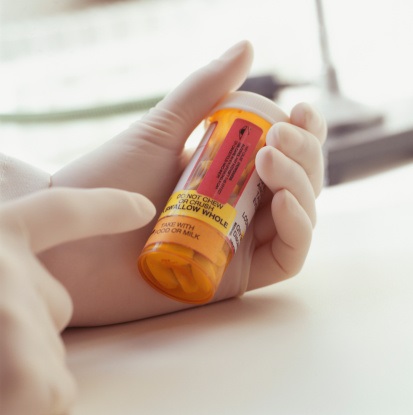
Person holding vial of pills, pointing at label, Close-up of hands

According to the United States Food and Drug Administration (FDA) – “Don’t be tempted to take expired medications.” The FDA states, using expired medical products is “risky and possibly harmful to your health.” This is because the efficiency of a medication may lessen over time due to changes in its chemical composition or a decrease in its potency.


All content of this newsletter is intended for general information purposes only and is not intended or implied to be a substitute for professional medical advice, diagnosis or treatment. Please consult a medical professional before adopting any of the suggestions on this page. You must never disregard professional medical advice or delay seeking medical treatment based upon any content of this newsletter. PROMPTLY CONSULT YOUR PHYSICIAN OR CALL 911 IF YOU BELIEVE YOU HAVE A MEDICAL EMERGENCY.