Lunar New Year at Flushing Hospital Medical Center

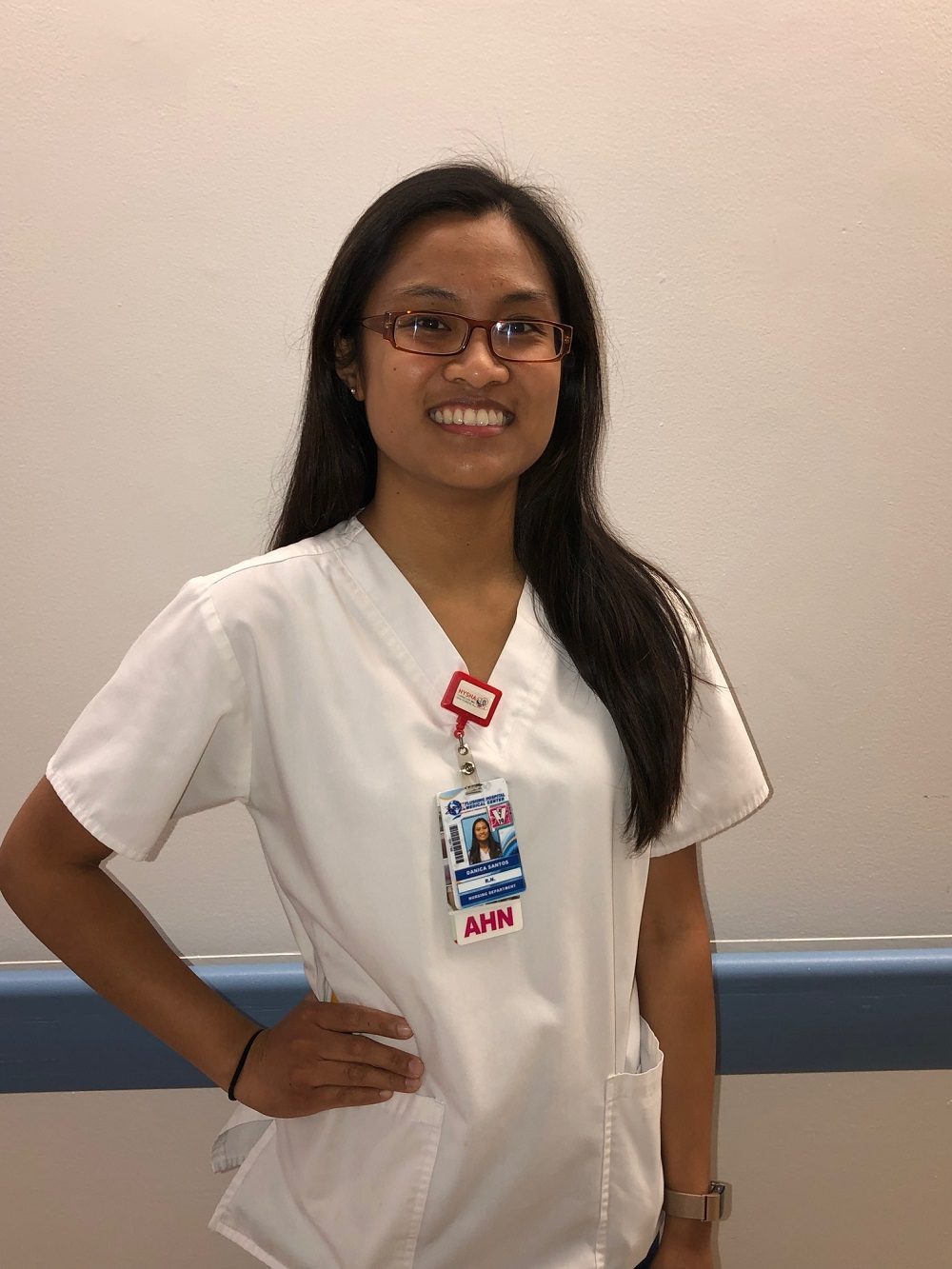
This year to celebrate Lunar New Year (The Year of the Pig), Flushing Hospital Medical Center’s Food and Nutrition Department handed out Mandarin oranges with a Happy New Year card to patients, visitors and staff.  This gesture is in keeping with FHMC’S commitment to cultural sensitivity. The Chinese word for mandarin is kam, which sounds similar to the word for gold.  Therefore, having mandarin oranges with you around New Year is thought to bring fortune into your life.  The patients, staff and visitors were all appreciative.

Happy Lunar New Year!!!

All content of this newsletter is intended for general information purposes only and is not intended or implied to be a substitute for professional medical advice, diagnosis or treatment. Please consult a medical professional before adopting any of the suggestions on this page. You must never disregard professional medical advice or delay seeking medical treatment based upon any content of this newsletter. PROMPTLY CONSULT YOUR PHYSICIAN OR CALL 911 IF YOU BELIEVE YOU HAVE A MEDICAL EMERGENCY.


Fainting

Whether watching a scene in a movie or on a television show or witnessing it happen in person, we have all seen someone faint, but do we really know what it is or what causes someone to do it?

Fainting, also called syncope (pronounced SIN-ko-pee), is a sudden, brief loss of consciousness and posture caused by decreased blood flow to the brain.

There are many different conditions that can cause someone to faint, including having an irregular heartbeat or low blood sugar. It can also be due to a condition called anemia, which is a deficiency in healthy oxygen-carrying cells or problems with the nervous system.  Anxiety, stress, hunger, dehydration or the use of alcohol or drugs can all lead to a fainting spell. In some cases, fainting runs in families.

While fainting may indicate a particular medical condition, sometimes it may occur in an otherwise healthy individual. In fact, most people who faint have no underlying heart or neurological problem. A simple fainting episode also called a vasovagal attack, is the most common type of fainting spell and is most common in children and young adults.

Typically, before someone faints, they will begin to feel a rush of warmth through their body, followed by a sensation of weakness or lightheadedness before going limp and passing out. The person may also break out in a cold sweat or experience nausea. In most cases, the individual who has fainted regains complete consciousness within just a few minutes.

Management of fainting is simple: Allow the person to recover while lying flat and elevate their legs to allow blood to flow to the brain. Drinking fruit juice after regaining consciousness can also be helpful, especially if the episode was due to low blood sugar.  If the patient doesn’t regain consciousness quickly, dial 911.

See a health care provider immediately if a person fainted hit their head, if they have fainted more than once in a month; if they are experiencing unusual symptoms such as chest pain, shortness of breath, blurred vision or difficulty speaking; or if they are pregnant or have another serious condition. A doctor can help determine the cause and possibly address the underlying issue.

To schedule an appointment with a doctor at Flushing Hospital Medical Center,  please call 718-670-5486.

All content of this newsletter is intended for general information purposes only and is not intended or implied to be a substitute for professional medical advice, diagnosis or treatment. Please consult a medical professional before adopting any of the suggestions on this page. You must never disregard professional medical advice or delay seeking medical treatment based upon any content of this newsletter. PROMPTLY CONSULT YOUR PHYSICIAN OR CALL 911 IF YOU BELIEVE YOU HAVE A MEDICAL EMERGENCY.

Walking Pneumonia

Walking pneumonia  is a very mild case of pneumonia, with very mild symptoms not much different than a common cold..  It is caused by the Mycoplasma pneumoniae bacteria, and most commonly seen during the late summer, though it can occur at any time of the year. People who are most susceptible are young children and adults under the age of 40. Also people living in close quarters such as dormitories, military barracks and nursing homes are at higher risk

Walking pneumonia is considered to be contagious and is typically spread by coughing and sneezing. A person who has it can be contagious for as many as 10 days.

The symptoms of walking pneumonia include:
• Chest pain when taking deep breaths
• Coughing
• Fatigue
• Headache
• Sore throat

There are a few things a person can do to help lower their chances of getting walking pneumonia. Frequently washing your hands with soap and water is always a good idea as is eating a balanced diet, and getting sufficient sleep every night. It is important to dress appropriately for inclement weather which can make you more susceptible to lowered resistance and to cover your mouth when you cough or sneeze and ask others around you to do the same. Not smoking will also help.

Treating walking pneumonia requires drinking lots of fluids and getting as much rest as possible. Your doctor may prescribe an antibiotic if they feel it is necessary. Most people start to feel better after four or five days but there are some people who have a cough that can last for weeks.

If you are experiencing symptoms of walking pneumonia, you should see your physician for appropriate treatment options. If you would like to schedule an appointment with a physician at Flushing Hospital Medical Center, please call 718-670-5486.

All content of this newsletter is intended for general information purposes only and is not intended or implied to be a substitute for professional medical advice, diagnosis or treatment. Please consult a medical professional before adopting any of the suggestions on this page. You must never disregard professional medical advice or delay seeking medical treatment based upon any content of this newsletter. PROMPTLY CONSULT YOUR PHYSICIAN OR CALL 911 IF YOU BELIEVE YOU HAVE A MEDICAL EMERGENCY.

Employee Spotlight – Gregory Buie

This month, Flushing Hospital Medical Center’s (FHMC) Employee Spotlight shines on Security Officer Gregory Buie. Gregory has been a security officer for three years and is tasked with securing the hospital premises, protecting its personnel, monitoring the hospital’s closed circuit TV (CCTV), and checking that the proper hospital identification is being displayed on each employee.

Gregory is married, has four children and two grandchildren. When he is not at work, he enjoys traveling, basketball, football and being active in his church.

“The most rewarding part of my job is helping people. Although there can sometimes be differences with personalities, I always remember that the person I’m speaking with may not be feeling well or is worried about a loved one they are there to visit and they deserve my respect and patience.”

We thank Gregory Buie for his valuable services to Flushing Hospital, and recognize him as a great asset to our team.

All content of this newsletter is intended for general information purposes only and is not intended or implied to be a substitute for professional medical advice, diagnosis or treatment. Please consult a medical professional before adopting any of the suggestions on this page. You must never disregard professional medical advice or delay seeking medical treatment based upon any content of this newsletter. PROMPTLY CONSULT YOUR PHYSICIAN OR CALL 911 IF YOU BELIEVE YOU HAVE A MEDICAL EMERGENCY.

Drug and Food Interactions

Certain foods that you eat or drink can negatively affect the way your medications work. When drugs and food interfere with each other’s functionality this is known as a “Food-Drug Interaction.”

According to Salvatore Sica, Pharmacist at Flushing Hospital Medical Center, food can interact with your medicine in one of three ways; it can enhance, delay or decrease the absorption of medication.  Changes in your body’s ability to metabolize medication properly can result in an increased risk of side effects.

Knowing which foods to avoid when taking certain medications can decrease the risk of adverse reactions. Here are a few common food-drug interactions you should know:

Grapefruit Juice:  Should not be consumed when taking certain medications.  Grapefruit juice can block enzymes in the intestines, affecting the way drugs are metabolized by the body.  It may allow excessive amounts of the drug to enter the blood which can lead to side effects. Your doctor may recommend that you do not consume grapefruit juice if you are taking medications that are cholesterol-lowering agents as well as some allergy, heart, immune system or anti-anxiety drugs.

Vitamin-K Rich Foods:  Blood thinners are often prescribed to people to prevent life-threatening blood clots from developing. Eating foods that are rich in vitamin K such as spinach, broccoli and asparagus can decrease the effects of blood thinners.

Dairy – Calcium-rich foods including, cheese, yogurt or other dairy products can interfere with certain medications such as antibiotics.  These medications can bind to calcium and form an insoluble substance that is difficult for the body to absorb.

Alcohol:  According to a study conducted by the National Institutes of Health, the most common types of medications that interact with alcohol are high blood pressure, pain, diabetes, antipsychotic, and antidepressant medications as well as sleeping pills.  Drinking alcohol while taking these medications may lead to harmful reactions such as hypotension (low blood pressure), liver injury, ulcers or disruptions in your breathing (which can lead to death). It is also important to keep in mind that alcohol-drug interactions are not limited to prescription drugs, harmful reactions can also occur when taking over-the-counter medications.

If you are unsure of how certain foods may interact with your medications, your pharmacist can be a great help in providing this information.   It is also recommended that you inform your doctor and pharmacist of any changes in your diet, as they can advise on precautions you may need to take.

For your convenience, a full-service pharmacy is located at Flushing Hospital Medical Center in the Medical Science Building providing prescription services to discharged, emergency department and clinic patients as well as employees. Please feel free to contact our friendly pharmacists at 718-353-3160.

All content of this newsletter is intended for general information purposes only and is not intended or implied to be a substitute for professional medical advice, diagnosis or treatment. Please consult a medical professional before adopting any of the suggestions on this page. You must never disregard professional medical advice or delay seeking medical treatment based upon any content of this newsletter. PROMPTLY CONSULT YOUR PHYSICIAN OR CALL 911 IF YOU BELIEVE YOU HAVE A MEDICAL EMERGENCY.

Department Spotlight – Department of Medical Records

January’s Department Spotlight shines on the Medical Records. Under the leadership of Deborah Corwin, Director and Dolores Chin, Assistant Director, the hard working employees of this department make sure that the cataloging and dispersment of medical and personal information within the medical record of every patient is handled confidentially.

Flushing Hospital Medical Center’s Medical Records Department  is located 4500 Parsons Blvd.,  on the first floor adjacent to the hospitals main lobby and their hours of operation are Monday to Friday, from 9AM to 5PM.  If you are interested in a copy of your medical records from Flushing Hospital Medical Center, call 718-670-5424 or 5425.


All content of this newsletter is intended for general information purposes only and is not intended or implied to be a substitute for professional medical advice, diagnosis or treatment. Please consult a medical professional before adopting any of the suggestions on this page. You must never disregard professional medical advice or delay seeking medical treatment based upon any content of this newsletter. PROMPTLY CONSULT YOUR PHYSICIAN OR CALL 911 IF YOU BELIEVE YOU HAVE A MEDICAL EMERGENCY.

Things to Consider When Taking Oral Contraceptives

Oral contraceptives, also called birth control pills, are one of the most popular forms of birth control used today. These oral contraceptives work by inhibiting ovulation and are considered to be safe when used properly.
Some studies have shown that the risks of breast cancer and cervical cancer might be increased when taking oral contraceptives. This is due to the fact that the female hormones estrogen and progesterone which are used to make the oral contraceptives, when found in higher levels in the body, are linked to the increased risk of cancer occurring. Conversely, the higher levels of these hormones may lower the risks for endometrial, ovarian and colorectal cancer.
Other complications from taking oral contraceptives while rare, may also include blood clots, stroke, heart attacks, and liver tumors.
There are some situations where combination oral contraceptives shouldn’t be used. These include:
• Women who smoke
• Have a history of breast cancer
• Experience uncontrolled high blood pressure
• Have liver disease or uncontrolled diabetes
Oral contraceptives are prescribed by a physician. It is important that a full medical history be taken and a physical examination be performed prior to starting to take them. If you are considering taking an oral contraceptive and would like to discuss this with a physician at Flushing Hospital Medical Center, please call 718-670-5486 to schedule an appointment.

All content of this newsletter is intended for general information purposes only and is not intended or implied to be a substitute for professional medical advice, diagnosis or treatment. Please consult a medical professional before adopting any of the suggestions on this page. You must never disregard professional medical advice or delay seeking medical treatment based upon any content of this newsletter. PROMPTLY CONSULT YOUR PHYSICIAN OR CALL 911 IF YOU BELIEVE YOU HAVE A MEDICAL EMERGENCY.

Dr. Tips on Cold and Flu Prevention

According to the Centers for Disease Control and Prevention (CDC) flu season runs from October through May, with the most recorded cases usually identified during the month of February.

With cold and flu season upon us, Dr. Alexander Kintzoglou, Chairman of the Department of Medicine at Flushing Hospital Medical Center would like to share some cold and flu prevention tips.

  1. Flu Shot – The best measure to take against getting the flu is to get a flu shot. The CDC states that, “Flu vaccines have been updated to better match circulating viruses.”
  1. Hand hygiene – No matter what your daily routine is, you will most likely come in contact with other people. By washing your hands frequently, with soap and water, you can prevent receiving germs that may cause the cold or flu. If you are unable to access soap and water, you can use hand sanitizer in a pinch.  Just make sure the product has an alcohol base.
  2. Sanitize – By keeping your surrounding area clean ( i.e. computer station, key board, door knobs, light switches, etc.) you will lessen your risk of catching a cold or the flu.
  3. Shaking hands – Be cautious when shaking hands, especially with people who are sick. Remember to wash your hands after an encounter.
  4. Keep a healthy lifestyle – There is no better immunity builder than good nutrition. By eating right, your body will have the natural antibodies to fight off the cold or flu.
  5. Smoking – By triggering your allergies, which can cause an upper respiratory infection that can weaken your immune system, smoking may make you more susceptible to getting a cold or the flu.

According to Dr. Kintzoglou, “Nobody gets the flu from the flu vaccine.”  He further states, “Receiving a flu shot protects not only yourself, but your friends and family.”  He urges everyone to get vaccinated.

If you would like to get a flu shot, call the Flushing Hospital Medical Center Ambulatory Care Center at 718-670-5486 to schedule an appointment.

All content of this newsletter is intended for general information purposes only and is not intended or implied to be a substitute for professional medical advice, diagnosis or treatment. Please consult a medical professional before adopting any of the suggestions on this page. You must never disregard professional medical advice or delay seeking medical treatment based upon any content of this newsletter. PROMPTLY CONSULT YOUR PHYSICIAN OR CALL 911 IF YOU BELIEVE YOU HAVE A MEDICAL EMERGENCY.

The Shingles Vaccine

Shingles is a painful rash that is caused by the herpes zoster virus. This is the virus that causes chicken pox.  Everyone is susceptible, but people who had chicken pox as a child are more susceptible. It is estimated that one million people each year in the United States will have an outbreak of shingles.

According to the Center for Disease Control, the people who are most at risk for getting shingles and should get the vaccine are:
• Those who are fifty years of age or older
• People who either had chickenpox as a child or don’t know if they had it
• People who already had shingles in the past
• Anyone who had the shingles vaccine Zostavax previously

Currently there are two vaccines that have been approved by the Food and Drug Administration to prevent shingles. They are Zostavax, which is a weakened version of the live virus, and Shingrix which is a laboratory manufactured version of the viral DNA.  The CDC recommends Shingrix as the preferred vaccine.

Anyone who is pregnant or breast feeding, is currently experiencing  a shingles outbreak, or who tests negative for the varicella zoster virus should not get the vaccine. Additionally, people should not be given the Zostavax vaccine if they are allergic to gelatin, Neomycin, or any ingredients in the vaccine, have compromised immune systems such as HIV, are taking steroids , have had an organ transplant, are receiving chemotherapy or radiation, or have cancer affecting the lymphatic system or the bone marrow.

Speak with your physician if you are interested in receiving the shingles vaccine. You can schedule an appointment with a physician at Flushing Hospital Medical Center by calling 718-670-5486.

All content of this newsletter is intended for general information purposes only and is not intended or implied to be a substitute for professional medical advice, diagnosis or treatment. Please consult a medical professional before adopting any of the suggestions on this page. You must never disregard professional medical advice or delay seeking medical treatment based upon any content of this newsletter. PROMPTLY CONSULT YOUR PHYSICIAN OR CALL 911 IF YOU BELIEVE YOU HAVE A MEDICAL EMERGENCY.

Pregnancy and Gastrointestinal Issues

Gastrointestinal issues are common during pregnancy.  This may be due in part to several factors such as an increase in hormones or the limited amount of abdominal space available for digestive organs to function normally.

As your baby grows, your organs will rearrange themselves to accommodate uterine growth.   The enlarged uterus displaces the stomach, esophagus and intestines which can contribute to reflux of gastric contents or other digestive problems.

Hormonal changes can also contribute to digestive problems.  Pregnant women produce high levels of the hormone progesterone. This hormone causes bowel muscles to relax and can affect their ability to work efficiently.

These changes in a woman’s body during pregnancy may cause the following symptoms to develop:

  • Nausea and vomiting
  • Constipation
  • Acid Reflux
  • Diarrhea

If you are experiencing these symptoms, speak with your doctor right away.  Your doctor will determine if they are pregnancy-related and recommended the best treatment options for your health.

To schedule an appointment with a doctor at Flushing Hospital Medical Center, please call 718-670-5486.

All content of this newsletter is intended for general information purposes only and is not intended or implied to be a substitute for professional medical advice, diagnosis or treatment. Please consult a medical professional before adopting any of the suggestions on this page. You must never disregard professional medical advice or delay seeking medical treatment based upon any content of this newsletter. PROMPTLY CONSULT YOUR PHYSICIAN OR CALL 911 IF YOU BELIEVE YOU HAVE A MEDICAL EMERGENCY.