Flushing Hospital Supports World Suicide Prevention Day

Suicide affects millions; over 800,000 people take their lives each year, and the number of people who attempt suicide is twenty five times that amount. In addition to the lives lost, suicide also affects the many friends and family members devastated by the loss of their loved one.

Suicide is largely preventable though. Through education and awareness, we can get those people who are contemplating suicide the help they need.

Educational and Creative composition with the message Stop Suicide

One of the best tools in preventing suicide is to know the risk factors. Over 90% of people who attempt suicide live with depression or another mental disorder. Alcohol or substance abuse is often a contributing factor. Adverse reactions to traumatic events or stress can also lead to someone wanting to take their own life.

Other risk factors for suicide include:
• Family history of mental disorder or substance abuse
• Family history of suicide
• Family violence
• Physical or sexual abuse
• Keeping firearms in the home
• Chronic physical illness, including chronic pain
• Exposure to the suicidal behavior of others

Someone who is considering suicide usually displays certain behaviors. Loved ones should look for the following warning signs:

Always talking or thinking about death
Trouble sleeping and eating — that gets worse over time
Displaying reckless behavior that could result in death, such as driving fast or running red lights
Losing interest in things one used to care about
Making comments about being hopeless, helpless, or worthless
Talking about suicide or killing one’s self
Visiting or calling people to say goodbye

If someone you know appears to be contemplating suicide, take the issue seriously. Let the person know that you care and understand and are listening and attempt to get them immediate help from a health care professional.

If your loved one appears to be in imminent danger of committing suicide, do not leave him or her alone. Remove any weapons or drugs he or she could use. Accompany him or her to the nearest emergency room or call 911.

September 10 has been designated World Suicide Prevention Day. Many organizations from around the world have joined this cause. Flushing Hospital’s supports their efforts and the hospital’s Department of Psychiatry offers many inpatient and outpatient services to help those in need.

All content of this newsletter is intended for general information purposes only and is not intended or implied to be a substitute for professional medical advice, diagnosis or treatment. Please consult a medical professional before adopting any of the suggestions on this page. You must never disregard professional medical advice or delay seeking medical treatment based upon any content of this newsletter. PROMPTLY CONSULT YOUR PHYSICIAN OR CALL 911 IF YOU BELIEVE YOU HAVE A MEDICAL EMERGENCY.

National Immunization Awareness Month

August is National Immunization Month. The importance of this designation is to make people aware about the different types of vaccines they should get throughout their lifetime. Vaccines are important to keep the body healthy by building up an immunity to serious diseases. If you would like to make an appointment with a physician at Flushing

Hospital, please call 718-670-5486.

All content of this newsletter is intended for general information purposes only and is not intended or implied to be a substitute for professional medical advice, diagnosis or treatment. Please consult a medical professional before adopting any of the suggestions on this page. You must never disregard professional medical advice or delay seeking medical treatment based upon any content of this newsletter. PROMPTLY CONSULT YOUR PHYSICIAN OR CALL 911 IF YOU BELIEVE YOU HAVE A MEDICAL EMERGENCY.

Tips for Breastfeeding Babies Who are Teething

breastfeeding -455257461Most babies do not bite while breastfeeding but some might while teething. This can be painful or uncomfortable and may cause some mothers to consider weaning. Although teething raises some challenges, mothers are encouraged to continue breastfeeding as best they can. Organizations such as the World Health Organization and the American Academy of Pediatrics highly recommend breastfeeding until babies are ages one to two.

If you decide to continue breastfeeding throughout teething, following these tips can help you alleviate some pain and discomfort:
• Make certain that your baby is latched on properly. When babies are latched properly it is difficult for them to bite as their tongues are covering the lower gums or teeth.
• Massage the baby’s gums before feeding. This can decrease the level of discomfort or pain your baby may be experiencing.
• Discourage the baby each time he bites by either removing him from the nipple bite or by pulling him closer to you. Then calmly say “no biting”.
• Give baby something cold to chew before feeding. A chilled, age-appropriate teething toy or cloth can ease soreness. Rubbing an ice cube on gums works just as well.
• Stick a finger in the corner of the baby’s mouth as he or she clamps down. This will serve as a barrier between your nipples and baby’s teeth.

The good news is biting caused by teething is only a phase; it is temporary. Continuing to breastfeed can provide countless benefits for your baby. If your baby still bites after trying these tips, do not hesitate to contact a lactation consultant or your pediatrician for direction and support

All content of this newsletter is intended for general information purposes only and is not intended or implied to be a substitute for professional medical advice, diagnosis or treatment. Please consult a medical professional before adopting any of the suggestions on this page. You must never disregard professional medical advice or delay seeking medical treatment based upon any content of this newsletter. PROMPTLY CONSULT YOUR PHYSICIAN OR CALL 911 IF YOU BELIEVE YOU HAVE A MEDICAL EMERGENCY.

Today is World Hepatitis Awareness Day

Liver Protected Against Hepatitis Virus

In 2010 the World Health Organization ( W.H.O. ) designated July 28th as World Hepatitis Day. This serves to increase awareness about viral hepatitis and to influence change in disease prevention, testing and treatment. The goal for 2016 is to adopt a plan that will eliminate hepatitis as a public threat by 2030.
Hepatitis is a virus that causes an inflammation of the liver. The liver is an organ in the body that processes nutrients, filters the blood and fights infections. The most common forms of hepatitis are A, B, and C. Hepatitis B and C kill close to 1.4 million people each year and cause almost 80 percent of all liver cancer cases. Many people have the hepatitis virus and are unaware of it.
Symptoms of acute hepatitis B include:
• Fever
• Nausea
• Loss of appetite
• Jaundice
• Abdominal pain
• Fatigue
Hepatitis is spread from person to person through contact with bodily fluids. It is possible that people remain without symptoms for many years but during this time the disease is slowly destroying the liver. It can take many years for the symptoms to appear. Blood tests are available that can detect the virus at an early stage.
Ways to reduce infection:
• Use only sterile equipment for injections
• Test all donated blood for hepatitis
• Practice safe sex
• Encourage people to get hepatitis B vaccine
Medication exists that can cure hepatitis C and can control hepatitis B infection. When given properly, people are less likely to die from liver cancer and cirrhosis and also are less likely to transmit the disease to others. The hepatitis B vaccine is given in three doses over a 6 month period and it is recommended that it be initiated right after birth if possible.
To make an appointment with a physician at Flushing Hospital to discuss the vaccine, please call 718-670-5486.

All content of this newsletter is intended for general information purposes only and is not intended or implied to be a substitute for professional medical advice, diagnosis or treatment. Please consult a medical professional before adopting any of the suggestions on this page. You must never disregard professional medical advice or delay seeking medical treatment based upon any content of this newsletter. PROMPTLY CONSULT YOUR PHYSICIAN OR CALL 911 IF YOU BELIEVE YOU HAVE A MEDICAL EMERGENCY.
Flushing Hospital Recognizes World Sickle Cell Day

June 19 has been designated World Sickle Cell Day to help bring attention to this genetic disease that affects an estimated 100,000 Americans.

ThinkstockPhotos-478180764Sickle cell disease is an inherited form of anemia – a condition in which red blood cells are unable to carry oxygen throughout the body. For most, red blood cells are round and can move easily through blood vessels, but the red blood cells in people with sickle cell disease are crescent, or half-moon shaped. These irregular shaped cells can get stuck in blood vessels, which can slow or block the flow of oxygen to certain parts of the body.

In addition to being irregular in shape, sickle cells are fragile and break apart easily. Normal red blood cells live an average of four months before they die and need to be replaced. Sickle-shaped cells however only live an average of 20 days. The result of this shortage of blood cells is a loss of energy and general sense of fatigue.
Other symptoms of sickle cell disease include:

• Hand-Foot Syndrome – Often the first sign of sickle cell disease. It is caused by a lack of blood flow to the hands and feet

• Episodes of Pain – Referred to as a “crisis”, these episodes of pain occur when blood flow is blocked to the chest, abdomen, and joints. The frequency and duration of the episodes vary from person to person, but in severe cases, they can result in hospitalization.

• Frequent Infections and Fever– Sickle Cell can cause damage to the spleen, an organ that fights infection, making those with sickle cell at greater risk of developing an infection and an accompanying fever.

• Changes in Skin – People with sickle cell disease can develop a yellow tint to their skin or the whites of their eyes. Skin and nail beds can often become pale.

• Delayed growth – By not receiving enough oxygen rich red blood cells, those with sickle cell disease may also not get the necessary nutrients essential for growth.

The risk of inheriting sickle cell disease is a genetic one. For a baby to be born with it, both parents must carry the sickle cell gene. Doctors can diagnose sickle cell disease before a child is born. Couples who are at risk for passing on this disease to their children may want to talk with a genetic counselor about prenatal testing. The sickle cell gene is more common in families that come from Africa, India, Carribbean islands, and Central and South America.

To determine if you have sickle cell disease, your doctor can order a test to check for hemoglobin S, the defective form of hemoglobin that underlies sickle cell anemia. Further tests can confirm the existence of one gene (carrying the sickle cell trait) or two genes (sickle cell anemia). For those who have sickle cell anemia, treatment is aimed at treating the symptoms and avoiding crisis. Regular check-ups to monitor your red blood cell count are important. Medications are available to reduce pain and prevent complications can be prescribed, and blood transfusions, supplemental oxygen and even bone marrow transplants may also be necessary.

Flushing Hospital serves a culturally rich and diverse population. Many members of our community are from the parts of the world most often affected by sickle cell disease. In recognition of National Sickle Cell Awareness Month, Jamaica Hospital’s encourages anyone living with sickle cell disease to carefully manage their condition. The hospital also recommends all potential parents to be tested for the sickle cell trait.

All content of this newsletter is intended for general information purposes only and is not intended or implied to be a substitute for professional medical advice, diagnosis or treatment. Please consult a medical professional before adopting any of the suggestions on this page. You must never disregard professional medical advice or delay seeking medical treatment based upon any content of this newsletter. PROMPTLY CONSULT YOUR PHYSICIAN OR CALL 911 IF YOU BELIEVE YOU HAVE A MEDICAL EMERGENCY.

Are You at Risk for Developing Cataracts?

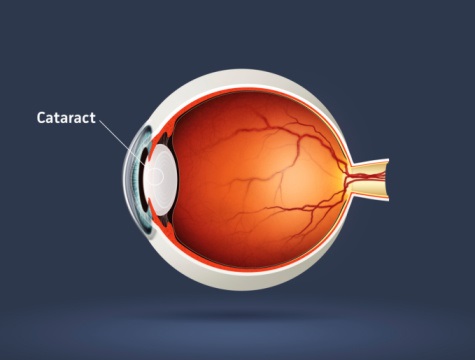
High quality raster illustration of cataract (eye disease)Cataracts are the leading cause of blindness globally.  They are very common in older adults- in fact; it is estimated that more than 75% of people over the age of 65 will develop cataracts.  Although less common, people can develop this medical condition in their forties and fifties as well.

As you age, proteins in the eye begin to break down, causing clouding in the lens and the formation of cataracts. Many who are affected are unaware that this process is occurring because cataracts grow very slowly and does not impede vision during its early stages.   There are symptoms that can indicate the development of cataracts. Here are some that you can look out for:

  • Colors appear faded
  • Clarity in vision decreases and cannot be corrected with eyeglasses
  • An increase in sensitivity to light and glare
  • Halos appearing around lights
  • Poor night vision
  • Frequent changes in prescription eyewear
  • Double vision

Some people are more at risk of developing cataracts than others. These factors increase your risks:

  • Diabetes
  • Exposure to prolonged durations of sunlight
  • Heavy drinking
  • Smoking
  • Obesity
  • Family history
  • Advanced age
  • High blood pressure
  • Previous eye injury or surgery

June is Cataract Awareness Month. During this time, Flushing Hospital Medical Center wants you to know, there are several things you can do to be proactive and slow the progression of cataracts.  Eating healthy is a good start. A balanced diet rich in vitamin C has shown to be effective.  Wear sunglasses to shield your eyes from the Sun’s UV rays.  If you are a smoker- stop smoking and drink in moderation.  Early detection can save your eyesight therefore, scheduling routine eye exams is very important.


All content of this newsletter is intended for general information purposes only and is not intended or implied to be a substitute for professional medical advice, diagnosis or treatment. Please consult a medical professional before adopting any of the suggestions on this page. You must never disregard professional medical advice or delay seeking medical treatment based upon any content of this newsletter. PROMPTLY CONSULT YOUR PHYSICIAN OR CALL 911 IF YOU BELIEVE YOU HAVE A MEDICAL EMERGENCY.

To Hookah or Not to Hookah?

Article by Jennifer Ceide,  AE-C, CHES, CTTS Flushing Hospital Medical Center

Brunette with hookah

For my birthday, I am definitely going to a hookah lounge!” was excitedly determined by my cousin several years ago. As a developing tobacco treatment specialist, I wanted to proclaim my objection by saying, “Do you know that one hookah session is equivalent to smoking 100 cigarettes?!” Luckily, we couldn’t find a lounge that was open. Besides hookah lounges, hookah is also offered at night clubs and restaurants; it’s almost impossible not to find an opportunity to smoke hookah.  So why the sudden burst in popularity, especially among never-smoked-a-cigarette millennials who without hesitation detest cigarette smoking?

So, what’s a Hookah? 

Hookah is a water pipe used to smoke tobacco. Tobacco is burned at the top of the pipe, the smoke is then passed through water and the vapor is inhaled.

It’s safer…right? 

Wrong! Besides the delivery of the highly addictive drug nicotine, the smoke from hookah contains toxins that contribute to cancer and other diseases. The water through which the smoke passes gives the false impression of purification; this process has not been shown to decrease any toxins associated with smoking. The vapor contains carbon monoxide, metals, and cancer-causing chemicals.

According to the World Health Organization, a hookah session can last between 20 to 80 minutes, one session can be equal to smoking 100 cigarettes.

When we consider the added risk associated with sharing a mouthpiece with others, the possibility of contracting communicable diseases such as tuberculosis, herpes, influenza, or hepatitis becomes a noteworthy threat.

To hookah or not to hookah?

From what we know so far the risks linked to smoking hookah should deter and not encourage. Because the popularity of smoking hookah is a recent trend, long term effects of the activity continue to be determined; however, we have enough evidence to conclude that hookah is not the safe alternative to smoking cigarettes. Hookah smokers are at risk for developing the same cancers and diseases that are linked to cigarette smoking in addition to the added risk of developing communicable diseases.


All content of this newsletter is intended for general information purposes only and is not intended or implied to be a substitute for professional medical advice, diagnosis or treatment. Please consult a medical professional before adopting any of the suggestions on this page. You must never disregard professional medical advice or delay seeking medical treatment based upon any content of this newsletter. PROMPTLY CONSULT YOUR PHYSICIAN OR CALL 911 IF YOU BELIEVE YOU HAVE A MEDICAL EMERGENCY.

Viral Hepatitis “The Silent Epidemic”- How Dangerous is This Disease?

Test tube with blood for Hepatitis test

The medical community has labeled viral hepatitis, “The Silent Epidemic,” because there are millions of people living in the United States with some form of the disease. What is most alarming is 65% of these people are unaware that they are infected and are unknowingly contributing to the rapid spread of the virus.

Viral hepatitis is characterized by the inflammation of the liver and is most commonly caused by the hepatitis A, B or C virus.  Each type of hepatitis has its severities and can develop into chronic or life-threatening conditions, such as liver cancer, liver failure or cirrhosis (scarring and dysfunction of the liver).  While the degree of severity may differ with each strain, the advanced symptoms that present themselves are similar.

Symptoms may include:

  • Dark urine
  • Diarrhea
  • Jaundice (yellowing of the skin, eyes and tongue)
  • Weight loss
  • Itchy skin
  • Light colored feces
  • Muscle or joint pain

Transmission of viral hepatitis differs with each form of the virus.

Hepatitis A Virus (HAV) – Is caused by consuming infected food and water or anal to oral contact during sex. Prevention includes washing your hands with soap and water after using the toilet, drinking bottled or treated water and eating food that has been thoroughly cleaned.

Hepatitis B Virus (HBV) – Is a sexually transmitted disease.  HBV is 50-100 times more infectious than HIV. It is spread by contact with bodily fluids such as blood or semen.  Prevention includes practicing safe sex, using clean syringes, tattoo or acupuncture needles and not sharing personal items such as razor or toothbrushes.

Hepatitis C Virus (HCV) –   Is transmitted by direct contact with the blood of a person who has the disease.  Prevention includes covering wounds, not sharing personal effects such as razors, manicure equipment or toothbrushes and using sterilized needles.

It is important for people to know their status and help combat the rapid acceleration of viral hepatitis.  Public health organizations such as the CDC (Centers for Disease Control and Prevention) encourage people to get screened for the disease whether or not they are displaying symptoms. Individuals who are infected should seek treatment and exercise methods to prevent transmission.Health organizations are also increasing their efforts in educating the public about Hepatitis by promoting campaigns during Hepatitis  Awareness Month, which is designated as May in the United States.

All content of this newsletter is intended for general information purposes only and is not intended or implied to be a substitute for professional medical advice, diagnosis or treatment. Please consult a medical professional before adopting any of the suggestions on this page. You must never disregard professional medical advice or delay seeking medical treatment based upon any content of this newsletter. PROMPTLY CONSULT YOUR PHYSICIAN OR CALL 911 IF YOU BELIEVE YOU HAVE A MEDICAL EMERGENCY.

National Senior Health and Fitness Day

May 25, 2016, is National Senior Health and Fitness Day.  This observance is designed to shed light on the importance of the health and fitness of older adults.

Exercise is essential to improving health at any age, and seniors are not an exception.  A low-impact exercise routine can benefit your health by stretching and strengthening muscles, reducing stress and can even help to lower high blood pressure.

Staying fit doesn’t have to require a gym.  You can work out, at your own pace, with an instructor in class, on a home gym machine such as a treadmill, or utilize the great outdoors by taking a walk.

The four categories of Low –impact exercises are:

  1. Endurance –walking, swimming, or cycling.
  2. Strength –light weight training
  3. Flexibility –  Yoga
  4. Balance –Ti Chi

No matter what workout routine you choose, adding some gentle stretches will improve flexibility and range of motion.

After speaking with your physician and identifying what type of exercise is safe for you, an appropriate exercise regimen can lessen your visits to the doctor, lower your chance of being hospitalized and reduce the need for medications for a variety of illnesses.

All content of this newsletter is intended for general information purposes only and is not intended or implied to be a substitute for professional medical advice, diagnosis or treatment. Please consult a medical professional before adopting any of the suggestions on this page. You must never disregard professional medical advice or delay seeking medical treatment based upon any content of this newsletter. PROMPTLY CONSULT YOUR PHYSICIAN OR CALL 911 IF YOU BELIEVE YOU HAVE A MEDICAL EMERGENCY.

May is National Asthma and Allergy Awareness Month

The month of May has been designated as “National Asthma and Allergy Awareness Month by the Asthma and Allergy Foundation of America. Spring is the beginning of the peak season for asthma and allergy sufferers. Asthma affects approximately 24.5 million Americans, 6.3 million of them are under the age of 18. More than 50 million people in the United States have some type of allergy and that number is increasing every year.
If a person knows that they have asthma, it is suggested that they avoid things that can trigger an attack. Triggers are anything that the body is sensitive to that causes the airways to become inflamed.
Common triggers are:
• Pollen
• Changes in weather
• Dust
• Stress
• Exercise
• Chemicals
Symptoms of asthma are shortness of breath, wheezing, chest tightness, and coughing. There is no cure for asthma however there are medications that can help to keep it controlled.
Allergies are a very common chronic illness that lasts a long time or occurs frequently. Allergies occur when the body comes in to contact with a substance that causes the immune system to overreact.
Some of the more common substances people are allergic to are:
• Food
• Insect bites
• Latex
• Mold
• Pets
• Pollen
• Medications
Symptoms of allergies may include watery eyes, sneezing, itchiness, rash, hives and difficulty breathing. Severe cases can lead to anaphylactic shock which is potentially life threatening due to a lowering of the blood pressure and a dilation of the blood vessels, if not treated quickly.
Doctors can perform tests to see how you respond to small amounts of allergens.  There are ways to treat allergies, the best method though is to avoid things that you know will cause a reaction in the first place. There are medications available to control allergic reactions and doctors can give injections that act to train the immune system to not overreact to these substances.
To schedule an appointment at Flushing Hospital with a physician to discuss controlling asthma and allergies, please call 718-670-5486.

For more hospital events, highlights, health and  fitness tips, visit us on 

  or

and follow us on Twitter or 

All content of this newsletter is intended for general information purposes only and is not intended or implied to be a substitute for professional medical advice, diagnosis or treatment. Please consult a medical professional before adopting any of the suggestions on this page. You must never disregard professional medical advice or delay seeking medical treatment based upon any content of this newsletter. PROMPTLY CONSULT YOUR PHYSICIAN OR CALL 911 IF YOU BELIEVE YOU HAVE A MEDICAL EMERGENCY.