June is Alzheimer’s and Brain Awareness Month

June is Alzheimer’s and Brain Awareness Month which gives us the chance to make the public aware of dementia and Alzheimer’s disease being very important health issues.

Dementia and Alzheimer’s have profound effects on many people. There are an estimated 5 million people with the disease and 15 million people who are caring for them. It is said to be the sixth leading cause of death in the United States.

It has been said that Alzheimer’s is the only disease that can lead to death that cannot be slowed down, cured, or prevented. It acts by slowly killing brain cells which affects all of our ability to function normally.

Brain exercises may help mental functionality in areas of memory, focus, concentration and understanding.

Some suggested ways to keep our brains healthy are:

  • Getting enough sleep
  • Staying physically active
  • Eating properly
  • Not smoking
  • Challenging your mind with social interaction
  • Taking classes
  • Being aware of challenges that could lead to depression

If you would like to schedule an appointment at Flushing Hospital, please call 718-670-5486.

All content of this newsletter is intended for general information purposes only and is not intended or implied to be a substitute for professional medical advice, diagnosis or treatment. Please consult a medical professional before adopting any of the suggestions on this page. You must never disregard professional medical advice or delay seeking medical treatment based upon any content of this newsletter. PROMPTLY CONSULT YOUR PHYSICIAN OR CALL 911 IF YOU BELIEVE YOU HAVE A MEDICAL EMERGENCY.

Try Gardening to Reduce Your Stress Levels

With spring weather finally upon us, there is an opportunity to get outside and relieve some stress. One particular springtime activity that is highly recommended to reduce tension and anxiety is gardening.

Flushing Hospital Suggests You Try Gardening to Reduce Stress

Research has proven that gardening can be one of the most effective ways to reduce stress levels. In one particular study, subjects were asked to perform a stressful task and then asked to either garden or read for 30 minutes. While both groups experienced a decrease in stress, the gardeners experienced a significantly greater decline (as measured by stress hormone levels), as well as a full restoration of a positive mood while the readers actually experienced a further decline in mood.

The reasons why gardening is so helpful in reducing stress are numerous. Some include:

  • Being Outside – Sunlight is not only good for your physical health, but it can actually help improve your mood. Also, just being outdoors helps you feel more removed from the stressors of everyday life.
  • Getting Exercise – The manual labor associated with gardening, whether it is digging, raking, planting, pruning, or weeding provides a physical outlet to release the tension that is stored in our bodies.
  • Creating Beauty – The wonder of nature is a stress reliever in itself, but when you are responsible for creating and nurturing that beauty, it can be very uplifting. Gardening is an exercise in hope.
  • Meditative Qualities – The act of gardening is time consuming, quiet and repetitive. These attributes provide a peaceful atmosphere for contemplation and reflection.

So if you are feeling stressed, take advantage of this beautiful spring weather and try gardening. It doesn’t matter whether you are tending to a large backyard or a small patio garden – the benefits can be great.

All content of this newsletter is intended for general information purposes only and is not intended or implied to be a substitute for professional medical advice, diagnosis or treatment. Please consult a medical professional before adopting any of the suggestions on this page. You must never disregard professional medical advice or delay seeking medical treatment based upon any content of this newsletter. PROMPTLY CONSULT YOUR PHYSICIAN OR CALL 911 IF YOU BELIEVE YOU HAVE A MEDICAL EMERGENCY.

Why is it Important to Keep the Brain Active ?


Why is it important to exercise your brain? Just like we exercise our bodies to keep it in good working order, research has shown that it is equally important to exercise our brain to keep it sharp and potentially to lower the risk of developing dementia.

A few of the activities that can help exercise the brain are:

  • Working on puzzles
  • Socializing with others
  • Reading books and newspapers
  • Playing board games or cards
  • Volunteering or joining a club
  • Learning how to play an instrument
  • Visiting a museum or going to the movies


It is normal for the brain to slow down with age. We tend to be less active physically and this can affect our brain activity. Therefore in addition to keeping our brains active we should exercise regularly and eat a healthy diet. Maintaining our physical health helps the process of neurogenesis which is the creation of new brain cells. Exercise also helps the flow of blood to the brain

If you would like to discuss with a physician any issues concerning the brain functioning, please call 718-670-5486.

All content of this newsletter is intended for general information purposes only and is not intended or implied to be a substitute for professional medical advice, diagnosis or treatment. Please consult a medical professional before adopting any of the suggestions on this page. You must never disregard professional medical advice or delay seeking medical treatment based upon any content of this newsletter. PROMPTLY CONSULT YOUR PHYSICIAN OR CALL 911 IF YOU BELIEVE YOU HAVE A MEDICAL EMERGENCY.

Learning the Facts About Antisocial Personality Disorder

Antisocial personality disorder (ASPD) is a mental condition where an individual consistently displays no regard for right from wrong and is indifferent to the feelings of others.

In some cases, those with ASPD can appear witty, charming, and generally fun to be around, but they may also lie, antagonize, manipulate, or exploit others and not feel guilty about the consequences of their actions. They may also act destructively without regard for the law, or for their safety of the safety of others.

Modern diagnostic systems consider ASPD to include two related but not identical conditions:

A “psychopath” is someone whose hurtful actions toward others tend to reflect calculation, manipulation and cunning; they also tend not to feel emotion and mimic (rather than experience) empathy for others. They can be deceptively charismatic and charming.

By contrast, a “sociopath” has more of an ability to form attachments to others but still disregards social rules; they tend to be more impulsive, haphazard, and easily agitated than people with psychopathy.

People with ASPD may often do the following:

  • Lie, con, and exploit others
  • Act rashly
  • Be angry, vain, and aggressive
  • Fight or assault other people
  • Break the law
  • Not care about the safety of others or themselves
  • Not show signs of remorse after hurting someone else
  • Fail to meet money, work, or social duties
  • Abuse drugs or alcohol

ASPD is uncommon, affecting less than 1% of the population. It affects men more than women. While there is no direct cause of ASPD, genetics is considered a possible factor, as is exposure to a traumatic or abusive atmosphere as a child. Brain defects and injuries during developmental years may also be linked to ASPD.

 A diagnosis of ASPD cannot be made until age 18, though to be identified as having the disorder a person would have to have shown symptoms before age 15.  Symptoms of ASPD are usually at their worst during a person’s late teenage years and in their 20s, but may improve on their own over time.

Unfortunately, many people with ASPD don’t seek help for the condition because they don’t believe they need assistance, but for those seeking treatment for ASPD, participation in either individual or group therapy has proven to be beneficial. A mental health professional may also prescribe certain psychiatric medications like mood stabilizers or some atypical antipsychotics to treat symptoms like impulsive aggression.

If someone close to you has ASPD, consider seeking help for the disorder from a mental health professional. To make an appointment at the mental health clinic at xx Hospital, please call 718-670-5562.

All content of this newsletter is intended for general information purposes only and is not intended or implied to be a substitute for professional medical advice, diagnosis or treatment. Please consult a medical professional before adopting any of the suggestions on this page. You must never disregard professional medical advice or delay seeking medical treatment based upon any content of this newsletter. PROMPTLY CONSULT YOUR PHYSICIAN OR CALL 911 IF YOU BELIEVE YOU HAVE A MEDICAL EMERGENCY.
Social Anxiety Disorder

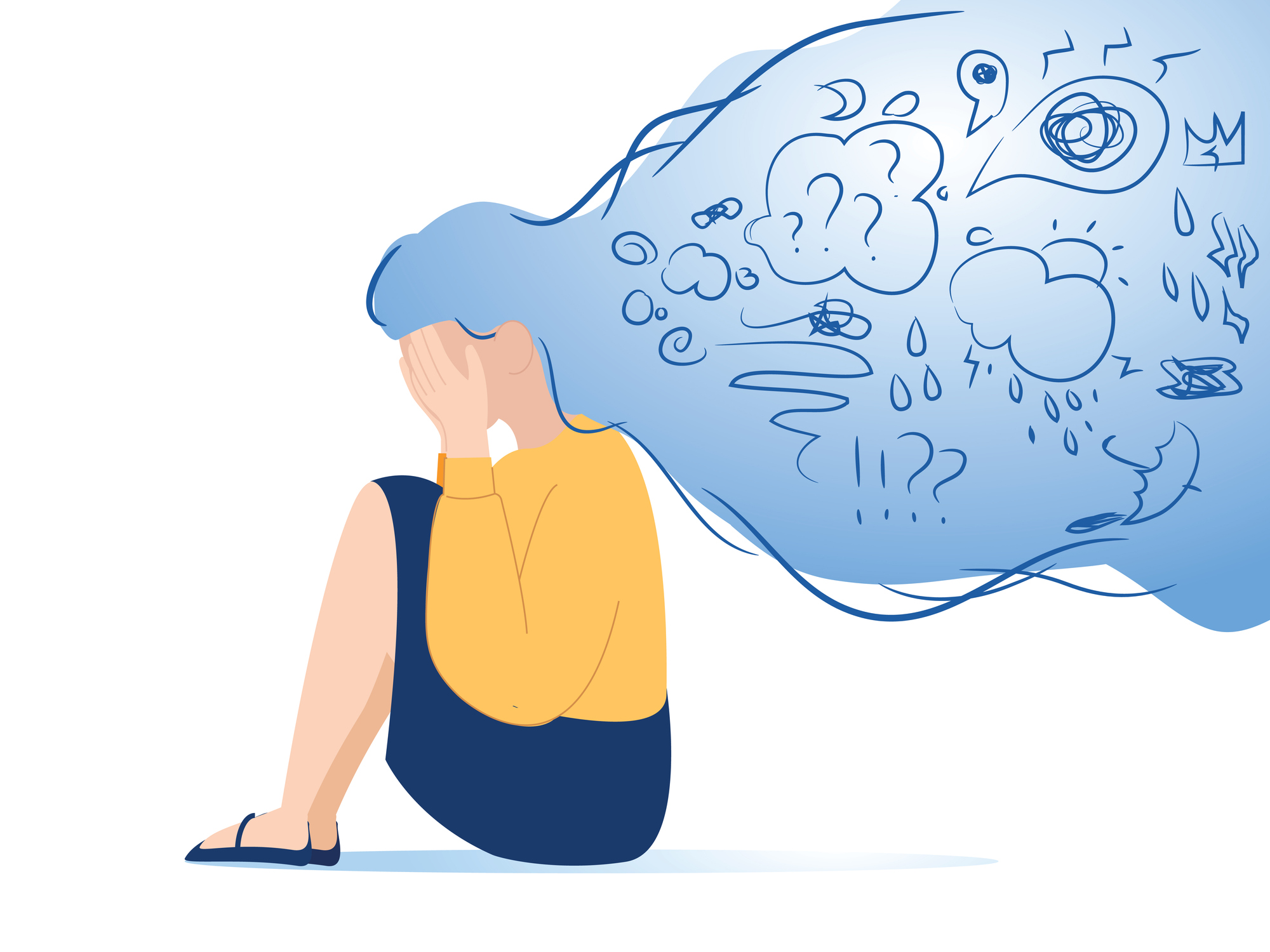
Mental Health Clinic Queens Social anxiety disorder or social phobia is a common type of anxiety disorder that affects approximately 15 million adults living in the United States.  According to the Anxiety and Depression Association of America, it is characterized by “an intense anxiety or fear of being judged, negatively evaluated, or rejected in a social or performance situation.”

There is no exact known cause for social anxiety disorder; although, it is believed that genetics play a significant role.  Social phobia is also linked to having an overactive amygdala; the part of the brain that controls our response to fear.  Others factors believed to contribute to the disorder are a history of abuse or bullying.

The onset of social anxiety disorder typically begins in the early to mid –teens; however, it can also occur in young children and adults.

Those with social anxiety disorder often experience physical symptoms associated with fear or anxiety in social situations. These symptoms may include rapid heart rate, dizziness, muscle tension, sweating or nausea.

Symptoms of social anxiety disorder can profoundly affect an individual’s ability to live a normal life.  Those affected often avoid or have trouble with normal, day-to-day social situations such as making eye contact, entering rooms where there are people, using public restrooms, eating in front of people or going to work or school.

These behaviors are often indicative of a more serious problem that could be developing as a result of social anxiety disorder. If left unaddressed, social phobia can lead to low self-esteem, negative thoughts, depression, substance abuse or suicide.

The best approach to treating social anxiety disorder is to receive assistance from a mental health professional.  They will be able to assess your health to determine whether you have social anxiety disorder or other mental health conditions.  As part of your treatment, a mental health professional may recommend psychotherapy or medications.  They may also suggest implementing lifestyle changes such as exercising, learning stress reduction skills or participating in support groups.

To make an appointment or to speak with a health provider at Flushing Hospital Medical Center, please call 718-670-5562.

All content of this newsletter is intended for general information purposes only and is not intended or implied to be a substitute for professional medical advice, diagnosis or treatment. Please consult a medical professional before adopting any of the suggestions on this page. You must never disregard professional medical advice or delay seeking medical treatment based upon any content of this newsletter. PROMPTLY CONSULT YOUR PHYSICIAN OR CALL 911 IF YOU BELIEVE YOU HAVE A MEDICAL EMERGENCY.

September Is Suicide Prevention Awareness Month – Know the Warning Signs

Suicide affects millions; over 800,000 people take their lives each year, and the number of people who attempt suicide is twenty five times that amount. In addition to the lives lost, suicide also affects the many friends and family members devastated by the loss of their loved one.

Suicide is largely preventable though. Through education and awareness, we can get those people who are contemplating suicide the help they need.

One of the best tools in preventing suicide is to know the risk factors. Over 90% of people who attempt suicide live with depression or another mental disorder. Alcohol or substance abuse is often a contributing factor. Adverse factions to traumatic events or stress can also lead to someone wanting to take their own life.Other risk factors for suicide include:


  • Feelings of hopelessness
  • Self-loathing
  • Changes in sleep patterns; which can either be excessive sleep or a deprivation of sleep
  • Irritability or anger
  • Talking about harming themselves
  • Loss of interest in daily activities or things they were once passionate about
  • Reckless behavior
  • Increasing use of alcohol or drugs
  • A preoccupation with death
  • Getting their affairs in order in preparation for death
  • Verbalizing thoughts such as “ Everyone will be better without me”  or “I  have nothing  to live for”
  • Visiting or calling people to say goodbye

These actions are a cry for help. It is important to let your loved one know that you have recognized changes in their behavior, they are not alone and you are there to support them through this difficult time.  Speak openly about what they are feeling and ensure them they will not be judged because they feel suicidal.  Seek the help of a mental health professional immediately.  Insist on accompanying this person to their consultation or treatment. Continue to demonstrate your support during treatment by reminding them to take prescribed medications, keeping up with physician appointments and encouraging a positive lifestyle.

Many organizations from around the world have joined together during the month of September, which has been designated Suicide Prevention Awareness Month. Flushing Hospital’s supports their efforts and the hospital’s Department of Psychiatry offers many inpatient and outpatient services to help those in need.

If you or someone you know is having suicidal thoughts or demonstrating suicidal behaviors, get help immediately. Call 911, 1-800-SUICIDE, or 1-800-273-TALK

All content of this newsletter is intended for general information purposes only and is not intended or implied to be a substitute for professional medical advice, diagnosis or treatment. Please consult a medical professional before adopting any of the suggestions on this page. You must never disregard professional medical advice or delay seeking medical treatment based upon any content of this newsletter. PROMPTLY CONSULT YOUR PHYSICIAN OR CALL 911 IF YOU BELIEVE YOU HAVE A MEDICAL EMERGENCY.

Understanding Bipolar Disorder

Bipolar disorder is a form of mental illness that is marked by extreme shifts in a person’s mood. Those with bipolar disorder experience periods of being overly happy to feelings of extreme sadness and hopelessness.

Bipolar disorder is also known as manic depression.  The word “manic” describes the times when someone feels overly excited and confident, while the word “depressive” describes the times when the person feels very sad or depressed. Most people with bipolar disorder spend more time with depressive symptoms than manic ones.

During their “highs” people with bipolar disorder are often restless, act impulsive, speak in a rapid fashion, have an increased sex drive, and are more likely to abuse drugs or alcohol. Conversely, during “the lows” those with bipolar disorder have trouble concentrating, experience changes in their appetite, require an abundance of sleep or experience insomnia, have difficulty making decisions, and experience thoughts of death or suicide.

In bipolar disorder the dramatic episodes of high and low moods do not follow a set pattern. Someone may feel the same mood state (depressed or manic) several times before switching to the opposite mood. These episodes can happen over a period of weeks, months, and sometimes even years. In between these periods, those with bipolar disorder can feel completely normal.

Signs of bipolar disorder typically first become evident during adolescence or young adulthood, but in rare cases the onset can take place during childhood. It is equally prevalent in men and women and can run in families. There is no single known cause for bipolar disease, but changes in genes, brain development and stress are all considered factors.

Diagnosing bipolar disorder is done by a trained mental health professional during an evaluation that will consist of a question and answer period. After ruling out that bipolar symptoms are not due to another cause, a doctor can outline a treatment plan that takes into account the severity, frequency, and length of symptoms.

The good news is there is treatment for bipolar disorder, but it is a long-term and on-going process that requires regular therapy and usually medication management. Medications prescribed are intended to stabilize the patient’s mood and avoid them from experiencing extreme highs and lows.

If you, or someone you love is experiencing symptoms associated with bipolar disorder, seek professional help. To schedule an appointment with a mental health professional at Flushing Hospital, please call 718-670-5562.

All content of this newsletter is intended for general information purposes only and is not intended or implied to be a substitute for professional medical advice, diagnosis or treatment. Please consult a medical professional before adopting any of the suggestions on this page. You must never disregard professional medical advice or delay seeking medical treatment based upon any content of this newsletter. PROMPTLY CONSULT YOUR PHYSICIAN OR CALL 911 IF YOU BELIEVE YOU HAVE A MEDICAL EMERGENCY.

Suicide Prevention- Pay Attention to The Signs

An estimated 1 million Americans attempt suicide each year. It is the 10th leading cause of death in the United States. Ninety percent of people who committed suicide had treatable mental health disorders that went unnoticed.   Suicides can be prevented if signs associated with the mental health disorder are recognized and addressed immediately.

Suicide prevention-467918329There are several signs that may indicate that a person is suffering from a mental health issue and is contemplating suicide. If someone you know exhibits the following behaviors, do not dismiss them as a passing phase:


  • Feelings of hopelessness
  • Self-loathing
  • Changes in sleep patterns; which can either be excessive sleep or a deprivation of sleep
  • Irritability or anger
  • Talking about harming themselves
  • Loss of interest in daily activities or things they were once passionate about
  • Reckless behavior
  • Increasing use of alcohol or drugs
  • A preoccupation with death
  • Getting their affairs in order in preparation for death
  • Verbalizing thoughts such as “ Everyone will be better without me”  or “I  have nothing  to live for”
  • Visiting or calling people to say goodbye

These actions are a cry for help. It is important to let your loved one know that you have recognized changes in their behavior, they are not alone and you are there to support them through this difficult time.  Speak openly about what they are feeling and ensure them they will not be judged because they feel suicidal.  Seek the help of a mental health professional immediately.  Insist on accompanying this person to their consultation or treatment. Continue to demonstrate your support during treatment by reminding them to take prescribed medications, keeping up with physician appointments and encouraging a positive lifestyle.

If you or someone you know is having suicidal thoughts or demonstrating suicidal behaviors, get help immediately. Call 911, 1-800-SUICIDE, or 1-800-273-TALK

All content of this newsletter is intended for general information purposes only and is not intended or implied to be a substitute for professional medical advice, diagnosis or treatment. Please consult a medical professional before adopting any of the suggestions on this page. You must never disregard professional medical advice or delay seeking medical treatment based upon any content of this newsletter. PROMPTLY CONSULT YOUR PHYSICIAN OR CALL 911 IF YOU BELIEVE YOU HAVE A MEDICAL EMERGENCY.

Know the Facts About an Anxiety Attack

We all feel anxious from time to time. It is a natural reaction where we feel apprehension, uncertainty, or fear in anticipation of an event, situation or circumstance that we consider to be threatening. However, some people can develop feelings of anxiety that are so intense and overwhelming that they result in a feeling of “losing control.” These episodes are commonly referred to as an anxiety (or panic) attack.

An anxiety attack usually occurs without warning and has no obvious cause. It may even wake a person from their sleep. In addition to an incredible feeling of fear, anxiety attacks are potentially accompanied by many other symptoms such as:

  • Palpitations, pounding heart or accelerated heart rate
  • Sweating
  • Trembling or shaking
  • Sensations of shortness of breath
  • Feelings of choking
  • Chest Pain
  • Nausea
  • Dizziness, light-headed, or feeling aint
  • Feeling detached from reality

Since each person is different and chemically unique, an anxiety attack can affect each person differently.  One person may experience only a few minor symptoms while another may have many symptoms with much greater severity.

An attack can last anywhere from a few moments to over an hour. The length of the attack is usually determined by how frightened the individual is.  While the symptoms of an anxiety attack can seem very powerful, they are typically not harmful.

Although the exact causes of these attacks are unclear, the tendency to have them runs in families. There also appears to be a connection with major life transitions such as graduating from college, getting married, or having a baby.  Severe stress, such as the death of a loved one, divorce, or job loss can also trigger a panic attack. In some cases, panic attacks can be caused by medical conditions and other physical causes. If you’re suffering from symptoms of panic, it’s important to see a doctor to rule out an underlying medical issue.

The good news is that these attacks are treatable. They can usually be managed successfully with self-help strategies or a series of therapy sessions. To make an appointment with a mental health professional at Flushing Hospital’s Mental Health Clinic, please call 718-670-5562.

All content of this newsletter is intended for general information purposes only and is not intended or implied to be a substitute for professional medical advice, diagnosis or treatment. Please consult a medical professional before adopting any of the suggestions on this page. You must never disregard professional medical advice or delay seeking medical treatment based upon any content of this newsletter. PROMPTLY CONSULT YOUR PHYSICIAN OR CALL 911 IF YOU BELIEVE YOU HAVE A MEDICAL EMERGENCY.

Mood Music

Music has been known to make us smile, excite us, make us dance or bring us to tears.  It can bring back a memory so vividly that we actually feel we are there.

Music can stabilize or have an enhancing effect on our mood, but how does it have this profound power over a person’s emotions?

Maybe because it is a common phenomenon that crosses all boarders of nationality, race and culture.  Music is often used as a tool for arousing feelings and can be far more impactful than language.

Did you know that when we listen to a musical rhythm, our heart can actually begin to synch with it?  Studies have shown that a “major key” will signify cheerful communication to our brain, while a “minor key” can bring on sighs and lamentations. All of this has an effect on the brain, which directs our psyche to feel what’s being communicated to us.

In many instances, music is utilized for treating depressed or anxious patients since the meter, timber, rhythm and pitch of musical arrangements are managed in areas of the brain that deal with emotions and mood.

Although the overall phenomenon still has its certain level of mystery, many people turn to music for a general sense of well-being.

All content of this newsletter is intended for general information purposes only and is not intended or implied to be a substitute for professional medical advice, diagnosis or treatment. Please consult a medical professional before adopting any of the suggestions on this page. You must never disregard professional medical advice or delay seeking medical treatment based upon any content of this newsletter. PROMPTLY CONSULT YOUR PHYSICIAN OR CALL 911 IF YOU BELIEVE YOU HAVE A MEDICAL EMERGENCY.