Meet Our Doctors: Dr. Brittany Choe

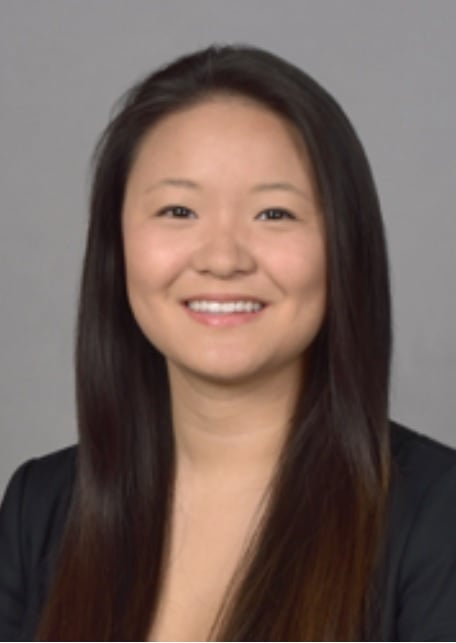
Meet Dr. Brittany Choe. She is thrilled to join the MediSys team as Chair of the Department of Emergency Medicine at Flushing Hospital Medical Center.

Dr. Choe completed residency training in Emergency Medicine at Northwell Staten Island University Hospital. She then went on to complete a Fellowship in Emergency Medicine and Hospital Administration coupled with an Executive MBA.

Throughout her career, Dr. Choe has been dedicated to developing processes that deliver safe and effective care to all patients. Her work has focused heavily on performance improvement initiatives that expand the scope of Emergency Medicine and provide increased access to care for patients in the Emergency Department. As a daughter of first-generation Korean immigrants, the opportunity to work in “The World’s Borough” of Queens is both an honor and a privilege.

Through this new role as Chair of Emergency Medicine, she aims to support the mission and vision of the MediSys Health Network, serving the community of Flushing and continuing the delivery of high-quality patient care.

All content of this newsletter is intended for general information purposes only and is not intended or implied to be a substitute for professional medical advice, diagnosis or treatment. Please consult a medical professional before adopting any of the suggestions on this page. You must never disregard professional medical advice or delay seeking medical treatment based upon any content of this newsletter. PROMPTLY CONSULT YOUR PHYSICIAN OR CALL 911 IF YOU BELIEVE YOU HAVE A MEDICAL EMERGENCY.

Healthy Eating Tips for Seniors

As we age, our metabolism slows down, causing us to require fewer calories than we did in our younger years. Our body also needs more of certain nutrients. Eating a healthy diet can support healthy aging.

Here are some tips to help get the most nutrition out of your meals:

  • Know what a healthy plate looks like
  • Eat more whole foods and limit processed foods
  • Look for essential nutrients
  • Read the “Nutrition Facts” label
  • Use recommended servings
  • Stay hydrated by drinking water with your meals and eating water-rich foods
  • Focus on getting enough protein to prevent muscle loss
  • Eat fiber-rich foods
  • Watch your sodium intake
  • Subscribe to a grocery or meal delivery service

Making these simple adjustments to your eating habits can go a long way toward building healthier eating habits. Getting the most out of foods and beverages can help you meet your nutrition needs and reduce the risk of disease. Be sure to speak with your healthcare provider about creating a dietary plan that works best for you before making changes to your diet.

All content of this newsletter is intended for general information purposes only and is not intended or implied to be a substitute for professional medical advice, diagnosis or treatment. Please consult a medical professional before adopting any of the suggestions on this page. You must never disregard professional medical advice or delay seeking medical treatment based upon any content of this newsletter. PROMPTLY CONSULT YOUR PHYSICIAN OR CALL 911 IF YOU BELIEVE YOU HAVE A MEDICAL EMERGENCY.
STI Awareness Month

April is STI Awareness Month, a month observed to educate people on sexually transmitted infections (STIs).

S.T.I.s are infectious diseases spread through sexual contact. S.T.I.s are common medical issues, however, many people don’t know they’re infected because they have mild symptoms that are easily overlooked or have no symptoms at all.

STI Awareness Month is important because it

  • It teaches others to be more responsible
  • It encourages regular S.T.I testing
  • It corrects the stigma and misinformation

Ways to observe STI Awareness Month:

  • Get involved in youth sex education
  • Educate yourself on S.T.I.s
  • Contribute to an S.T.I organization
  • Practice or promote safe sex

STI Awareness Month provides an opportunity to raise awareness about sexually transmitted infections and how they impact our lives. Getting involved can help remove the stigma from S.T.I.s.

All content of this newsletter is intended for general information purposes only and is not intended or implied to be a substitute for professional medical advice, diagnosis or treatment. Please consult a medical professional before adopting any of the suggestions on this page. You must never disregard professional medical advice or delay seeking medical treatment based upon any content of this newsletter. PROMPTLY CONSULT YOUR PHYSICIAN OR CALL 911 IF YOU BELIEVE YOU HAVE A MEDICAL EMERGENCY.
Vertigo

Vertigo is a sensation that makes the environment around you spin in circles. It can make you feel dizzy and off-balance. Vertigo is a symptom of several health conditions rather than a disease itself, however, it can occur along with other symptoms.

Other symptoms that might be experienced when you have vertigo include:

  • Nausea and vomiting
  • Dizziness
  • Balance issues
  • Hearing loss in one or both ears
  • Tinnitus
  • Headaches
  • Motion sickness
  • A feeling of fullness in your ear
  • Nystagmus

There are two main types of vertigo: peripheral and central. Peripheral vertigo is the most common type. It occurs when there is an issue with the inner ear or vestibular nerve.

Subtypes of peripheral vertigo include:

  • Benign paroxysmal positional vertigo (BPPV)
  • Labyrinthitis
  • Vestibular neuritis
  • Ménière’s disease.

Central vertigo is less common. It occurs when a condition affects the brain, such as an infection, stroke, or traumatic brain injury. People with central vertigo usually have more severe symptoms like severe instability or difficulty walking.

The causes of vertigo vary from person to person. Causes can include:

  • Migraine headaches
  • Certain medications such as antibiotics, anti-inflammatories, and cardiovascular drugs
  • Stroke
  • Arrhythmia
  • Diabetes
  • Head injuries
  • Prolonged bed rest
  • Shingles in or near your ear
  • Ear surgery
  • Perilymphatic fistula
  • Hyperventilation
  • Low blood pressure
  • Ataxia
  • Syphilis
  • Otosclerosis
  • Brain diseases
  • Multiple sclerosis (MS)
  • Acoustic neuroma

Vertigo can cause falls resulting in bone fractures or other injuries. It can also interfere with your quality of life and hinder your ability to drive or go to work.

To diagnose vertigo, a healthcare provider will perform a physical exam and ask questions about your symptoms. They may also recommend one or more tests to confirm your diagnosis. Healthcare providers can also perform tests to diagnose vertigo, including:

  • Fukuda-Unterberger test
  • Romberg’s test
  • Head impulse test
  • Vestibular test battery
  • Imaging tests

Treatments for vertigo depend on the underlying cause. Healthcare providers use a variety of treatments, including:

  • Repositioning maneuvers
  • Vertigo medication
  • Vestibular rehabilitation therapy (vertigo exercises)
  • Surgery

If you are experiencing vertigo symptoms, visit Flushing Hospital Medical Center’s Ambulatory Care Center. To schedule an appointment, please call (718) 670-5486.


All content of this newsletter is intended for general information purposes only and is not intended or implied to be a substitute for professional medical advice, diagnosis or treatment. Please consult a medical professional before adopting any of the suggestions on this page. You must never disregard professional medical advice or delay seeking medical treatment based upon any content of this newsletter. PROMPTLY CONSULT YOUR PHYSICIAN OR CALL 911 IF YOU BELIEVE YOU HAVE A MEDICAL EMERGENCY.
Bloating

Bloating describes a feeling of fullness or tightness in the abdomen. It may or may not be accompanied by a visibly distended or swollen abdomen. The feeling can range from mildly uncomfortable to intensely painful. It usually goes away after a while, but it can be a recurring problem for some people.

The most common cause of stomach pain and bloating is excess intestinal gas. Another cause may be a digestive issue after eating. It could be as simple as eating too much too fast, a food intolerance, or another condition that can cause gas and digestive contents to build up. Digestive issues and hormone fluctuations can cause cyclical bloating. Menstrual cycles are another common cause of temporary bloating.

Between 10% and 25% of otherwise healthy people complain of occasional abdominal bloating. As many as 75% describe their symptoms as moderate to severe. About 10% say they experience it regularly. Among those diagnosed with irritable bowel syndrome (IBS), it may be as much as 90%. Up to 75% of women experience bloating before and during their period. Only 50% of people who experience bloating also report a distended abdomen.

If your bloating is due to something you ate or drank, or hormone fluctuations, it should begin to ease within a few hours or days. If you are constipated, bloat won’t go down until you start pooping. Water, exercise, and herbal teas may help. If bloating doesn’t go away or gets worse, seek medical attention.

If bloating is caused by diet or alcohol consumption, it can be prevented by making certain lifestyle choices such as:

  • Eating enough fiber
  • Drinking enough water
  • Getting exercise
  • Avoiding processed foods
  • Practicing mindful eating
  • Notice stomach sensitivities

What can help relieve bloating depends on the cause. A professional diagnosis may be needed to get to the bottom of it. However, if you are looking to combat bloating in the interim, some home remedies can include:

  • Peppermint oil capsules
  • Antacids
  • Magnesium supplements
  • Probiotics
  • Fiber supplements
  • Regular exercise

To schedule an appointment with a gastroenterologist or dietitian at Flushing Hospital Medical Center, please call 718-670-5486.


All content of this newsletter is intended for general information purposes only and is not intended or implied to be a substitute for professional medical advice, diagnosis or treatment. Please consult a medical professional before adopting any of the suggestions on this page. You must never disregard professional medical advice or delay seeking medical treatment based upon any content of this newsletter. PROMPTLY CONSULT YOUR PHYSICIAN OR CALL 911 IF YOU BELIEVE YOU HAVE A MEDICAL EMERGENCY.

National Drug & Alcohol Facts Week

National Drug and Alcohol Facts Week or NDAFW is an annual, week-long health observance that inspires dialogue about the science of drug use and addiction among youth. It provides an opportunity to bring together scientists, students, educators, healthcare providers, and community partners to help advance science and address youth drug and alcohol use in communities nationwide.

Launched in 2010 by scientists at the National Institute on Drug Abuse (NIDA), National Drug and Alcohol Facts Week, stimulates educational events in communities so teens can learn what science has taught us about drug use and addiction. In 2016, the National Institute on Alcohol Abuse and Alcoholism became a partner, and alcohol was added as a topic area for the week. NIDA and NIAAA are part of the National Institutes of Health and work with leading organizations, media outlets, and other Government agencies to spread the word about NDAFW.

National Drug and Alcohol Facts Week looks to empower youth to make informed choices about their health and learn lifesaving skills focused on overdose awareness and response. Make an impact and inspire others to join the NDAFW observance.

All content of this newsletter is intended for general information purposes only and is not intended or implied to be a substitute for professional medical advice, diagnosis or treatment. Please consult a medical professional before adopting any of the suggestions on this page. You must never disregard professional medical advice or delay seeking medical treatment based upon any content of this newsletter. PROMPTLY CONSULT YOUR PHYSICIAN OR CALL 911 IF YOU BELIEVE YOU HAVE A MEDICAL EMERGENCY.
National Nutrition Month

A registered dietitian is a trained nutrition professional who has met the strict educational and experiential standards set forth by the Commission on Dietetic Registration of the Academy of Nutrition and Dietetics.

They can be employed in various practice areas, including hospitals, outpatient clinics, corporate wellness programs, food service operations, universities, research, or private practice.

RDs advise and counsel others on food and nutrition. They explain nutrition issues to their patients, develop meal plans for them, and measure the effects of those plans.

To become an RD, you must:

  • Complete a Bachelor’s degree with coursework approved by the Academy of Nutrition and Dietetics
  • Complete a 1200-hour dietetic internship, which is an accredited, supervised practice program at a healthcare facility, community program, or a food service corporation
  • Pass a national registration exam
  • Complete continuing professional education credits.

At Flushing Hospital, dietitians are available for the following services: nutrition assessment, diet instruction, recommendations for enteral and parenteral support, staff in-service, food and drug interactions, and nutrition counseling in the outpatient setting.

Flushing Hospital would like to thank our registered dietitians for the essential job they do every day. Their hard work helps our patients and community live healthier lifestyles.

All content of this newsletter is intended for general information purposes only and is not intended or implied to be a substitute for professional medical advice, diagnosis or treatment. Please consult a medical professional before adopting any of the suggestions on this page. You must never disregard professional medical advice or delay seeking medical treatment based upon any content of this newsletter. PROMPTLY CONSULT YOUR PHYSICIAN OR CALL 911 IF YOU BELIEVE YOU HAVE A MEDICAL EMERGENCY.

Bad Breath

Bad breath or halitosis can be embarrassing and, in some cases, can cause anxiety.

Bad breath that doesn’t go away means you have an oral health issue or a condition affecting another body part.

The most common cause of bad breath is poor oral health. Without proper oral hygiene, such as brushing, flossing, and routine dental cleanings, harmful bacteria invade the mouth and multiply out of control. This leads to several oral health issues, including halitosis, cavities, and gum disease.

Poor oral hygiene isn’t the only cause of bad breath. Several other conditions can cause bad breath, including:

  • Dry mouth
  • Food
  • Head and neck cancers
  • Tobacco products
  • Gastroesophageal reflux disease (GERD)
  • Tonsil stones
  • Gum disease
  • Infections in your nose, throat, or lungs
  • Diabetes
  • Liver or kidney disease
  • Medicines
  • Sjögren’s syndrome

The main symptom of bad breath is a foul-smelling odor that comes from the mouth. The odor can be strong enough for other people to notice.

To diagnose bad breath, a dentist will smell the breath from your mouth and nose and rate the odor on a scale. The back of the tongue most often causes the smell, so they may also scrape it to rate its odor.

When treating bad breath, regularly cleaning your mouth and teeth can reduce bad breath, help avoid cavities, and lower the risk of gum disease. Further treatment for bad breath can vary. If your dentist thinks another health condition is causing your bad breath, you will likely need to see your primary care physician or a specialist.

Your dentist will work with you to help you better control bad breath caused by mouth issues. These dental measures can include:

  • Mouth rinses and toothpastes
  • Treatment of dental disease

Ways to reduce or prevent bad breath include the following:

  • Brushing your teeth after you eat
  • Flossing at least once a day
  • Brushing your tongue
  • Cleaning bridges, dentures, retainers, and mouthguards
  • Keeping your mouth moist
  • Changing your diet
  • Replacing your toothbrush
  • Scheduling regular dental checkups

If you’re experiencing bad breath, it is important to visit a dentist to ensure you’re receiving the most effective treatment possible. To schedule an appointment at Flushing Hospital Medical Center’s Department of Dental Medicine, please call (718) 670-5521.


All content of this newsletter is intended for general information purposes only and is not intended or implied to be a substitute for professional medical advice, diagnosis or treatment. Please consult a medical professional before adopting any of the suggestions on this page. You must never disregard professional medical advice or delay seeking medical treatment based upon any content of this newsletter. PROMPTLY CONSULT YOUR PHYSICIAN OR CALL 911 IF YOU BELIEVE YOU HAVE A MEDICAL EMERGENCY.

The Loneliness Epidemic

In May 2023, former U.S. Surgeon General Dr. Vivek Murthy issued a report that drew attention to an epidemic that affects half of American adults: loneliness and social isolation.

Dr. Murthy said that loneliness and social isolation are “urgent public health concerns, more widespread than smoking, diabetes, or anxiety”.

Loneliness is feeling lonely or disconnected from others and not having meaningful or close relationships or a sense of belonging. It also describes the negative feelings that can occur when your needs for social connection aren’t met.

Social isolation is when a person doesn’t have relationships or contact with others and has little to no social support. It can pose a health risk to people, even if they don’t feel lonely.

Certain conditions or experiences may increase a person’s risk of social isolation and loneliness, including:

  • Having a mental or physical challenge, such as:
    • Chronic disease or condition
    • Psychiatric or depressive condition
    • Long-term disability
  • Being marginalized or discriminated against
  • Having limited or no access to resources, which may result in:
    • Living in rural areas
    • Limited transportation
    • Language barriers
    • Being a victim of violence or abuse
  • Facing a divorce, unemployment, or the loss of a loved one

Loneliness may impact some groups more than others, including:

  • Low-income adults
  • Young adults
  • Older adults
  • Adults living alone
  • Immigrants
  • People who identify as LGBTQ+

Social isolation and loneliness can increase a person’s risk for:

  • Heart disease and stroke
  • Type 2 diabetes
  • Depression, anxiety, suicide, and self-harm
  • Dementia
  • Earlier death

It is important to make meaningful social connections, as those who do experience benefits, including:

  • Less stress
  • Better sleep
  • A longer, healthier life

Making social connections can be hard, especially if you are in poor health, have money problems, or live alone. However, a few small acts of connection can build supportive and meaningful relationships.

You can take various steps to fight against loneliness, including the following:

  • Talking to family, friends, neighbors, and co-workers
  • Connecting with others on social media
  • Volunteering in your community
  • Being kind to yourself
  • Learning more about ways to improve social connectedness
  • Getting help from a professional

To find out more about Flushing Hospital Medical Center’s outpatient mental health services or to schedule a virtual appointment, please call (718) 670-5316 to speak with our intake coordinator or (718) 670-5562 to reach the clinic.


All content of this newsletter is intended for general information purposes only and is not intended or implied to be a substitute for professional medical advice, diagnosis or treatment. Please consult a medical professional before adopting any of the suggestions on this page. You must never disregard professional medical advice or delay seeking medical treatment based upon any content of this newsletter. PROMPTLY CONSULT YOUR PHYSICIAN OR CALL 911 IF YOU BELIEVE YOU HAVE A MEDICAL EMERGENCY.

What to Expect During a CT Scan

A computerized tomography scan, or CT scan, is a type of imaging procedure that uses X-ray and computer technology to create cross-sectional images, also called slices, of the bones, blood vessels, and soft tissues inside the body. CT scan images show more detail than plain X-rays do.

CT scans help healthcare providers detect diseases and injuries and plan medical, surgical, or radiation treatment.

A healthcare professional may suggest a CT scan for many reasons. A CT scan can help:

  • Diagnose muscle and bone conditions, such as bone tumors and fractures
  • Show where a tumor, infection, or blood clot is
  • Guide procedures such as surgery, biopsy, and radiation therapy
  • Find and watch the progress of diseases and conditions such as cancer, heart disease, lung nodules, and liver masses.
  • Watch how well certain treatments, such as cancer treatment, work
  • Find injuries and bleeding inside the body that can happen after trauma

Your healthcare provider will tell you everything you need to know about CT scan preparation. Some general guidelines include:

  • Plan to arrive early. Your provider will tell you when to come to your appointment
  • Don’t eat for four hours before your CT scan
  • Drink only clear liquids in the two hours leading up to your appointment
  • Wear comfortable clothes and remove any metal jewelry or clothing. Your provider may give you a hospital gown to wear

During the test, you will lie on your back on a table. If your test requires it, a healthcare provider may inject contrast dye intravenously. This dye can make you feel flushed or give you a metallic taste in your mouth. When the scan begins:

  • The bed will slowly move in the doughnut-shaped scanner. At this point, you will need to stay as still as possible because movement can blur the images
  • You may also be asked to hold your breath for a short period, usually fewer than 15 to 20 seconds
  • The scanner takes pictures of the area your healthcare provider needs to see. Unlike an MRI scan, a CT scan is silent
  • When the exam is over, the table moves back out of the scanner

You can have a CT scan in a hospital or an outpatient facility. CT scans usually take about an hour. However, with newer machines, scans can take only a few minutes. The whole process can take about 30 minutes.

After the exam, you can return to your normal routine. If you were given contrast dye, you may be asked to wait a short time before leaving to ensure that you feel okay after the exam. You might be told to drink lots of fluids to help your kidneys remove the dye from your body.

CT images are stored as electronic data files. They’re most often reviewed on a computer screen. A radiologist looks at the images and creates a report that is kept in your medical records. It usually takes about 24 to 48 hours to get the results of your CT scan. Your healthcare professional talks with you about the results.

To schedule an appointment with the Flushing Hospital Medical Center’s Radiology Department, call 718- 670-5458. To schedule an appointment for a CT scan or for more information about CT scans, please call 718-670-8851.


All content of this newsletter is intended for general information purposes only and is not intended or implied to be a substitute for professional medical advice, diagnosis or treatment. Please consult a medical professional before adopting any of the suggestions on this page. You must never disregard professional medical advice or delay seeking medical treatment based upon any content of this newsletter. PROMPTLY CONSULT YOUR PHYSICIAN OR CALL 911 IF YOU BELIEVE YOU HAVE A MEDICAL EMERGENCY.