Small Changes = Big Benefits

When looking for a routine that can bring wellness to your entire being, you don’t have to climb a mountain in Tibet or strip away all food you love.  Experts say that the best way to bring a wellness routine into your life is through a series of small changes that will gradually make a difference.

Changes such as:

  • Meditation – Take a moment in the morning to meditate.  It will set the tone for the day and clear your head to prepare for what the day may bring.
  • Music – Play calming music.  The body’s internal rhythms sync with the rhythms of music. By focusing on the music and its melody, you will start to feel your breathing and heart rate begin to slow down, bringing you to a much calmer place
  • Plan a trip – According to research, happiness spikes when planning a trip.
  • Put down your smartphone – When the impulse to pick up your phone comes, and you resist it, you may feel a wave of anxiety.  Don’t panic! Breath through the anxiety and you will see that there is calm that will follow.
  • Breathe deeply – Sit in a comfortable place, breathe naturally and settle your attention on your breath.  With each inhale and exhale, mentally repeat the words “in” and “out.”  Even if you mind wanders, don’t get distracted; just bring your attention back to your breathing.
  • Don’t check your email when you first wake up – When you wake, sit silently and allow your mind to wander. Take 10 minutes to just center yourself before you start your day.
  • Walk – Use part of your lunch break to take a walk.  This activity will aid with digestion, keep you active and relieve stress.

No one likes change and it rarely comes easy.  That’s why slowly incorporating small steps toward your goals overtime can lead to huge changes in the long run.

All content of this newsletter is intended for general information purposes only and is not intended or implied to be a substitute for professional medical advice, diagnosis or treatment. Please consult a medical professional before adopting any of the suggestions on this page. You must never disregard professional medical advice or delay seeking medical treatment based upon any content of this newsletter. PROMPTLY CONSULT YOUR PHYSICIAN OR CALL 911 IF YOU BELIEVE YOU HAVE A MEDICAL EMERGENCY.

Stroke

Stroke is the fifth leading cause of death in the United States.  Almost 800,000 people have a stroke in the United States each year and it is responsible for approximately 130,000 deaths. The risk of having a stroke is twice as high in African Americans than in Caucasians, and it occurs more frequently in men than in women.
There are two types of stroke, hemorrhagic and ischemic. A hemorrhagic stroke is either a brain aneurysm or a weakened blood vessel that leaks thus creating swelling and pressure in the brain that damages the cells. This type of stroke occurs about 15 percent of the time but is responsible for about 40 percent of all stroke deaths.  The other type of stroke is an ischemic stroke and it occurs when the flow of blood to the brain is blocked by a blood clot. The blockage may occur when a blood clot or fragment of plaque travels from another part of the body through the blood vessels into the brain and blocks the flow of blood. When blood flow is blocked, oxygen can’t reach the brain cells and they die and it causes loss of function in that part of the brain.
Warning signs of a stroke can be remembered by the acronym “FAST”.
Face – Ask the person to smile. Does one side droop?
Arms – Ask the person to raise both arms. Does one arm drift downward?
Speech – Ask the person to repeat a simple phrase. Is their speech slurred or strange?
Time – If you observe any of these signs, call 9-1-1 immediately.
Stroke warning signs are characterized by sudden numbness of the face, arm or leg, usually on one side of the body. Strokes are accompanied by confusion, trouble speaking, or understanding, trouble seeing in one or both eyes, and sudden trouble walking, dizziness, loss of balance or coordination.
Anyone who is exhibiting signs of a stroke should call 9-1-1 immediately and be brought to the nearest hospital. The sooner a person can be evaluated and treatment started, the more hope there is that the effects can be minimized, and potentially reversed.
Flushing Hospital recently was recognized by the American Heart Association and the American Stroke Association for its Gold Plus level of participation in the “Get With The Guidelines Stroke and Target; Stroke” program. They were recognized for applying the most up-to-date evidence based treatment guidelines to improve patient care and outcomes in the community.
If you would like to schedule an appointment with a physician at Flushing Hospital, please call 718-670-5486.

All content of this newsletter is intended for general information purposes only and is not intended or implied to be a substitute for professional medical advice, diagnosis or treatment. Please consult a medical professional before adopting any of the suggestions on this page. You must never disregard professional medical advice or delay seeking medical treatment based upon any content of this newsletter. PROMPTLY CONSULT YOUR PHYSICIAN OR CALL 911 IF YOU BELIEVE YOU HAVE A MEDICAL EMERGENCY.
Seaweed – The Superhero of Superfoods

In the realm of superfoods, seaweed has been underrated.  For years, seaweed has been wrapped around spicy tuna rolls or was used as an ingredient for salad, but it’s recently come to the attention of nutritionists and foodies alike that seaweed just might be the superhero of superfoods!

With its low calorie, nutrient-packed makeup, seaweed has many benefits that make eating it trendier than ever before.

Some reasons to try this healthy option are:

Seaweed…

  • contains vitamins A and C, calcium, iodine and potassium
  • is rich in protein
  • can help regulate estrogen and estradiol levels
  • is packed full of antioxidants
  • contains a healthy amount of dietary fiber
  • is full of heart healthy fats

If there is a downside to eating seaweed, it would be its sticky, slimy texture, but the healthy benefits far outweigh any downside.

All content of this newsletter is intended for general information purposes only and is not intended or implied to be a substitute for professional medical advice, diagnosis or treatment. Please consult a medical professional before adopting any of the suggestions on this page. You must never disregard professional medical advice or delay seeking medical treatment based upon any content of this newsletter. PROMPTLY CONSULT YOUR PHYSICIAN OR CALL 911 IF YOU BELIEVE YOU HAVE A MEDICAL EMERGENCY.

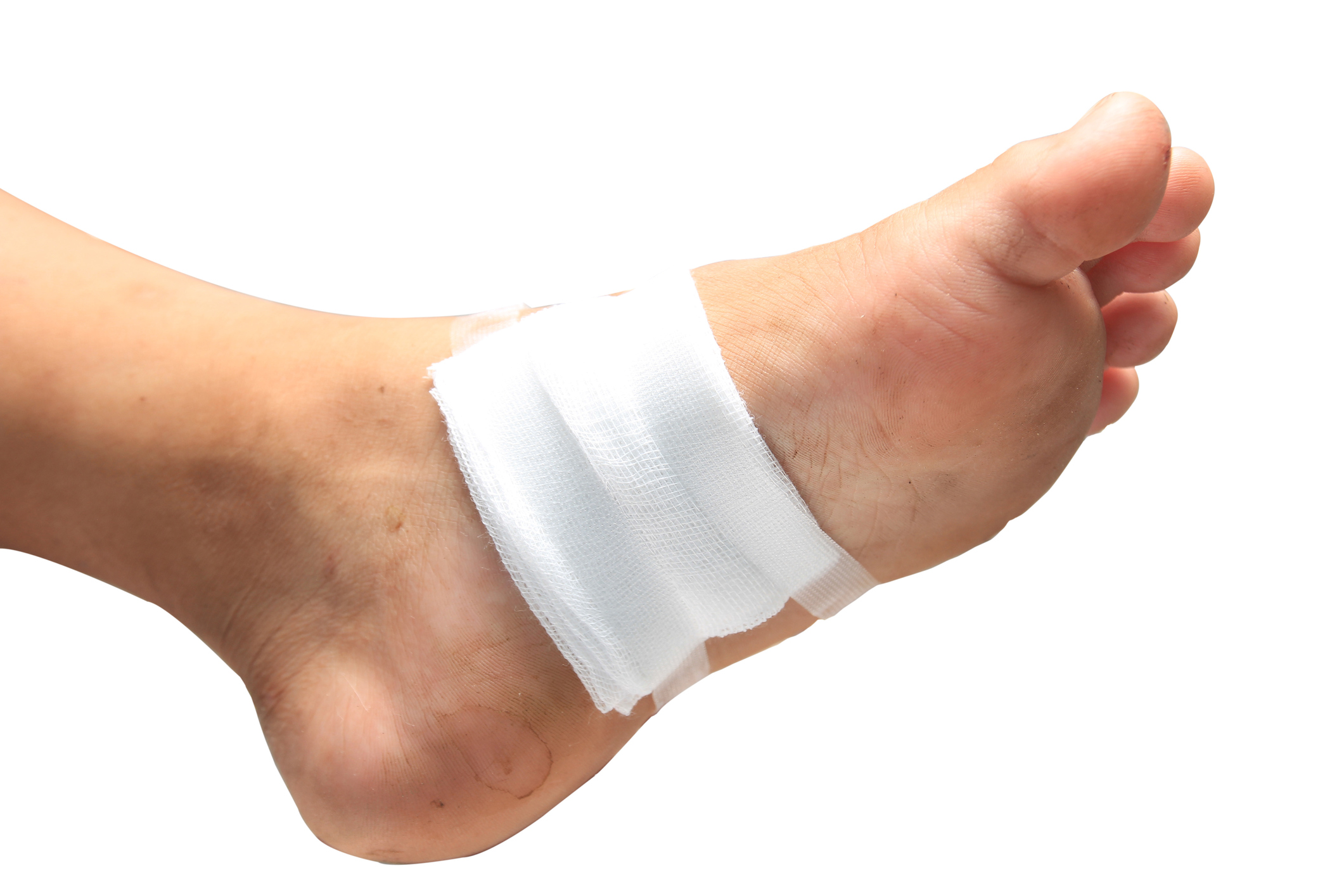
History of Sutures

Sutures (also known as stitches) have been around for thousands of years and are used to hold wounds together until the healing process is complete. They were first described as far back 3000 BC in ancient Egyptian literature. For centuries they were made from plant materials like hemp, or cotton or animal material such as tendons, silk, and arteries. The material of choice for many centuries was catgut, a fine thread woven from sheep intestines.

In the 1800’s it became apparent that it was a good idea to sterilize the catgut before using it to suture wounds, In the 1860’s the physician Joseph Lister devised a technique for sterilizing catgut and it was perfected finally in 1906. Eventually, sterilization took place by exposing the suture material to radiation which was more effective than previous techniques. Each development helped to reduce the risk of infection.

Early in the 20th century synthetic materials were developed that could be used for suturing. These synthetic materials, still used today, were categorized as “absorbable” or ‘non-absorbable’ depending on their ability to be absorbed during the wound healing process.

Absorbable sutures usually dissolve anywhere from 10 days to eight weeks and are made from:

  • Silk
  • Catgut
  • Polyglycolic acid
  • Polylactic acid
  • Monocryl

Non – absorbable sutures don’t dissolve naturally and are usually removed after the wound has closed. They are made from:

  • Nylon
  • Polyester
  • Stainless steel
  • PVDF
  • Polypropelene

Additional new technology has added laser technology and surgical glue to the tools available to physicians for wound healing. These new materials help the process go quicker and also make the scars less visible. However, even with all the new modern techniques for suturing a wound, many of the basic concepts used today were first developed thousands of years ago.

Surgical stitches

All content of this newsletter is intended for general information purposes only and is not intended or implied to be a substitute for professional medical advice, diagnosis or treatment. Please consult a medical professional before adopting any of the suggestions on this page. You must never disregard professional medical advice or delay seeking medical treatment based upon any content of this newsletter. PROMPTLY CONSULT YOUR PHYSICIAN OR CALL 911 IF YOU BELIEVE YOU HAVE A MEDICAL EMERGENCY.
World Health Day is April 7th

In 1948 the World Health Organization held the first World Health Assembly to address health issues affecting people around the world. Each year the World Health Organization chooses a health topic that it wishes to draw global attention to and that is a subject of major importance.  April 7th was chosen as World Health Day to honor the founding of the organization.
This year the World Health Organization decided to focus on diabetes.  The main goal is to increase awareness about the rise in diabetes and its staggering burden and consequences, particularly in low and middle – income countries. It also is designed to set in motion a set of specific effective and affordable actions to control diabetes.
• These actions include:
• Prevent diabetes
• Diagnose diabetes
• Treat and care for people who have diabetes
The World Health Organization estimates that 350 million people in the world have diabetes and this number is expected to double in the next 20 years. In 2012 approximately 1.5 million worldwide people died from illness directly related to the disease.
Diabetes is a disease for which there is no cure but there are ways to treat it and keep it under control. Early diagnosis and management are key factors to successfully controlling the disease.
If you have a family history of diabetes, you are at higher risk for developing the disease. If you would like to schedule an appointment with a physician at Flushing Hospital to check you for the disease, please call 718-670-6051.

World health day

All content of this newsletter is intended for general information purposes only and is not intended or implied to be a substitute for professional medical advice, diagnosis or treatment. Please consult a medical professional before adopting any of the suggestions on this page. You must never disregard professional medical advice or delay seeking medical treatment based upon any content of this newsletter. PROMPTLY CONSULT YOUR PHYSICIAN OR CALL 911 IF YOU BELIEVE YOU HAVE A MEDICAL EMERGENCY.
The Benefit Of The Power Nap

An office protocol, that normally would have been grounds for termination, is now being considered for its many benefits. Several companies are now acknowledging the health benefits of a short nap during the workday, which include increased alertness, enhanced brainpower, and fewer sick days.

It is recommended that adults sleep for at least eight hours every night, however, research has shown that most individuals suffer from broken sleep and fail to get a good night’s rest. For these individuals, a short nap can help. A quick 15 to 20 minute power nap can provide the boost needed to effectively complete your workday.

There are several progressive companies, such as British Airways, Nike, Pizza Hut and Google, who are now seeking to reap these benefits. These companies have created designated nap rooms or “renewal rooms” for their employees, allowed their employees to bring a nap mat for the office, or simply encouraged their employees to sleep at their desk.

Some employers are now encouraging napping for the wellness of their employees. People who take daily 30-minute naps are 37 percent less likely to die from heart disease than those who don’t nap, according to a study published in the Archives of Internal Medicine in 2007. Naps can also boost the immune system—theoretically leading to fewer sick days—and propel employees into their most alert, energetic, and creative states, say nap advocates. Believers in this protocol feel that a well-rested employee is a pleasant employee, noting that if you’re sleep deprived, you’re going to be moody.

Napping Further Explained Naps can be broken down into four categories:

  • Planned napping, also known as preemptive napping, involves taking a nap before you get sleepy. It is a good thing to do if you know you’re going to have a late night.
  • Emergency napping is exactly as it sounds— taking a nap when you’re so sleepy that you can’t properly engage in your current activity.
  • Habitual napping is the practice of taking a nap at the same time every day.
  • Appetitive napping is the act of napping strictly for enjoyment.
  • As noted, napping increases alertness, learning capacity, memory and performance— and we have known this now for several decades. Naps can also reduce stress, as well as lower blood pressure, which is important for our overall health. So, with the research and results on “power napping,” it is safe to say that a well-rested employee is a more productive employee.

All content of this newsletter is intended for general information purposes only and is not intended or implied to be a substitute for professional medical advice, diagnosis or treatment. Please consult a medical professional before adopting any of the suggestions on this page. You must never disregard professional medical advice or delay seeking medical treatment based upon any content of this newsletter. PROMPTLY CONSULT YOUR PHYSICIAN OR CALL 911 IF YOU BELIEVE YOU HAVE A MEDICAL EMERGENCY.
Natural Remedies for Constipation

Supplement

Everyone knows that being constipated can be a very uncomfortable feeling and pharmaceutical companies offer us all kinds of products to alleviate the condition. Many of these contain chemicals that taken in large quantities or that are used to frequently can have harmful side effects. What many people don’t realize is that there are also simple natural home remedies that may work just as well and are generally well tolerated.
Constipation may be caused by stress, lack of fiber in the diet, being inactive physically, weak abdominal muscles, hemorrhoids, not enough fluid intake and certain foods can lead to difficulty going with bowel movements. It is a good idea to determine what the cause might be before beginning a home therapy treatment plan. If it happens only occasionally these remedies may work, if it is more frequent, a trip to the doctor is advised.
Some home remedies that you may want to try are:
• Lemon juice and warm water
• Fennel seeds – dry roasted fennel, ground up into a powder and taken with water
• Figs – soak in water for a few hours then peel the skin, grind them up and eat them
• Castor oil – one to two teaspoons
• Honey – A teaspoon taken daily
• Dandelion tea – one cup two or three times a day
• Flax seed – one tablespoon in a glass of water.  Wait two hours before drinking
It is very important that a person drink at least eight glasses of water every day. People who are constipated often have low fluid intake and this is an essential component of having regular bowel movements. If you suffer from frequent constipation, it is a good idea to speak to a doctor who may be able to identify the cause and offer a solution. To schedule an appointment with a doctor at Flushing Hospital, please call 718-670-6071.

All content of this newsletter is intended for general information purposes only and is not intended or implied to be a substitute for professional medical advice, diagnosis or treatment. Please consult a medical professional before adopting any of the suggestions on this page. You must never disregard professional medical advice or delay seeking medical treatment based upon any content of this newsletter. PROMPTLY CONSULT YOUR PHYSICIAN OR CALL 911 IF YOU BELIEVE YOU HAVE A MEDICAL EMERGENCY.

Donate Life Month

Organ donor word cloudApril is National Donate Life Month, a month dedicated to celebrating the lives of people saved by organ donation and the donors who made a difference. In 2015, over 30,000 lives in the United States were saved thanks to the men and women who decided to give the gift of life.

During National Donate Life Month, organizations such as LiveOnNY carry out missions or campaigns to educate communities about the importance of organ donation.  These initiatives are very important because they address many concerns people may have about becoming a donor, such as:

  • Religion- Most major religions such as Buddhism, Judaism, Christianity, Islam and others are in support of organ donation.
  • Age – If you have been given approval by your doctor to be a donor, you are never too old. The oldest person in the U.S. on record to be a donor was 93 years old.
  • Health conditions- It is important that you do not rule yourself out as donor due to medical conditions. Each case is different.
  • Premature death- The primary goal of doctors is to save your life. Donation is only considered when all efforts to save a patient’s life have failed.

Flushing Hospital is encouraging people to help play a role in saving or improving lives by registering as organ donors.   Research shows that 90 percent of New Yorkers support organ donation but only 25 percent are registered.  By registering, you can make a difference and help save up to eight lives.

For more information please visit www.LiveOnNy.org


All content of this newsletter is intended for general information purposes only and is not intended or implied to be a substitute for professional medical advice, diagnosis or treatment. Please consult a medical professional before adopting any of the suggestions on this page. You must never disregard professional medical advice or delay seeking medical treatment based upon any content of this newsletter. PROMPTLY CONSULT YOUR PHYSICIAN OR CALL 911 IF YOU BELIEVE YOU HAVE A MEDICAL EMERGENCY.

Ahhhhhchew! Cold, Flu or Seasonal Allergies?

We have sprung into spring!  Flowers and trees are beginning to bud and we should be feeling great, but some of us aren’t.  If you are one of these folks, you may be experiencing seasonal allergies, or are you?

Allergies, colds and the flu are often hard to tell apart because they share many similar symptoms. It is knowing the differences in the symptoms that will help you when seeking treatment.

Colds and the flu are caused by different viruses and the symptoms associated with the flu are often more severe.  Allergies are different because they are not caused by a virus.  It is your body’s immune system reacting to an allergen that you are allergic to such as pollen or pet dander.

This chart can help you determine whether you have seasonal allergies, a cold or the flu:

Common Cold Influenza Seasonal Allergies
Stuffy or runny nose Yes Sometimes Runny, itchy nose
Fever Sometimes; mild if present Usually, often 100 degrees F (38.8 degrees C) or higher. No
Body Aches Mild Mild to severe No
Chills Sometimes Yes, sometimes intense No
Sore Throat Often Sometimes Itchy or tickling throat
Fatigue, Weakness Sometimes Usually, can last a couple of weeks after recovery Rarely
Feeling extremely exhausted No Yes No
Headache Sometimes Usually, sometimes severe Sinus pressure or stuffiness
Sinus drainage Usually Rarely Often
Diarrhea, Vomiting No Sometimes No
Cough Mild to moderate Usually, can become severe Dry or with minimal mucus
Watering eyes Sometimes Sometimes, with fever Itchy swollen, burning, and/or watery eyes
Ears Ear congestion No Ear congestion or popping
Sneezing Usually Sometimes Yes
Timing Anytime throughout the year Most cases occur between October and May. Anytime, but symptoms are often more intense in the fall and spring seasons.

If you are experiencing some or all of the symptoms listed above and would like to make an appointment to see a physician, you can call Flushing Hospital Medical Center’s Ambulatory Care Center at 718-670-5486.

All content of this newsletter is intended for general information purposes only and is not intended or implied to be a substitute for professional medical advice, diagnosis or treatment. Please consult a medical professional before adopting any of the suggestions on this page. You must never disregard professional medical advice or delay seeking medical treatment based upon any content of this newsletter. PROMPTLY CONSULT YOUR PHYSICIAN OR CALL 911 IF YOU BELIEVE YOU HAVE A MEDICAL EMERGENCY.

Motivation Monday

Have you been getting fit for spring but want to add excitement to your exercise? Try out this custom exercise chart created just for you! Using the letters of the alphabet to spell your name you will have a fun workout to keep you fit. Please be advised that these workouts are only suggestions and can be catered to better suit your physical ability due to age, weight and health.

A

B

C

D

E

F

G

H

I

J

K

L

M

N

O

P

Q

R

S

T

U

V

W

X

Y

Z

50 Jumping Jacks

20 Crunches

30 Squats

15 Push-Ups

1 Minute Wall-Sit

15 Burpees

20 Arm Circles

20 Squats

50 Crunches

15 Sit-Ups

10 Push-Ups

2 Minute Wall-Sit

10 Burpees

20 Burpees

40 Jumping Jacks

15 Arm Circles

30 Crunches

15 Push-Ups

30 Burpees

25 Squats

30 Arm Circles

3 Minute Wall-Sit

60 Jumping Jacks

20 Push-Ups

30 Crunches

1 Minute Plank

All content of this newsletter is intended for general information purposes only and is not intended or implied to be a substitute for professional medical advice, diagnosis or treatment. Please consult a medical professional before adopting any of the suggestions on this page. You must never disregard professional medical advice or delay seeking medical treatment based upon any content of this newsletter. PROMPTLY CONSULT YOUR PHYSICIAN OR CALL 911 IF YOU BELIEVE YOU HAVE A MEDICAL EMERGENCY.