Is Juicing Heart Healthy?

Heart disease is the leading cause of death for people living in the U.S., according to the American Heart Association. While no one juice or juice blend can prevent heart disease or repair damaged heart and blood vessel tissue, some juices contain heart-friendly nutrients. Some juicing proponents say that juicing is better for you than is eating whole fruits and vegetables because your body can absorb the nutrients better and it gives your digestive system a rest from working on fiber. Pomegranate, beet and red grape juices could give your cardiovascular system an overall health boost.

Pomegranate juice has shown the ability to lower blood pressure and is considered a heart-healthy fruit juice. Scientists found, as published in “Nutrition Journal,” that beet juice, combined with a low-nitrate diet, lowered blood pressure as soon as six hours after drinking the juice. Grape juice is naturally high in flavonoids, particularly in the case of red or purple grape juice. Flavonoids are natural antioxidants that can protect your cells from damage from aging and may help reduce your risk of developing cancer and heart disease. An article from “Advances in Experimental Medicine and Biology” said studies have shown that red grape juice provided protection from “bad” or low-density lipoprotein cholesterol, which can cause hardened arteries. The scientists concluded that medical findings made it reasonable to suggest including purple grape juice in a daily diet as a way of reducing the risk of developing heart disease.

As with all premade juices, check to make sure there is little added sugar to derive the most benefits from the juice. Also, make only as much juice as you can drink in one sitting because fresh squeezed juice can quickly develop harmful bacteria. When juicing, try to keep some of the pulp. Not only does it have healthy fiber, but it can help fill you up.

Although these juicing ingredient suggestions have proven to prevent heart disease it is still important to check in with your doctor for heart health tests. The Department of Cardiology at Flushing Hospital Medical Center is available to assess and treat heart conditions and diseases. To make an appointment, please call 718-670-5486.

All content of this newsletter is intended for general information purposes only and is not intended or implied to be a substitute for professional medical advice, diagnosis or treatment. Please consult a medical professional before adopting any of the suggestions on this page. You must never disregard professional medical advice or delay seeking medical treatment based upon any content of this newsletter. PROMPTLY CONSULT YOUR PHYSICIAN OR CALL 911 IF YOU BELIEVE YOU HAVE A MEDICAL EMERGENCY.

Is Obesity Culturally Influenced ?

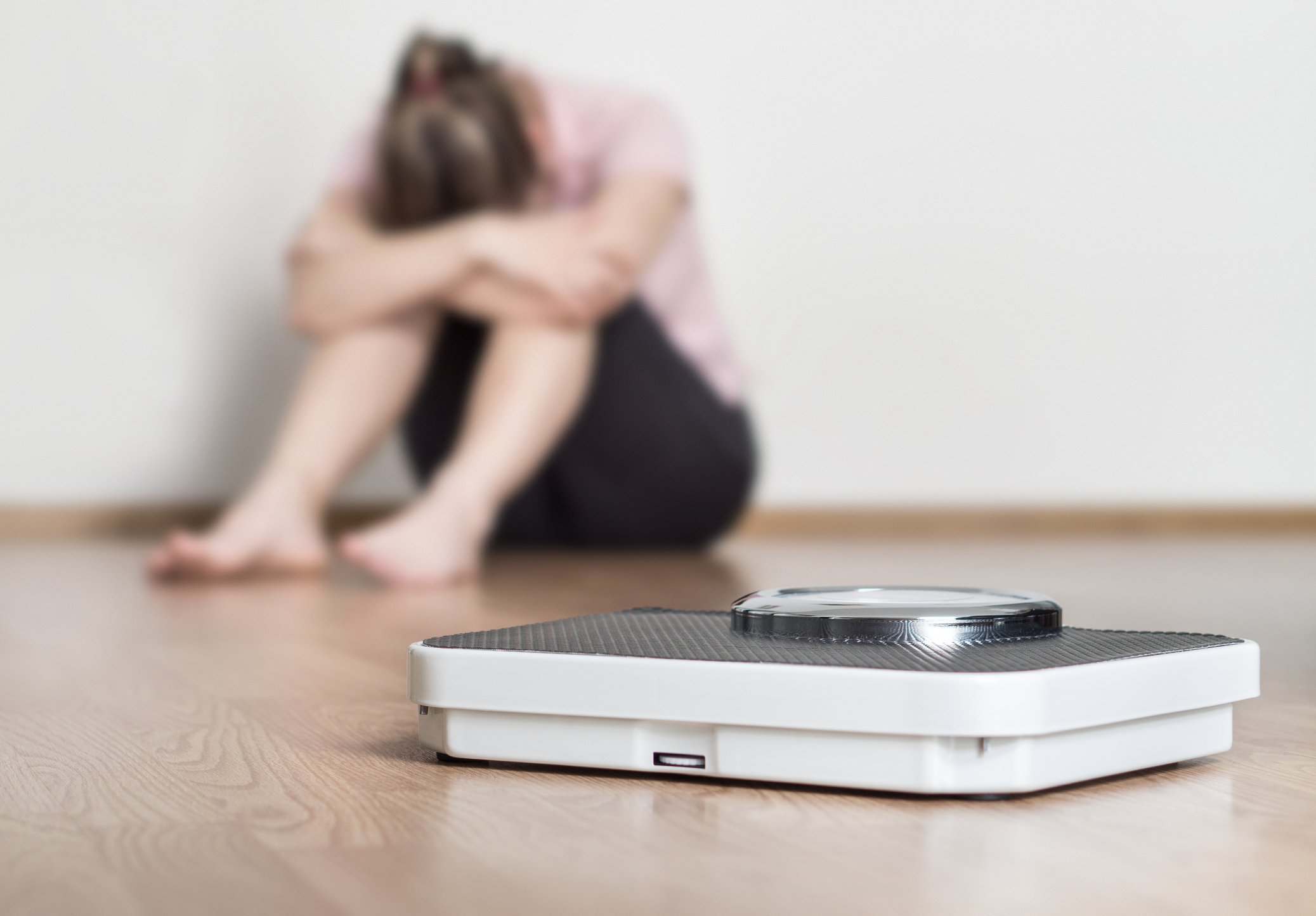
Obesity is a problem that is well known but not well controlled in the United States today. It has become a very big problem for both men and women and affects all racial, socioeconomic and ethnic groups, but how much does culture contribute to someone’s obesity risk factor?  People who are defined as being obese are severely overweight and are also at greater risk of developing circulatory problems, diabetes, hypertension and cardiovascular problems.
Cultural factors play a role in why some groups of people are more likely to become obese during their lifetime. To understand how cultural factors play a role in obesity one has to understand that a culture is a set of rules, learned by sharing experiences, of a certain group of people. A group of people who share the same culture also share the same values and have shared experiences. How that group defines what is an acceptable way of eating, and how they appear to others is what makes them unique. There are some cultures for example that see being overweight as a sign of affluence because food may be scarce in that region.
People who share a cultural background tend to reside in the same neighborhood. An example of this would be when immigrants from other countries or from different parts of the same country, migrate to an area, these people tend to eat foods that are familiar to them.  Those food choices may not be healthy but are comforting and may be eaten in quantities that are excessive.
Where people live and what resources they have available to them also can play a role in what choices they make are available for healthy eating. People who eat a lot of fast food because of its low cost are consuming food that is high in calories, fats, and refined sugars, all of which contribute to becoming obese in the long term.  Fresh fruit and vegetables which are more beneficial to overall weight control tend to be more expensive and therefore not eaten as often.  People living in societies  that are more economically developed tend to be more obese than in parts of the country that are rural because they are more likely to eat prepared , packaged, and processed foods.
There has been a slow increase in the number of people who care considered to be obese in the United States and this is due to poor choices in foods and less physical activity, influenced by culture changes and lifestyles. People make choices in how they live their lives, and a society that allows for poor choices on how they eat, get physical activity and spend their leisure time will be doomed to an even greater population of obese people.
It is important for people with poor eating habits to adopt healthier diets.  To schedule an appointment with a physician at Flushing Hospital who can help you to improve your diet, please call 718-670-5486.

All content of this newsletter is intended for general information purposes only and is not intended or implied to be a substitute for professional medical advice, diagnosis or treatment. Please consult a medical professional before adopting any of the suggestions on this page. You must never disregard professional medical advice or delay seeking medical treatment based upon any content of this newsletter. PROMPTLY CONSULT YOUR PHYSICIAN OR CALL 911 IF YOU BELIEVE YOU HAVE A MEDICAL EMERGENCY.
How Important is Eating Breakfast?

How important is eating a healthy breakfast to you? Please share your daily morning routine with us. Do you make the time for a healthy breakfast every morning?

Here’s what we know, breakfast is STILL the most important meal of the day.  It provides you with the energy and nutrients that lead to increased concentration whether in the classroom or at work.

Some benefits of eating a healthy breakfast are:

  • Reduces the chance of developing diabetes
  • Reduces the incidence of heart disease
  • Improves cognitive functions related to memory

Additionally, studies have shown that breakfast can be important in maintaining a healthy body weight.

Translation – Eating breakfast is a smart move!


All content of this newsletter is intended for general information purposes only and is not intended or implied to be a substitute for professional medical advice, diagnosis or treatment. Please consult a medical professional before adopting any of the suggestions on this page. You must never disregard professional medical advice or delay seeking medical treatment based upon any content of this newsletter. PROMPTLY CONSULT YOUR PHYSICIAN OR CALL 911 IF YOU BELIEVE YOU HAVE A MEDICAL EMERGENCY.

How Does Internet Surfing Effect Your Health?

How many hours a day do you spend on the internet?

  1. 0-3
  2. 4-6
  3. 6-8
  4. 8+

Whether you are in front of the computer or on your smart phone the amount of time you spend on your devices could be affecting you. If you find yourself constantly logging on to Facebook or browsing for hours at time, you may be setting yourself up for poor mental health. Researchers have found out that those who constantly use a computer or their mobile phone can develop stress, sleeping disorders and depression.

We all know what it is like to spend long hours at a computer, either for leisure or work purposes.  In fact, some of you may spend 7 to 8 hours a day sitting at down a computer each day, in which case this is some extremely important information for you. Millions visit the hospital each year experiencing symptoms of lower back pain, but very few realize that this is connected to the pressure being put on our lower back from sitting all day at the computer.

All content of this newsletter is intended for general information purposes only and is not intended or implied to be a substitute for professional medical advice, diagnosis or treatment. Please consult a medical professional before adopting any of the suggestions on this page. You must never disregard professional medical advice or delay seeking medical treatment based upon any content of this newsletter. PROMPTLY CONSULT YOUR PHYSICIAN OR CALL 911 IF YOU BELIEVE YOU HAVE A MEDICAL EMERGENCY.
Is High Blood Pressure Affecting your Kidneys?

High blood pressure is the second leading cause of kidney failure in the United States after diabetes.

High blood pressure, also known as Hypertension, can damage blood vessels in the kidneys, reducing their ability to work properly. When the force of blood flow is high, blood vessels stretch so blood flows more easily. Eventually, this stretching scars and weakens blood vessels throughout the body, including those in the kidneys.

If the kidneys’ blood vessels are damaged, they may stop removing wastes and extra fluid from the body. Extra fluid in the blood vessels may then raise blood pressure even more, creating a dangerous cycle.

Most people with high blood pressure do not have symptoms. In rare cases, high blood pressure can cause headaches.

Kidney disease also does not have symptoms during its early stages. A person may have swelling called edema, which happens when the kidneys cannot get rid of extra fluid and salt. Edema can occur in the legs, feet, or ankles and less often in the hands or face.

Once kidney function decreases further, symptoms can include:

  • Appetite loss
  • Nausea
  • Vomiting
  • Drowsiness or feeling tired
  • Trouble concentrating
  • Sleep problems
  • Increased or decreased urination
  • Generalized itching or numbness
  • Dry skin
  • Headaches
  • Weight loss
  • Darkened skin
  • Muscle cramps
  • Shortness of breath
  • Chest pain

Following a healthy eating plan can help lower blood pressure.  Your health care provider may recommend a dietary approach that includes foods that are low in fat and cholesterol, dairy that is fat-free or low-fat, fish, poultry and nuts, as well as, consuming less read meat, sweets and added sugars.

If you are experiencing symptoms and would like to speak with a physician, please call Flushing Hospital Medical Center’s Ambulatory Care Center at 718-670-5795.


All content of this newsletter is intended for general information purposes only and is not intended or implied to be a substitute for professional medical advice, diagnosis or treatment. Please consult a medical professional before adopting any of the suggestions on this page. You must never disregard professional medical advice or delay seeking medical treatment based upon any content of this newsletter. PROMPTLY CONSULT YOUR PHYSICIAN OR CALL 911 IF YOU BELIEVE YOU HAVE A MEDICAL EMERGENCY.

Computer Vision Syndrome

Many people spend long hours staring at a computer monitor at work during the day and then during their leisure time they may be using a tablet or another type of device to stay in contact with their family and friends. Can too many hours using these devices be harmful to the eyes?
Computer Vision Syndrome or CVS describes a few eye disorders that may have been caused by excessive time in front of a screen.  Prior to the computer generation, we used to spend more time reading material printed on paper and we had more variety of formats. We would move our eyes more frequently to and from the material that we were reading because we would take breaks to read then write or type manually. In this new digital era, we gaze at a computer or tablet screen for longer periods of time without a break. This causes our eyes to be constantly changing focus and the brain is interpreting images at a much quicker pace. All this causes the muscles of the eyes to be moving much more than they had to when we were reading mainly printed materials.
As we have become more technologically advanced, we are more prone to the symptoms of CVS. These include:
• Blurred vision
• Double vision
• Headaches
• Eye irritation
• Dry eye
There are a few things that you can do to help ease the problems caused by long periods of time at a computer screen. The most important may be reducing the glare from the screen. This will help prevent squinting. It is recommended that the screen should be about 20 – 28 inches from the face and slightly below neck level. Also, try to take a break every twenty minutes to give your eyes a rest, set the font size and the brightness of the screen to make it suitable to you.
It is recommended that you get your eyes checked regularly by an ophthalmologist, especially if you are experiencing any of the symptoms listed above. To schedule an appointment with an eye doctor please call 718-206-5900.

All content of this newsletter is intended for general information purposes only and is not intended or implied to be a substitute for professional medical advice, diagnosis or treatment. Please consult a medical professional before adopting any of the suggestions on this page. You must never disregard professional medical advice or delay seeking medical treatment based upon any content of this newsletter. PROMPTLY CONSULT YOUR PHYSICIAN OR CALL 911 IF YOU BELIEVE YOU HAVE A MEDICAL EMERGENCY.

Department Spotlight – Urology

The Department of Urology at Flushing Hospital is staffed by fully trained, board certified urologists, specially trained physician assistants, registered nurses and medical assistants.  The department utilizes state-of-the art diagnostic equipment and minimally invasive techniques to provide comprehensive care to our patients. The department treats both men and women with an understanding of the sensitive nature of urologic illnesses, and with special emphasis for women on bladder control and urinary tract infections, and for men enlarged prostate, urinary vasectomies, male sexual health and prostate cancer.
One of the commonly treated urologic conditions in both women and men is kidney stones. The department of urology has a kidney stone treatment center that can diagnose and treat this condition quickly. A Spiral CT scanner is used to locate the stone(s )which eliminates the need to use  contrast dyes. Non-surgical modalities in the form of shock wave lithotripsy break up smaller stones into fine particles. For larger stones, a Holium laser and miniscope are used.
For patients with prostate cancer radioactive seed implantation can be performed  by ultrasound guidance with pinpoint accuracy.
The Department of Urology also offers the da Vinci Robotic Surgical platform for prostate surgery. This new technology allows our surgeons to perform minimally invasive surgical procedures that benefit our patients through faster recovery time, less blood loss, less pain, and shorter hospitalizations.
To schedule an appointment at Flushing Hospital’s Urology suite, please call 718-670-5699.

All content of this newsletter is intended for general information purposes only and is not intended or implied to be a substitute for professional medical advice, diagnosis or treatment. Please consult a medical professional before adopting any of the suggestions on this page. You must never disregard professional medical advice or delay seeking medical treatment based upon any content of this newsletter. PROMPTLY CONSULT YOUR PHYSICIAN OR CALL 911 IF YOU BELIEVE YOU HAVE A MEDICAL EMERGENCY.

History of Instrument Sterilization

Instruments that come in contact with the body during all surgical procedures and many non-surgical procedures must be free of all microbial elements. This is to ensure that the risk of infection is kept to a minimum.
Throughout history different methods were adopted using materials that were available at that time. In 3000 BC the Egyptians used pitch and tar as antiseptics. In later years the fumes from burning sulfur were found to cleanse objects of infectious material.
In 1680 a French physicist, Denis Papin invented a pressure cooker that would trap boiling water, convert it into steam, and was found to cleanse objects by cooking them. This device was further improved upon during the next two hundred years and it became possible to additionally sterilize linens, dressings, gowns using steam. Two major contributions to the art of sterilization came in the 1860’s when the French chemist and microbiologist Louis Pasteur wrote extensively on how germs cause disease and the English physician, Joseph Lister, developed a technique that used carbolic acid as a spray to disinfect instruments. During the late 1800’s steam sterilization became much more widespread. Surgical instruments were also being made out of materials that were better able to withstand high levels of heat. This allowed them to be processed at higher temperatures and  were being made with smooth surfaces which allowed for more thorough cleaning.
During the 1900’s various improvements were introduced. This included sterilization with steam,  irradiation, with glutaraldehyde. More recently, sterilization of instruments can be achieved using high temperature / high pressure, ultraviolet light, and the  most commonly used chemical for sterilization is ethylene oxide.  It can be used on almost all instruments, both metal and non-metal.
The importance of cleanliness when it involves objects that come in contact with the body cannot be stressed enough. It was recognized in ancient times and improvements are still evolving today for the safety of patients.

All content of this newsletter is intended for general information purposes only and is not intended or implied to be a substitute for professional medical advice, diagnosis or treatment. Please consult a medical professional before adopting any of the suggestions on this page. You must never disregard professional medical advice or delay seeking medical treatment based upon any content of this newsletter. PROMPTLY CONSULT YOUR PHYSICIAN OR CALL 911 IF YOU BELIEVE YOU HAVE A MEDICAL EMERGENCY.

Is There a Link Between Type 1 Diabetes and Celiac Disease?

It is not unusual for people with Type 1 diabetes to also have celiac disease. Type 1diabetes and celiac disease share several common traits. Both diseases are triggered by genetic and environmental factors and they increase the risk of developing associated autoimmune diseases.

Type 1 diabetes or insulin-dependent diabetes causes the body to produce insufficient amounts of insulin needed to break down glucose

Celiac disease, or gluten-sensitive enteropathy, is a disease in which the body launches an immune reaction when a person consumes gluten, a type of protein found in wheat, rye and barley.

Most patients with both diseases tend to develop asymptomatic celiac disease, but are unaware they are experiencing its symptoms.  This is because they are confusing symptoms with diabetes with those of asymptomatic celiac disease.

Symptoms may include, but are not limited to: Bloating

  • Bloating
  • Diarrhea
  • Weight loss
  • Fatigue
  • Anemia
  • Irritability
  • Depression

As a diabetic with celiac disease, you may think that your world has come to an end and you will not be able to eat anything since both diseases require adherence to a strict diet, but that’s not the case.  There are tips you can follow that will help you self-manage both diseases and maintain overall health:

  • Gluten-free foods – Health food stores and most main stream grocery stores now carry gluten-free products. Rice pasta can be used as a substitute for pasta.
  • Follow a whole-food meal plan – A gluten free dinner consisting of a serving of protein (broiled or baked), steamed vegetables, a small serving of brown rice, and a small piece of fruit for dessert can small piece of fruit for dessert.
  • Watch your blood sugar levels – A diagnosis of celiac disease necessitates what may be a dramatic change in your daily sources of carbohydrates. You may experience variations in your usual blood-sugar patterns, so you will want to be vigilant in testing.
  • Track your calories and carbs – Some gluten-free foods may be calorie and carbohydrate dense. You cannot assume that a sandwich made with gluten-free bread has the same amount of carbohydrates as one made with regular bread.
  • Check nutrition labels of processed foods – All food labels are required to state if the food contains wheat, but keep in mind that wheat-free doesn’t mean gluten-free.
  • Meet with a registered dietician – It can be complicated having two serious diseases that come with different dietary restrictions.

If you or someone you know has celiac disease and type 1 diabetes and would like to speak with a registered dietitian to help self-manage your disease, call Jamaica Hospital Medical Center at 718-206-7001 for an appointment.


All content of this newsletter is intended for general information purposes only and is not intended or implied to be a substitute for professional medical advice, diagnosis or treatment. Please consult a medical professional before adopting any of the suggestions on this page. You must never disregard professional medical advice or delay seeking medical treatment based upon any content of this newsletter. PROMPTLY CONSULT YOUR PHYSICIAN OR CALL 911 IF YOU BELIEVE YOU HAVE A MEDICAL EMERGENCY.

Does Your Child Have a Vision Problem?

When a child can’t see well, you might expect them to verbalize their inability to see clearly or complain of headaches, but a child may not say that they are having trouble with their vision because they don’t realize that the world isn’t supposed to be blurry.

Surprisingly, as many as one out of four children in school have vision problems and a large number of children with vision problems go undetected.  When vision impairment goes undiagnosed, their behavior can be misdiagnosed as a learning disability.

Some common signs of vision problems are:

  • Omitting letters, words or phrases
  • Writing that is difficult to read, crowded or inconsistent in size
  • Mistaking words with similar beginnings
  • Miscalling or omitting “small” words
  • Losing place while reading
  • Misaligning digits in columns of numbers
  • Writing uphill or downhill
  • Reversing letters (d for b) or words (saw for was)
  • Rereads or skips words while reading
  • Lip reading or whisper reading to reinforce comprehension

Parents and educators may assume that when a child passes a school vision screening, there is no vision problem.  However, school vision screenings often only test for visual sharpness.  A child who can see 20/20 can still have a vision problem.

If your child exhibits any of the signs and symptoms listed above, you may want to make an appointment for an eye exam with an Ophthalmologist at Jamaica Hospital Medical Center’s Ophthalmology Center.  For an appointment, call 718-206-5900.

All content of this newsletter is intended for general information purposes only and is not intended or implied to be a substitute for professional medical advice, diagnosis or treatment. Please consult a medical professional before adopting any of the suggestions on this page. You must never disregard professional medical advice or delay seeking medical treatment based upon any content of this newsletter. PROMPTLY CONSULT YOUR PHYSICIAN OR CALL 911 IF YOU BELIEVE YOU HAVE A MEDICAL EMERGENCY.