Gallstones

Doctor with human Pancreatitis anatomy model with Pancreas, Gallbladder, Bile Duct, Duodenum, Small intestine and tablet. Pancreatic cancer, acute pancreatitis and Digestive systemGallstones are hardened deposits of digestive fluids that form in the gallbladder. They are very common, affecting 10 to 15% of people living in the United States, according to the National Institute of Diabetes and Digestive and Kidney Diseases.

The exact cause of gallstones is unknown; however, it is believed that they develop in the gallbladder when:

  • The gallbladder is not emptying correctly
  • There is an excess of bilirubin
  • There is too much cholesterol
  • There aren’t enough bile acids or salts

Gallstones range in size, ranging from the size of a grain of sand to that of a golf ball. Smaller gallstones typically pass through the bile duct, without causing symptoms. Larger stones, however, may cause blockages, inflammation, or infections. They can become dangerous if they travel through the bile ducts to other parts of the body.

It is not uncommon for people with gallstones to not experience any symptoms. If they do, symptoms can include:

  • Abdominal pain or tenderness
  • Abdominal swelling
  • Nausea
  • Vomiting
  • Back pain, between the shoulder blades
  • Fever
  • Indigestion
  • Gas
  • Pain in the right shoulder

Certain individuals are at a higher risk of developing gallstones, particularly those with the following risk factors.

  • Obesity
  • Being born female
  • Pregnant people
  • Using birth control or hormone replacement medications
  • Adults aged 60 and older
  • Living with diabetes
  • Having a family history of gallstones
  • Rapid weight loss

Diagnosing gallstones involves completing a medical examination and taking your medical history.  Further diagnostic testing may include blood tests, or requesting imaging tests such as an X-ray, endoscopic ultrasound, or CT scan.

Treatment for gallstones depends on the severity of the condition and medical history. Options may include medications to dissolve the stones or gallbladder removal surgery.

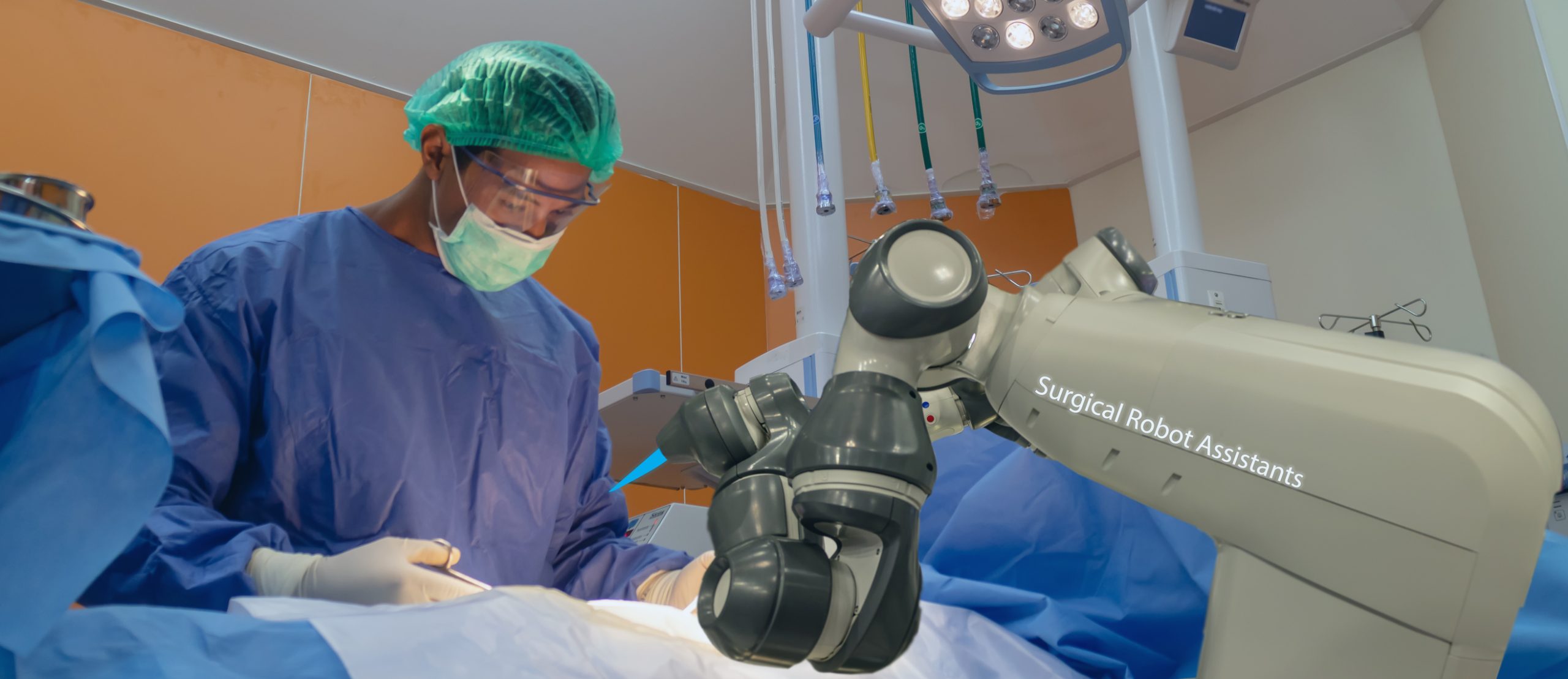
Flushing Hospital Medical Center offers multiple options for gallbladder removal surgery, this includes robotic surgery. To schedule an appointment with a specialist, please call (718) 670-5000.


All content of this newsletter is intended for general information purposes only and is not intended or implied to be a substitute for professional medical advice, diagnosis or treatment. Please consult a medical professional before adopting any of the suggestions on this page. You must never disregard professional medical advice or delay seeking medical treatment based upon any content of this newsletter. PROMPTLY CONSULT YOUR PHYSICIAN OR CALL 911 IF YOU BELIEVE YOU HAVE A MEDICAL EMERGENCY.

Flu Season Precautions

We are in December and physician’s offices and hospital emergency rooms are reporting flu cases. No one wants to catch the flu, so it is important to take proper precautions to help keep you and others healthy.

Here are a few ways we can prevent getting the flu:

  • Everyone who is six months and older should get vaccinated every year
  • Avoid close contact with people who are sick
  • Wash your hands frequently with soap and water
  • Keep hand sanitizer handy for the times when soap and water aren’t available
  • Avoid touching your hands to your eyes, nose, and mouth
  • Disinfect surfaces that are frequently used by others often
  • Clean your drinking glasses and dishes with hot soapy water
  • Keep your immune system healthy by eating a balanced diet, exercising regularly, and getting a good night’s sleep
  • Tobacco can suppress the immune system, so it is recommended to quit smoking

If you are experiencing flu symptoms, visit Flushing Hospital Medical Center’s Ambulatory Care Center. To schedule an appointment, please call (718) 670-5486. If there is an emergency, please call 911.

All content of this newsletter is intended for general information purposes only and is not intended or implied to be a substitute for professional medical advice, diagnosis or treatment. Please consult a medical professional before adopting any of the suggestions on this page. You must never disregard professional medical advice or delay seeking medical treatment based upon any content of this newsletter. PROMPTLY CONSULT YOUR PHYSICIAN OR CALL 911 IF YOU BELIEVE YOU HAVE A MEDICAL EMERGENCY.

Holiday Cooking Safety Tips

The holiday season brings families and friends together. They gather around to eat a delicious meal. Unfortunately, many dangers can occur when preparing a delicious holiday meal. Here are some helpful tips to keep you safe when cooking for the holidays:

  • Wash your hands frequently when handling food
  • Keep raw meat away from fresh produce
  • Cook food thoroughly
  • Use separate cutting boards, plates, and utensils for uncooked and cooked meats to avoid cross-contamination
  • Refrigerate hot or cold leftover food within two hours of serving it
  • Don’t wear loose clothing while cooking
  • Never leave food that is cooking unattended
  • Clean cooking surfaces regularly to prevent grease buildup
  • Keep children and pets away from the cooking area
  • Keep any objects that may be flammable away from the stove
  • Use a timer to remind yourself that the stove or oven is on
  • Install a smoke alarm near your kitchen, on each level of your home, near sleeping areas, and inside and outside bedrooms if you sleep with doors closed
  • Consider purchasing a fire extinguisher to keep in your kitchen
  • Always check the kitchen before bed or leaving the house to ensure all stoves, ovens, and small appliances are turned off
  • Keep the floor clear of any tripping hazards
  • Exercise caution when handling hot liquids and foods

Whether you are prepping, cooking, or serving food this holiday season, it is important to take the proper precautions to ensure that you and your loved ones enjoy a happy, healthy, safe holiday. If you experience any problems, visit Flushing Hospital Medical Center’s Ambulatory Care Center. To schedule an appointment, please call (718) 670-5486. If there is an emergency, please call 911.


All content of this newsletter is intended for general information purposes only and is not intended or implied to be a substitute for professional medical advice, diagnosis or treatment. Please consult a medical professional before adopting any of the suggestions on this page. You must never disregard professional medical advice or delay seeking medical treatment based upon any content of this newsletter. PROMPTLY CONSULT YOUR PHYSICIAN OR CALL 911 IF YOU BELIEVE YOU HAVE A MEDICAL EMERGENCY.

Alcohol Addiction during the Holidays

There are plenty of occasions during the holidays to celebrate with an alcoholic beverage. According to the National Institute on Alcohol Abuse and Alcoholism (NIAAA), there is a noticeable increase in alcohol consumption during the holidays, such as Christmas and New Year’s.

Studies suggest that there is a significant gender disparity when it comes to holiday drinking as men are more likely to engage in risky behaviors and consume larger quantities of alcohol during the holidays. On the other hand, women may be at a greater risk of adverse health effects due to their typically lower tolerance for alcohol.

Binge drinking is also a significant concern during the holidays as individuals may consume excessive amounts of alcohol in a short time. This can lead to alcohol poisoning, accidents, and impaired decision-making.

Maintaining sobriety during the holidays can be challenging. Some helpful tips to help you abstain from drinking alcohol include:

  • Plan ahead
  • Seek support
  • Avoid Triggers
  • Focus on non-alcoholic options
  • Practice self-care
  • Develop coping strategies
  • Communicate with loved ones
  • Lend a helping hand

If you are experiencing an alcohol use disorder, Flushing Hospital Medical Center’s Division of Addiction Services can help. To learn more about our Chemical Dependence Unit, a safe place to experience alcohol withdrawal, please call (718) 670-5693 or (718) 670-5540. To learn more about our Reflections addiction treatment program, please call (718) 670-5078.

All content of this newsletter is intended for general information purposes only and is not intended or implied to be a substitute for professional medical advice, diagnosis or treatment. Please consult a medical professional before adopting any of the suggestions on this page. You must never disregard professional medical advice or delay seeking medical treatment based upon any content of this newsletter. PROMPTLY CONSULT YOUR PHYSICIAN OR CALL 911 IF YOU BELIEVE YOU HAVE A MEDICAL EMERGENCY.

Winter Dehydration

Dehydration in the winter may seem less likely than in the summertime, but it is still a risk. According to the U.S. National Academies of Sciences, Engineering, and Medicine, the recommended amount of daily fluid intake is around 15.5 cups for men and 11.5 for women. For many of us, it might be harder to reach these quantities during the winter months.

Some causes of winter dehydration include:

  • Indoor heat
  • Bundling up in too many layers
  • Lack of thirst
  • Fluid loss from respiration
  • More frequent urination

There are many signs of dehydration, including:

  • The color of your urine
  • Constipation
  • Fatigue
  • Dry mouth and chapped lips
  • Dry skin
  • Headaches
  • Difficulty concentrating
  • Irritability
  • Feeling faint or dizzy
  • A rapid heart rate

Here are some tips for staying hydrated in the winter:

  • Drink warm fluids if it is too difficult to drink cold water when it’s cold outside.
  • Infuse plain water by adding flavorings such as a wedge of lemon or lime, other pieces of fruit, or unsweetened water enhancers.
  • Carry a reusable water bottle with you to encourage daily hydration.
  • Eat homemade soups and water-rich fruits and vegetables to help increase fluid intake.
  • Avoid drinking caffeine as it can contribute to dehydration.
  • Swap drinking an alcoholic beverage for a mocktail.
  • Make hydration a routine by drinking a certain amount of water daily.

If you have symptoms of dehydration, consult with a physician immediately. A severe case of dehydration can lead to complications and potentially death. For less severe cases, you can schedule an appointment with a physician at Flushing Hospital Medical Center by calling 718-670-5486.

All content of this newsletter is intended for general information purposes only and is not intended or implied to be a substitute for professional medical advice, diagnosis or treatment. Please consult a medical professional before adopting any of the suggestions on this page. You must never disregard professional medical advice or delay seeking medical treatment based upon any content of this newsletter. PROMPTLY CONSULT YOUR PHYSICIAN OR CALL 911 IF YOU BELIEVE YOU HAVE A MEDICAL EMERGENCY.

Smoking and Oral Health

Most people know that smoking is bad for their health. It causes many different health problems and fatal diseases. However, many people don’t realize the damage that smoking does to their mouths, gums, and teeth.

Smoking can lead to tooth staining, gum disease, tooth decay, tooth loss, and in more severe cases oral cancer. Smoking can also lead to other dental problems, including:

  • Bad breath
  • Cavities
  • Inflammation of the salivary gland openings on the roof of the mouth
  • Increased buildup of plaque and tartar on the teeth
  • Increased loss of bone within the jaw
  • Increased risk of white patches inside the mouth called leukoplakia
  • Delayed healing process following tooth extraction, periodontal treatment, or oral surgery
  • Lower success rate of dental implant procedures

If you smoke cigarettes or use other types of tobacco products, quitting is an important health decision to make for many reasons. Here are some tips to help you quit smoking:

  • Set a quit date
  • Seek support
  • Find healthy alternatives
  • Remove triggers
  • Consider nicotine replacement theory (NRT)
  • Stay positive
  • Reward yourself

Enrolling in a smoking cessation program can greatly improve your chances of quitting successfully.

For more information about smoking cessation programs or to register for our program, call: (718) 206-8494.

If you’re experiencing dental health problems, it is important to visit a dentist to ensure you’re receiving the most effective treatment possible. To schedule an appointment at Flushing Hospital Medical Center’s Department of Dental Medicine, please call (718) 670-5521.

All content of this newsletter is intended for general information purposes only and is not intended or implied to be a substitute for professional medical advice, diagnosis or treatment. Please consult a medical professional before adopting any of the suggestions on this page. You must never disregard professional medical advice or delay seeking medical treatment based upon any content of this newsletter. PROMPTLY CONSULT YOUR PHYSICIAN OR CALL 911 IF YOU BELIEVE YOU HAVE A MEDICAL EMERGENCY.

Why Do People Feel Tired After Eating?

Post-prandial somnolence, or the post-lunch dip or food coma, is the feeling of sleepiness after eating.

Researchers have identified various factors that may contribute to wanting to sleep after eating, including:

  • Eating meals that are high in either carbohydrates or fat is more likely to make you tired than meals high in protein
  • Eating many calories in one sitting is also linked to post-meal fatigue
  • The timing of meals can impact energy levels
  • Research shows that consuming specific nutrients such as tryptophan, melatonin, and other phytonutrients promotes sleepiness

Other causes of post-prandial somnolence can include:

  • Underlying health conditions
  • Diabetes
  • Hypoglycemia
  • Anemia
  • Thyroid problems
  • Low blood pressure
  • Medications
  • Mild dehydration

Although you may not be able to avoid feeling drowsy after eating, there are some things you can try to counteract it, including:

  • Eating well-balanced meals
  • Getting more sleep at night
  • Exposing yourself to enough daylight
  • Getting regular exercise
  • Napping for 10-20 minutes

Feeling tired after eating is a normal phenomenon that most people experience. However, if the fatigue interferes with daily life and responsibilities, talk to your healthcare provider as it could be a sign of an underlying medical condition.

All content of this newsletter is intended for general information purposes only and is not intended or implied to be a substitute for professional medical advice, diagnosis or treatment. Please consult a medical professional before adopting any of the suggestions on this page. You must never disregard professional medical advice or delay seeking medical treatment based upon any content of this newsletter. PROMPTLY CONSULT YOUR PHYSICIAN OR CALL 911 IF YOU BELIEVE YOU HAVE A MEDICAL EMERGENCY.
Coping with Depression during the Holiday Season

The holiday season is filled with bright lights and festive cheer. However, this time of year can, unfortunately, bring feelings of loneliness, isolation, grief, and sadness for both those with clinical depression as well as those who aren’t depressed.

Holiday depression feels a lot like regular depression, but it is triggered by the onset of the holidays, holiday get-togethers, large family gatherings, and attending or hosting social events. Holiday depression is similar to the “winter blues”, but it may come and go in quick bursts as one event ends and another begins, or it can linger for the days or weeks leading up to and beyond the holiday season.

There are several causes of holiday depression including:

  • Stressful schedules
  • Putting pressure on yourself
  • Separation from loved ones
  • Loneliness
  • Family dynamics
  • Social anxiety
  • Holiday trauma

Signs of holiday depression may include:

  • Feeling depressed and hopeless for more days than not
  • Loss of interest in things you used to enjoy
  • Constantly feeling anxious, nervous, or on edge more often
  • Trouble sleeping over an extended period
  • Intrusive thoughts that are difficult to manage on your own
  • Thoughts of self-harm or suicide

No matter the cause of your low mood or negative feelings, several healthy coping strategies can help you prepare for and get through the festive months when you’re managing depression. Here are some coping strategies to consider this holiday season:

  • Seek support and help from a mental health professional
  • Stay active and get outdoors
  • Share how you’re feeling with trusted loved ones
  • Assess your relationships and set boundaries
  • Limit social media use
  • Set aside time for yourself and prioritize self-care
  • Practice relaxation
  • Consider volunteering throughout the holiday season
  • Remember a cherished loved one who passed on
  • Create a coping sheet or depression toolkit

To learn more about our outpatient mental health services at Flushing Hospital Medical Center or to schedule a virtual appointment, please call (718) 670-5316 to speak with our intake coordinator or (718) 670-5562 to reach the clinic.


All content of this newsletter is intended for general information purposes only and is not intended or implied to be a substitute for professional medical advice, diagnosis or treatment. Please consult a medical professional before adopting any of the suggestions on this page. You must never disregard professional medical advice or delay seeking medical treatment based upon any content of this newsletter. PROMPTLY CONSULT YOUR PHYSICIAN OR CALL 911 IF YOU BELIEVE YOU HAVE A MEDICAL EMERGENCY.

Loneliness

Loneliness is feeling lonely or disconnected from others and feeling like you don’t have meaningful or close relationships or a sense of belonging. It also describes the negative feelings that can occur when your needs for social connection aren’t met.

Social isolation is when a person doesn’t have relationships or contact with others and has little to no social support. It can pose a health risk to people, even if they don’t feel lonely.

Certain conditions or experiences may increase a person’s risk of social isolation and loneliness, including:

  • Having a mental or physical challenge, such as:
    • Chronic disease or condition
    • Psychiatric or depressive condition
    • Long-term disability
  • Being marginalized or discriminated against
  • Having limited or no access to resources may result in:
    • Living in rural areas
    • Limited transportation
    • Language barriers
    • Being a victim of violence or abuse
  • Facing a divorce, unemployment, or the loss of a loved one

Loneliness may impact some groups more than others, including:

  • Low-income adults
  • Young adults
  • Older adults
  • Adults living alone
  • Immigrants
  • People who identify as LGBTQ+

Social isolation and loneliness can increase a person’s risk for:

  • Heart disease and stroke
  • Type 2 diabetes
  • Depression, anxiety, suicide, and self-harm
  • Dementia
  • Earlier death

It is important to make meaningful social connections, as those who do experience benefits, including:

  • Less stress
  • Better sleep
  • A longer, healthier life

Making social connections can be hard, especially if you are in poor health, have money problems, or live alone. But a few small acts of connection can build supportive and meaningful relationships.

You can take various steps to fight against loneliness, including:

  • Talking to family, friends, neighbors, and co-workers
  • Connecting with others on social media
  • Volunteering in your community
  • Being kind to yourself
  • Learning more about ways to improve social connectedness
  • Getting help from a professional

To find out more about Flushing Hospital Medical Center’s outpatient mental health services or to schedule a virtual appointment, please call (718) 670-5316 to speak with our intake coordinator or call (718) 670-5562 to reach the clinic.


All content of this newsletter is intended for general information purposes only and is not intended or implied to be a substitute for professional medical advice, diagnosis or treatment. Please consult a medical professional before adopting any of the suggestions on this page. You must never disregard professional medical advice or delay seeking medical treatment based upon any content of this newsletter. PROMPTLY CONSULT YOUR PHYSICIAN OR CALL 911 IF YOU BELIEVE YOU HAVE A MEDICAL EMERGENCY.

National Family Caregivers Month

November is observed as National Family Caregivers Month. It is dedicated to recognizing and honoring the selfless individuals who provide essential care and support to ill, disabled, or elderly loved ones.

National Family Caregivers Month was established to recognize their significant contributions and raise awareness about their challenges. President Bill Clinton officially proclaimed it in 1997 as a time to honor and support caregivers across the country.

Celebrating family caregivers during National Family Caregivers Month enables all of us to:

  • Raise awareness of family caregiver issues
  • Celebrate the efforts of family caregivers
  • Educate family caregivers about self-identification
  • Increase support for family caregivers
  • Reduce feelings of isolation

Families are often the primary source of support for older adults and people with disabilities. Today in America, more than 53 million family caregivers provide unpaid care.

There are several ways to get involved and show your support for family caregivers during National Caregivers Month, including:

  • Express your gratitude
  • Offer assistance
  • Join support groups
  • Advocate for caregiver rights
  • Donate to caregiver organizations

Family caregivers should be celebrated every day. This is a time to recognize and honor caregivers nationally, raise awareness around caregiving issues, educate communities, and work to increase support for our nation’s caregivers.

All content of this newsletter is intended for general information purposes only and is not intended or implied to be a substitute for professional medical advice, diagnosis or treatment. Please consult a medical professional before adopting any of the suggestions on this page. You must never disregard professional medical advice or delay seeking medical treatment based upon any content of this newsletter. PROMPTLY CONSULT YOUR PHYSICIAN OR CALL 911 IF YOU BELIEVE YOU HAVE A MEDICAL EMERGENCY.