
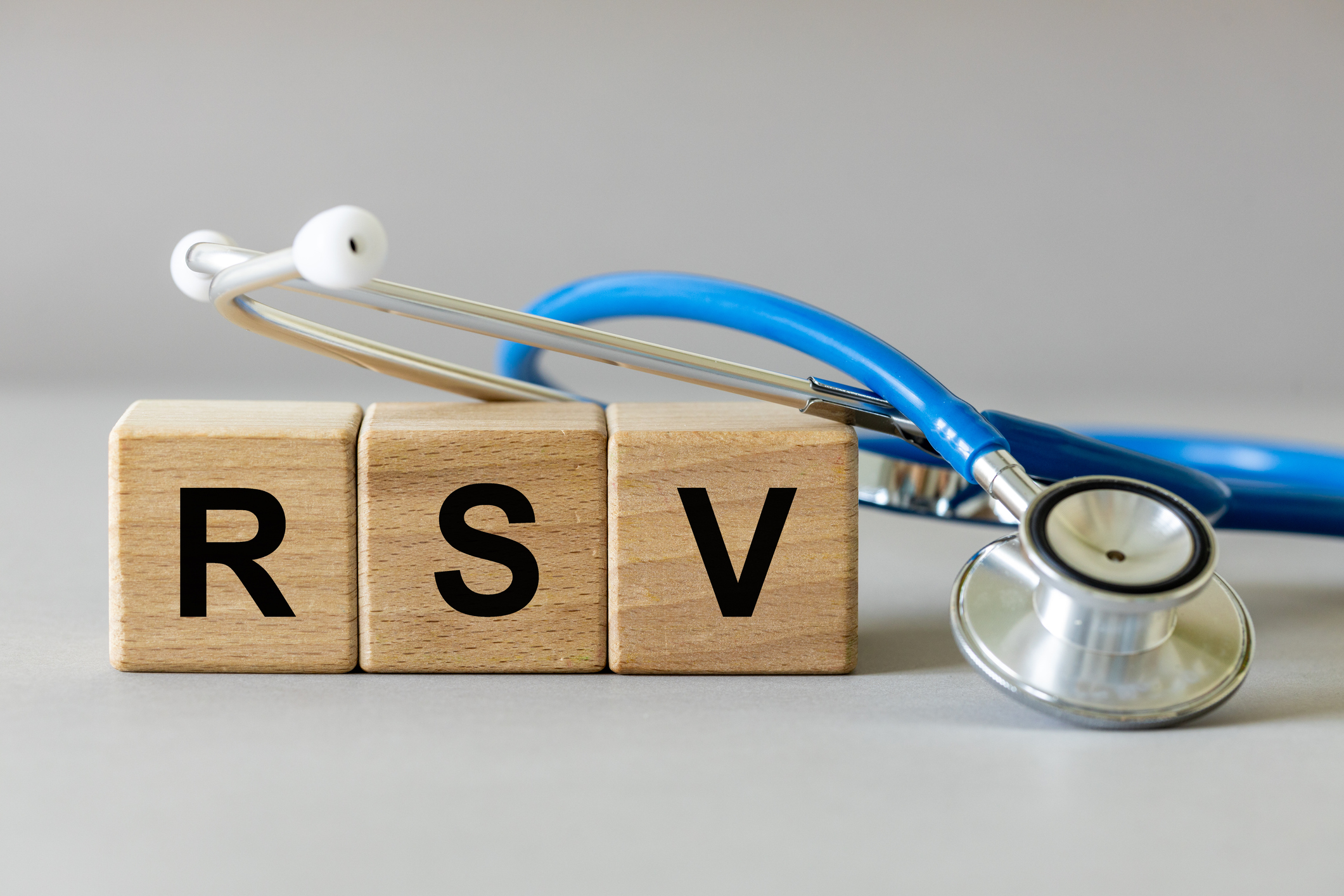
 Respiratory syncytial virus (RSV) is a common respiratory virus. It causes cold-like symptoms, but it can lead to more severe illnesses in young children (especially infants 6 months- 12 months), older adults, and individuals with weakened immune systems.
According to the National Institutes of Health, “Infection with RSV at a young age is thought to increase the risk of developing asthma.”
Furthermore, RSV can be particularly concerning for people with asthma; an RSV infection can significantly increase their risk for more severe symptoms or trigger attacks.
If you have asthma, it is crucial to know the symptoms of RSV so that you can manage both illnesses. The symptoms of RSV include:
- Trouble breathing
- A persistent cough
- Sneezing
- Sore throat
- Runny nose
- Congestion
- Fever
- Wheezing
Managing RSV and asthma may involve preventing RSV, treating an active RSV infection, and controlling asthma. RSV can be prevented through vaccinations. Treatment for an active RSV infection can include supportive care, such as drinking plenty of fluids, getting adequate rest, taking over-the-counter medications, or using saline nasal drops or suction to relieve congestion. Asthma can be controlled by following the asthma action plan recommended by your doctor. Your action plan may include taking an inhaler or other prescribed medications, avoiding environmental triggers, monitoring symptoms, and seeking early treatment as needed.
To speak with a doctor at Flushing Hospital Medical Center about managing your asthma, please call 718-670-5486.
All content of this newsletter is intended for general information purposes only and is not intended or implied to be a substitute for professional medical advice, diagnosis or treatment. Please consult a medical professional before adopting any of the suggestions on this page. You must never disregard professional medical advice or delay seeking medical treatment based upon any content of this newsletter. PROMPTLY CONSULT YOUR PHYSICIAN OR CALL 911 IF YOU BELIEVE YOU HAVE A MEDICAL EMERGENCY.