Immunity-Boosting Tips To Help You Stay Healthy This Holiday Season

The holiday season is here and to increase your chances of staying healthy and enjoying all the festivities that are associated with this time of year, Flushing Hospital is sharing the following tips to help you boost your immune system and avoid illness during this time of year.

  • Protect yourself against illness– taking certain preventive measures like washing your hands, wearing a mask whenever possible and taking Vitamin D can decrease your chances of getting sick. Also. getting vaccinated against COVID-19 and the flu can provide protection against serious complications from those viruses.
  • Get the appropriate amount of sleep – With all the shopping, wrapping, decorating, and baking, the holiday season can be very busy time of year. Even though you might find yourself overwhelmed around the holidays, it’s important to get the recommended amount of sleep each night (seven to nine hours for adults) to help keep your immunity levels high.
  • Eat healthy – Making healthy and nutritious food choices can give your immune system a big boost. Conversely, making unhealthy food choices can negatively affect your immunity to illness. Some foods that can potentially boost your immune system include garlic, whole grains, such as oats or quinoa, and yogurt.
  • Make time for exercise – Regular exercise can not only help keep your immune system running by supporting overall health and wellness, but recent research has suggested that it can also boost it by improving circulation, relieving stress, promoting “good” bacteria in your gut.
  • Enjoy time with family and friends – If the pandemic has taught us one thing, it is the importance that social interactions have on our mental well-being. Spending time with loved ones not only can reduce stress and make us happy, but studies have found that, if done responsibly and when following the appropriate safety precautions, it can also positively impact our immune system.

We hope these wellness tips will help you stay healthy and safe this holiday season.

All content of this newsletter is intended for general information purposes only and is not intended or implied to be a substitute for professional medical advice, diagnosis or treatment. Please consult a medical professional before adopting any of the suggestions on this page. You must never disregard professional medical advice or delay seeking medical treatment based upon any content of this newsletter. PROMPTLY CONSULT YOUR PHYSICIAN OR CALL 911 IF YOU BELIEVE YOU HAVE A MEDICAL EMERGENCY.


Flushing Hospital Provides Information About The COVID Pill

In the continued fight against COVID-19, there has been some promising news about the development of a COVID pill. However, there are many questions surrounding this form of treatment.

Recently, pharmaceutical companies Pfizer and Merck announced that their anti-viral pills could minimize the effects of the virus for those who contract it. These medications are similar to other anti-viral medications currently used to combat the flu and other viruses. Pfizer claims its pill can decrease the likelihood of death or hospitalization by 89% if taken within three days of symptoms starting. Merck states its capsule can reduce similar risks by 50%.

Neither of the anti-viral medications are currently available as Merck and Pfizer have either already applied to the Food and Drug Administration for emergency use or are in the process of doing so and both are waiting for approval as there is still a lot we need to learn.

While this news is encouraging, it is important to understand that if or when these pills become available, they should not be considered a cure. Unlike antibiotics, which work to kill bacterial infections, anti-viral medications usually work to lessen the symptoms of the virus. These pills would also need to be taken during the early stages of the viral infection to be effective. They should only be considered as important additions to other hospital-based treatments.

One concern of many health professionals is that those individuals who are averse to the vaccine will use the existence of the anti-viral medications as an excuse not to get vaccinated, believing that they can get treated by the medications should they contract COVID-19. This philosophy can be misguided as vaccines remain the best protection against the virus.

Another fear among doctors is that people taking the anti-viral pills will not follow appropriate medication adherence. For instance, Merck’s anti-viral pill is required to be taken as a batch of four pills, twice a day, for five days. This medication will be ineffective if it is not taken as directed.

These anti-viral medications have the potential to decrease complications and hospitalizations and make COVID-19 a much more manageable disease, but more time is needed to test their safety and efficacy. Until then, it is recommended that anyone who is eligible receive the COVID vaccine.

All content of this newsletter is intended for general information purposes only and is not intended or implied to be a substitute for professional medical advice, diagnosis or treatment. Please consult a medical professional before adopting any of the suggestions on this page. You must never disregard professional medical advice or delay seeking medical treatment based upon any content of this newsletter. PROMPTLY CONSULT YOUR PHYSICIAN OR CALL 911 IF YOU BELIEVE YOU HAVE A MEDICAL EMERGENCY.

Your Frequent Urination Could Be The Result Of Polyuria

Frequent urination is an issue that many Americans live with but figuring out the cause can be a difficult task. Some of the possible reasons for this problem can include an overactive bladder, enlarged prostate or a urinary tract infection. One other possibility could be due to a medical condition called polyuria.

People with polyuria create more urine than normal. Most adults make approximately 3 liters of urine per day. However, those with polyuria generate up to 15 liters, or five times the normal amount of urine every day. While the other above-mentioned conditions make you feel as if you have to go, even if there isn’t much urine in your bladder, those with polyuria must go because they have excess urine.

Symptoms of polyuria often include frequently feeling thirsty. This is because people with the condition lose a great deal of fluid, which can lead to dehydration. Unfortunately, the urge to urinate when you sleep doesn’t go away, so those with polyuria also usually wake up multiple times at night to go.

Polyuria is usually an indicator of diabetes. This is because the condition makes sugar build up in your bloodstream. If your kidneys are not able to filter it out, it exits your body in your urine. As the extra sugar and fluids travel through your kidneys, you have to pee more.

Pregnant women with gestational diabetes can also develop polyuria as can those with kidney or liver disease. Other factors that can contribute to this condition include taking certain medications or consuming too much caffeine or alcohol.

How you control polyuria depends on what’s causing it. For example, if you have diabetes that isn’t under control, you may need to make changes to your treatments. If a medicine you take is the cause, talk to your doctor about switching to another drug or changing your dose. At home, cut back on how much fluid you drink, especially those that have alcohol and caffeine.

If you are experiencing symptoms of polyuria, schedule an appointment with your doctor. Through a detailed physical examination and battery of testing options, which may include urine, blood, glucose, and water deprivation tests, they can accurately diagnose polyuria and determine a course of treatment.

To make an appointment with a urologist at Flushing Hospital Medical Center’s Ambulatory Care Center, please call 718-670-5486.

All content of this newsletter is intended for general information purposes only and is not intended or implied to be a substitute for professional medical advice, diagnosis or treatment. Please consult a medical professional before adopting any of the suggestions on this page. You must never disregard professional medical advice or delay seeking medical treatment based upon any content of this newsletter. PROMPTLY CONSULT YOUR PHYSICIAN OR CALL 911 IF YOU BELIEVE YOU HAVE A MEDICAL EMERGENCY.
Learning More About Visceral Fat

We all have some percentage of body fat on our bodies. In fact, it is healthy to have some body fat, but it’s also important to understand that not all fat is created equal. Visceral fat, or “active” fat is a type of fat that can be very harmful to your health.

Visceral fat is a type of body fat that’s stored within the abdominal cavity and is therefore stored around multiple important internal organs, including the:

  • liver
  • stomach
  • intestines

Visceral fat is sometimes referred to as ‘active fat’ because research has shown that this type of fat plays a distinctive and potentially dangerous role affecting how our hormones function.

The higher the amount of visceral fat a person stores, the more at risk they are for certain health complications, such as type 2 diabetes and heart disease.  It can also lead to an increased likelihood of developing breast or colorectal cancer, Alzheimer’s disease, or stroke.

While imaging tests such as an MRI and CT scan can determine how much visceral fat someone is carrying, often a doctor can conclude if someone has too much visceral fat through learning more about their patient’s diet and lifestyle, calculate their overall body fat or simply measuring their waist, (a woman whose waist measures 35 inches or more is likely to have excess visceral fat. The same is true of a man whose waist measures 40 inches or more). A person’s visceral fat could range from anywhere between 1 and 59, but ideally it should be under 13.

The dangers of storing excess visceral fat can be extreme and immediate, so it is essential to make diet and lifestyle changes as soon as possible as losing weight can help a person reduce their levels of visceral fat.

Ways to decrease visceral fat includes incorporating a combination of cardiovascular exercise, such as running, cycling, swimming and strength training, which can include pushups or squats.  In addition, you should follow a healthy diet that is high in lean proteins, fruits, and vegetables. Limiting stress levels can also reduce visceral fat.

If you believe you may have a high amount of visceral fat, make an appointment to speak with your doctor immediately so they can help you develop a plan to reduce it.

To make an appointment at Flushing Hospitals’ Ambulatory Care Center, please call 718-670-5486.

All content of this newsletter is intended for general information purposes only and is not intended or implied to be a substitute for professional medical advice, diagnosis or treatment. Please consult a medical professional before adopting any of the suggestions on this page. You must never disregard professional medical advice or delay seeking medical treatment based upon any content of this newsletter. PROMPTLY CONSULT YOUR PHYSICIAN OR CALL 911 IF YOU BELIEVE YOU HAVE A MEDICAL EMERGENCY.

What You Need To Know About The Delta Variant

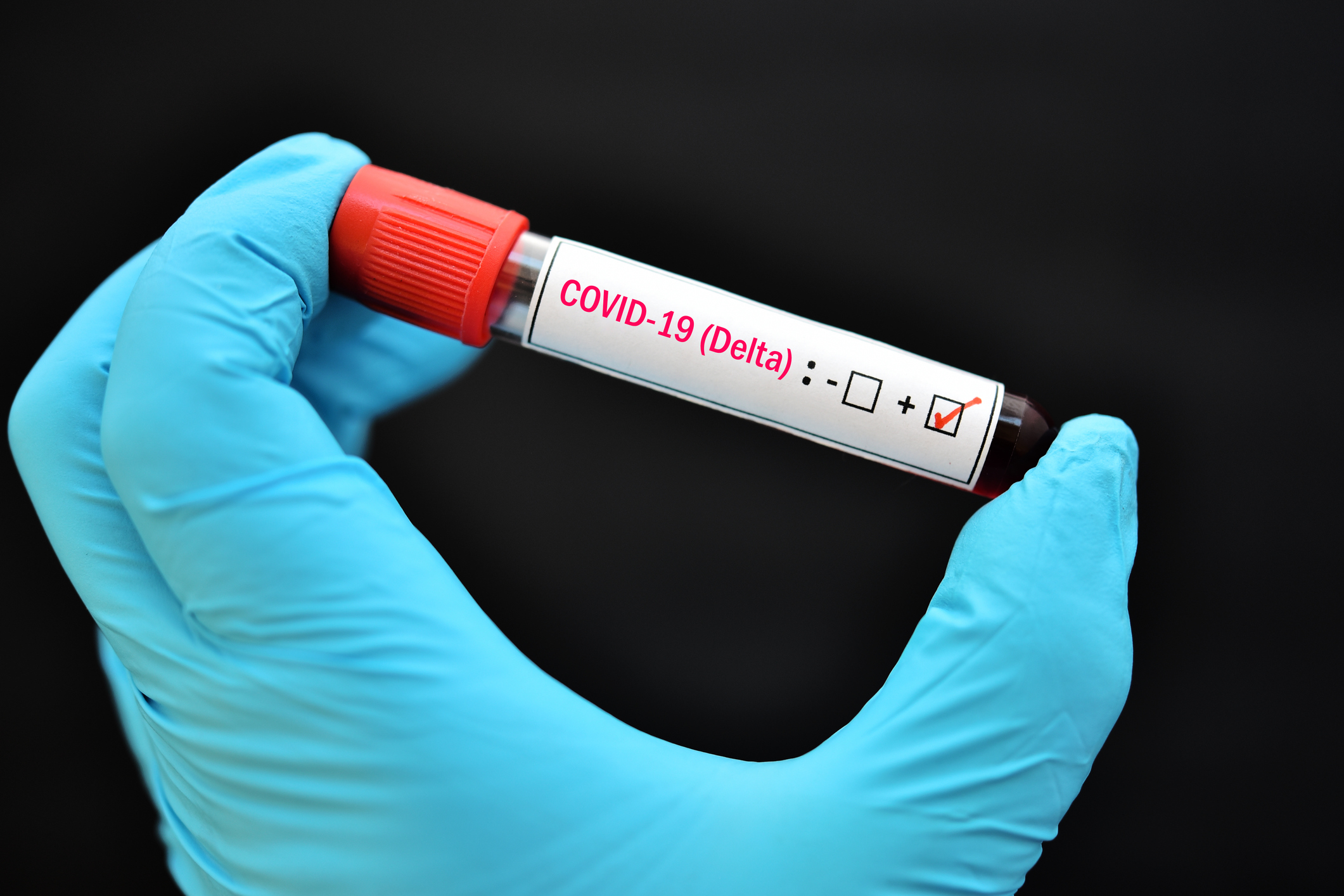
It is common for viruses to change through mutation, and new variants of a virus are expected to occur. These variants can affect the strength, symptoms, or transmission rate of the virus. There have been multiple variants of the virus that causes COVID-19 identified in the United States and globally throughout this pandemic. One variant that you may be hearing more and more about is the delta variant.

The highly transmissible delta variant of the COVID-19 virus was first identified in India and has now been reported in at least 104 countries. According to the Centers for Disease Control and Prevention (CDC), the delta variant is now the dominant strain of the virus, representing 51.7% of new COVID cases in the United States as of the week of July 3.

The delta variant is a cause of concern to health authorities because it is thought to be the most transmissible variant yet. According to the World Health Organization (WHO), the delta variant is estimated to be approximately 55% more transmissible than the alpha variant, which was first identified in Britain last year. Officials believe delta is more contagious because of its ability to partially evade the antibodies made by the immune system after a coronavirus infection or vaccination.

Many health experts fear the variant will cause a surge in new cases this fall, hitting the unvaccinated the hardest. Currently, only 48% of adult Americans are fully-vaccinated, well below the 70% most believe is needed to achieve herd immunity. In fact, areas in the U.S. with low vaccination rates are already beginning to see delta-driven outbreaks, and the number of COVID-19 cases has begun to climb again nationally.

The good news is that data suggests that several widely used shots, including those made by Pfizer-BioNTech, Moderna, Johnson & Johnson and AstraZeneca, appear to retain most of their effectiveness against the delta variant.


Flushing Hospital urges everyone eligible to get vaccinated if you have not already done so and encourage your family and friends to get vaccinated as well.  Vaccination is the best way to stop the spread of all the variants and reduce the odds that new, even more dangerous variants emerge.

All content of this newsletter is intended for general information purposes only and is not intended or implied to be a substitute for professional medical advice, diagnosis or treatment. Please consult a medical professional before adopting any of the suggestions on this page. You must never disregard professional medical advice or delay seeking medical treatment based upon any content of this newsletter. PROMPTLY CONSULT YOUR PHYSICIAN OR CALL 911 IF YOU BELIEVE YOU HAVE A MEDICAL EMERGENCY.

What Are The Signs That Your Child Needs Therapy?

Most children experience emotional highs and lows as they develop. Often, this is part of the natural maturation process, but for some, it can be a sign of a more serious issue that requires professional assistance.  Flushing Hospital Medical Center offers the following advice to help parents determine when to seek help.

Parents should understand that children go through the same struggles emotionally as adults, but because of their lack of development, they can have a hard time processing their feelings. By helping your child get through these difficult times, you can help provide them with the coping and problem-solving skills they can put to use in the future.

One of the most important ways we can help children navigate through the tough periods in their lives is to listen to them and validate their experience. Offering them support, sensitivity, and patience can go a long way in making them feel heard and make them more receptive to discussing their emotions in the future.

Sometimes, however, despite a parent’s best attempt, a child may need professional help to address a more serious issue.  You should seek help if your child:

  • Experiences problems in multiple areas of life, such as in school, during leisure activities, or in their relationships with family and friends
  • Displays repetitive self-destructive behavior such as hair pulling of skin-picking
  • Exhibits low self-esteem or lacks confidence
  • Withdraws from activities that they once enjoyed
  • Has a significant change in sleep habits or appetite
  • Engages in negative behavior
  • Talks about any kind of self-harm or suicide

Speak to your pediatrician if you believe your child may require professional help. They can refer you to a qualified mental health professional who can offer an appropriate treatment plan.

To make an appointment with a pediatrician at Flushing Hospital’s Ambulatory Care Center, please call 718-670-5486.

All content of this newsletter is intended for general information purposes only and is not intended or implied to be a substitute for professional medical advice, diagnosis or treatment. Please consult a medical professional before adopting any of the suggestions on this page. You must never disregard professional medical advice or delay seeking medical treatment based upon any content of this newsletter. PROMPTLY CONSULT YOUR PHYSICIAN OR CALL 911 IF YOU BELIEVE YOU HAVE A MEDICAL EMERGENCY.
Avoid Food Poisoning This Summer

It is estimated  that around 48 million cases of foodborne illnesses occur each year in the U.S.  These illnesses  develop when an individual consumes food that is contaminated with bacteria, viruses or parasites.

One of the most common types of  foodborne illnesses is food poisoning.

The chances of getting food poisoning are higher during the summer months as the warmer weather promotes the growth of harmful organisms and increases the likelihood of contamination.

According to United States Department of Agriculture (USDA) Food Safety and Inspection Service, “Foodborne bacteria grow fastest at temperatures between 90 to 110 °F (32 to 43°C.)” In higher temperatures, food will produce the nutrients and moisture needed for pathogens (virus, bacteria and other microorganisms that cause disease) to flourish.  Some of the most common pathogens that cause food poisoning are Salmonella, Listeria, Toxoplasma, E. coli and norovirus.

In addition to warmer temperatures, summer provides us with more opportunities to cook outdoors. It is difficult to utilize food safety controls such as refrigeration, thermostat-controlled cooking and convenient facilities to wash our hands when cooking outside. These factors can further increase the risk of food contamination.

Food poisoning is preventable and there are several safety measures that can be exercised to reduce the risk of exposure. Flushing Hospital Medical Center shares the following tips to prevent contamination:

  • Clean hands and food preparation stations often– It is important to wash your hands. Unclean hands can spread germs and cause foodborne illness. It is equally as important to keep the areas where you prepare food clean; germs can thrive on hard surfaces as well.
  • Cook food at proper temperatures- The USDA recommends that you cook the following meats and poultry until they reach these internal temperatures:

Poultry (whole, pieces & ground): 165 °F /74 °C

Ground meats: 160 °F /71 °C

Beef, pork, lamb and veal (steaks, roasts & chops): 145 °F /63 °C

  • Keep raw and cooked foods separate- Avoid cross contamination of food by wrapping raw meats and poultry separately during storage. Keep them away from other foods in coolers or similar storage devices. Do not place cooked meats on plates or other utensils that previously contained raw meat; unless they have been properly cleaned with soap and hot water.
  • Refrigerate perishables and leftovers promptly- The Centers for Disease Control and Prevention (CDC) states that, “Germs can grow in many foods within 2 hours unless you refrigerate them. (During the summer heat, cut that time down to 1 hour.)”
  • Clean produce- Before cutting, preparing and serving produce, it is important to wash them.

Food poisoning is characterized by symptoms that include diarrhea, vomiting, fever, abdominal cramps and nausea. Symptoms may take a few hours or days to present.  These symptoms typically run their course and go away on their own.  Your doctor will recommend that you keep hydrated, and may suggest that along with water, drink clear broths and non-caffeinated sport drinks.  Getting plenty of rest and avoiding foods that contain dairy, alcohol, caffeine, high concentration of fats and seasoning may also be recommended.  Before taking over the counter medications such as anti-diarrhea medicine, consult your doctor first.

If severe symptoms such as the following persist, see your physician right away”:

  • Blood in vomit or stool
  • Diarrhea for more than three days
  • Frequent vomiting and the inability to keep liquids down
  • Signs of dehydration, such as lightheadedness, dizziness, excessive thirst, severe abdominal cramps,  weak or no urination and dry mouth
  • Neurological symptoms such as tingling in the arms, blurry vision and weakness in muscles
  • Confusion
  • Rapid heartbeat
  • Fever over 101.5 F

Food poisoning can be very dangerous for the elderly, pregnant women and people with weakened immune systems. Flushing Hospital warns to not take symptoms lightly  and seek treatment immediately

All content of this newsletter is intended for general information purposes only and is not intended or implied to be a substitute for professional medical advice, diagnosis or treatment. Please consult a medical professional before adopting any of the suggestions on this page. You must never disregard professional medical advice or delay seeking medical treatment based upon any content of this newsletter. PROMPTLY CONSULT YOUR PHYSICIAN OR CALL 911 IF YOU BELIEVE YOU HAVE A MEDICAL EMERGENCY.

Tips to Avoid Stress and Anxiety While Awaiting a Diagnosis

Awaiting a clinical diagnosis or the results of a medical test can be a frightening experience for any patient. Even though most of us have experienced the anticipation of receiving good or bad news from a doctor or healthcare provider, depending on the person, this process can produce a wide range of feelings including: impatience, frustration, anger, sadness and anxiety.

It is totally natural to have some degree of concern while waiting for answers, but if you happen to be someone who has a higher degree of anxiety, please consider following these tips to help you remain calm:

  • Consider yourself proactive –Understand that getting tests performed is part of a process. Rationalize to yourself that if the results are positive, then testing is the first step to addressing the problem and if the results are negative, then you can finally feel relieved.
  • Get professional advice – Seek as much information as you can from your doctor before the tests and avoid searching the internet unless these are recommended sites.
  • Speak with friends and family – If you are anxious, bottling up your feelings can make you feel much worse. Speaking with trusted friends and family members can help you get things off your chest.
  • Maintain your normal routine – Sticking to your usual day-to-day schedule and staying busy can help. You are more likely to dwell on pending test results if you are sitting at home alone.
  • Practice mindfulness – Incorporating breathing exercises when your anxiety levels rise can also help to calm you and improve your mental well-being. You can also try complementary therapies such as yoga and meditation to alleviate stress.

Understand that fixating on the pending results will not change the outcome, so there is no benefit in doing so.  Hopefully, by following the suggestions above, you can better manage this otherwise tense time in your life.

All content of this newsletter is intended for general information purposes only and is not intended or implied to be a substitute for professional medical advice, diagnosis or treatment. Please consult a medical professional before adopting any of the suggestions on this page. You must never disregard professional medical advice or delay seeking medical treatment based upon any content of this newsletter. PROMPTLY CONSULT YOUR PHYSICIAN OR CALL 911 IF YOU BELIEVE YOU HAVE A MEDICAL EMERGENCY.

Is It Spring Allergies Or COVID19?

With Spring now upon us, more and more people are taking advantage of the nicer weather and spending significant time outdoors, but this change in season can also bring the return of allergies for many. For some, these allergic reactions could be confused with symptoms of Covid-19. Flushing Hospital wants to offer our community with tips on how to tell the difference between seasonal allergies and Covid.

While the symptoms of allergies and Covid-19 can be similar, there are some definitive ways to tell which you are experiencing so you can treat it appropriately.

Typically, a virus such as Covid-19 causes a system-wide response, while an allergy, which is an overreaction of the immune system in response to exposure to a trigger, is usually more localized. For instance, someone with Covid-19 may have a fever, body aches, chills, a sore throat, weakness, and respiratory symptoms. On the other hand, someone with allergies will be more likely to have the symptoms centered on the nose, eyes, and throat, and they usually will not have a fever.

In addition, allergies cause itchiness: itchy eyes, itchy nose and sneezing, and a tickle in the throat, while itchiness is usually not a symptom of illness. COVID-19 also does not seem to cause much in the way of nasal symptoms, which means if your child is sneezing a lot, it is more likely allergies and isn’t related to COVID-19.

To treat allergies, your doctor may recommend using allergy medications to prevent or manage the symptoms. This can include antihistamines (a medication that blocks histamine, a chemical your body releases when exposed to a trigger), nasal corticosteroids (prescription medications that relieve symptoms by reducing inflammation in your nasal passages), and if you also have asthma, a rescue asthma inhaler (this contains a medication that opens airway passages) and inhaled corticosteroids (this reduces the inflammation in your airways).

In addition, there are some things you can do to limit your chances of experiencing allergy symptoms, including:

  • Wear a hat and sunglasses to prevent pollen from getting in your eyes.
  • Remove your clothes as soon as you come home and wash them remove allergens.
  • Wash your child’s hands and face as soon as they come in from the outdoors.

It is important to note that you can have seasonal allergies and still contract Covid, so it is important to not dismiss the possibility of one just because you have the other.  If you have any suspicions, it is important to consult with your physicians.  To make an appointment with a doctor at Flushing Hospital’s Ambulatory Care Center, please call 718-670-5486.

All content of this newsletter is intended for general information purposes only and is not intended or implied to be a substitute for professional medical advice, diagnosis or treatment. Please consult a medical professional before adopting any of the suggestions on this page. You must never disregard professional medical advice or delay seeking medical treatment based upon any content of this newsletter. PROMPTLY CONSULT YOUR PHYSICIAN OR CALL 911 IF YOU BELIEVE YOU HAVE A MEDICAL EMERGENCY.

Flushing Hospital Provides Information on mRNA Vaccines

With more and more Americans becoming eligible to receive their COVID-19 vaccine, questions about what type of vaccines are being administered and how they work are very common.  Flushing Hospital Medical Center, with the help of the Centers for Disease Control and Prevention (CDC)would like provide our community with the facts about Messenger RNA (or mRNA) vaccines.

According to the CDC, mRNA vaccines are a new type of vaccine to protect against infectious diseases. To trigger an immune response, many vaccines put a weakened or inactivated germ into our bodies. Not mRNA vaccines. Instead, they teach our cells how to make a protein—or even just a piece of a protein—that triggers an immune response inside our bodies. That immune response, which produces antibodies, is what protects us from getting infected if the real virus enters our bodies.

It is important to note the following facts about the mRNA vaccines

  • They do not use the live virus that causes COVID-19
  • They cannot give someone COVID-19
  • They do not interact with our DNA in any way
  • mRNA never enters the nucleus of the cell, which is where our DNA is kept
  • The cell breaks down and gets rid of the mRNA soon after it is finished using the instructions.

mRNA vaccines are new, but they are not unknown.  Researchers have been studying and working with mRNA vaccines for decades. Interest has grown in these vaccines because they can be developed in a laboratory using readily available materials. This means the process can be standardized and scaled up, making vaccine development faster than traditional methods of making vaccines. Even though they are new, mRNA vaccines are held to the same rigorous safety standards by the U.S. Food and Drug Administration (FDA).

Future mRNA vaccine technology may allow for one vaccine to provide protection for multiple diseases, thus decreasing the number of shots needed for protection against common vaccine-preventable diseases. Beyond vaccines, cancer research has used mRNA to trigger the immune system to target specific cancer cells.

All content of this newsletter is intended for general information purposes only and is not intended or implied to be a substitute for professional medical advice, diagnosis or treatment. Please consult a medical professional before adopting any of the suggestions on this page. You must never disregard professional medical advice or delay seeking medical treatment based upon any content of this newsletter. PROMPTLY CONSULT YOUR PHYSICIAN OR CALL 911 IF YOU BELIEVE YOU HAVE A MEDICAL EMERGENCY.