Learn The Facts About Kleptomania

Kleptomania is a rare but serious mental health disorder characterized by the recurrent inability to resist urges to steal items. If left untreated, kleptomania can result in severe emotional, family, work, legal and financial problems.

Kleptomania is a type of impulse control disorder. Those with impulse control disorders have difficulty resisting the temptation to perform an act that is excessive or harmful to themselves or others. In fact, unlike typical shoplifters, people with kleptomania don’t compulsively steal for personal gain. They steal simply because the urge is so powerful that they cannot resist it.

In addition to the inability to resist the urge to steal, those with kleptomania may also exhibit the following symptoms:

  • Feeling of increased tension, anxiety or arousal leading up to the theft
  • Feeling pleasure, relief or gratification while stealing
  • Feeling terrible guilt, remorse, self-loathing, shame or fear of arrest after the theft
  • Return of the urges and a repetition of the cycle

Episodes of kleptomania generally occur spontaneously, usually without planning and without help or collaboration from another person. Most people with kleptomania steal from public places, such as stores and supermarkets. Often, the stolen items have no value to the person with kleptomania and the person can afford to buy them. Urges to steal may come and go or may occur with greater or lesser intensity over the course of time.

While the cause of kleptomania is not known, there are several theories suggest that changes in the brain may be at the root of kleptomania, including:

  • Low serotonin levels.Serotonin is a naturally occurring brain chemical that helps regulate moods and emotions. Low levels of serotonin are common in people prone to impulsive behaviors.
  • Addictive disorders.Stealing may cause the release of dopamine (another neurotransmitter). Dopamine causes pleasurable feelings, and some people seek this rewarding feeling again and again.
  • The brain’s opioid system.Urges are regulated by the brain’s opioid system. An imbalance in this system could make it harder to resist urges.

Treatments are available that may help to minimize the urge kleptomaniacs have to steal and live without addiction and shame.  This typically involves medications and psychotherapy, or both, sometimes along with self-help groups. However, there is no standard kleptomania treatment, and researchers are still trying to understand what may work best.

If you or someone you love is experiencing symptoms consistent with kleptomania, xx Hospital’s Department of Mental Health and Addiction Services can help. To make an appointment please call 718-670-5562.


All content of this newsletter is intended for general information purposes only and is not intended or implied to be a substitute for professional medical advice, diagnosis or treatment. Please consult a medical professional before adopting any of the suggestions on this page. You must never disregard professional medical advice or delay seeking medical treatment based upon any content of this newsletter. PROMPTLY CONSULT YOUR PHYSICIAN OR CALL 911 IF YOU BELIEVE YOU HAVE A MEDICAL EMERGENCY.

Understanding Exocrine pancreatic insufficiency (EPI)

Exocrine pancreatic insufficiency (EPI) is a condition that affects digestion due to an inability to break down food properly. This occurs when the pancreas doesn’t make enough of the enzymes needed to break down and absorb nutrients.

Enzymes speed up chemical reactions in your body. The enzymes made by your pancreas move into your small intestine, where they help break down the food you eat. When you have EPI, you don’t get the nutrition you need because your body can’t absorb fats and and minerals from foods.

Some of the causes of EPI can include:

  • Chronic pancreatitis – A condition marked by frequent inflammation of the pancreas
  • Previous surgery of your pancreas, stomach, or intestines.
  • Existence of other conditions such as Crohn’s Disease, celiac disease, Cystic fibrosis or Shwachman-Diamond syndrome

Symptoms of EPI can include:

  • Pain or tenderness in the belly
  • Bad-smelling bowel movements
  • Diarrhea
  • Gas
  • Feeling full
  • Weight loss
  • Pain in your bones

Several tests can help diagnose EPI, including: blood tests to determine if you are getting enough vitamins in your diet, fecal tests to check for the amount of fat in your bowel movements and imaging tests to see if your pancreas is inflamed.

The right diet is very important for managing EPI. A dietitian can help you choose the foods that keep your energy level up and give you the nutrition you need.  Some other tips include eating up to six small meals per day, avoiding alcohol, and taking vitamin supplements.

Apart from a healthy diet, the main treatment for EPI is pancreatic enzyme replacement therapy (PERT). You take prescription pills that replace the enzymes your pancreas isn’t making. These enzymes break down your food so you can more easily digest and absorb it. You may also need to take an antacid to keep your stomach from breaking down pancreatic enzymes before they can start to work.

If you are experiencing symptms of EPI and would like to speak with a doctor at Flushing Hospital, please call our Ambulatory Care Center at 718-670-5486

All content of this newsletter is intended for general information purposes only and is not intended or implied to be a substitute for professional medical advice, diagnosis or treatment. Please consult a medical professional before adopting any of the suggestions on this page. You must never disregard professional medical advice or delay seeking medical treatment based upon any content of this newsletter. PROMPTLY CONSULT YOUR PHYSICIAN OR CALL 911 IF YOU BELIEVE YOU HAVE A MEDICAL EMERGENCY.

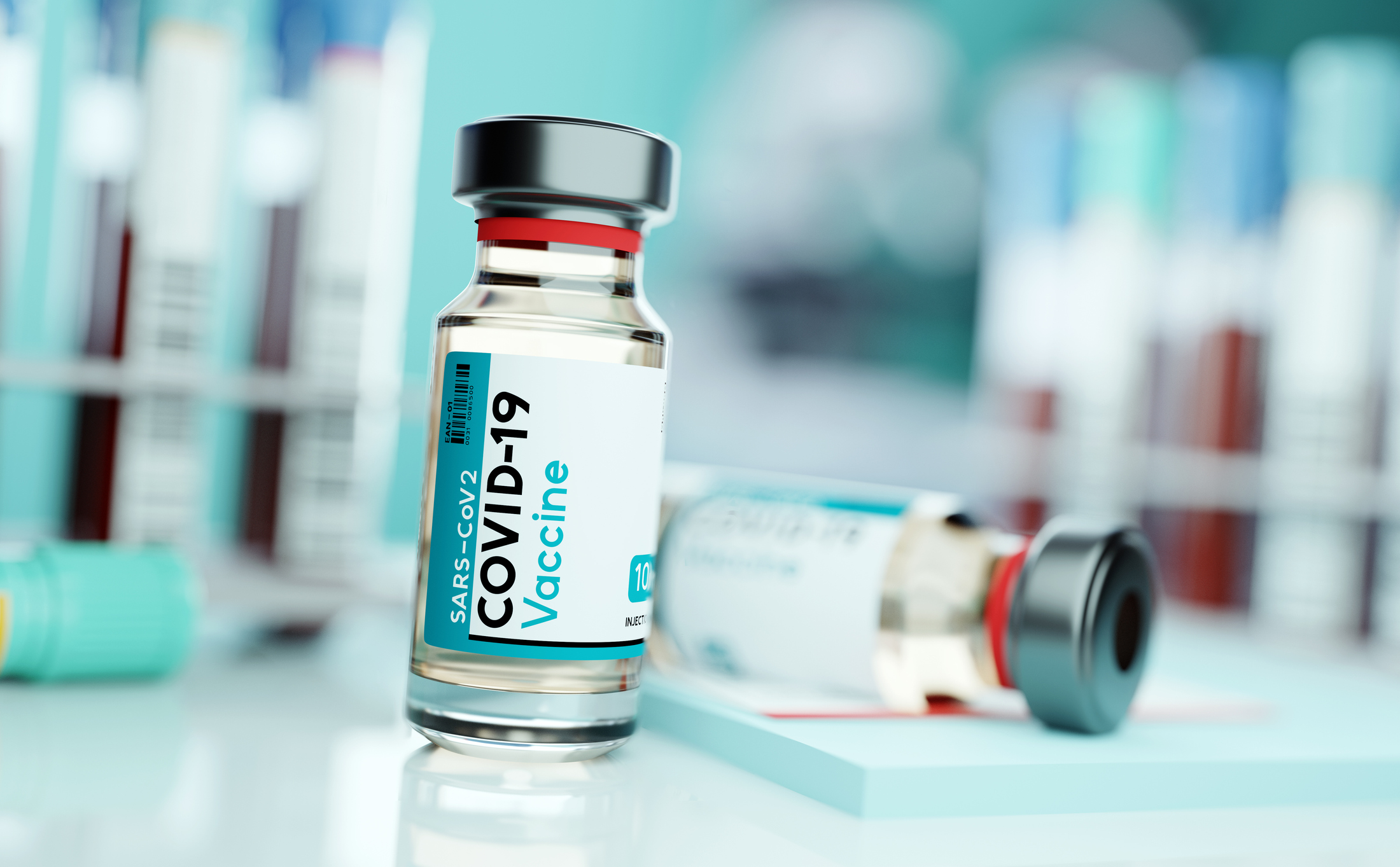
Flushing Hospital Dispels Myths About The COVID Vaccine

There are many myths being circulated about the COVID-19 vaccine due to a spread of misinformation. It is important to know what is true and what is not to help you make an informed decision about getting vaccinated.

Myth:  I don’t need to get the vaccine if I already had COVID Is it true that the vaccine was produced too quickly and is unsafe because it wasn’t tested sufficiently?

Fact: The Centers for Disease Control and Prevention (CDC) recommends everyone receive the vaccine when it’s their turn, including those who have already had covid-19.

While it is true that those who had covid-19 may have developed some natural immunity, we don’t yet fully understand how long that immunity will last. The vaccine can boost any existing immunity without causing any harm.

All content of this newsletter is intended for general information purposes only and is not intended or implied to be a substitute for professional medical advice, diagnosis or treatment. Please consult a medical professional before adopting any of the suggestions on this page. You must never disregard professional medical advice or delay seeking medical treatment based upon any content of this newsletter. PROMPTLY CONSULT YOUR PHYSICIAN OR CALL 911 IF YOU BELIEVE YOU HAVE A MEDICAL EMERGENCY.

Today is Give A Kids A Smile Day

To help raise awareness about the important of pediatric dental hygiene, February 5th has been designated Give Kids A Smile Day.

The Give Kids A Smile program was created by the American Dentist Association in 2003. It was a way for dentists to come together with their communities to provide dental services such as oral health, education, screenings, preventive health, and treatment to children in families in the U.S. who cannot afford it.

The event initially started out as a one-day event in February but has since grown into a national event annually. Almost one in four children under five already have cavities and 10 million children under the age of 18 receive no dental care. Give Kids A Smile remains an important part of the ADA’s Action for Dental Health. Their mission is to end any dental health problems in America by providing care to everyone, especially those who need it the most.

Flushing Hospital supports this very important day. To make an appointment at our pediatric dental clinic, please call 718-670-5521.

All content of this newsletter is intended for general information purposes only and is not intended or implied to be a substitute for professional medical advice, diagnosis or treatment. Please consult a medical professional before adopting any of the suggestions on this page. You must never disregard professional medical advice or delay seeking medical treatment based upon any content of this newsletter. PROMPTLY CONSULT YOUR PHYSICIAN OR CALL 911 IF YOU BELIEVE YOU HAVE A MEDICAL EMERGENCY.

What Is Brain Fog?

Brain fog is characterized as a mental fuzziness or lack of clarity.  Some of the characteristics of brain fog can include:

  • Difficultly grasping thoughts
  • Problems finding the right words to say
  • Problems concentrating or remembering what you are doing
  • Mental exhaustion

The term “brain fog” has been associated with many medical conditions including lupus, multiple sclerosis, thyroid disease and menopause. Patients receiving chemotherapy have also reported experiencing brain fog. Most recently, the term has been mentioned as a long-term side effect of COVID-19 patients. Many of these patients, referred to as “long haulers” are currently living with this condition.

Regardless of the cause for your brain fog, Flushing Hospital Medical Center is offering the following tips to help you manage this condition:

  • Get more sleep – Sleep deprivation can make it difficult for you to think clearly during the day. It is recommended that you receive 8-9 hours of sleep every night.
  • Exercise your body– Physical activity doesn’t only offer benefits for your body, it can also help improve memory and reaction time.
  • Exercise your brain – Regularly challenge your brain power by participating in puzzles and other activities. Also seek other enjoyable activities that will keep your brain engaged.
  • Decrease stress – Identify coping skills such as removing stressful elements in your life and saying no to requests that can cause stress. Meditation and journaling are also good techniques to help you manage
  • Monitor your diet – A diet lacking in vitamins (such as B12) and minerals can lead to poor brain function. Some suggested foods to incorporate into your diet include walnuts, fatty fishes, blueberries and turmeric.
  • Check your medications – Certain migraine and anti-seizure prescriptions as well as over-the-counter sleep aid and allergy medications can have potential side-effects linked to brain fog.

If you are currently living with conditions associated with brain fog as a result of COVID-19, Flushing Hospital has opened a Post-COVID Care Center to help you manage your long-hauler symptoms.  We incorporate a holistic approach to care for our patients, combining the best of conventional medicine and alternative therapies.

To make an appointment, please call 718-736-8204.

All content of this newsletter is intended for general information purposes only and is not intended or implied to be a substitute for professional medical advice, diagnosis or treatment. Please consult a medical professional before adopting any of the suggestions on this page. You must never disregard professional medical advice or delay seeking medical treatment based upon any content of this newsletter. PROMPTLY CONSULT YOUR PHYSICIAN OR CALL 911 IF YOU BELIEVE YOU HAVE A MEDICAL EMERGENCY.

January is Thyroid Awareness Month

The thyroid gland serves many functions. It regulates our rate of metabolism, growth and development, and our body temperature. So when it isn’t working properly it can have a major impact on our health.

ThinkstockPhotos-505568323According to the American Association of Clinical Endocrinologists (AACE), thyroid disease is a more common disorder than diabetes or heart disease. It affects as many as 30 million Americans, more than half of whom remain undiagnosed. To raise awareness about the thyroid gland and symptoms of thyroid disease, January has been designated Thyroid Awareness Month.

The thyroid is a small, butterfly-shaped gland located in the base of the neck.. Although small in size, the gland plays a large role by producing thyroid hormone which influences the function of many of the body’s most important organs, including the heart, brain, liver, kidneys and skin. When the thyroid gland is not producing the right amount of hormone (either too much or too little), problems can start to arise.

Hypothyroidism occurs when the thyroid does not produce enough hormones. This can result in a range of symptoms that include unexplained fatigue, weight gain, depression, forgetfulness, feeling cold, hair loss, or low sex drive. Hyperthyroidism, on the other hand, is a condition when the body produces an abundance of thyroid hormones. Symptoms of hyperthyroidism include rapid heart rate, heat intolerance and unexplained weight loss and anxiety. For both hypothyroidism and hyperthyroidism, medication can be prescribed to regulate hormone levels.

A more serious concern involving the thyroid gland is thyroid cancer, which can develop independent of the above thyroid disease. According to the AACE, about 60,000 cases of thyroid cancer are diagnosed annually in the U.S. In most cases, thyroid cancer has a good prognosis and high survival rates—especially when diagnosed in its early stages.

Through attention raised by Thyroid Awareness Month, more and more primary care physicians are screening for thyroid disease, which has greatly helped those who would have otherwise had their condition go undiagnosed.

Flushing Hospital is proud to help raise awareness for thyroid disease and encourages everyone experiencing symptoms to ask their doctor to do an evaluation. If you do not have a doctor, call Flushing Hospital’s Ambulatory Care Center to make an appointment at 718-670-5486.

All content of this newsletter is intended for general information purposes only and is not intended or implied to be a substitute for professional medical advice, diagnosis or treatment. Please consult a medical professional before adopting any of the suggestions on this page. You must never disregard professional medical advice or delay seeking medical treatment based upon any content of this newsletter. PROMPTLY CONSULT YOUR PHYSICIAN OR CALL 911 IF YOU BELIEVE YOU HAVE A MEDICAL EMERGENCY.

Choosing Safe Toys For Children This Holiday Season

The holiday season is the best time of the year to buy toys for children. However, parents are often overwhelmed by a larger selection and choosing the best toy can become challenging.  The most important thing to remember when choosing toys for toddlers is picking toys that are safe and appropriate for their age.

Each year hospital E.R.’s are visited by over 200,000 young children, typically under the age of three, who have incurred toy-related injuries.   These injuries can be avoided if parents keep these guidelines in mind when buying toys:

  • Carefully read warning labels
  • Do not buy toys with small and removable parts
  • Check to see if toys are on a recall list by visiting sites such as recalls.gov or cpsc.gov.
  • Avoid buying toys with parts that launches or projects
  • Do not purchase toys with sharp edges or points
  • Make certain that cords or strings are shorter that seven inches
  • Avoid buying toys that make extremely loud noises
  • Check to see if toys have been tested for lead based paint by visiting websites such as www.ecocenter.org

Most toys come with warning labels that advise parents of potential choking hazards and compatibility by age group. Parents should pay close attention to these labels and also do due diligence by researching toys and inspecting them for further dangers.

All content of this newsletter is intended for general information purposes only and is not intended or implied to be a substitute for professional medical advice, diagnosis or treatment. Please consult a medical professional before adopting any of the suggestions on this page. You must never disregard professional medical advice or delay seeking medical treatment based upon any content of this newsletter. PROMPTLY CONSULT YOUR PHYSICIAN OR CALL 911 IF YOU BELIEVE YOU HAVE A MEDICAL EMERGENCY.

Safe COVID-19 Holiday Shopping Tips

2020 has been a year where we have altered so many aspects of our daily lives. With the arrival of the holiday season, it only makes sense that we will also be forced to change the way we do our holiday shopping.

Normally, during this time of year, malls would be packed as shoppers seek the perfect holiday gifts for their loved ones. Unfortunately, the COVID-19 pandemic has affected our ability (or comfort level) to go to conventional brick-and-mortar stores.

To help you prepare for a very different holiday shopping season, Flushing Hospital is offering the following safety tips:

  • Shop from home – Recent studies have indicated that nearly half of Americans plan to complete most of their holiday shopping online this year. If you plan to do this, please keep in mind that this uptick in online shopping could mean inventory shortages and shipping delays, so it is recommended to start early.
  • Look at alternative types of gifts – There has never been a time when do-it-yourself gifts are more appropriate. In addition to helping you avoid going to stores, they are also fun gifts to receive because they are thoughtful and made with love. If you are not that crafty, you should consider other gift options, such as gift cards, streaming service subscriptions, meal kits or boxes, or even making a charitable donation on behalf of the gift recipient.
  • Start early – Some gifts however might be best purchased in person. If you plan on going to the mall, try to start your shopping early before the holiday rush. Many stores have not waited for “Black Friday” to begin their holiday sales, so it is easier to find bargains now and avoid last-second craziness. Also try to shop at non-peak times such as early in the day or during the week to avoid the crowds.
  • Support local businesses – If possible, try to shop locally and support some of the smaller businesses in your community. These “mom and pop” stores could benefit from your support and they may also be a safer option than some of the larger, more crowded stores.
  • Understand the new reality – Many stores have put into place shopping restrictions and regulations for the safety of their employees and customers. This may include limiting the number of shoppers allowed into the store at one time. Some stores are even creating shopping appointments for their customers. While these regulations might prolong your shopping experience, they are intended for your protection so please exercise patience.

As with every other aspect of life, when shopping, it is extremely important to follow all safety measures when shopping. This includes wearing a mask at all times and practicing proper hand washing and social distancing rules to limit your chances of contracting COVID or any other transmittable disease.

All content of this newsletter is intended for general information purposes only and is not intended or implied to be a substitute for professional medical advice, diagnosis or treatment. Please consult a medical professional before adopting any of the suggestions on this page. You must never disregard professional medical advice or delay seeking medical treatment based upon any content of this newsletter. PROMPTLY CONSULT YOUR PHYSICIAN OR CALL 911 IF YOU BELIEVE YOU HAVE A MEDICAL EMERGENCY.

What Is Herd Immunity?

The existence of COVID-19 has introduced us to many new terms that we may not completely understand. One of those terms is “herd immunity.”

Herd immunity describes how the spread of a contagious disease can be controlled after a large enough portion of the population, (referred to as “the herd”) becomes immune.

A disease is most contagious when everyone in the community is at risk of contracting it. If a sizable percentage becomes immune however, it makes it harder for the disease to reach those susceptible because the herd blocks its ability to reach them.  As a result, the entire community becomes better protected.

There are two ways to achieve herd immunity: vaccination or infection and recovery.

  • Vaccination – Vaccines create immunity without causing illness or resulting complications. Vaccines have successfully controlled deadly contagious diseases such as smallpox, polio, diphtheria, rubella and many others. Herd immunity by vaccination protects people who are unable to be vaccinated due to age or other conditions.
  • Natural infection – Herd immunity can also be reached when a sufficient number of people in the population have recovered from a disease and have developed antibodies against future infection. For example, those who survived the 1918 flu (influenza) pandemic were later immune to infection to the H1N1 flu, a subtype of influenza A.

The percentage of a community that needs to be immune in order to achieve herd immunity varies from disease to disease. The more contagious a disease is, there will need to be a greater proportion of the population that is immune to the disease to stop its spread. For example, the measles is a highly contagious illness, therefore it’s estimated that 94% of the population must be immune to interrupt the chain of transmission.

It is important to note that while herd immunity can reduce the risk of getting a disease, it does not prevent it. Until an effective COVID-19 vaccine is developed, it is important to follow all safety guidelines to protect against the transmission of the virus, including:

  • Avoiding large events and mass gatherings.
  • Avoiding close contact with others, (within 6 feet).
  • Washing your hands often with soap and water for at least 20 seconds, or use an alcohol-based hand sanitizer that contains at least 60% alcohol.
  • Wearing a face mask or covering in public spaces.
  • Covering your mouth and nose with your elbow or a tissue when you cough or sneeze.
  • Avoiding touching your eyes, nose and mouth.
  • Avoiding sharing dishes, glasses, bedding and other household items if you’re sick.
  • Cleaning and disinfect high-touch surfaces daily.
  • Staying home from work, school and public areas if you’re sick, unless you’re going to get medical care.

All content of this newsletter is intended for general information purposes only and is not intended or implied to be a substitute for professional medical advice, diagnosis or treatment. Please consult a medical professional before adopting any of the suggestions on this page. You must never disregard professional medical advice or delay seeking medical treatment based upon any content of this newsletter. PROMPTLY CONSULT YOUR PHYSICIAN OR CALL 911 IF YOU BELIEVE YOU HAVE A MEDICAL EMERGENCY.

Understanding Depression

Depression is a mood disorder that makes you feel constant sadness or lack of interest in life.  It can affect how a person feels, thinks and behaves. It can lead to a variety of emotional and physical problems. Those living with depression have trouble doing normal day-to-day activities, and sometimes may feel as if life isn’t worth living.

While everyone experiences feelings of sadness at some point in their life, those with clinical depression have prolonged periods of feeling helpless, hopeless, and worthless. These feelings are not always tied to a specific incident and can last for many days to weeks. Depression can occur in children, adolescents and adults. Although someone can experience depression only once in their life, most who suffer with depression experience recurring episodes.

Some of the symptoms of depression include:

  • Feelings of sadness, tearfulness, emptiness or hopelessness
  • Angry outbursts, irritability or frustration, even over small matters
  • Loss of interest or pleasure in most or all normal activities, such as sex, hobbies or sports
  • Sleep disturbances, including insomnia or sleeping too much
  • Tiredness and lack of energy, so even small tasks take extra effort
  • Reduced appetite and weight loss or increased cravings for food and weight gain
  • Anxiety, agitation or restlessness
  • Slowed thinking, speaking or body movements
  • Feelings of worthlessness or guilt, fixating on past failures or self-blame
  • Trouble thinking, concentrating, making decisions and remembering things
  • Frequent or recurrent thoughts of death, suicidal thoughts, suicide attempts or suicide
  • Unexplained physical problems, such as back pain or headaches

For many people with depression, symptoms usually are severe enough to cause noticeable problems in day-to-day activities, such as work, school, social activities or relationships with others. Some people may feel generally miserable or unhappy without really knowing why.

There is no known singular cause for depression. Instead, health professionals point to a combination of contributing factors including a person’s brain structure and chemistry. Hormone and genetics are also believed to play a role.

Help is available for those with depression. A mental health professional can conduct an evaluation and outline a course of treatment based on the patient’s individual needs. Treatment may include:

  • Medications – These can include a combination of antidepressants, mood stabilizers, antipsychotic, anti-anxiety or stimulant medications
  • Psychotherapy – Talking to a mental health professional on a regular basis about your depression and other issues can help treat the symptoms.
  • Electroconvulsive therapy – This brain stimulation therapy passes electric currents through your brain to help your neurotransmitters work better.
  • Transcranial magnetic stimulation – This treatment uses a coil to send magnetic pulses through your brain to help stimulate nerve cells that regulate mood.

Some with depression may experience thoughts of hurting themselves or others. If someone you know is depressed and you think they may hurt themselves or attempt suicide, call 911immediately.

All content of this newsletter is intended for general information purposes only and is not intended or implied to be a substitute for professional medical advice, diagnosis or treatment. Please consult a medical professional before adopting any of the suggestions on this page. You must never disregard professional medical advice or delay seeking medical treatment based upon any content of this newsletter. PROMPTLY CONSULT YOUR PHYSICIAN OR CALL 911 IF YOU BELIEVE YOU HAVE A MEDICAL EMERGENCY.